
 换一换
换一换 


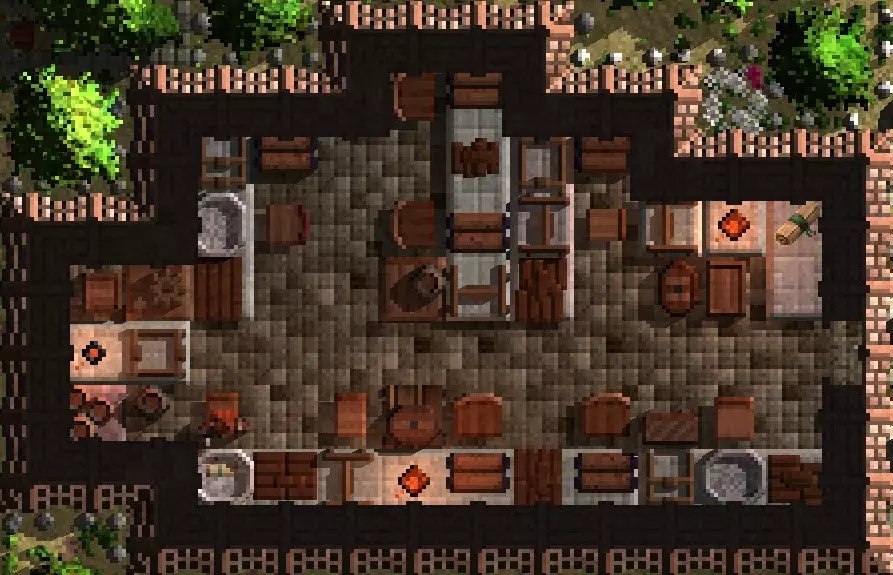
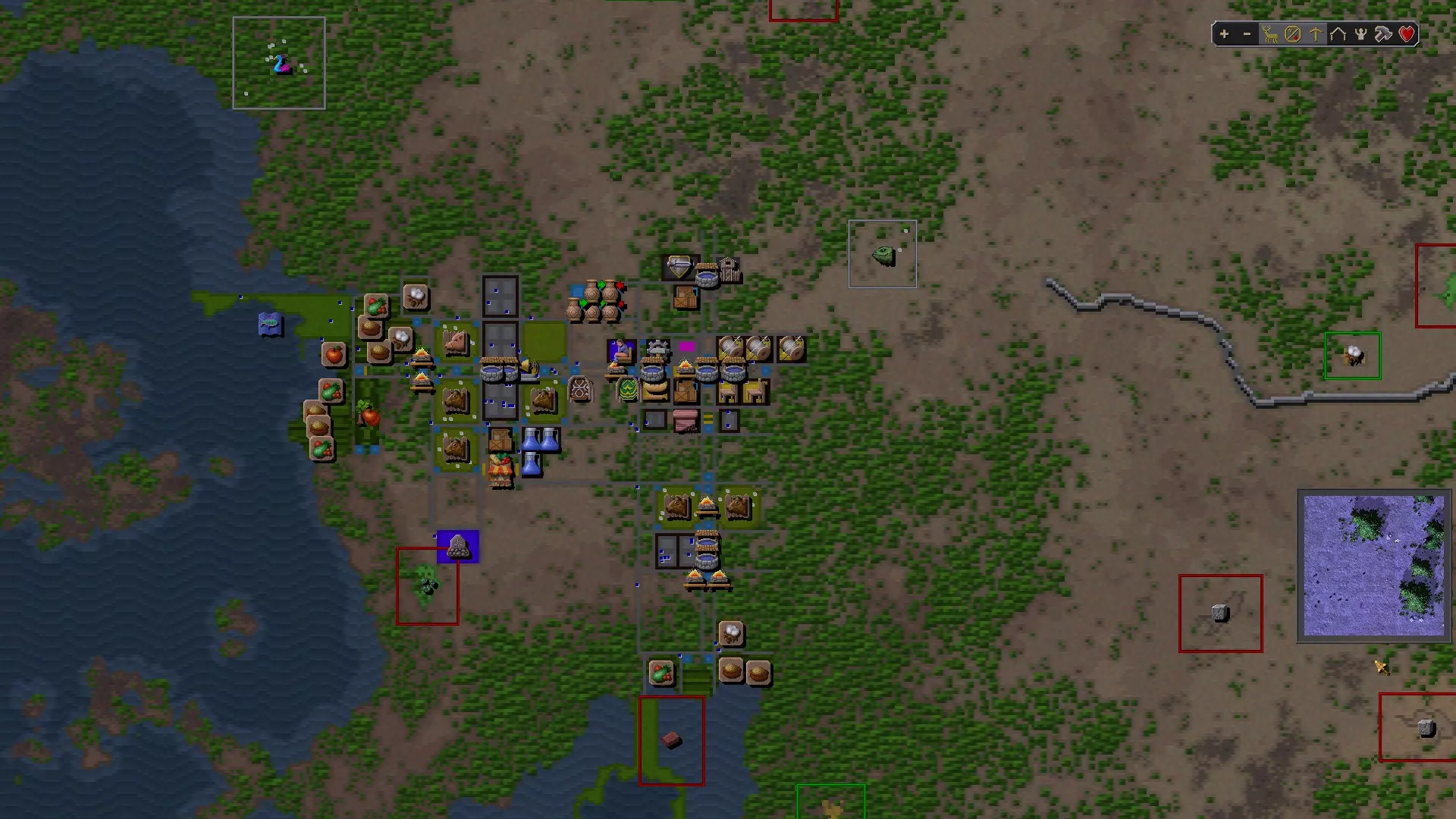
Just a logistic guide for massive cities that enjoy massive taxes Intro I finally found a setup that works well for very big cities and wanted to share it. The main purpose is to use your taxes and localized export depots to move resources around, making sure that no resource moves before being sold. It’s for cities that tax tens of thousands of resources, have extras, and manufacture extras, the other factions move all your stuff for you. Some definitions (raw resources = taxed resources; manufactured = produced in your colony; if you make raw resources in your colony, why? but anyway, treat them as manufactured resources for the purpose of this guide). Warehouses, haulers, and export depots use three different settings: fetch, priority‑fetch, and pull. Export depots also use “% of total storage” as a trigger for p‑fetch, but we will ignore that one here. An import hauler is one I define as pulling from a warehouse or hauler, and an export hauler is just a hauler on fetch, not pulling from anything. You need four components: a Throne‑Room Dump, your Main Storage Area, Localized Industries, and the Amenities Warehouse. The Throne‑Room Dump This will just be a big room with your throne in the middle, some temperature amenities, and tons of export depots. Every resource you tax in excess of what you consume will end up here so, basically, every raw resource in the late game. It needs to be far enough from the rest of your colony that the export depots’ fetch minimum range won’t pull from your production. Here you just set a bunch of export depots on fetch for every raw resources they do not pull from anything. The Main Storage Area One gigantic warehouse (e.g., 400+ crates) surrounded by import haulers (and import depots for the stuff you don’t yet produce). THERE ARE NO EXPORT DEPOTS that pull from the main warehouse. Everything you need for the Amenities Warehouse goes in here (think janitor supplies, food, furniture). You can put military stuff or rations here if you want, but those can be separated. Localized Industries A warehouse for taxed resources (if it uses raw resources) An import hauler (if it uses manufactured resources) An export hauler An export depot (If there is no output—nurseries, admin, research, etc.—you can skip the export depot/hauler.) The warehouse gets filled automatically by taxes, the import hauler will pull (set to 0% of the other hauler (is the default)) from a corresponding export hauler somewhere else for intermediary products like pots or metal. An export hauler to fetch the products, and a export depot to sell the excess of the products. Amenities Warehouse Put this next to your amenities buildings, and set it to pull from your Main Storage Area at 0% (no fetch or p‑fetch). With whatever you need local, like food or stuff to repair. How it works Let’s say for machinery: all your ore, coal, and wood crates get topped off automatically when taxes come in. The rest of the taxed resources dump into your Throne‑Room Dump, where you export the excess for cash. Your metal industry will have a warehouse full of ore and coal (filled purely by taxes, requiring zero hauling from your workers), and an export hauler (on fetch) will gather the iron—same thing for wood and furniture in their respective sectors. Import haulers at your Main Storage will pull from those export haulers (metal & furniture), and an export depot set to pull from the export hauler at, say, 90% full will sell the extra. For the machinery sector, you’d have two import haulers (one pulling metal, one pulling furniture) from the export haulers of simpler industries, a machinery export hauler (pulled from by a hauling depot next to the Main Storage and/or Military Storage), and an export depot exporting from the export hauler when it’s 90% full. Outro So the only hauling your people need to do is: Move intermediate resources to the next production step. Return resources that will never be sold back to the main warehouse. Distribute amenities throughout the colony. At no point do you need to haul taxed resources or move goods before they’re sold. Extra tips Keep production buildings that don’t export on the outskirts especially those that use only raw resources (libraries, nurseries, hospitals, labs, etc.) and cluster interconnected production lines as closely together as possible (for example, fabric and clothing shouldn’t be on opposite sides of the city).
数学的物流指南 v69

导读
这是针对大型高税收城市的《数学的物流指南v69》,介绍了一套利用税收和本地化出口仓库调配资源的物流方案,核心是让其他派系承担运输,无需在资源出售前自行搬运。方案包含王座室中转库、主存储区、本地化产业、便利设施仓库四大组件,还讲解了仓库、运输者等的设置逻辑。


评论
共0条评论

V71 - 恐怖统治 - 6月15日上线
你可能以为鲍勃已经死了。但在6月15日,鲍勃将通过全新的V71恐怖统治更新带来新的故事。 这是一个关于你如何平衡忠诚度与幸福感以维持权力的更新。 更新将引入以下…
2026-05-28 19:120赞 · 0评论

希克斯之歌-视频介绍
2026-04-03 18:300赞 · 0评论
希克斯之歌 2026年
《希克斯之歌》V71“名称待定” - 初夏更新内容 我们有消息要分享。目前还不是更新补丁,但可以先了解一下2026年《希克斯之歌》的后续计划。 我们希望下一次更…
2026-03-19 16:440赞 · 0评论
《西克斯之歌》模组制作手册
大家好! 我正在编写一份《西克斯之歌》的全面模组制作指南。这份指南从一个基于东多利亚人创建种族的简短简易教程开始,帮助你熟悉《西克斯之歌》的文件结构,进而详细解…
2026-02-16 04:000赞 · 0评论

Linux(Proton)中的创意工坊模组
Linux系统下的模组安装方法 1. 安装游戏 2. 使用你选择的Proton版本 3. 测试游戏在未加载模组的情况下是否能正常运行 如果一切正常,请继续以下步…
2026-02-16 04:000赞 · 0评论
我希望之前就知道的事(过时内容)
《西克斯之歌》是一款复杂但令人放松的游戏。教程会教你基础知识,但还有很多需要考虑的地方。 我玩过多个版本,在这款佳作上投入了不少时间。以下是我在游戏过程中学到的…
2026-02-16 04:000赞 · 0评论
《西克斯之歌》成就
A guide and tierlist to Titles, Royalty Levels, and Achievements. Titles: S+ Tie…
2026-02-16 01:000赞 · 0评论
【V63】初期难点攻略指南
《西克斯之歌》是一款在居民和经济模拟方面十分精细且极具魅力的游戏,但相应地,其系统也较为复杂。 尤其是在游戏最初期,即便完成了教程,仍有许多难以理解的地方,因此…
2026-02-15 22:000赞 · 0评论
运输物流指南
我制作本指南的原因是,自V69更新后,关于该主题的大多数其他指南、YouTube视频、Reddit帖子以及Discord讨论大多已过时。本指南应该会在一段时间内…
2026-02-15 22:000赞 · 0评论
使用SteamCMD上传模组
其他上传工具无法正常使用时的替代方法 准备工作 本指南旨在提供模组上传方法,不会教授如何制作模组。此方法适用于所有游戏。 你需要:已完成的模组文件、SteamC…
2026-02-15 22:000赞 · 0评论
暂无更多