
 换一换
换一换 




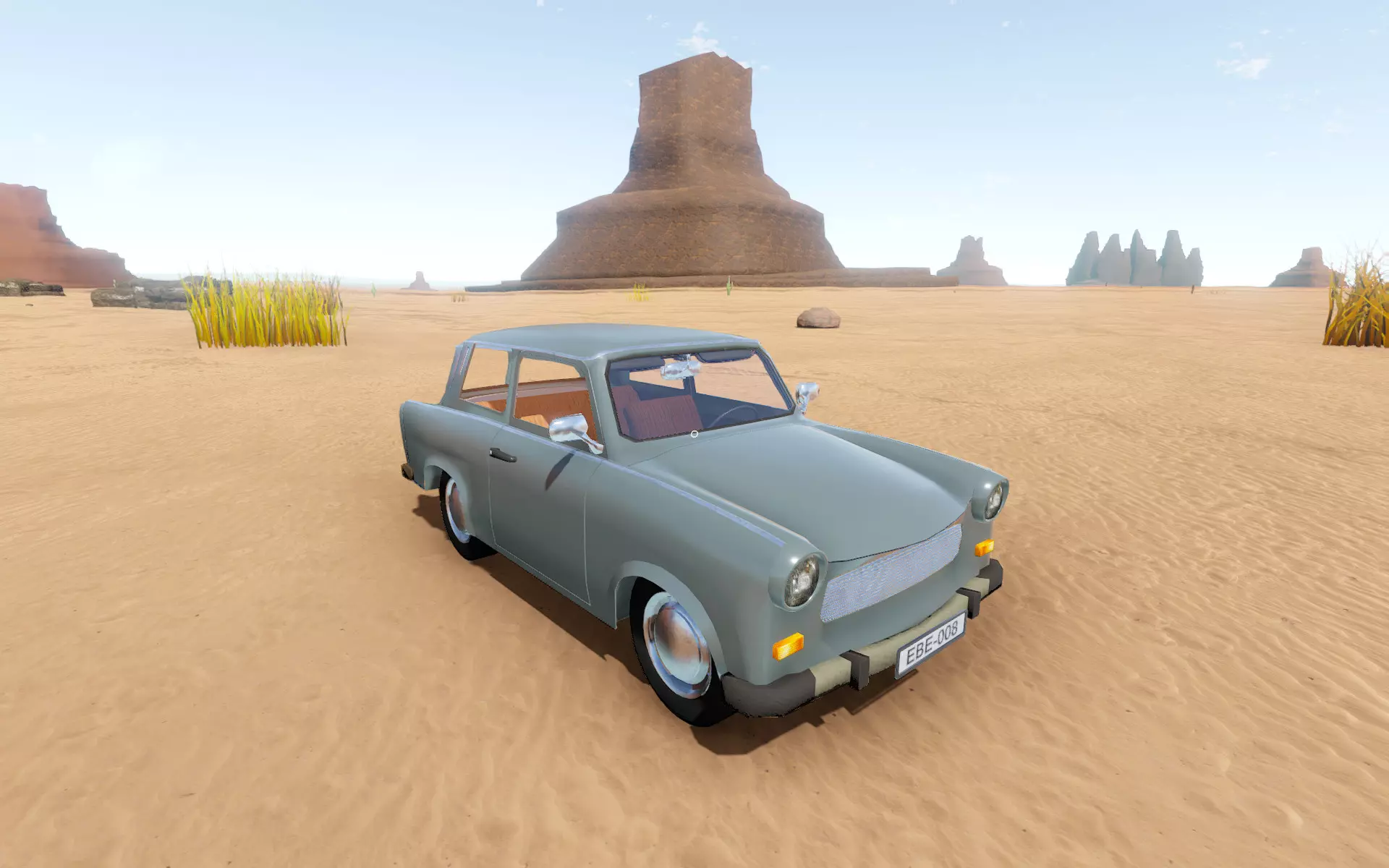
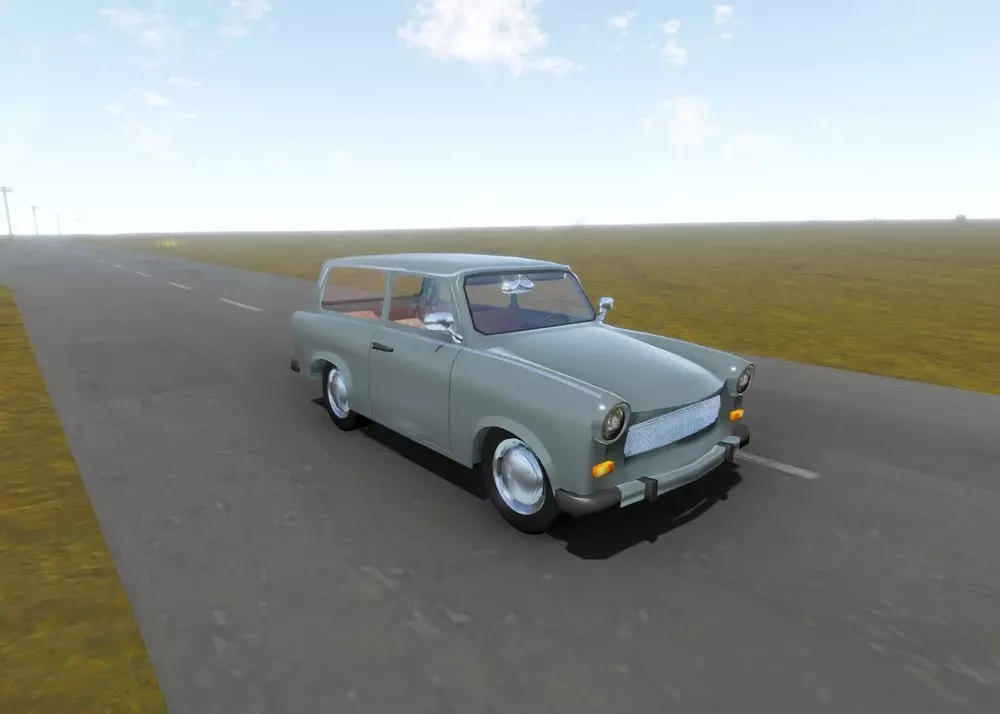
来自《漫漫长夜》潘诺尼亚爱好者的升级建议,现包含骑行技巧。 简介 我非常喜欢游戏中的潘诺尼亚摩托车,并且花了相当多的时间研究最出色、最合理的升级方案。在本指南中,你将了解到关于车轮、发动机、油箱和储物升级的多种选择,同时可能还会学到一些《漫漫长夜》的游戏机制知识。 发动机升级 潘诺尼亚摩托车默认配备的是二冲程风冷发动机。这意味着为了达到最佳性能,油箱中必须按97%汽油搭配3%机油的比例进行混合。此外,散热器不仅没有必要,也无法安装到潘诺尼亚摩托车上。由于潘诺尼亚没有安装散热器的位置,所以可能的发动机升级选项必须是风冷式的。其他引擎会迅速过热,尽管把“狂怒”引擎装到潘诺尼亚上很诱人。 这给我们留下了三个选择: 伊巴塔引擎 如果你真的没有其他引擎,甚至连原厂引擎都没有。这基本上就是直接降级,是你能装到潘诺尼亚上的最差引擎,但理论上它应该能让车动起来。 特拉班特引擎 特拉班特引擎是一款风冷二冲程引擎,比潘诺尼亚的默认引擎功率更大,但不如大众甲壳虫引擎强劲。切换到特拉班特引擎时,不需要更换燃油混合物。 大众甲壳虫引擎 大众甲壳虫引擎是一款风冷“标准”引擎。它不需要二冲程燃油混合物,但引擎本身需要机油。这款发动机比 Trabant 发动机更强劲,是 Pannonia 车型的最佳发动机升级选择。该发动机可以使用二冲程混合燃油运行,但要获得最佳性能,应更换为 100% 汽油。
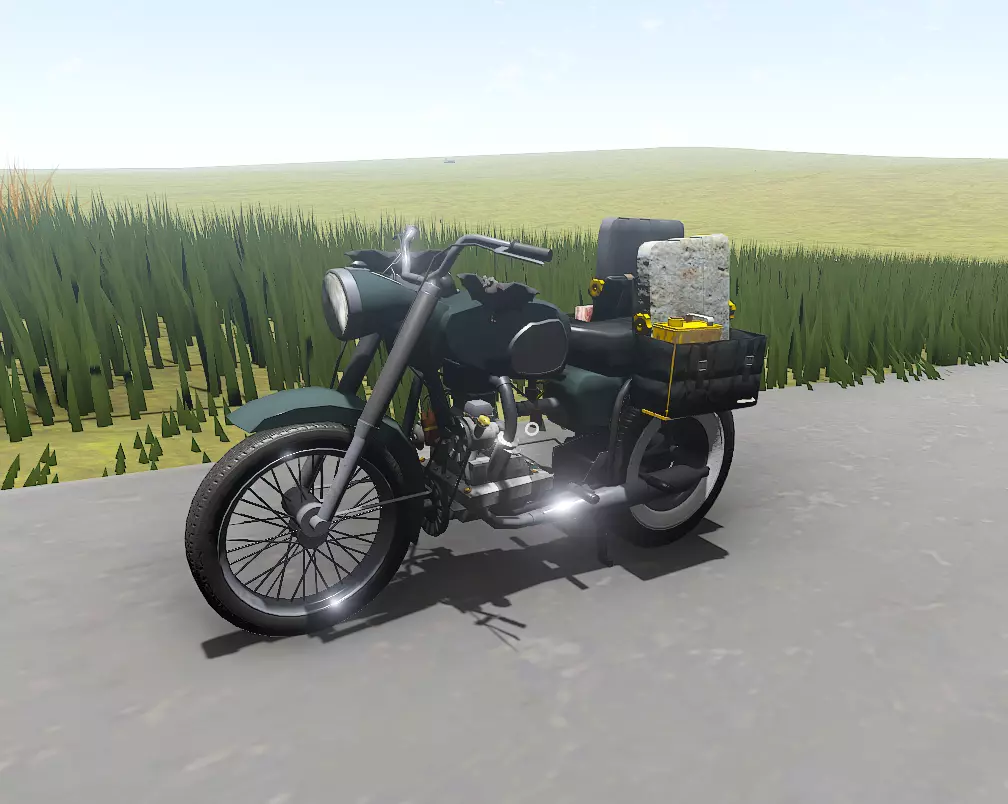
搭载大众甲壳虫发动机的帕诺尼亚。 燃油箱 一个有趣的特点(我在游戏中玩了200小时后才发现)是,带有可拆卸燃油箱的车辆不仅可以与其他燃油箱互换,还可以与不同的容器互换。 帕诺尼亚就是这样一款车辆。从玻璃瓶到80升的桶,任何东西都可以安装在它的车架上作为燃油箱,但散热器和发动机除外。 这里我就不一一列举所有物品了,建议你自己尝试,找到最喜欢的组合。
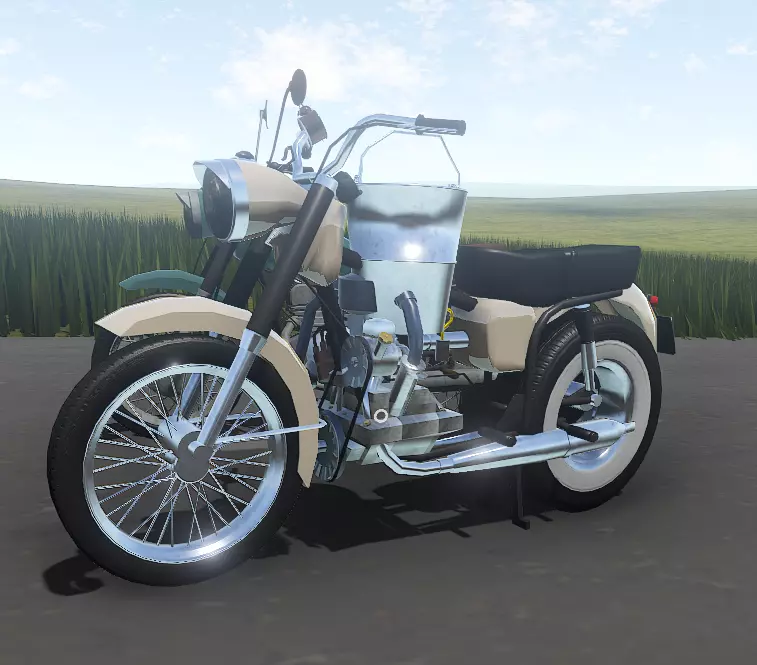
这是之前的那辆潘诺尼亚摩托车,它换了新涂装,还配备了一个非常危险的油箱。 车轮: 你可能已经注意到,本指南示例中的潘诺尼亚摩托车后胎使用的是白壁轮胎,而非标准的摩托车轮胎。潘诺尼亚可以安装任何轮胎,但对于控制其速度和扭矩而言,后胎至关重要。 一般来说,较小的车轮能提供更大的扭矩,但最高速度较低。实际上,这意味着它们爬坡会稍微容易一些,但整体速度不会太快。 相反,较大的轮胎会有更高的最高速度,但扭矩较低。 标准轮胎/摩托车轮胎: 这类轮胎爬坡时更省力,且最高速度较低。它们适用于原厂潘诺尼亚发动机,因为任何更大的轮胎都可能无法爬上陡坡。白墙轮胎 在使用升级发动机(例如大众甲壳虫发动机)时,这种轮胎能在最高速度和扭矩之间取得最佳平衡。如果想要一个不会让摩托车外观变得极其滑稽的可靠升级部件,搭配甲壳虫发动机和标准潘诺尼亚油箱使用时,这是最佳选择。 巴士轮胎 这会要了你的命。 我从未骑着装有这种轮胎和甲壳虫发动机的潘诺尼亚超过30秒,就会发生灾难性的碰撞,导致血迹和汽车零件散落到不同区域。而且它也永远无法自行直立。
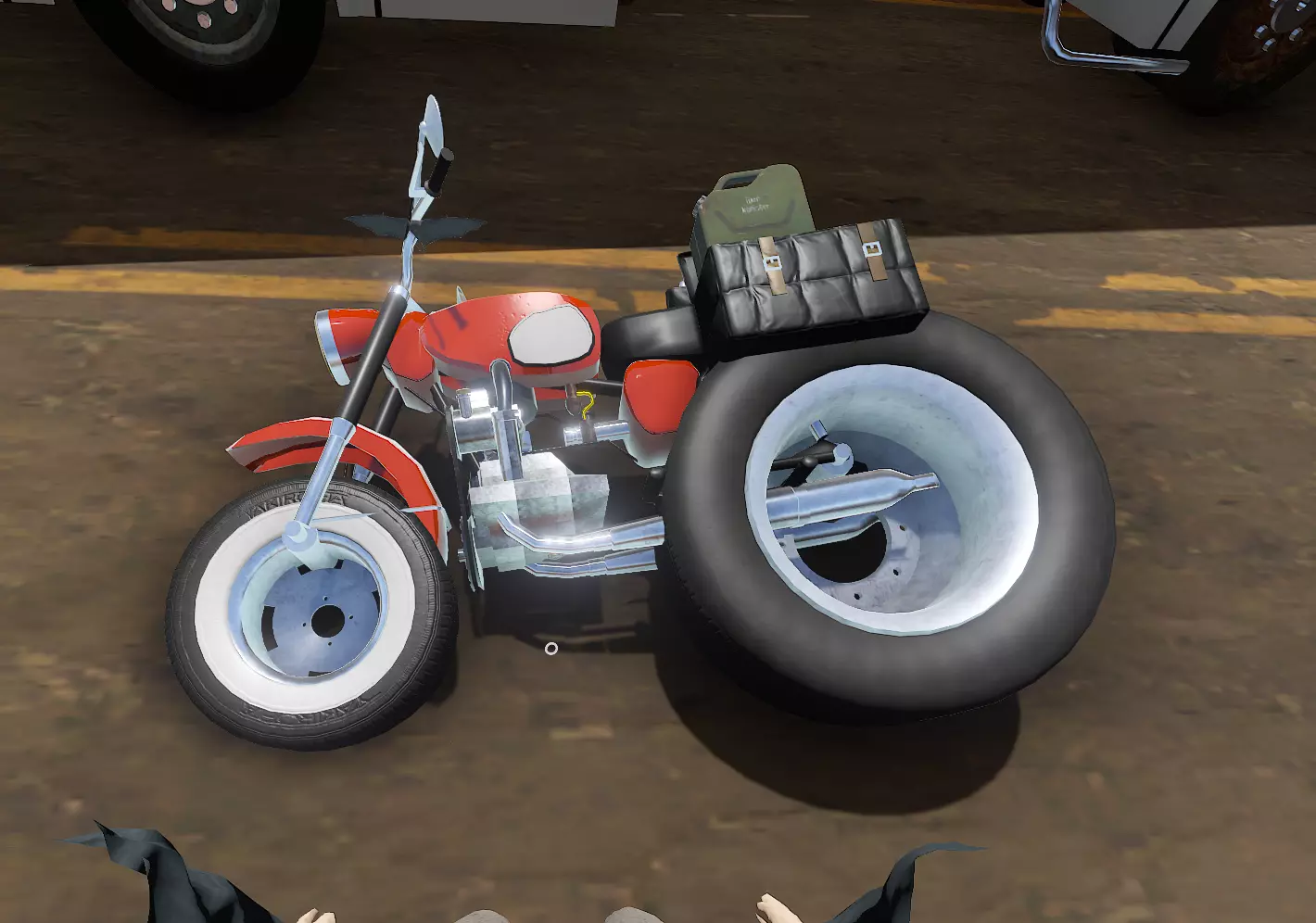
That said, it's a fun thing to try. Weight/Storage The Pannonia will become more unstable with more weight added to it. As turns are made, the bike will wobble back and forth, and in extreme cases, the bike will fall to the side altogether. Excessive weight may also cause lower speed or even engine stalling on steep hills. In addition, the limited storage space of the Pannonia (none, without saddle bags) necessitates careful planning and inventory management in order to have room for necessities while still maintaining a stable weight. Leather saddle bags, along with their contents, can also be carried in the player inventory. The weight of these items will NOT contribute to the total vehicle weight. There are two predetermined attachment points on Pannonias for either saddlebags or baskets on either side of the seat. These, however, can be attached anywhere. Plymouth Fury Radiators (Pictured in earlier screenshots, silver containers) can carry the same amount of liquid as a standard fuel can (20L) while having a slimmer profile, making them useful in carrying backup fuel in addition to other items, such as oil cans, in a single bag. Riding Tips I've decided to add a new section for general riding tips for a Pannonia. Braking Simply holding down S will eventually stop the Pannonia, but there are alternate/more effective ways to slow down and/or brake. To slow down, one option is to let go of the throttle without holding down the clutch. This can lessen the loss of control caused by braking too hard when going too fast. To stop very quickly, shift into first gear, release the clutch, and hold your brakes. This will combine both engine braking and regular braking. Once you are sufficiently slowed, you can pull the clutch again to avoid killing the engine if you wish to continue moving, as you will still be in first gear. A common use for this would be slowing at a point of interest to ride around it and inspect its contents without dismounting the bike. It is not recommended to engage the spacebar as you would with a car while the Pannonia is in motion. This places a solid object (your kickstand) down on the ground, and can easily result in a bloody crash and missing pieces if it catches on anything. High Speed Stability When traveling at high speeds downhill, you may have noticed the Pannonia has a tendency to flip around. This can result in bodily harm and/or airspace violations. One way I've found to avoid this is to lean forward (Q + Forward) and then up (Q + Shift + mouse up). Disclaimer: This is relatively inconsistent, and I questioned whether or not to include it in this guide. I'll leave it here as something for you to try. Feel free to leave a comment and tell me what you found. In any case, leaning forward can also help you avoid the glare of a fully polished bike reflecting the sun directly into your eyes. I have found that the bike should flip completely around less often and generally be more controllable, thought it may still flip depending on road conditions. Advanced Speed Here's another thing you can do that'll probably kill you. Reach top speed, then switch back to first gear and hold down the clutch until the engine sounds like it's idling. Let it go and hold W at the same time for about a second, then let go of W and hold down the clutch again. You should immediately gain a significant amount of speed, which can be maintained by coasting with the clutch held down. This can be repeated as long as you let the engine sound return to the idle sound before doing it again. This can be done in higher gears too, though the speed increase will become less drastic as you go up. This can also be helpful to avoid instability when first gear is too much. This will have the same buggy physics effects as going downhill too fast, so be ready to lose your items, blood, and brain matter. This works best on completely flat road. Other Some "upgrades" and "helpful tips" that are not listed in other parts of the guide, but are still useful to know: A compass is a useful item to attach to the handlebars of the bike. Note that it will not point North, but instead in the direction it is facing. The arrows can be set in the direction of the road should you find yourself exploring large distances. If you so desire, a clock can also be attached to the handlebars. It's not exceptionally useful, but I like having one. You can make it accurate by finding a diner and synchronizing your clock to the one in the dining area. You can swap your speedometer and your headlights around. It's an utterly useless thing to do, but you can do it. If you really just hate the idea of not moving, you can swap your fuel tank at full speed by shifting into neutral, getting rid of the old one, fitting in the new one, and shifting back into gear. My record for completing this whole process is about four seconds, but it could potentially be done in a shorter amount of time with enough practice and spare tanks. VW Beetle rearview mirrors look like a shorter version of the default mirrors. If you don't like the stock mirrors but still want mirrors, this could be helpful. More info will likely be added later. Conclusion The beauty of TLD is that you can do whatever you want. You can follow all of my advice, or none of it. I've run Pannonias built for aesthetics, Pannonias built for efficiency and speed, and Pannonias with bucket tanks and bus wheels. I've made them into pickup trucks and death machines. All in all, I've learned more about this game running a Pannonia than any other vehicle. However you build yours, a Pannonia is a good way to spice up the next few hundred kilometers of your journey. Go forth, and create your own. Let me know in the comments if you want to see more of these types of guides. This was fun to write.