
 换一换
换一换 


This guide provides an overview of how each faction differs in terms of unit and army composition as the game progresses. Empire Total War represents the transition period between the end of the Renaissance and the Napoleonic period of early modern warfare. Each faction in the game attempts to provide a depiction of some of the differing military philosophies of the time, and each of these is explored in the guide to give new players an idea of what to expect from the campaign. Introduction Empire Total War covers a period of significant transition in warfare and society, the 18th century. The events of this time directly lead to the Napoleonic conflicts which were the result of great change and the tension this brought. This guide seeks to highlight the military differences between the factions so as to give players an appreciation of how they differ. The game expresses some of the deep-rooted philosophical differences between nations' approaches to warfare through the unit roster and the progression through the game. It also touches briefly on how the research tree branches might favour one faction or another. Land Warfare At the start of the period, pike and shot tactics are just retiring, with improvements in musketry making the pike redundant in Europe. Armies are raised as required, essentially mercenaries, from the local populace and armed simply. National turmoil have turned exiles into professional mercenaries and some of the most trusted and competent forces. During the game’s period, the 18th century, advances in technology and social structure see the development of what is called “early modern warfare”, where armies become professional and sophisticated. Specialist troop types and formations appear and solidify. By the end of the period, every advance has made the battlefield a complex arena where specialised troop types need to be used precisely and countered correctly. It leads straight into the Napoleonic era of grand armies and combined arms warfare. European Nation Overview In Europe The early period covers the first two levels of government (up to Governor's’ Residence) and military buildings (to Barracks), plus available technology. Infantry will be composed of Militia, supplemented with Line Infantry from large cities which will be the deciding factor of battles. Pikemen are still useful until bayonets arrive to enable standard infantry to replace them. Cavalry starts with utilitarian Regiment of Horse and Provincial Cavalry - all round useful, but not decisive. However, technology unlocks Dragoons and Carabineers (nations get one or the other) which give an extra tactical option. Some nations obtain lancer cavalry which can be decisive in this period before advanced bayonets. In addition to their melee value, they are fast cavalry. Artillery is initially static, a defensive weapon, but some slow mobile cannons appear. Battles will be more often decided by quantity rather than quality. In the middle period, covering the next two levels of government and military buildings (representing the highest level for minor provinces), more specialised unit types are introduced. This brings more tactical variation to army composition, and national differences become more pronounced. Line infantry gain advances in firing drill and bayonet, and Grenadiers provide a superior option, both in melee and shooting, bringing some variation to the Line of Battle. Cavalry forces become more diverse and important, with the introduction of light cavalry Hussars, Light Dragoons, Heavy Cavalry and Cuirassiers. These provide more option for rapid flanking and artillery destruction than in the earlier period. Provincial cities can now produce core units allowing for bigger armies: Line Infantry, Regiment of Horse, Dragoons and Lancers. Artillery has become more diverse and mobile (some drawn by teams of horses) and can be used tactically in offensive battles. The late period is the last three levels of major province buildings, the last being nation-unique levels which only bring unique units. This period sees the culmination of “modern” warfare in the form of elite Guards (foot and mounted), Light Infantry and Riflemen. Mounted Guards are generally only available to Monarchies and many of these late troops have limited recruitment areas, generally "home" regions. The full set of troop types threaten the dominance of the line infantry on the battlefield and combat will be more dynamic and flowing as a result. Artillery is at its peak in terms of power and sees the introduction of exotic weapons like puckle guns and rockets. In the Colonies and India The colonies generally comprise anywhere that isn’t India or Europe. Generally, early period units are region specific, and then in the mid-period units transition to the factions’ European template. All factions can recruit Colonial Militia, Colonial Line Infantry and Colonial Dragoons in the early period. Austria, France, Spain and Sweden can also recruit Colonial Light Cavalry a rare melee cavalry unit in the colonies. Additionally, in America, Mounted Tribal Auxiliary, Native Warrior Auxiliary, Native Bowmen Auxiliary and Native Musketmen Auxiliary provide some opportunities for different tactics as these units are better at hiding and skirmishing. In Africa, African Native Infantry provides a cheap alternative to Colonial Line. Once the required research is acquired, all factions but France and Spain can recruit Colonial Light Infantry from the usual buildings, while France, Spain and Great Britain obtain rifle-armed Skirmishers in America that are some of the best light forces in the game. In India, Company Infantry, Company Dragoons and Company Cavalry, available to all factions, mirror standard regiments in Europe, while Sepoys fill the Militia spot. In the middle period, Great Britain gets the unique East India Company Lancers, while France, Great Britain and the United Provinces can recruit Native Indian Cavalry lancers. Austria
奥地利的线列步兵单位规模更大,但性能逊于常规单位。他们拥有从匈牙利招募的精锐掷弹兵。轻步兵是其优势所在,可从早期建筑招募猎兵,从克罗地亚招募双管猎兵,以及使用沉默的风笛猎兵而非步枪兵。总体而言,该派系在轻步兵方面具有优势。 他们无法招募胸甲骑兵团,而是用卡宾枪骑兵替代龙骑兵。其乌兰骑兵是精锐枪骑兵,唯一的骠骑兵来自匈牙利,但优于平均水平。胸甲骑兵是他们的标准重骑兵单位。总体而言,该派系在轻骑兵部队方面具有优势。 法国
法国的线列步兵在近战属性上具有优势且无任何惩罚。他们可以通过外籍军团较早获得线列步兵,还拥有来自阿尔萨斯和法国本土的独特精锐单位。轻步兵方面,法国可以比常规情况更早招募猎兵。近卫军是法国的强项,拥有4个独特单位,且比其他任何派系都能更早招募。总体而言,法国拥有强大的线列步兵和精锐步兵单位。 该派系无法招募龙骑兵、胸甲骑兵团或骠骑兵。取而代之的是,他们依赖卡宾枪骑兵和骑马猎兵——这些轻骑兵可以在马上射击,并且能较早招募。法国招募胸甲骑兵作为重骑兵。最后,法国是唯一拥有独特近卫军炮兵的欧洲派系,其炮兵拥有更强的火力。总体而言,他们的骑兵多样性较低,但轻装部队用途广泛。 大不列颠
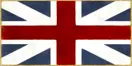
英国线列步兵的装填速度更快,防御能力也优于普通步兵,但招募成本更高。此外,他们拥有独特的线列单位——第33步兵团。除普通掷弹兵单位外,他们还可招募两个独特的掷弹兵单位。他们拥有可提前招募的独特轻步兵以及独特的步枪单位。总体而言,英国的步兵体系较为标准,少数独特单位不会改变整体战术。 该派系无法招募枪骑兵或骠骑兵。他们拥有独特的龙骑兵单位和独特的近卫军单位。他们招募的是重骑兵而非胸甲骑兵。总体而言,骑兵并非该派系的优势兵种。 波兰-立陶宛
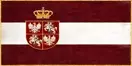
在步兵方面,波兰立陶宛与常规派系的唯一区别在于新增了独特的【近卫掷弹兵】。该派系的军事重点并不在此。 骑兵是该派系的强项,除了常规单位外,还有地区性的弓骑兵、鞑靼骑兵和卡尔梅克骑兵作为补充。他们招募的是龙骑兵而非卡宾枪骑兵,并且翼骑兵取代了其他重骑兵选项,是游戏中最优秀的骑兵单位。 普鲁士
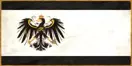
普鲁士的线列步兵可以说是游戏中最出色的,在射击和近战方面都很强。除了标准的轻步兵部队外,他们还能招募精锐的普鲁士猎兵和超大规模的非正规自由军团。普鲁士是仅有的两个可以招募高级线列步兵的派系之一,这种步兵介于常规步兵和精英步兵之间,能在中期提供优势。普鲁士是这一时期领先的步兵国家,拥有强大的正统风格部队。 在骑兵方面,普鲁士唯一的特色是后期的独特枪骑兵和骠骑兵。他们还能招募龙骑兵和胸甲骑兵。总体而言,骑兵对该派系既非优势也非劣势,他们拥有所有可用的骑兵单位类型。 俄罗斯
俄罗斯是欧洲国家中的特例,许多早期单位都是派系专属。他们没有长枪兵和民兵,而是拥有可从大小省份招募的高级民兵单位,这使他们在早期具有优势。他们的线列步兵射击能力不如普通线列步兵,但近战能力出色。他们拥有独特的手炮单位来补充标准掷弹兵,并且是唯一能在欧洲招募散兵的派系。他们的近卫军单位拥有非凡的近战数据。总体而言,俄罗斯的步兵具有强烈的近战倾向,并配备有优秀的支援单位。 他们的骑兵是一大优势,可招募区域性的弓骑兵和高级民兵骑兵,以替代 provincial cavalry。他们选择龙骑兵,但没有枪骑兵,而是可以招募独特的轻骑兵哥萨克和更高级的哥萨克阿塔曼骑兵,此外还有骠骑兵。重骑兵方面,他们拥有胸甲骑兵,除了标准的近卫骑兵外,还有一个独特单位。俄罗斯的骑兵种类多样,但有强大的轻骑兵选项来支援近战为主的步兵。西班牙
西班牙可招募标准线列步兵,并能通过爱尔兰旅获得早期线列部队。该派系可较早获得轻装部队:无需研发即可拥有两支非正规部队,能施展轻步兵战术(代价是无法获得标准轻步兵)。此外,作为步枪兵替代单位的猎兵,其招募所需的省份开发程度甚至低于标准轻步兵。西班牙拥有独特的近卫军单位。总体而言,由于部队无需研发轻步兵科技,西班牙在游戏早期的非正规/轻步兵战术方面具有显著优势。 西班牙的骑兵阵容存在一些缺口,没有骠骑兵和枪骑兵。他们以卡宾枪骑兵替代龙骑兵,并以胸甲骑兵作为重骑兵。该派系的骑兵存在战术局限,缺乏强大的轻骑兵部队,但在其他方面拥有不错的选择。瑞典
瑞典的步兵符合标准,新增的【精锐线列步兵】介于线列步兵与近卫军之间,提供中期优势。骑兵是瑞典的优势所在,拥有加强版的【骑马团】【龙骑兵】【轻龙骑兵】和【重骑兵】,可组成令人印象深刻的阵型。瑞典没有枪骑兵,取而代之的是来自芬兰的精锐轻骑兵单位(替代骠骑兵),并且能比其他势力更早招募重骑兵。该派系有望在中期主导骑兵战斗。 联合省

该派系拥有标准线列步兵,但在中期可获得两个更优秀的独特线列单位,一个侧重近战,另一个侧重射击。他们拥有一个独特的近卫军单位。步兵既非该派系的优势,也非劣势。 在骑兵方面,联合省可招募龙骑兵,但没有枪骑兵或重骑兵。他们拥有一个独特的近卫军单位。骑兵是该派系的弱点。 美国
美国只能通过始于1783年的【独立之路】战役来选择,因此科技发展的适用性较低。作为美洲势力,该派系没有殖民单位,而是可以招募该地区的常规单位。 该派系的军事优势在于步兵。他们的【 minutemen】是精锐民兵,【美国军团】是精锐轻步兵,并且拥有多种独特的线列、轻装和精英单位。特别的是,他们有一个可从海军建筑招募的精英单位——【美国海军陆战队】。该派系没有步枪兵,而是拥有装备步枪的非正规部队【长步枪兵】。该派系的骑兵是其弱点,没有常规龙骑兵(或卡宾枪骑兵)、枪骑兵、骠骑兵以及重骑兵/胸甲骑兵。仅剩下省骑兵、骑马团、轻龙骑兵和王室骑兵。其中轻龙骑兵拥有两个独特单位。 非欧洲国家概述 有两个非欧洲国家,分别是奥斯曼帝国和马拉塔联盟。奥斯曼帝国是一个老牌强国,过去的辉煌使其在军事上变得自满。在这一时期,为避免被欧洲其他国家甩在身后,它进行了关键改革,发展欧式单位。其军队初期由混杂的部队组成,随着时间推移,逐渐发展出能与对手抗衡的职业化军队。马拉塔人专注于传统战斗方式,包括强大的近战部队和骑兵,在整个时期几乎没有技术进步。奥斯曼帝国

总体而言,奥斯曼帝国开局在科技上较为落后,但拥有广阔的领土。历史上,他们曾有强大的官僚体系,却因固守传统而阻碍了创新。在这一时期,他们必须迅速适应,否则就会被野心勃勃的欧洲国家所征服。游戏中,奥斯曼会经历军事改革,从文艺复兴时期的战斗风格过渡到现代化作战方式。他们通常在早期拥有超越欧洲国家的骑兵和炮兵优势。 在游戏初期,奥斯曼的步兵由近战部队、民兵和非正规部队混合组成。他们的初始线列单位【Isarelys】虽不及欧洲同类单位,但在这一时期也并非完全处于劣势。他们还能得益于当地优秀的散兵,如库尔德和阿富汗山地兵,这些部队能提供不错的轻步兵战术。骑兵部队较为轻装,由配备卡宾枪的德利士、骆驼枪手、鞑靼骑兵和骆驼游牧民混编而成。炮兵部队虽为固定部署,但火力强大,其中风琴炮是霰弹炮的前身,尤其擅长防御作战。 中期阶段,装备滑膛枪、手榴弹和手掷迫击炮的耶尼切里军团登场。这些精锐部队虽未掌握方阵或排射等线列战术,但其属性却超越欧洲线列步兵。此时的军队将以耶尼切里军团为核心,辅以民兵和非正规部队。龙骑兵和精锐轻骑兵也开始出现,此外还有24磅炮和榴弹炮,其威力均超过同期欧洲的同类火炮。后期阶段,尼扎姆-伊-杰迪特部队中引入了欧式风格步兵:步兵、轻步兵和龙骑兵。随着这些部队采用射击训练以提升战斗力,他们将取代耶尼切里。此时会出现数支重骑兵部队,为该派系提供全面的战术选择。该派系没有获得与近卫步兵相当的单位,但会招募64磅重炮。 马拉塔联盟

The Maratha Confederacy is a faction that fights in a very different style to the European factions. They have very little technological progression in their infantry and they do not obtain firing drills or elite guards. However, they have a strong melee focus, have strong cavalry, artillery and elephants. Most of their infantry is available in the early period with the only later development being cavalry and artillery. They can recruit reasonable line, melee and militia units from the first level, and obtain better line and melee troops from the Sikh region. Cavalry options in this period include carbine horsemen, lancers, camel melee and camel gunners. In the middle period, they can recruit better lancers and decent light cavalry, while minor provinces get access to all infantry types in addition to two unique cavalry units, Barawardi (Light) and Rajput Zamindar (Heavy). Finally, in the later period, they can recruit heavy Sipahi cavalry, elephants, rockets and other large artillery. Cavalry is a strength of this faction. Naval Warfare The representation of navies in the game is that of the existing dominance of traditional naval powers, the Dutch and Spanish, with progression through the game representing technological advancements that level the playing field. Historically, naval progression was subtle in the 18th century and 100-gun ships existed in the 1600s. Navies perform a variety of roles: combat against enemy fleets, transporting troops, blockading ports and trading. The need to defeat other fleets leads to ships of the line in battlefleets, while transport and blockades can be fulfilled by cheaper auxiliary ships. The trade dynamic creates a need for defence and the opportunity for fleets to generate money through prizes. EarlyAt the start of the period, warships are small, fast and light, which leads to quite dynamic battles. A line of battle is not really necessary as fleets are typically small and vessels do not take a lot of pounding. Brigs and Sloops serve general purpose duties and fill most fleets, with the 6th rate frigate adding some backbone. In this environment, Spain, Portugal, the Pirates and the United Provinces have a clear advantage with Galleons, Fluyts and Race-built Galleons which outclass anything anyone else can produce. In the Mediterranean and the Baltic, Light Galleys are cheap utility vessels. MiddleThe next level of progression sees the arrival of the first widely available ship of the line in the 4th rate as well as the powerful 5th rate frigates. 4th rates allow for the formation of heavy fleets for home port defence and 5th rates are fast enough and powerful enough to take on the pirates and all trade ships - classic frigate roles. Galleys become available for ports in relevant regions. LateBeyond the second level of ports, technology development plays a larger part in naval recruitment. Straightforward recruitment of 3rd and 2nd rate ships of the line is available, and historically these were the most numerously built warships. The 3rd rate was a perfect balance between handling and firepower, a significant improvement on the 4th rates making them redundant. 2nd rates are the first three-deck ships recruitable and can be used to add some toughness to the battleline. For the Ottomans, the Xebec gives them a tougher utility ship to use in the Mediterranean. Technology unlocks the Carronade frigate, a 6th rate like hull with a firepower greater than the 5th rate with a range shorter than a 4th rate - a high risk, high reward frigate with niche use. Bomb Ketches recruited from lesser ports are also unlocked by later technology, an artillery ship that ensures that battle fleets contain some lighter ships. AdvancedThe final level of recruitment is unlocked by steam drydocks which require a lot of technological progression and can be considered an optional progression. These allow the recruitment of niche vessels that historically arrived very late or into the next century: 1st rates, Heavy 1st rates, Razees and Steamships. The first two are very large and very expensive warships that you will rarely need more than one of (historically only a handful of ships this large were ever built). Razees are top line frigates, dethroning 5th rates. Steamships are curios: windfree vessels with very heavy, short range firepower that can fill the role of frigates but will rarely be cost efficient. Late technology also unlocks Rocketships which are recruitable from a previous level of port. These are an improvement over Bomb Ketches but function in a similar manner. National VariationsFrench ships often have better accuracy than the norm, are faster and sometimes have less morale for an increase in cost. They are the only European nation that cannot recruit Razees. British ships have better reload rates, hull strength and morale than the norm for minimal extra cost. They can recruit the unique Heavy 1st rate HMS Victory. Some Russian ships have slight changes to the norm, either increased or decreased cost or lowered morale without clear pattern. They cannot recruit standard 1st rates. Spain can recruit Galleons from every port type giving them an early ship of the line, and generally have slightly reduced recruitment and upkeep costs to all their ships. The United Provinces can recruit Fluyts from every port type giving them an early ship of the line. The Maratha Confederacy cannot recruit Galleys, Razees, Rocketships, Heavy 1st rates or Steamships. The Ottoman Empire miss out on 6th rates, Razees, Heavy 1st rates and Steamships, but get access to the Xebec. Research The research paths available are organised around strategic elements that mean each faction can benefit from one focus or another. MilitaryThe primary path involves the progression of infantry and cavalry units through the unlocking of recruitment buildings which are closely linked. Secondary paths unlock cavalry and infantry formations and drills to improve the performance of units. The primary path is important for most powers but the full tree will be important for major land powers in Europe like France, Prussia, Austria, Sweden and Russia. OrdnanceThis set of research unlocks better recruitment buildings and shot types. The first three are essential to unlock all artillery types but the last three levels of artillery building have no research requirements from this tree and therefore later artillery can be built without them. All nations can benefit from the early parts of this tree, the latter parts depend more on the level of usage of advanced shot types. NavalThere are many paths through this area which provide many enhancements to naval forces. Of note is the fact that the technologies required for a Naval Hospital - one of the two top level military docks - are unlocked by the second level Admiralty building, Naval Council. The Steam Drydock - the other top level military dock - actually requires the Metal Industry technology Steam Engine. The last level of Admiralty building therefore only unlocks technologies that improve the performance of naval forces and could be considered optional. Nations with overseas possessions will need to focus on this area, such as Great Britain, France, Spain and United Provinces. AgricultureThis research path unlocks more advanced farms and wineries, which increase income and population growth. These will be of benefit to large agricultural factions within Europe like France, Russia, Spain and Great Britain. Metal IndustryThe metal industry research is important to most factions as it unlocks both mining and metal industry buildings which are some of the best income sources. It also contains the Steam Engine research which enables the largest naval docks - so it is valuable to naval factions late in the game. Textile IndustryTextile towns are more numerous than metal ones and this research chain facilitates this income source for all factions. PhilosophyThere are two main streams through this research path with different impacts. The first could be called Social Reforms which increases research, improves wealth at the cost of Clamour for reform. All factions should consider these, although especially Republics or Constitutional Monarchies as they do not suffer as much reform penalties. The second stream can be called Economic Reform and enable the construction of trade docks and resource plantations. This is primarily useful to factions with overseas possessions like Great Britain, France, Spain and the United Provinces. Units and Government Types There are three government types in the game and they have an impact on the types of units a faction can field. Other than two units (Republican Guard and Conscript Infantry), all units are available to Absolute Monarchies so this is a basis for the effect of changing Government to other types. When a unit cannot exist under a government type, it is disbanded when the change happens. Primarily, elite horse and unique elite infantry units do not exist under Republics. Under Constitutional MonarchyExist but cannot Replenish Cossack Cavalry (Russia) Cossack Ataman Cavalry (Russia) Cossack Infantry (Russia) Mamelukes (Ottoman) Tatars (Ottoman) Under RepublicCannot exist and is disbanded Garde a Cheval (Russia) Garde du Corp (United Provinces) Garde du Corps (France, Prussia) Guardias de Crop (Spain) Horse Guards (Great Britain, United Provinces) Life Guards of Horse (Sweden) Life Guards (Great Britain) Household Cavalry (Austria, Poland-Lithuania, Russia) Mamelukes (Ottoman) Tatars (Ottoman) Swiss Guard (France) Walloon Guards (Spain) Siemenovski Foot Guards (Russia) Exist but cannot Replenish Cossack Cavalry (Russia) Cossack Ataman Cavalry (Russia) Cossack Infantry (Russia) Winged Hussars (Poland-Lithuania) Gorodskiye Streltsy (Russia) Viborniye Streltsy (Russia) Converted to Republican Guard Guards (Austria, Great Britain, Poland-Lithuania, Russia) Maison du Roi (France) Life Guard (Prussia) Guardias de Infanteria (Spain) Life Guards of Foot (Sweden) Further Information For detailed information of how to use units in Empire Total War see the Guide to Unit Types.