
 换一换
换一换 




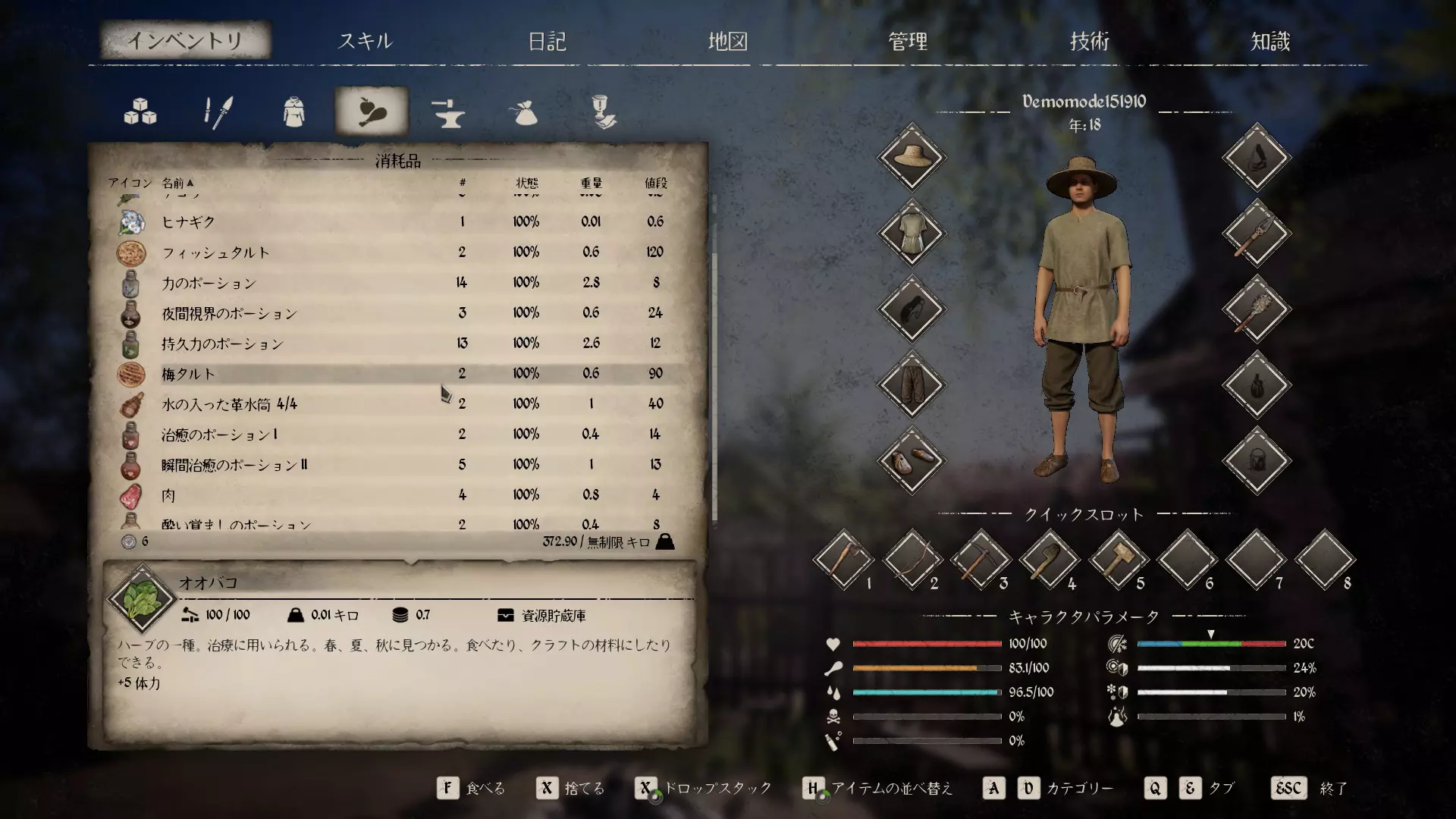
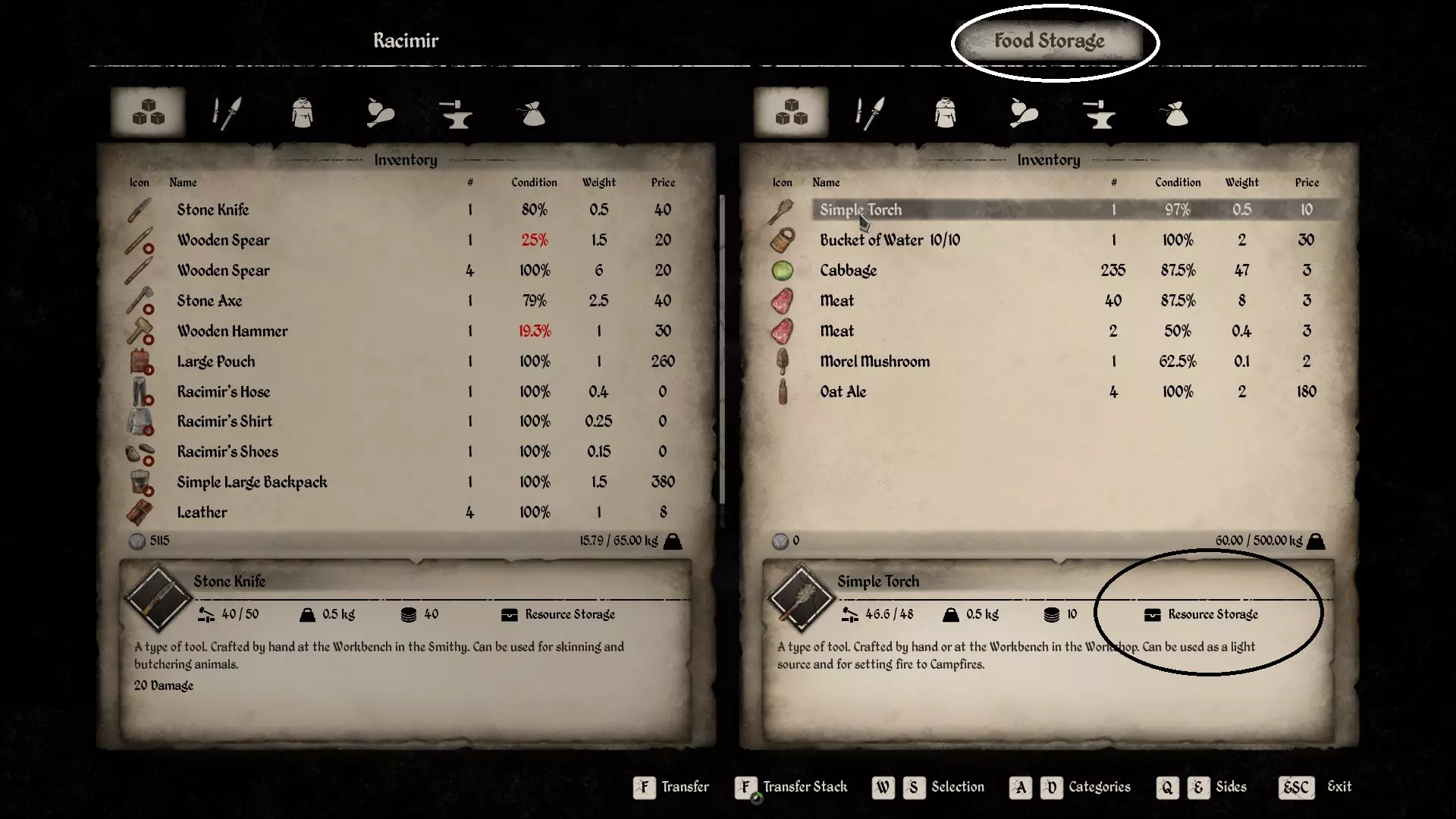
1.0版本更新内容。早期游戏进度指南,为你村庄的最初几年(建议1-4年)提供目标和建造顺序建议。 简介 本指南侧重于目标和进度目标。 如何以高效且繁荣的方式建立小型村庄,为成功奠定基础? 如何确保有足够的金币收入来支付早期税收和必要的购买(例如种子)? 如何确保在需要时已解锁建造所需的技术(铁匠铺、鸡舍等)? 这是我在最近的村庄中解决所有这些问题的方法。已更新至1.0版本,但变化不大。本指南所涉及的游戏版本相较旧版本的主要改动如下: 1. 物品出售的金币价值调整(例如,浆果不再能带来大量早期游戏收益,现在我们将其用作肥料)。 2. 无法再偷窃农作物(但仍然可以偷窃工具!)。 3. 基本上所有村庄工人都需要工具,包括农民。不过,部分采集活动不需要工具。 本指南已考虑到所有这些改动,因此不再像以前那样建议过早建造谷仓或雇佣农民。本指南的重点是早期游戏目标,确保你有足够的金币支付税款和进行必要的早期购买,并提供关于如何分配时间的建议。有任何进一步改进的建议,请在下方评论区留言! 通用提示 1. 双击左Shift键可自动向前移动。启用后,按住Shift键即可奔跑。不客气。你也可以在开始游戏前,将移动方式设置为“切换”而非“按住”。 2. 尽快从裁缝村的商人(例如戈斯托维亚河对岸的商人)处购买大背包和(最大的)钱袋,只要你有能力负担。我是在缴纳第一年税款后购买的。虽然当时看起来要花很多钱,但增加的负重能力非常重要。 3. 尽可能为村民完成许多“简单”任务,例如砍树、提供斧头和锤子等可制作物品、用你的水袋给村民喝水、猎兔等。避免那些耗时的任务,比如夜间猎狼。但也不必刻意去做任务,只要每个季节至少完成一两个,就能获得足够的王朝点数。 夜间进行制作。一旦解锁了生产建筑(工坊、厨房等),就高效利用夜间时间大量制作物品。比如木勺、浓汤、木柴等。村民通常只在白天与你交谈以接受任务和交易,但你可以在任何时间进行制作。 可选:夜间偷窃。你仍然可以从村庄偷取物品,但不能偷农作物。早期游戏中可以获得一些不错的铁质工具,比如从戈斯托维亚获得的铁刀和铁锄头,还有很多袋子等。这些物品在季节更替后会重新刷新。注意不要被人发现。要悄悄行动。当然,这完全是可选的。 每次前往城镇时,带上一批手工制品去售卖吧!你会经常前往哥斯托维亚。 在每个季节结束时,你的角色会被传送回家,并且生命值会回满。在游戏初期食物匮乏时(或者为了传送功能),你可以利用这一点。注意,在同一季节的不同天数之间不会触发此效果。如果你计划进行长途跋涉,这一点很重要。 村民的技能也会提升,所以要让他们专注于某类活动。尽量只雇佣在你需要的能力上达到3级的村民(也可以考虑雇佣具备其他能力的村民以增加灵活性)。工匠和农民很适合从事不同的工作。 不确定某个物品应该存放在哪里?游戏实际上会给出提示。在下面的截图中,你可以看到这是【食物储存箱】的物品栏,但火把道具的描述却显示为【资源储存箱】。它不应该出现在这个箱子里!
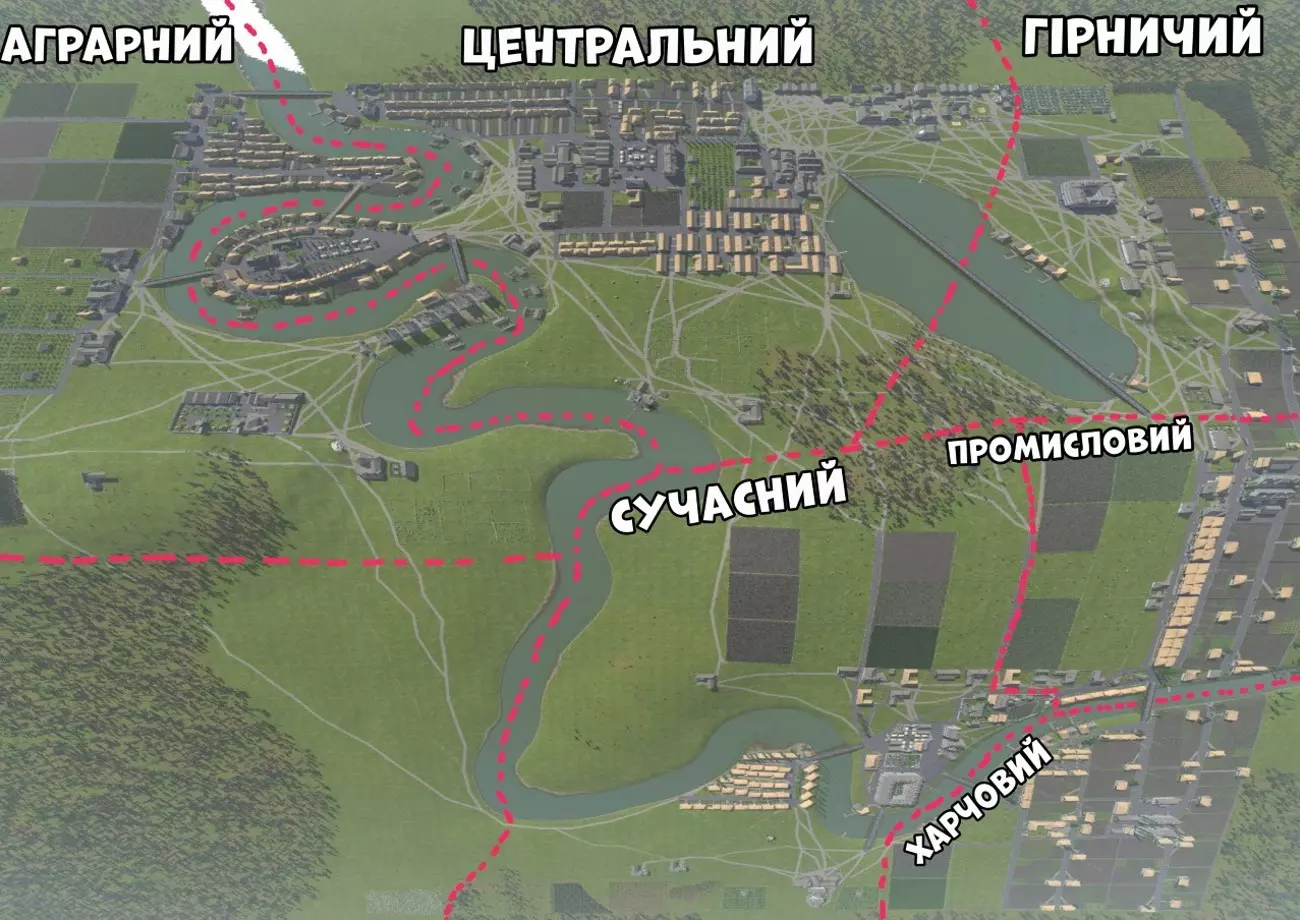
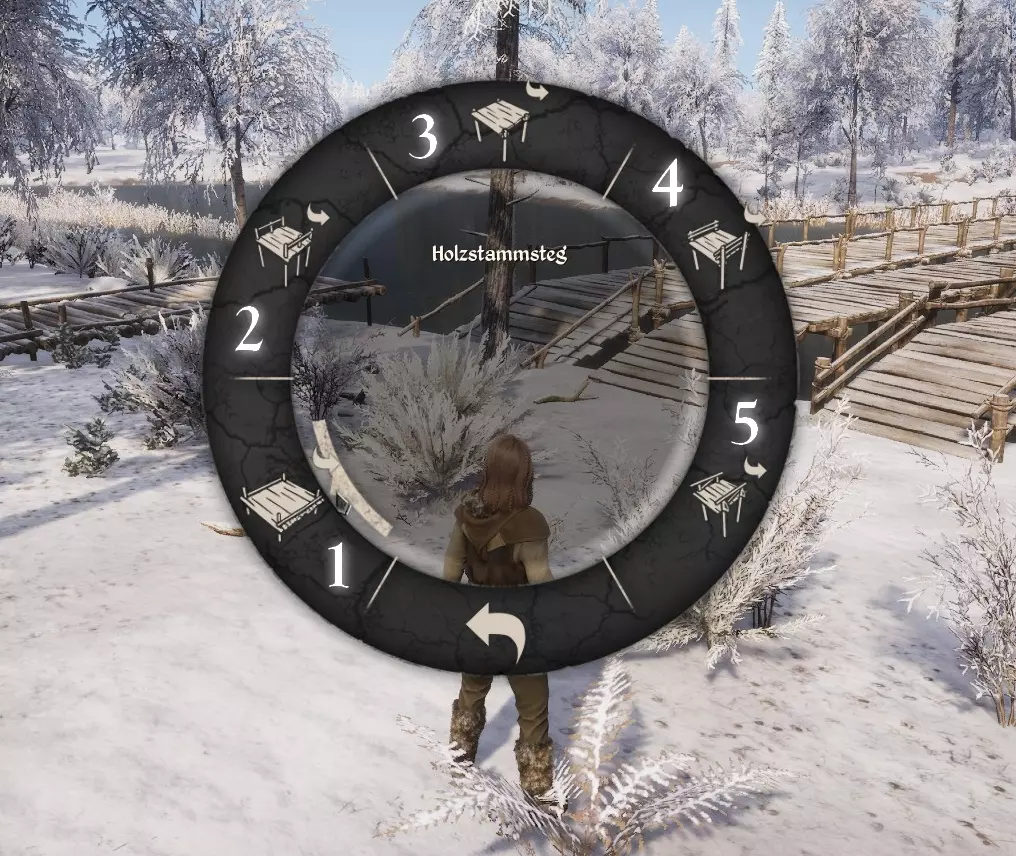
Before Building Find That Sweet Spot For Your Settlementhttps://steamcommunity.com/sharedfiles/filedetails/?id=2475584589 I happened to settle at spot #16 on the Heat Map Village Location (first picture) on the above guide (Between that and Spot #2 in the second community heat map). [Optional] Day 1 Buried Treasure HuntTotally optional, but I followed this guide to find some very easy buried treasure (4,000 coin, 2,000 coin, and more!). The buried treasure and/or broken carts are random, but in my game I entered Gostovia (afternoon of Day 1) and after selling I had just over 10k coin. Still able to start all the quests on Day 1, just built my first home Night 1. However, it seems these treasure values have been nerfed already, and only provide 'hundreds' versus 'thousands' of coin. Up to you if you want to spend the time for that, but hey, it's something. https://youtu.be/JyydVcTuFoE And for reference, more of the Buried Treasure Locations: https://steamcommunity.com/sharedfiles/filedetails/?id=2475729803 Phase One (Year 1) Goals. Try to reach by the end of year 1. Small Farm. From Hermitage to Small Farm, by the end of year 1 summer you want a basic cabbage farm up and running. By end of the year you want basic forager villagers to help gather. New Buildings: Resource Storage 1, Food Storage 1, 2x Houses, 1x Well, 1x Hunting Lodge 1, 1x Woodshed 1 Population: You + 2 villagers (3 total) Build Order & Progression1 - House #1 (Home Sweet Home)First mission. Build your first house out of at least wood, not sticks/wattle. Make a few walls of stone if you have collected enough. Straw roof is your only choice for now. Note: To do this, after placing the House foundation, you can point at each individual wall section and press 'E' to bring up the wheel to modify the material. Or change the wall section, i.e. from a doorway, to a window, to a regular wall, etc.The better materials not only increase villager happiness, they also increase the insulation, reducing how much wood that house needs to burn for heat - this helps a ton during winter. Pickup lots of sticks and stone. Will craft stone knives, and stone axes for coin super early game, before any buildings. And continue during early game when these can be automated. This is important to afford fertilizer and cabbage seeds for our year 1 farm. Should only have to make one reed trip for straw as it's lightweight. Reeds are found clumped in specific areas along the major bodies of water. Also do the second mission to place a trap and do basic hunting for food. Even with our year 1 farm, you should still do a fair amount of hunting in year 1 and 2. Start with rabbits and boars using those wooden spears. Once you can craft a bow, purchase your first linen thread so you can do so (after building the Hunting Lodge 1). It's that important. 2 - Resource Storage 1After you do some basic missions for villagers and flirt with one female NPC (the third main mission), your next main mission (#4, into the wilderness) will be to build a Hunting Lodge, or you might want a Woodshed. Wait on those. Always build storage first, so there is a place to put things (and for NPCs to store/obtain items and tools). 2.5 Field (Vegetable) - Unlock Food Storage & Barn You are going to need an early source of food quickly, and so we want to get a basic farm up by the end of summer (or spring really) for cabbage. Thus, lay and plow and 5x10 field (can be smaller fields), that will get you up to 10 farming technology, unlocking both food storage 1 and barn 1. You could only do half of that and get the food storage only, but it's quick and easy and we'll build a barn soon enough. So, you may as well.Fertilizer and Berries. For the first year you have to buy fertilizer for your small field (cabbage seed first as you can plant in spring and summer, Alwin will give you 20x onion seed relatively quickly in his quest line - likely for year 2 spring). This is the only year. Starting in spring and summer every year, you should collect berries. Leave them somewhere on the ground outside to rot between seasons. After they turn into rot, you can craft ten into one fertilizer in the barn - once we build it.As soon as you can, fertilize, hoe, and sow your field with cabbage. Ideally, by the end of the first Spring. This way, you can harvest and plant again in Summer, to harvest in Autumn. Cabbage is the only one you can plant in this way, making it ideal for low cost farming. 3 - Food Storage 1Saw this coming, right? Not only is this more storage, but it keeps food fresh the longest (over other building chests, and then your inventory last). You might think Barn first, and while you could there are more important basics we need to set up first, and you can farm yourself by buying a small amount of fertilizer with your early game income sources (stone tools and feathers and wood spoons, read on). This also helps quickly increase farming skill, which is harder to raise. Regardless, a barn will be put down soon. 4 - House #2Before moving on, it would be best to build at least a second house for your first two villagers - a male and female. A spouse cannot move in with you right away. However, if your first/second villager is your intended spouse, you can quickly get married and move her into your house. Opening up the space in this second house. Although, that has to happen before those two villagers become a family, which won't happen for at least a year I think.Remember, never make a house out of wattle/sticks. At least wood logs, but mix in some stone walls if you can manage (and like the look). Straw roof is the best option until we have a woodshed for the wood plank roof. 5 - WellNew to 1.0, your villagers actually need water too! Thus, before you hire any of your first workers, you should build a well. It's cheap and easy, but requires 50 farming technology. I unlocked that on Day 1 of Summer 1 after harvesting my crop of cabbage (from Spring) and planting a new crop. 6 - Hunting Lodge 1And with this built, you can hire your first villager, which should have a 3 in hunting, whom you assign to the lodge. I wouldn't expect this any sooner than Summer of Year 1. Assign them to gather feathers only, for selling for coins. Gathering feathers importantly doesn't require any tools, which you would have to provide yourself right now. Between your missions and casual hunting as you roam doing other tasks, you will bring in enough meat yourself for your first few villagers, for now (you also need the hunting skill). Remember to buy a linen thread, so you can now craft a regular bow and stone arrows. Really, its that important. The cost of the schemes is relatively small. Then, you should be hunting small game (rabbit, boar, deer) with wooden spears and that initial bow & stone arrows. Keep gathering logs, sticks, and especially stone. As much as you can, all the time for survival skills.Building the Hunting Lodge will complete main mission #4. 7 - Woodshed 1After building a woodshed you can get your second villager (opposite gender of the first you hired so they can both share the second house), which I would assign to the woodshed. Thus, look for a second villager with a 3 in excavation of the opposing gender from your first villager. I would set them to gather only sticks for now, as you will use them to make spoons for money, and level crafting skill. As you guessed, gathering sticks doesn't require any tools. Soon, you will have them collect logs to help you build buildings, but you’ll need to provide a steady supply of axes and for that you’ll want a smithy first (okay I lie, I will eventually hand make axes before using a Smithy, but for now you are the lumberjack, as you need early game income for taxes/fertilizer/seeds). It feels like the lumberjack with a 3 excavation, goes through about 2 stone axes per day. Winter Prep If you can afford it, also purchase some cold weather clothing in anticipation of the winter days. A fur hood / boots will suffice. The alternative is running around with torches to keep yourself warm. Take a little time and chop some firewood and put that in your resource storage. It lasts much longer than having your villagers burn the sticks your lumberjack is gathering... I do not advise planting carrot during your first winter. You likely won't be able to have much fertilizer, and you want to plant grain in addition to vegetables next spring. Further, the carrot planted in winter will take till summer. Phase Two (Year 2) Goals. Try to reach by the end of year 2. Automated tool making with a Smithy! New Buildings: Workshop 1, 2x House, Barn 1, Kitchen 1, Herbalist Hut 1, Excavation Shed 1, Smithy 1 Population: You + 5 villagers (6 total) Build Order & Progression8 - Workshop 1At this point I would make a workshop, and not staff it yet with a villager. Generally, you do not want to do that; however, this unlocks some recipes you want early on. The main one will be spending 50 coins to unlock wooden spoons. This should be easy from selling feathers, stone knives, and stone axes. Keep gathering sticks and stones! You will also want to unlock the bucket, now that villagers need water. You can fill them yourself from the Well for now. Soon, you will want to unlock wooden bowls, but not quite yet. Don't waste coins on any schemes/recipes just because, only if you need and can craft the item. Usually for profit, or as the items are required for something else you need to survive, or grow, like animal feed.If you haven't yet unlocked the workshop, just make more stone knives and axes to sell! Unlock Kitchen 1, Smithy 1 Now, (at night) in the workshop you can have your character use all the gathered sticks from your lumberjack to make the max number of wooden spoons. These are very light, so you can carry them all to sell, for 1.8 coin each. You will also gain a ton of crafting skill. This will unlock the kitchen quickly. With continued spoon-making, and soon potage making, you will unlock the smithy fast enough.Once we get a few more houses and bring in a few more villagers, a spare villager with at least 3 in crafting can be assigned to the workshop to automate the crafting of your income-generating item(s), wooden spoons at this point (I prioritize a cook and blacksmith first). 9 - House #3In anticipation of new villagers, you need another house. Unless you get married and free up one of those spaces, let’s assume you need another house. Again, only wood but preferably stone walls. At this point, no more straw roofs, make it out of the highest wood plank tier for best happiness. It’s only logs and you have a lumberjack now! (Okay… maybe they aren't collecting logs yet, you can switch them to do so if you constantly, manually, craft stone axes for them. I did by this point.). 10 - Barn 1This is so you can craft fertilizer from rot/manure. You should only buy fertilizer for your first year or maybe the second, afterwards collect berries and leave them on the ground between seasons to rot. I still farm manually at this point, but am preparing for farming villagers once I can automate tools (smithy!). By farming for a second year yourself, you will easily unlock the henhouse and pigsty by year's end. This is the last building you can make (limit 10) until you complete the fifth mission. Luckily, it is to go through the farming process. You should be able to do this a second (or third) time now in year 2 Spring. 10.5 Field (Grain) If your income is at a point you can afford the extra seeds, this is a good time to start a second field for grains (I made a flax field, and another grain field for rye/oat/wheat). Rye Is planted in the Autumn, the others in Spring. All are needed, flax for crafting and profit, while rye/oat/wheat will be for animal feed. If you need to cut one, cut wheat. I didn't start this till year 3 Autumn, and year 4 Spring my first game. For 1.0 I planned ahead and had a barn during winter of year 1, and prepared to plant grain on year 2 Spring. 11 - Herbalist Hut 1With this and hiring another villager, set them to collect berries only during Spring and Summer. Not only does this not require tools, you will need a bunch of berries to turn into rot, to turn into fertilizer for some time (until the pigsty). In Autumn, you can have them change to mushrooms that you can leave to rot and turn into fertilizer as well. In Winter, there is nothing to collect so you could move this worker to a fishing hut in the future. Or, just spend the winter crafting potions with the herbalist (in the future). 12 - Kitchen 1You can build this before the herbalist, but I built it here to get our basic food supply automated after focusing on that initial farming (herbalist to gather berries for fertilizer!). You can set your first cook (crafting skill of at least 3) to roast meat. At this point, you should make your hunter collect just enough meat that the cook can roast (30/day), and with the remaining hunter intensity keep gathering feathers for money. I'm sure you figured that cooking doesn't require any tools.You could now craft wooden bowls from the workshop, and with incoming meat and grown cabbage, you could buy the recipe (100 coin) and produce potage at the kitchen (instead of roasting all or some of the meat). Great food source! You get the bowls back after they are consumed (at 10% reduced durability, so ten uses). At this point I make potage myself (for skill ups), but keep the cook roasting meat for the villagers. 13 - House #4All stone and top tier wood plank roof. No house should ever be less than that from here on out. With this you can house two more villagers for the next buildings. Or perhaps an extra hunter. 14 - Excavation ShedWith this and hiring another villager, set them to collect stone only. You need a bunch of stone for building upgraded houses. And for tools. The villager assigned to this building can gather straw without tools, but at this point you need stone. Thus, you will have to craft a number of stone pickaxes for the worker until the Smithy is up and running. 15 - Smithy 1Finally! With all the other basics taken care of, and a steady supply of sticks and stone we can craft the first smithy. Put your best crafter (at least 3) to work on making tools that all your workers need. Namely, stone axes, stone knives, and 1x wooden hammer (for the smith). As you get more workers and have them doing other tasks, you will need to produce more tools. Hoes, pickaxes, shovels come to mind. To keep up, the smith building will need to be upgraded to provide more worker slots, better tools, and the blacksmith(s) have to level up. You could make multiple Smithys, but that is really only an early game solution and I do not recommend it.With a smithy up, gatherers can move to start gathering items requiring tools, I would get a barn-worker villager for farming. And you can finally stop making stone axes yourself for the lumberjack/miner! Phase Three (Year 3-4) Goals. Try to reach by the end of year 4. A fully automated Hamlet with animals (pigs+geese/chickens). This means we need to produce animal feed. Buildings: Sewing 1, 3x House, Henhouse/Goosehouse, Pigsty, Fishing Hut 1 Population: You + 9 villagers (10 total) This will complete mission #8: The newcomers Build Order & Progression16 - House #5Again, all stone walls and top tier wood plank roof. 17 - Sewer 1Before building a Sewer, if you haven't already, you should start establishing a grain field in addition to a vegetable field. To grow oat/flax/wheat in the Spring, and rye in Autumn. The oat/rye/wheat will be used to make animal feed for the upcoming animals. Note wheat should be the last priority, as you can still gather Straw from reeds (and you get some straw from processing the other grains).The flax will be used for the Sewer (Tailor!). Flax is really where you start to enter ‘mid game’ income making, by selling linen cloth, seeds, and crafted items. Later on it progresses to wool, with true ‘late game’ income coming by selling bred animals. You may not have a grain field large enough that you need a full-time tailor yet, and thus like the workshop you might staff this yourself for the short term. But obtaining the linen thread recipe is the most important unlock here, so we can make fishing spears in the smithy. Then, obtain the linen fabric recipe, as any spare thread should first be turned into fabric before selling for coin. The thead sells for less than the fabric, there is no good reason to sell just thread. Also by this point I was on Alwin's Story #8, where you have to give him a recurve bow. As I couldn't craft one yet, the choice is to wait or purchase one from a vendor for around 500 coins. One of his previous missions rewards you with a longbow. 18 - House #6All stone walls and top tier wood plank roof! In addition to the next buildings, now is when I would start obtaining farmers. For the fields now, and animals shortly after. This should house enough folks to get up to ten people 19 - Fishing Hut 1Should have flax up and running now, with a sewer (tailor) building so you can make linen thread yourself. This will allow your smithy to produce the needed fishing spears. The fish income allows you to switch from roasted meat to roasted fish meat (let's be honest, roasted fish sticks) at the kitchen. Those hunters can now look to items other than food, focusing on leather for profit (small bags), or fur. They could gather a little meat for potage as desired. 20 - Henhouse/GoosehouseMore feathers! Also, eggs for food. But for the foreseeable future you should just collect feathers for money and arrows. Naturally, you have to purchase a hen and rooster to get your operation up and running (or baby versions and wait a season). Your other means of income should be enough to cover taxes (which will be around 1200/year at this point), and these needed items. It's okay to take it slower if need be. If you're like me, you may also have the Pigsty unlocked before placing a Henhouse. You could change the order here and prioritize pig-poo, but the pigs are more expensive initially. As it turned out, by the time I was ready for chickens, I had just unlocked the Goosehouse. Geese are basically upgraded chickens in the game, so I just placed a Goosehouse. 21 - House #7This should house enough folks to get all your initial workers, including your initial farmers and animal breeders. All stone walls and top tier wood plank roof! 22 - PigstyGlorious manure. With a farming villager working this and gathering poo, you can make fertilizer so you can stop picking berries (or letting vegetables spoil) to obtain rot. Vastly superior to your herbalist gathering berries (or you, for that matter). To balance the cost of my first animals (which I bought Summer of year 4), I bought 2x piglets, and 2x adult geese to start producing feathers right away for profit. And with a Pigsty, we now have all the pieces in place for a fully self-sufficient and automated (tool production, gathering and harvesting) Hamlet. Once they grow up the next season, of course. From here on, how you choose to expand and really upgrade your village is up to you, although the unlock/technology system naturally guides this process. Phase Four & Beyond Congratulations on coming this far! At this point I had the Workshop II and Resource Storage II unlocked, as well as had my heir born (Autumn of year 4). Depending on where you are, the game is now about doing lots of tasks, like: Upgrading buildings, and expanding more residential, and farming field areas as needed. Unlocking the remaining animal husbandry buildings (stables! cows!). Dealing with the 'motherhood wave' as your village reproduces. Gathering ores (starting with copper), and working to unlock a mine (& stone walls / lampposts). Building a fortification around & lighting up your settlement. And continuing along Unigost’s story as the years go on, there are quests at year 5, 10, and 12. Also finish up Alwin’s story if you haven’t already. Personally, here I built a new Resource Storage II next. These share inventories, so it doesn’t matter where they are placed. This second resource storage I placed near the entrance of the cave I plan to mine, which happens to be the one between the Branica and Baranica - easy access to sell items as well as dropping off ores and stone. Gathering copper for tool upgrades and moving on to bigger and better things! Let me know below if you'd like me to continue this guide into later stages, or cover more advanced topics. Helpful Links General Gameplay https://steamcommunity.com/sharedfiles/filedetails/?id=2257082989 https://steamcommunity.com/sharedfiles/filedetails/?id=2238348707Where to locate items https://steamcommunity.com/sharedfiles/filedetails/?id=2234919967Basic tips and tricks https://steamcommunity.com/sharedfiles/filedetails/?id=2232565759 https://steamcommunity.com/sharedfiles/filedetails/?id=2232683015Village locations by the community https://steamcommunity.com/sharedfiles/filedetails/?id=2475584589