
 换一换
换一换 


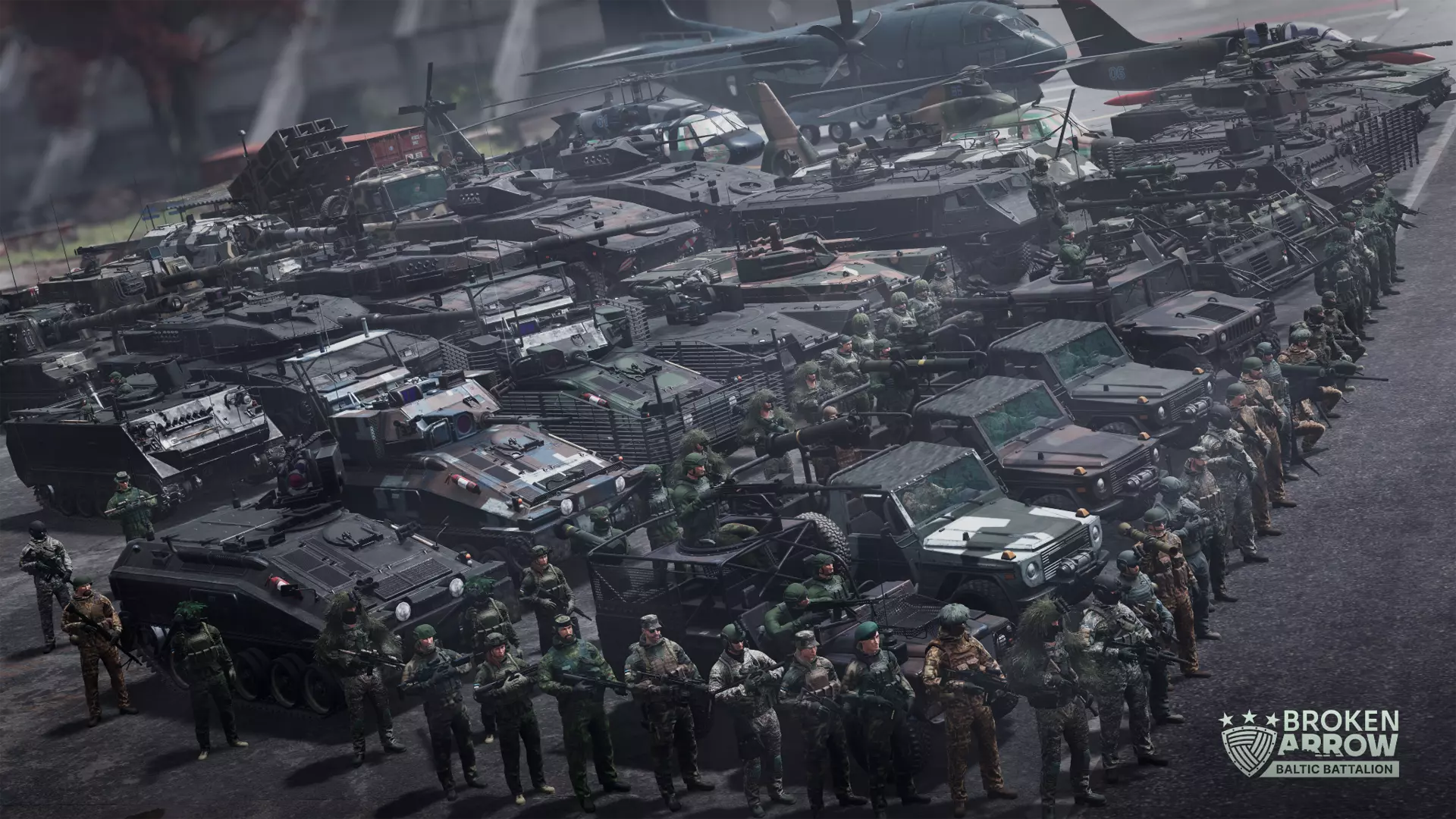
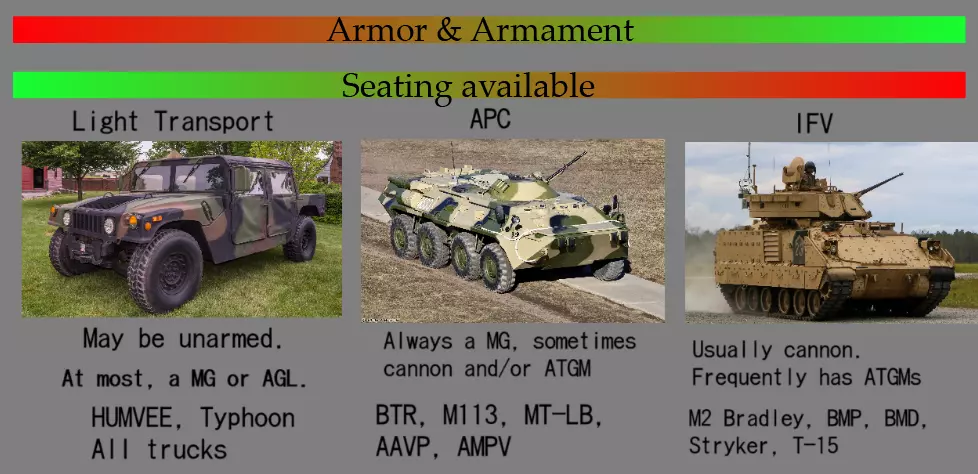
没花过无数个夜晚熬夜玩军事模拟游戏,也没了解过现实世界冲突的最新动态?分不清各种导弹的区别?这份指南就是为你准备的。 现代战斗原理 注意:这不是游戏玩法指南,而是一份概念介绍指南,旨在解答一些常见问题,比如“【APS】有什么作用?”或“导弹的【顶部攻击】模式是什么意思?”——如果你没有军事背景,这些概念很容易让人混淆。 为方便查阅,指南底部附有快速参考术语表。 我们生活在一个战场联系日益紧密的时代:在这个时代,你可以看清一切……但也可能被从未见过的东西杀死。这可不是你爷爷那时候的战壕战,甚至也不是长矛火枪时代的战争了!《破碎箭头》中所描绘的现代战争,核心在于视野与距离。部署在摩天大楼内的反坦克导弹小组,能够对周围的敌方装甲车辆发动突袭;但他们也可能轻易成为敌方装甲车辆的目标,或是遭受来自更远距离的炮火打击。一辆在开阔地带行驶的吉普车,若被两千米(1.2英里)外的坦克锁定且对方视野清晰,就会被轻易摧毁。考虑到这一点,那些复杂的缩略词和装备究竟意味着什么?其实比看起来要简单。 许多装备,从坦克、直升机到单兵武器,都有着各种各样的名称。但真正重要的是它们的性能:有些步兵携带短程反坦克火箭筒,而另一些则携带反人员武器。爱国者防空导弹发射车或S-300防空导弹发射车可以对付敌方喷气式飞机,甚至一些导弹,但它们对配备机枪的吉普车却无能为力。如果有任何单位让你感到困惑,可以在军械库中查询。这款游戏有大量需要学习的内容,但只要你保持留意,很快就能上手。 步兵运输车有哪些类型? 步兵运输车分为五种。前三种是地面运输载具,包括装备较轻的悍马和卡车、中等规格的装甲运兵车,以及重型步兵战车。随着它们通过增加装甲和武器来提升战斗力,通常步兵座位会相应减少。
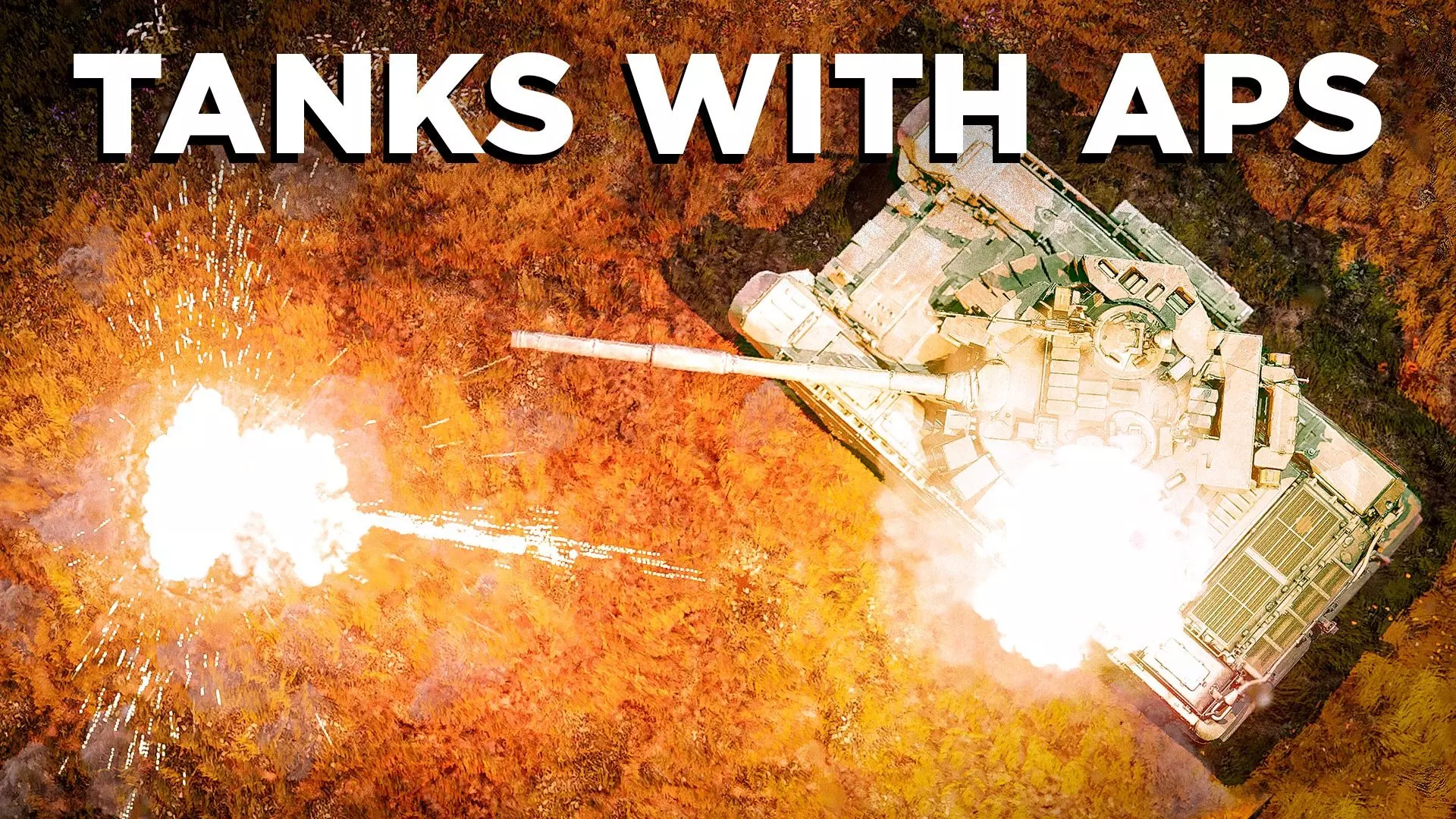
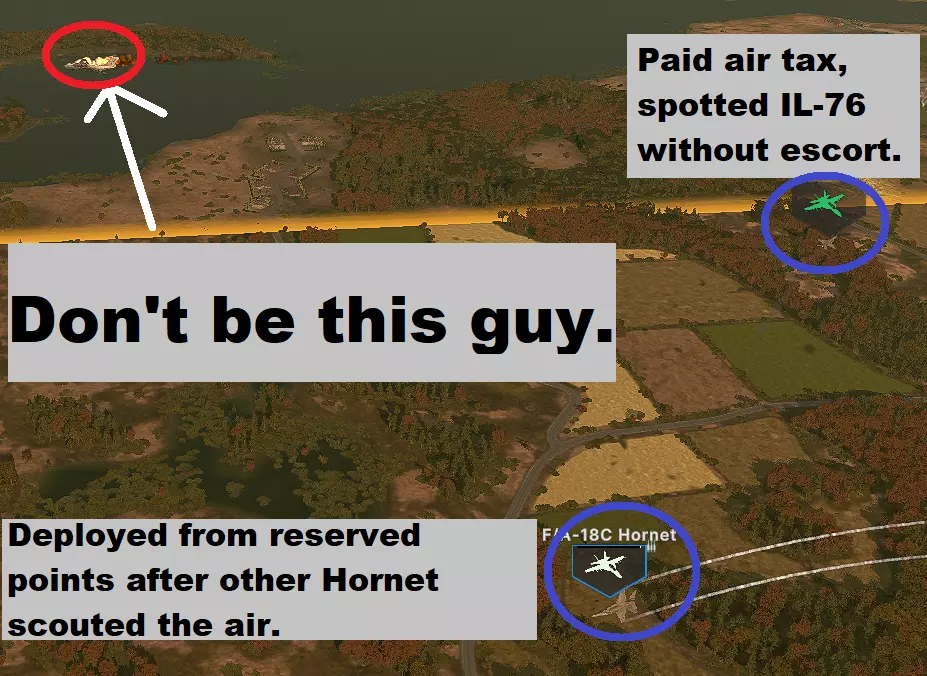
The other two varieties of infantry transports are helicopters and airdrop-capable planes. You can also order the infantry without any transport if you need to. Infantry "repair": A very unrealistic game mechanic which didn't make sense to me when I first started playing games in this genre, was that you can "repair" infantry units with supplies in the same way as repairing vehicles, and somehow that revives the lost members of the squad. As long as you have one squad member left alive, they can go to a supply pile and heal all of their buddies back. The 3 universal methods of breaking "guided" weapons lock: All guided weapons, regardless of type, can lose "lock-on" to its target in a few universal ways. The first way is obstruction: if a unit, mostly ground vehicles, though sometimes helicopters, is able to quickly move behind a building between it and the missile, then the guided weapon will slam into the building instead. The second way is "popping" smoke, where ground units smoke is able to jam just any guided weapon instantly as long as they stay in the smoke cloud. The third way is for helicopters and planes to pop flares, which have a chance to divert the missiles locking onto them but do not always work. However... just because the "lock" is broken doesn't mean that your units are 100% safe. If a tank pops smoke only just before the missile would hit and also stays still, the missile, losing its "lock", might simply continue on its present course and still impact. Often, a plane or helicopter deploying flares may only divert the missile to explode nearby, still doing some damage. And of course, if a guided bomb is on the larger side, the blast radius may be large enough to kill any units behind a building or inside a smoke cloud. The update "Everybody Fights!" added a "memory" to lasing units. What this means is that you can use the "lase" command to designate a target that you can't lase at that moment, and as soon as you get line of sight or in range then the unit will automatically lase it without any further input, and if the lase is broken then it will automatically restore when it can again. Glossary A-M Alphabetical list of terms you will come across in the game, only including details which are actually in the game. CTRL + F to find specific terms. ABM: Anti-ballistic missile. A weapon designed to intercept enemy ballistic missiles before they hit your target. Very few units have these weapons, and your ABM's could be overwhelmed if the enemy launches more missiles at once than you have the capacity to shoot down, meaning some could get through. Airdrop/Paradrop: All infantry and supplies, and certain vehicles, may be loaded into a special plane and dropped out of the air onto a chosen location. This requires the plane to first set up along the route chosen, and to survive for the length of the airdrop. If the plane is shot down, any units inside are lost. Units are also highly vulnerable and cannot fire back until they fall to the ground. Amphibious: Certain infantry and vehicles are "amphibious", meaning they can travel across water. The speed is slow compared to land travel and leaves the unit exposed to attack. AP: Anti-personnel. For killing infantry. However, this can also mean "Armor Piercing", for weapons used against armored vehicles. APC: Armored personnel carrier. A vehicle with light armor and weapons for transporting infantry. Better equipped than an unarmored transport, but not as much as an IFV. APS: Active Protection System. A device mounted on armored vehicles which can "intercept" anti-tank projectiles fired at the vehicle, usually AT rockets and missiles, by shooting at it. APS cannot intercept small projectiles like bullets or grenades, nor very large projectiles like artillery shells or ballistic missiles. There are a few AT rockets which have "tandem" warheads, which completely ignore the APS of its target. Artillery/Arty: Land-based weapons which fire on a "ballistic" arc at long ranges, meaning that they are fired up into the sky and fall back down on top of their target. They can be as small as a mortar or as large as a ballistic missile. Artillery weapons do not require line of sight between the artillery launcher and its target. ARM: Some planes can be equipped with "Anti Radiation Missiles" which will automatically detect and fire at enemy AA that have their radar turned on. You do not need to have the AA spotted or order it to fire, as long as there are enemy radars turned on & in range (and the plane is facing the right direction) then it will automatically fire. ARM's can be shot down by some air defenses, but can overwhelm them if fired in large amounts simultaneously. AT: Anti-tank. For killing armored vehicles. In Broken Arrow, an armored vehicle's weakest armor is always its rear. ATGM: Anti-tank guided missile. Unlike rockets, ATGM's are guided towards their target, either by the launcher unit or a seeker inside the missile. They are generally longer ranged and more powerful than rockets, but take longer to reload and often require the launcher unit to stay still. Ballistic missile: A "ballistic" missile is one that, instead of being fired directly at its target, is launched directly upwards into the sky before falling back down above its target. They can be intercepted mid-flight by ABM systems. Blast radius: The size of an explosion from its center, not how much damage overall. Units at the center of the blast radius where the weapon detonates take full damage, while on the edges of this radius, they will take the least damage. CIWS: On many naval ships, a "Close In Weapon System" shoots down incoming missiles with rapid fire cannons, but can also shred ground units or low & slow flying aircraft. Represented in game by the American LHA and Arleigh Burkes, and the Russian Ruda landing craft. Cluster: A type of warhead found in certain expensive artillery pieces, missiles, or bombs. A big container of numerous small explosives (bomblets) that have a large blast radius and are extremely effective against vehicles with low armor. Modest damage to infantry. Nearly useless against heavily-armored vehicles such as tanks. C-RAM: A specific piece of kit for the Americans, it's a CIWS but land based. It is designed for shooting down enemy missiles and is very good at this, and while it is also capable of attacking planes and helicopters it is not very good at that. In real life, a C-RAM may shoot down projectiles such as mortar and artillery shells, but in Broken Arrow they cannot. ERA: Explosive reactive armor. Special armor which can be added onto already armored vehicles which increases its defense against HE anti-tank weapons. Has no effect on KE damage. Fire and Forget: A type of missile guidance which is "locked" onto its target and does not require the launching unit to stay still, or stay in line of sight of the target. Guided: A weapon which tracks towards its target. If they lose their guidance after the missile is fired for any reason, such as the target retreating out of LoS or "popping" smokes, they can miss. High Explosive/HE: Conventional explosives, In reference to AT weapons, unlike kinetic weapons, HE have the same damage whether fired at max distance or close up. Damage against armored vehicles depends on its HE armor. For non-AT HE such as grenades or artillery shells, they are highly effective against infantry. IFV: Infantry Fighting Vehicle. A vehicle with heavy armor and weapons for transporting infantry. Better equipped than an APC, but not as much as a tank. IFV's also tend to have small passenger compartments. Kinetic: Kinetic weapons are ones which rely on the sheer force of the projectile to penetrate armored vehicles. Kinetic weapons can significantly increase their penetration amount by moving closer to their target, so that even a cheap tank could kill an expensive one if it gets the drop on it. KE armor, not HE, determines damage by a kinetic weapon. Landmines: Landmines are explosives that are set to detonate when a person or vehicle walks over them. There are no landmines at all in Broken Arrow. Laser-guided: Weapons which guide towards whatever is designated or 'lased' by a laser. This requires that a friendly unit equipped with a laser designator, possibly even the unit with the laser guided weapon, has to both manually designate, and then keep line of sight with the target until the projectile hits. You can not only designate enemy vehicles, but also infantry squads, buildings, or even a piece of ground. Not all guided weapons are laser-guided. LoS: 'Line of Sight' refers to if a unit can see another unit from its current position. If there is something in the way blocking line of sight, such as a building, trees, a hill, or anything else, the unit does not have "line of sight", meaning they cannot see them. Note that another unit, like a drone, could be spotting an enemy nearby one of your ground units, but your ground unit cannot attack it because there is an obstruction to its LoS. The vast majority of weapons in Broken Arrow require LoS, but certain types such as artillery or ballistic missiles do not. Minimum range: Some but not all artillery, ground-based anti-aircraft missiles and ATGM's, require the unit firing the weapon to be a minimum distance away from their target. Mortar: The smallest type of artillery. Mortars are usually quick to move in light vehicles, and reload quickly as well, but they have a short range compared to other types of artillery. Glossary N-Z Nuclear: Nuclear bombs are extremely powerful weapons which have a huge blast radius and extreme damage, but are very rare and expensive, and could easily damage your own team if you drop them too close to friendly troops. Note: All explosives, not just nuclear, will do just as much to friendlies as enemies, there is no "reduction" like in some games. Optics: In Broken Arrow, "optics" (sometimes called "reconnaissance" value) refers to how good a unit is at spotting other units. As there is a "fog of war" in BA, meaning that you, the player, only see enemy units that you & your allies have detected. A unit with higher optics will spot enemies at further distances, though even with high optics, units can be difficult to spot if they are hidden in a forest or garrisoned in a building. Rocket: Usually unguided weapon with an explosive. Often people will call guided weapons "missiles" and unguided explosives "rockets", though there are a small amount of rockets that have guidance. While ATGM's need line of sight the entire flight to hit their target, unguided rockets only need line of sight to fire initially. SEAD: "Suppression of Enemy Air Defenses". Players generally refer to planes equipped with ARM's as "SEAD" planes. Semi-active: A type of missile guidance, often in older/cheaper SAM or air-to-air missiles, which requires the launcher unit to maintain line of sight with their target for the entire flight of the missile. SHORAD: SHOrt Range Air Defense. In Broken Arrow, long-range systems like the Patriot and S-300 can shoot down planes and perform ABM, but cannot target low flying helicopters and some drones, or planes which get too close to the unit. SHORAD comes in as generally cheaper, short-range configuration on a mobile light armored vehicle. Some have some ability to shoot down enemy missiles, but are generally poor at it. "Smart" weapons: A vaguely defined term, but generally means artillery or bombs equipped with guidance, such as laser-guidance. Smoke/"Popping smoke": Some units are equipped with smoke bombs that can be manually activated to temporarily obscure themselves by "popping" the smoke. Some artillery have an option to fire non-lethal smoke rounds which achieve the same effect. Smoke does not make a unit invincible, as if two units are practically on top of eachother then they are close enough to fight in the smoke, and smoke does not prevent explosive blasts from artillery and such. Special Forces/SF/SoF: Special Forces are infantry units with the best training and weapons, but few are available and they are expensive. Terminal guidance: A type of missile guidance, usually on anti-aircraft missiles of all kinds, where the launching unit must maintain line of sight to its target for the first portion of the flight, and then locking on at the end. For the purposes of Broken Arrow, imagine it as a hybrid that starts out as "Semi-active" and then becomes "Fire and forget" when the missile gets close to the target. Thermobaric: A type of explosive warhead with a large blast radius, and extremely potent, against infantry, lightly armored vehicles, and buildings. Thermobarics with small warheads, such as infantry rocket launchers can perform poorly against heavily armored tanks, while larger thermobaric warheads such as plane bombs or Russian "TOS" artillery could significantly damage them. Tracks/Tracked vehicle: Many armored vehicles are "tracked", which means that instead of tires, they drive using large tracks. Wheeled vehicles move very fast on roads, while tracked vehicles generally perform better than their wheeled counterparts in forests and other rough terrain. Warhead: The amount and type of explosives carried by a certain weapon. Warheads are usually conventional explosives, but there are many others such as incendiary or nuclear warheads. Some warheads are small like the ones in infantry rocket launchers, some are as large as a 9000kg plane bomb. P.S. If there is anything missing that you think would be relevant to the guide, please leave a comment. I want to make this guide have all the information you may want without going crazy in-depth with 5000 word essays.