
 换一换
换一换 




一份简明指南,包含线列步兵编制与部署的部分历史信息,以及游戏中培养线列步兵战术所需的部分数据和实用信息。 引言

线列团,俗称线列步兵,是《帝国:全面战争》中的主要作战单位。了解它们的优势、弱点、战术要求和整体策略对于取得好成绩至关重要,因此在这里我将尝试结合自己的历史知识和游戏经验,为大家提供一些提示、建议和思路。 历史背景 [本节主要介绍英国陆军的相关信息,但也适用于大多数欧洲国家] [由于平台限制,本指南中部分词汇可能存在字母缺失] 战术与武器装备
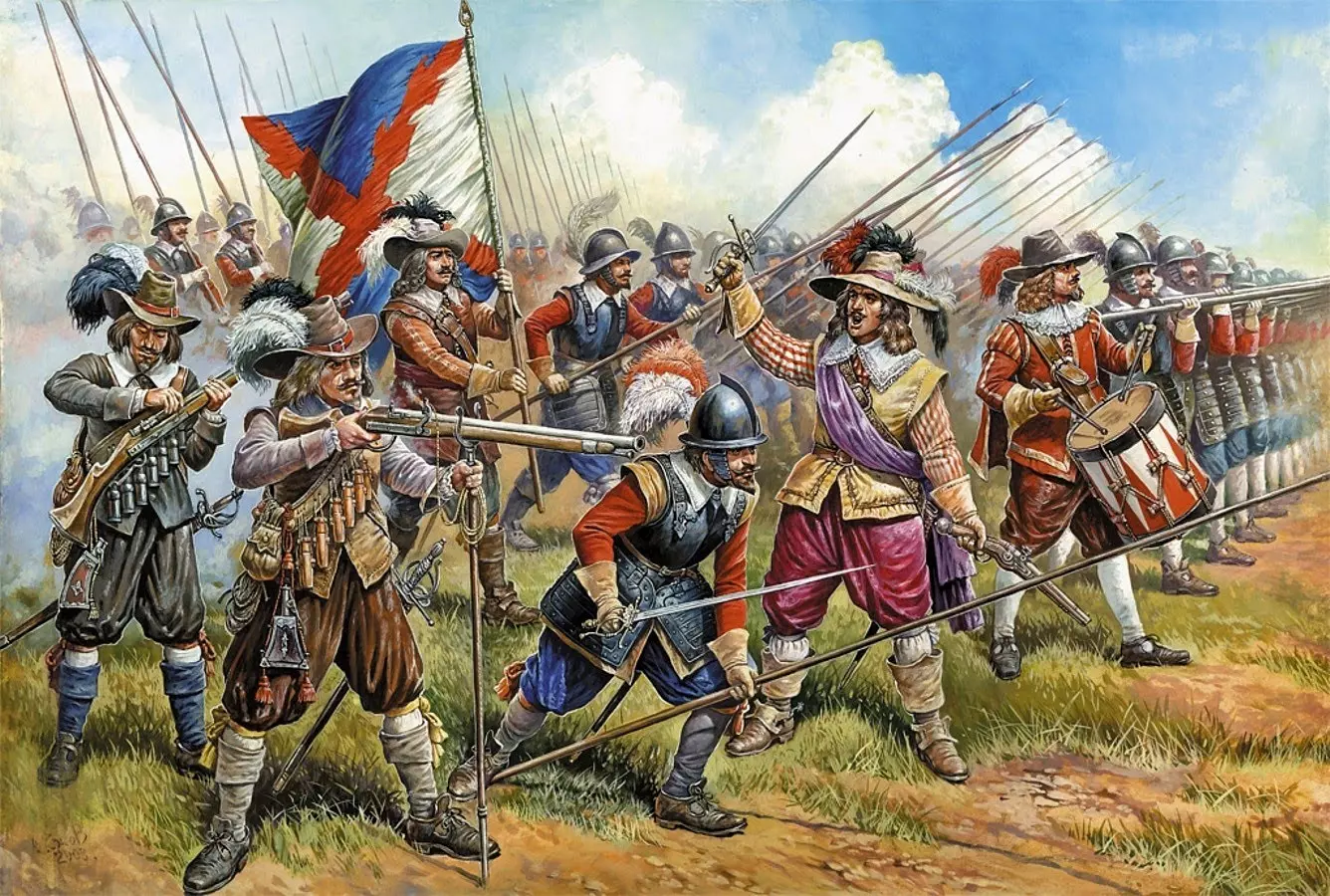
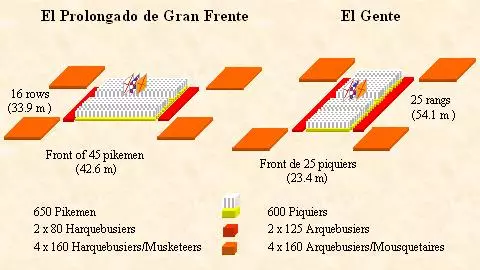
17世纪中期长枪与火枪战术的示意图。 我们在《帝国:全面战争》(背景设定始于1700年)中看到的线列步兵团,是起源于16世纪中后期一种名为“长枪与火枪”的古老战术的延续。之所以如此命名,是因为大规模的长枪兵方阵保护着同样规模的火枪手免受骑兵攻击,而火枪手则使用他们的原始火器赢得战斗。这些火器被称为火绳枪,需要点燃一小段麻绳,通过扳机机制将其拉到药池中的火药处,以发射武器。
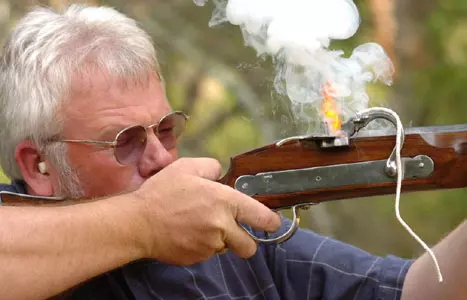
一把火绳枪。 17世纪后期,随着一种新型武器——燧发枪的广泛使用,火绳枪开始逐渐失去优势。最初,燧发枪配备给负责守卫火药库(火药补给)的士兵。与老式火绳枪相比,燧发枪更为优越,其原理是通过击锤内的燧石撞击被称为“引火盘”的钢片来产生火花,进而点燃火药。因此,士兵无需携带明火,显然,携带燧发枪守卫火药要比火绳枪安全得多。这些士兵的名称来源于法语中“枪”一词(fusil),被称为燧发枪兵,而英国陆军中至今仍有部分士兵保留这一称号。
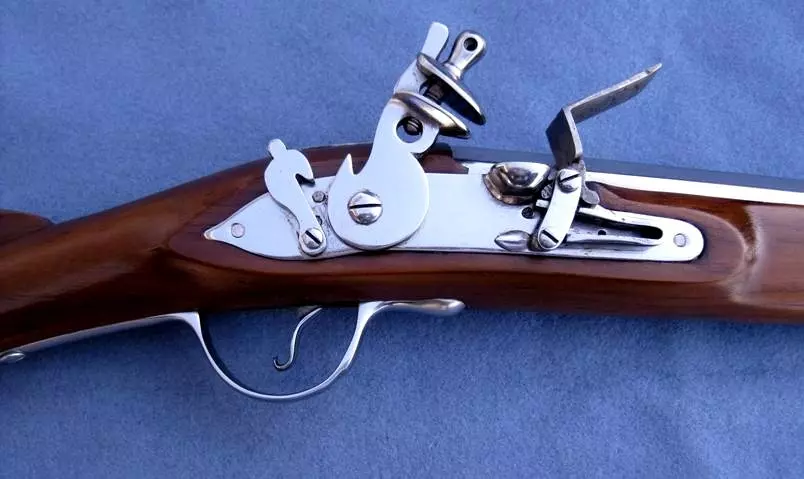
狗锁式燧发枪,其钢制“狗钩”清晰可见。《帝国:全面战争》中使用的燧发滑膛枪是大多数影视作品中所描绘的那个时代武器的早期版本,被称为狗锁式滑膛枪。这类型号之所以得名,是因为击锤上没有半待发位置,而这一位置本是非常重要的安全机制。取代半待发位置的是,枪锁上有一个小型金属钩,称为“狗钩”,它能有效地将击锤保持在释放和待发之间的中间位置,使士兵无需用一只手扳住击锤,就能打开药池盖并将火药倒入药池。狗锁式滑膛枪在18世纪40年代被更为常见的陆用型棕贝丝滑膛枪逐步取代,成为我们在游戏中看到的武器,而到19世纪中期,它最终被击发式滑膛枪和贝克步枪等武器所替代。
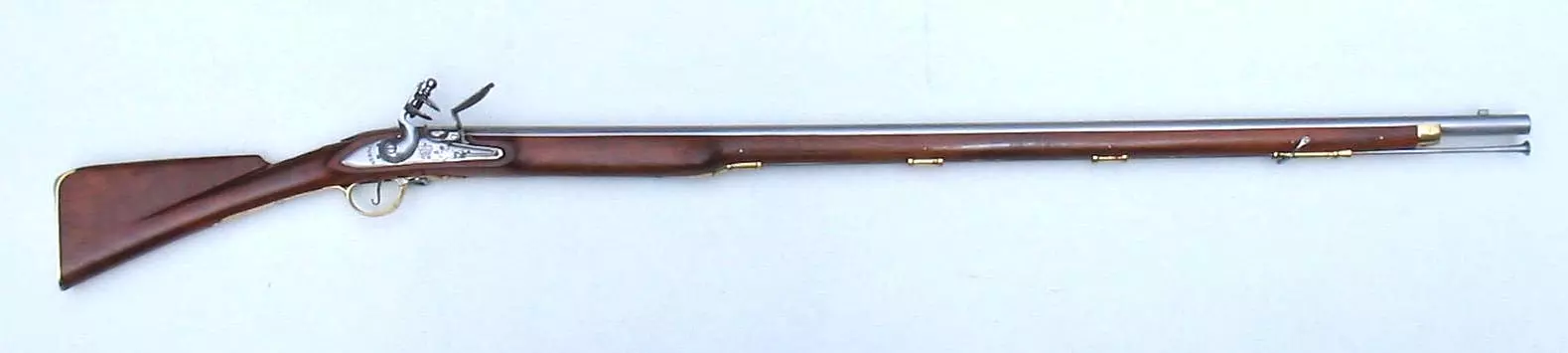
棕贝丝式滑膛枪,典型的“滑膛枪”。 编制与等级制度 普遍的作战序列一直以来都是以团为单位,几乎没有其他形式。自17世纪80年代英国陆军创建以来(早于1707年该国成为大不列颠王国),团由其组建者上校指挥,并以这些上校的名字命名。18世纪时,这种情况发生了变化,团开始通过其最初创建的顺序编号来区分。这种编号方式被称为“ precedence顺序”,至今仍是陆军的一部分;在皇家军队阅兵式上,皇家骑兵卫队和步兵卫队按 precedence顺序从右到左排列。七年战争(1756-1763年)和美国独立战争(1775-1783年)时期的步兵团通常由约五百人组成(不过这只是理想人数,实际人数往往差异很大)。编号步兵团的主要区别在于纽扣样式和装饰颜色(步兵制服整体均为红色,只有少数例外,如女王游骑兵)。每个步兵团由上校指挥,中校和少校分别担任第二和第三指挥官。团部另有五名参谋军官和若干工匠。 步兵团分为十个大致相等的连,每连五十人。上校、中校和少校每个(少校)各指挥一个连;这些连队以其指挥官的名字命名(例如:少校连,第46步兵团)。其余七个连由上尉指挥,每个连配有一名中尉和一名少尉协助管理。其中八个连由正规红衣军组成,被称为营连。另外两个连分别是:装备手榴弹、以高大三角帽闻名的掷弹兵连,以及受过掩护主力部队、保护侧翼和后方训练的轻步兵连。在18世纪后半叶,陆军经常将这两个被称为【侧翼连】的连队从团中分离出来,与其他侧翼连组合,形成专门的旅。
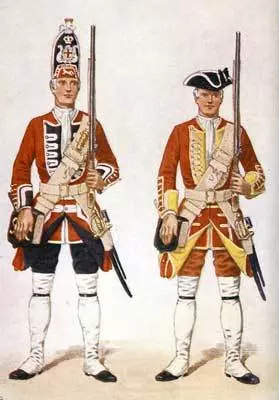
A British grenadier (left) and musketeer (right) during the Seven Years' War. Grenadiers can be distinguished from Fusiliers by the presence of a small gold container on the cartridge belt which was for holding the lit fuse for his grenades. Fusiliers also wore slightly shorter caps. Choosing a Faction Nation Choice: Choosing a nation based on the quality of its line infantry might seem like a narrow-minded idea, but in some cases it can be the difference between victory and defeat depending on the theaters you choose to fight in. Having a slight edge in the line of battle will more often than not carry the day. Line infantry (as well as similar units such as sepoys, colonial infantry etc.) is available to the following factions: Austria France Great Britain Poland-Lithuania Prussia Russia Spain Sweden United Provinces United States For the purposes of a fair trial, I have established nine areas of comparison: Cost Upkeep Cost Melee Attack Charge Bonus Defence Morale Accuracy Reloading Skill Number of Men Turns to train, ammunition and range are equal across all factions and thus have been ignored. Cost Efficiency: BEST: Russia (1040 cost, 260 upkeep cost) WORST: Prussia (1150 cost, 280 upkeep cost) Melee: BEST: Russia (8 melee attack, 13 charge bonus) WORST: Austria (5 melee attack, 8 charge bonus) Defence: BEST: Great Britain (15 defence, 8 morale) WORST: Austria (11 defence, 6 morale) Ranged: BEST: Prussia (40 accuracy, 35 reloading skill) WORST: Russia (35 accuracy, 15 reloading skill) Nation Comparison: (nations with "average" have default stats for line infantry) Austria: Fields 125% the men of other factions. Poor in all areas. France: Above-average melee performance, good all-round. Great Britain: Expensive, but the best defence and morale in the game with impressive reloading skill. Poland-Lithuania: Average. Prussia: The most expensive in the game, but excellent charge and morale. Unparalleled reloading skill. Russia: The cheapest and best melee line infantry though suffers in defence, morale and has poor ranged capabilities. Spain: Average. Sweden: Average. United Provinces: Average. United States: Average. Tactics Deployment As a rule, it matters more about the arrangement and angle of your formation than the actual placement. You must understand the concept of a frontage in 18th Century warfare, that is to say the amount of men in your front rank and therefore the amount of muskets trained on the enemy at any one time. The core of firelock warfare is to concentrate volleys of disciplined fire upon the enemy with organisation, ammunition efficiency and minimal friendly casualties. Depending on your technological advancements (more on that later) your formation should change. If fighting AI, deploy your line infantry in two separate lines of four to five companies each. This will present a shorter frontage than your enemy, and the AI will naturally bunch its flanks together as it homes in on the center of your army. If fighting a player, ensure your frontage either matches or extends past your opponent's, though be careful not to stretch your line too thin and retain a number of companies in reserve just in case. Line infantry should be deployed three ranks deep in Empire: Total War. There is an argument that two ranks, as used in the American War of Independence, would better suit the maps and allow for more musket fire, but I have personally found this to be ineffective as melee-based units such as Native American Warriors can simply crack two ranks wide open. A third retains an element of safety and also allows for the use of advanced manoeuvres further on down the line. Line Infantry should retain clear gaps between one company and the next, as in order to fire at an angle without moving the formation or changing facing will require shooting through the corner of the adjacent company if proper space is not kept. Reserves, second lines, dragoons and auxiliary units are all more than capable of plugging gaps if need be. The flanks of the line of battle should be adequately supported and protected, as it will not only refuse any manoeuvres but also strengthen the morale of your line infantry on the flanks. If no cavalry, militia or spare units are available, slant the wings of your line slightly back to facilitate easier redeployment if required in the midst of the battle. Lastly, if you must place line infantry in front of other units or artillery that will fire through them, place them DOWNHILL of the artillery/other unit. Tactics Your main tactic with line infantry is to place as much as the enemy unit inside your arc, or the area covered by the muskets in your front rank. Turning off the Fire at Will control will ensure you do not waste half a rank's ammunition before the other half has come within range. To this effect, ensuring you keep units within the original formation is crucial. Do not allow individual units to wander out of formation, as once their flanks become exposed they are more likely to waver and they become easy prey for more mobile enemies. Above all, do not break formation. Make sure you keep tabs on the location of all enemy units relative to the facing of your line infantry, so you can make adjustments well before they are needed and ensure you are always presenting a static, fully reloaded front rank to the enemy at all times. Two defences can be used by line infantry: earthworks and chevaux de frisés. The former is a large ditch and mound which massively reduces the impact of incoming fire and artillery, though is noticeably weak against grenades, mortars and howitzers. Chevaux de frisés are large wooden frames which break cavalry charges. These are largely useless unless you have limited lines of sight and are unable to concentrate at least two volleys on an enemy cavalry unit before they reach your lines. They provided limited to no protection against musket fire and artillery. Technology Superior Line Infantry This unit can be trained by only Prussia and Sweden with an Army Board. They are vastly superior to normal Line Infantry and carry the additional benefits of being able to hide in lighter cover, inspiring units around them much like a general would and having almost unbreakable morale. Bayonets Three types of bayonets are available through researching technology on the campaign map: Plug Bayonet: Permanent bayonet, handle of a knife right down the barrel. Ring Bayonet: Removable bayonet, a tight metal ring. Reduces reloading skill. Socket Bayonet: Removable bayonet, ring with lock. No skill reduction. Formations & Advanced Manoeuvres Fire and Advance: The unit breaks down into sections, advancing while firing. Excellent for cover, low mobility. Fire by Rank: Each rank fires, then kneels and reloads. Allows all three ranks to participate in a battle rather than only the first, crucial technology. Square Formation: The company forms a square, watching all angles. Useful against highly mobile and harassing enemy but forces the company to remain static. Epilogue Well, cheers for reading through, this is most of what I've learned from playing this game. I rely heavily on my line infantry and take pride in mowing down any army with superior discipline and organisation. That said, if anybody has any morsels of information or corrections to apply to the guide, please do let me know and I will update it frequently. Now get out there, and defend those colonies!