
 换一换
换一换 


This is a translation of my own article which I wrote in summer 2021 originally in Russian. It had very wide and positive feedback so I decided to share it in other languages as well. Russian version is here: https://steamcommunity.com/sharedfiles/filedetails/?id=2536558045 Chinese version here: https://steamcommunity.com/sharedfiles/filedetails/?id=2971097460 Beware spoilers Please go through the game first and then read this article. You will really ruin your experience if you rush to find out everything in advance. Why the heroine's death theory is incorrect There was already one article with plot interpretation from another user. And I honestly like what is described there. Author developed a touching theory that the statue / mother is the true protagonist and is alive and the girl we play is just a memory of a dead daughter, whom the mother imagines in order to console herself. During the game, the statue of mother depicts even more emotions than the heroine herself, goes through changes in her emotional state and in the end lets her daughter walk stepping the stars into the eternal white beyond... That's strong. But. 1. The composition of the game is literally built on the emotional model of "denial, anger, bargaining, depression, acceptance." This is called the Kübler-Ross model, developed in 1969. But the ones who are experiencing this are not the ones who lost somebody. If you have lost someone close (a person or a pet), then you are well aware that after experiencing this, you can feel anger and depression, but what cannot be there is bargaining. The death once happened is absolutely final, and there is no one to bargain with. So, in fact, the terminally ill ones as well as their loved ones, go through 5 stages of acceptance. This happens BEFORE the fact of death. That is why they may not believe at first, and after a while they may bargain with God / fate / the disease itself. 2. Quote from Wikipedia: “Although the story provides room for interpretation, Mendoza [one of Gris authors] noted that he wanted to be careful and respectful of the topic, and therefore consulted with women. Mendoza also expressed pride that the game touches something that was considered unacceptable in video games for many years." The wording is rather tongue-tied, but this is precisely because the author does not want to name some very bad things head on. But let's be honest, death in games has been viewed from all angles for decades, so this isn't about it. And the author did not say that he consulted with different people, he said that he consulted with women. So we are talking about something more specific. We will come back to this later. 3. The heroine of the game experiences too much of what is inherent in the living ones, and not in any way the dead, even the most romanticized. She fights, she acquires abilities, learns resilience, she is afraid, runs, makes a friend, builds a castle in the sky, regains her voice, fights with her dark self. No, all this is not about the dead. Close to the game ending we have to sing over mother's grave. But the dead do not sing over the graves of living. For these reasons, the theory of the deceased daughter must be discarded and something else must be sought. Fortunately, we have been given all the clues. Of characters and names I will not call the heroine as Gris, because we really do not know if it is a name. From Spanish and French the word is translated as "gray". And the gray one here is actually the statue. I will refer to them simply as mother and daughter. And we do know they are exactly mother and daughter from the secret scene "Childhood". One of the journalists was unhappy with this rude spoiler, which broke the possibility of other interpretations, but wait a minute, a work of art has its author, it has an idea, and I do not understand the objections to the fact that the work contains what is inherent in it by definition. Author himself decided these were mother and daughter - this is the very essence of his work of art, and there is nothing to argue with. Quarrel, anger and bad people The game begins with the daughter singing in her mother's hands. The image of song and loss of voice plays a big role in the game, and I am sure this is not a metaphor, but a completely real characterization of the heroine. Her incredible jumps, transformation into a granite cube, into a sea creature - these are metaphors, they are impossible and fantastic, while singing and muteness are real things and they take central place in the plot tie and ending. We can confidently assume that the daughter did vocals in reality, and that meant a lot for her, but she went through something that caused her to lose her voice. It was at this moment that her relationship with her mother collapsed. It was bad for both of them - we all saw the state of the heroine at the beginning, and the first mother's statue (secret one, when moving to the left at the beginning) showing her in the most humiliated and broken state. For some time, mother and daughter do not communicate. The heroine overcomes the white level alone, statues of mother are not found here - only their fragments, i.e. shards of their relationship. Heroine experiences denial alone, resists the hurricanes of anger alone, alone finds firmness in herself (transformation into a cube), repairs her inner springs on her own. Soon she will meet that black evil which will try to destroy her thrice. And now the question - who did create this enemy? Yes, the heroine herself created it when - think of it - she smashed the statues of her mother. On the red level, she finds herself under the bell, but does not ring it, she breaks the floor under her in order to fall down. She finds herself in a black abyss, under an even larger bell, but prefers to fall again. To find herself in the darkest and most sinister place in the entire game - in the halls of loneliness, pain and hatred. Yes, it is enough to break only vases there, but the local achievement "Wrath" requires the destruction of three statues of mother. Anger at mother - how do you like that?
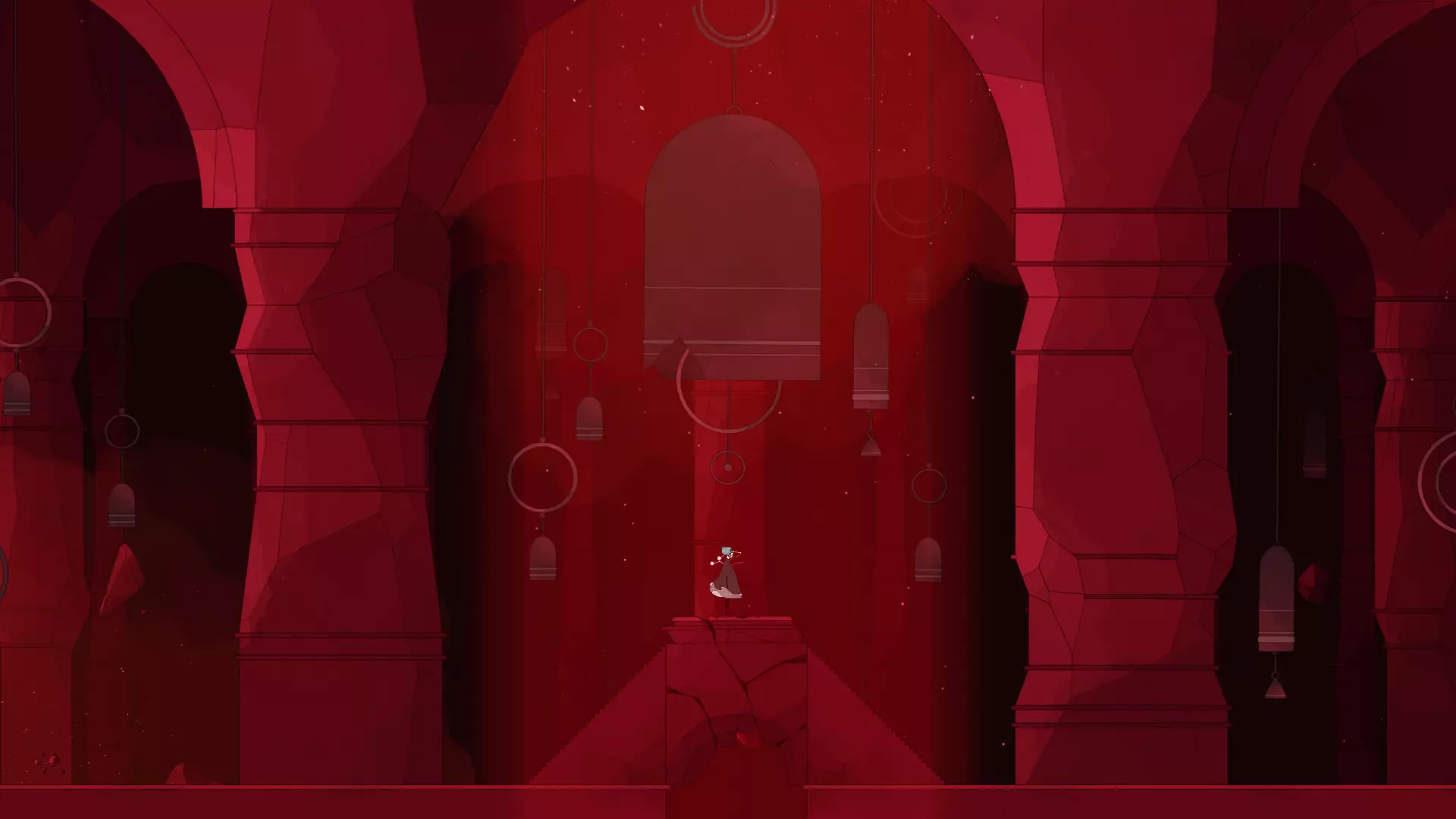
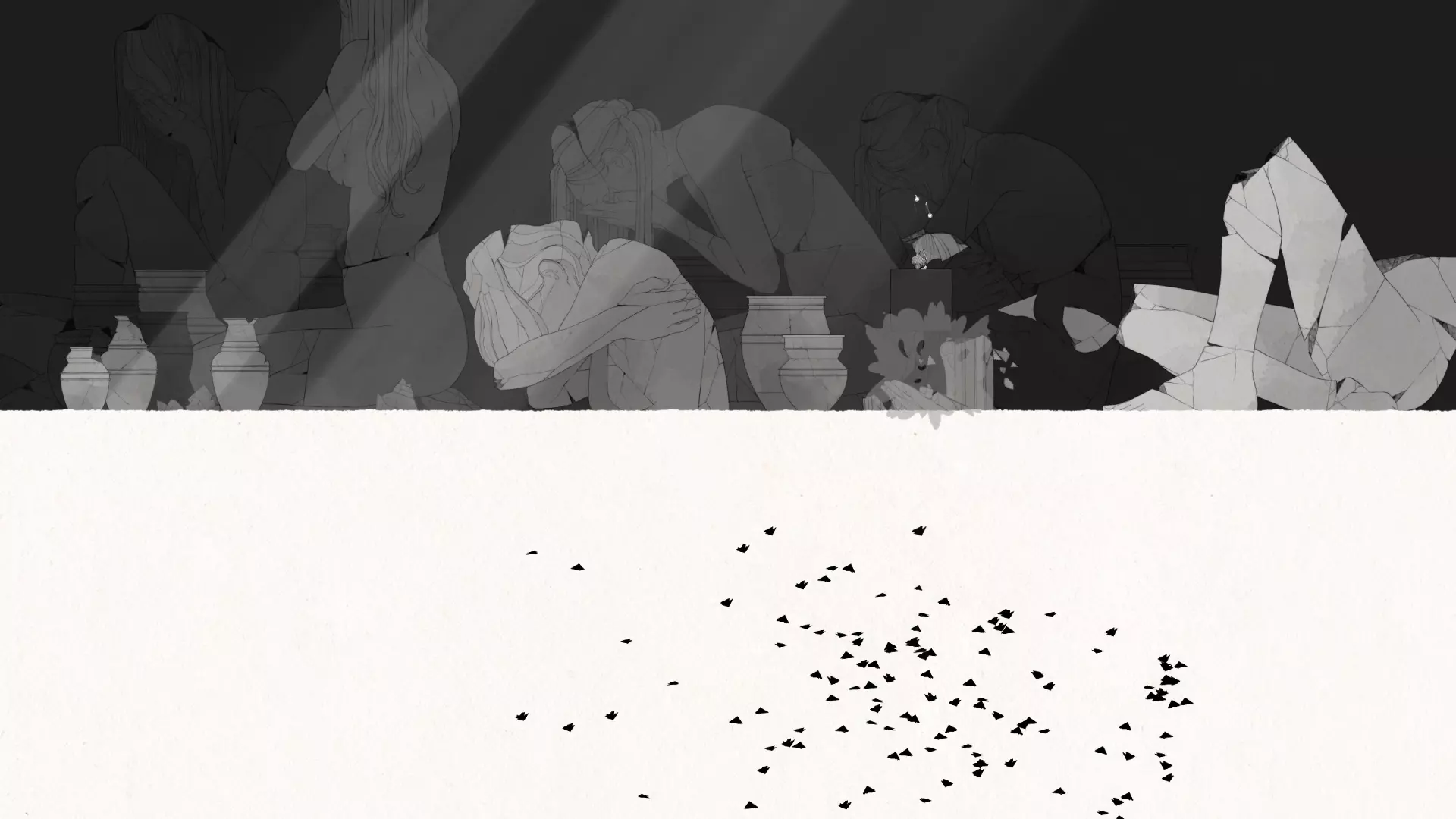
这场毁灭释放出了影蝶鸟,有趣的是,它们一开始并非我们的敌人。正是它们将我们从孤独的深渊带向云雾缭绕的高空。
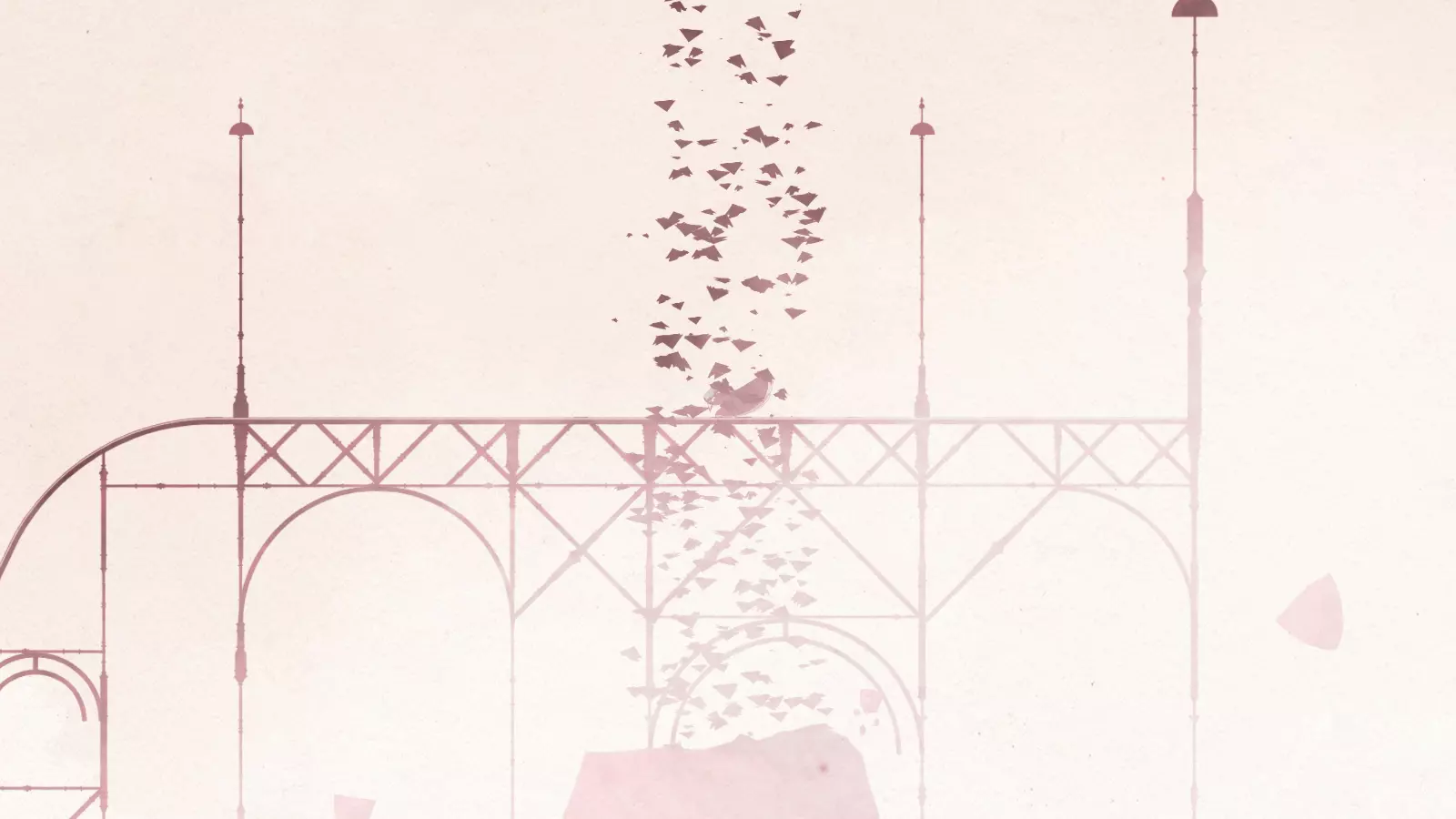
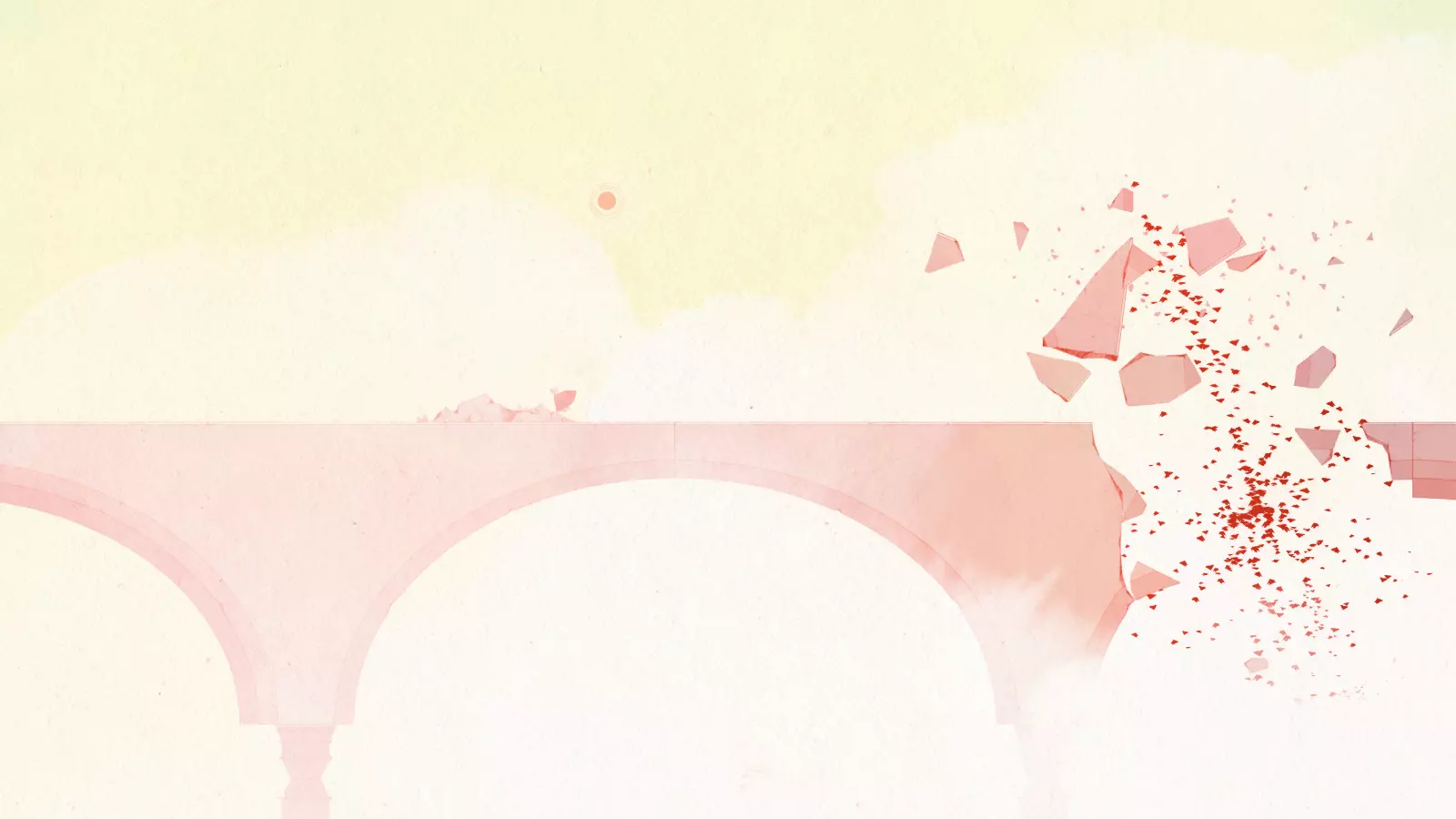
有那么一段时间,它们没有来打扰我们。直到女儿回到母亲身边,开始重建她心灵的城堡,并努力驱散愤怒时,它们才第一次显露出敌意。就在这时,那些鸟儿拆毁了我们回去的桥,切断了通往母亲和舒适区的道路。
那只鸟只有在它不再喜欢我们时才会决定攻击我们。它第一次从群体中聚合成一个整体,先是审视我们几秒钟,判断我们是否还是群体中的一员。
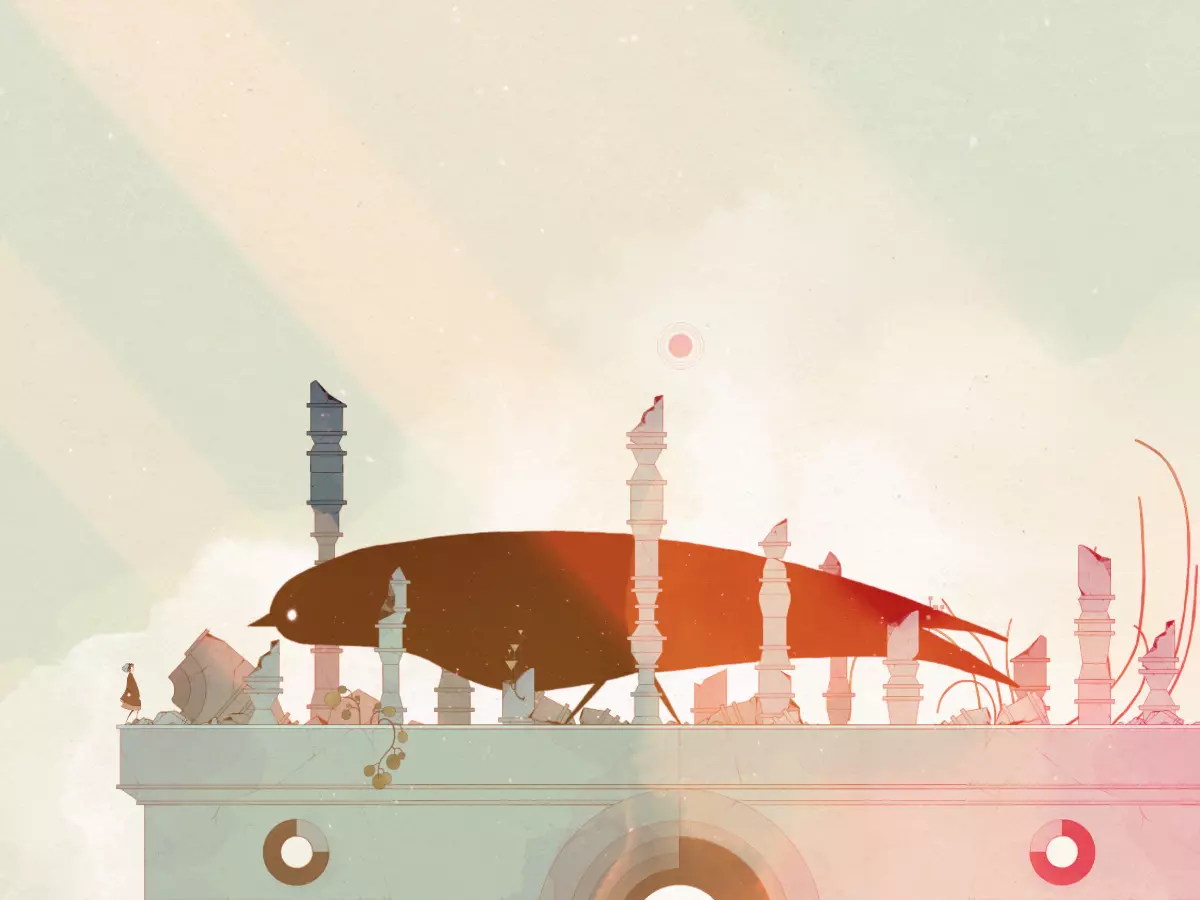
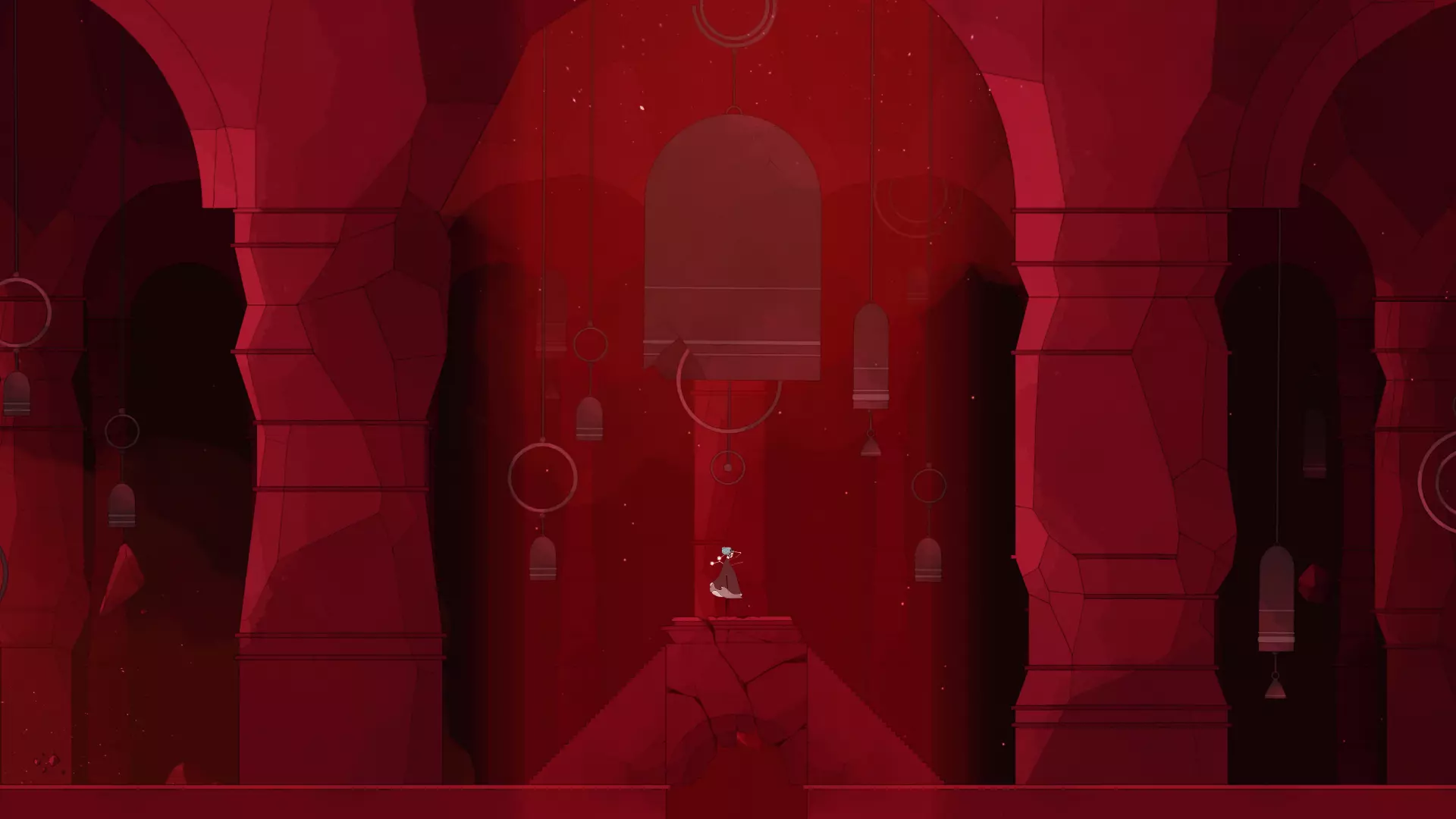
然后她发起了攻击,但并没有试图吞噬我们,反而将我们击退、拒绝、驱逐。 这可能意味着两种情况。一种是象征内心的挣扎——负面情绪、不安全感、罪恶感试图剥夺女主角在与自己讨价还价阶段所获得的那一点点稳定。另一种可能是现实中的人——当她和那些坏伙伴一样邪恶时,他们接纳了她,但一旦女主角开始超越自我并与母亲修复关系,这些虚伪的朋友就露出了真面目。说实话,我甚至更喜欢第二种解读,因为那种将你驱逐到某处的负面情绪,是一种建立在隐喻之上的、过于不稳固的隐喻。但一个曾经伸出援手、带你离开家,如今却转身离去的坏同伴,这就具体多了,也更容易引起那些在生活中经历过类似事情的人的共鸣。 不管怎样,我们通过敲响铃铛打败了那只鸟——女儿最终得出结论,她需要的是铃铛,而不是那只鸟,她做出了正确的选择。
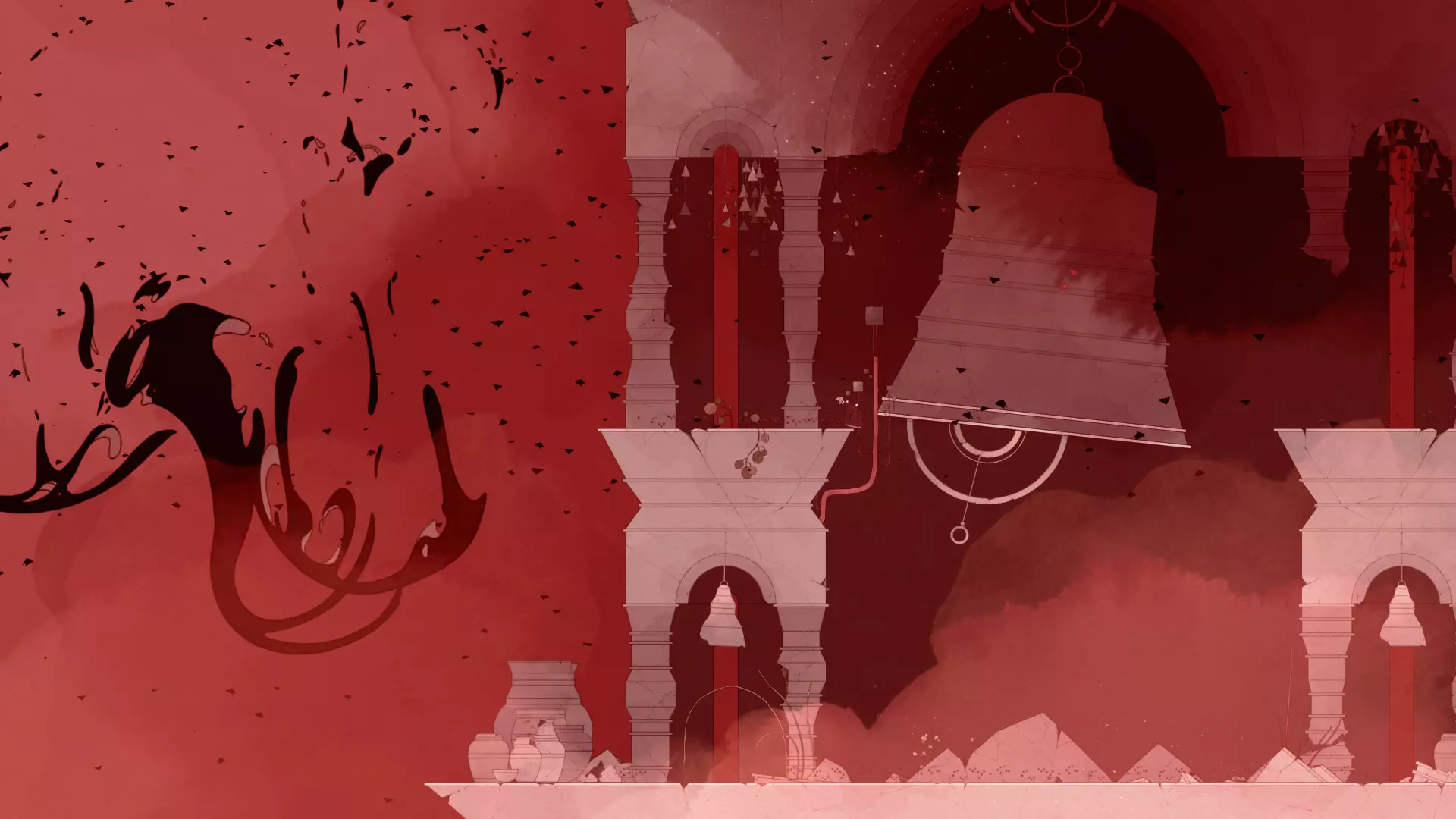
这张图片是什么意思?我不想在这里寻找宗教含义,因为这款游戏与宗教毫无关系。相反,铃铛是理性的声音,是灵魂的内在纯洁,是正确的道路。女主角从自身找到了力量,彻底克服了愤怒,并且/或者成功地让敌人安分守己。 我想强调的是,如果我们将鸟视为现实中敌人的寓言,这并不会剥夺其个人内涵——陷入不良圈子并摆脱它,无论如何都是人格改变的结果。 孩子还是朋友? 在与鸟战斗前不久,我们在森林中遇到了一个信任我们的神秘生物。它既像机器人,又像罐子,还像植物。
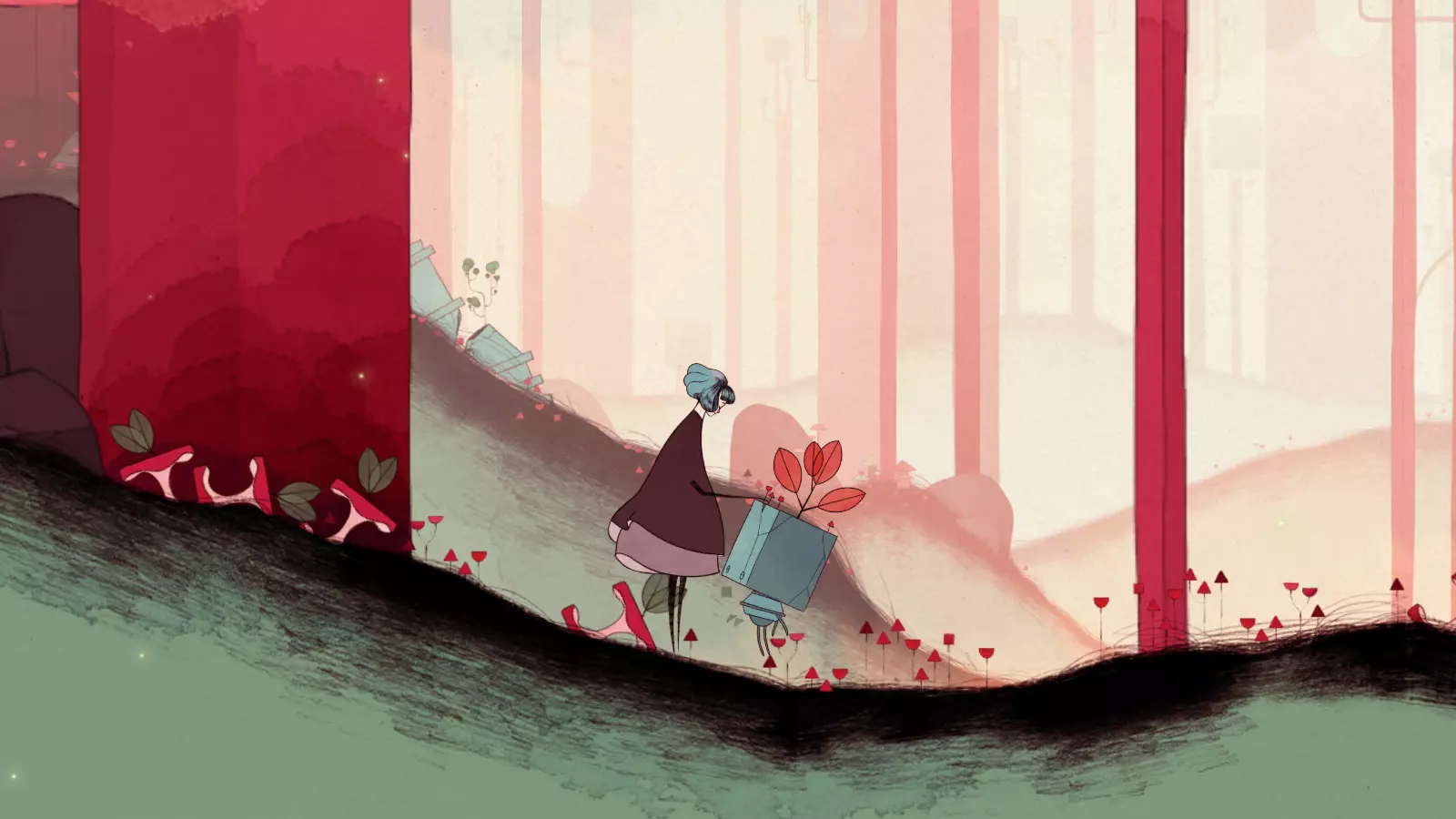
我们用苹果喂它,它就像追着妈妈一样跟在我们身后。总的来说,这看起来像是在隐喻母性,但你也知道……这是一种失败的隐喻。那个生物没有留在女主角身边,也没有变成人类。很多人可能会觉得她经历了流产,而她正试图通过这种奇特的幻想来应对失去孩子的痛苦。但我的解读要简单得多:这一切都与宠物有关。毕竟道理很简单——我们喂养它、照顾它,它就跟着我们,还会发出叫声。 所以这段情节的意思是,她曾经养过一段时间宠物,但没能承担起责任。那只动物很可能没有死,只是被她送走了,或者放生到了大自然中。你知道吗,我们后来会在一个洞穴里看到它和它的同类们在一起。他的房子就在那里,他在那里感觉很舒服。 这不应该是一个逝去的孩子,原因在于——游戏中几乎没有时间专门描绘这个形象。未出生者的逝去是如此令人悲痛,完全可以围绕这个主题制作一整个游戏,但在这里实际上只有10分钟的游戏内容。所以,不,这是一只宠物,而且它在她的生活中出现的时间并不长。 暴力 【水位部分】或许是情感上和意义构建复杂度上最为复杂的部分。一开始,似乎女儿生命中最阴郁的时期已经结束,她虽然仍沉浸在抑郁的海洋中,但她逐渐平静下来,理解了自己,并慢慢净化心灵。在这里,她遇到了最美丽、最完整的母亲雕像,并为她带回了天空和星辰。实际上,这甚至可能成为其他游戏的结局。但就在此刻,在我们最意想不到的时候,暗影再次发起攻击。进入水生环境后,她和我们一样,形态也发生了变化,从燕子变成了海鳗。 说实话,和大家交流后,我很惊讶几乎没人理解这个关于暴力的隐喻,尽管它看起来是最明显、最直接的。现在我要提出一个敏感的话题,但请大家认真对待并理解。这条在两条狭窄通道中分裂成两半,然后从中涌出一群蝌蚪的海鳗,是强奸的意象。而且,你知道,是双重的。不过请不要让我解释这里的事物具体像什么。
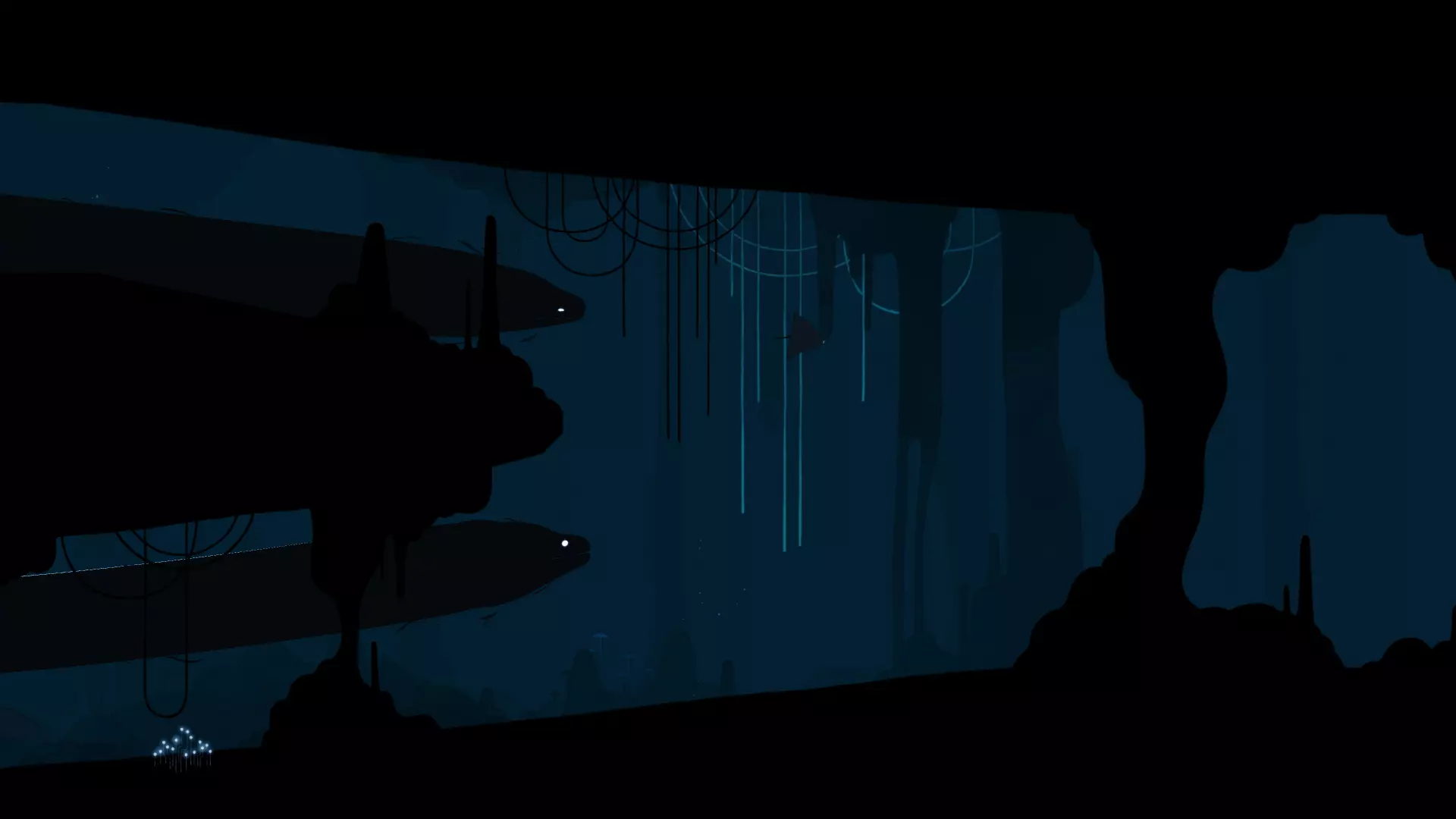

而这正是游戏中此前从未涉及的主题。作者就此咨询了女性,并希望以谨慎、尊重的态度展现这个不幸影响了许多人的问题。 不要认为我个人对此有错误解读,或者游戏想表达的是完全不同的危险。游戏中确实也展现了其他危险,并且它们都有各自的呈现方式。但这里的含义非常明确。 但是!这并没有发生在她身上。没有发生在女主角身上。我花了相当长的时间才理解后续的情节。关键在于,剧情在一定程度上对时间线进行了巧妙处理。这一点可以从我们在不同时期遇到的雕像状态看出: - 白色关卡之后——只有一只破碎的手掌。- 红色之后——有两只手,其余部分不可见。 - 绿色之后——我们看到雕像,但其头部上半部分已损坏。 而这里,注意,在蓝色水位处,我们终于看到雕像的损坏是如何造成的。是暗影对她造成了这种伤害!
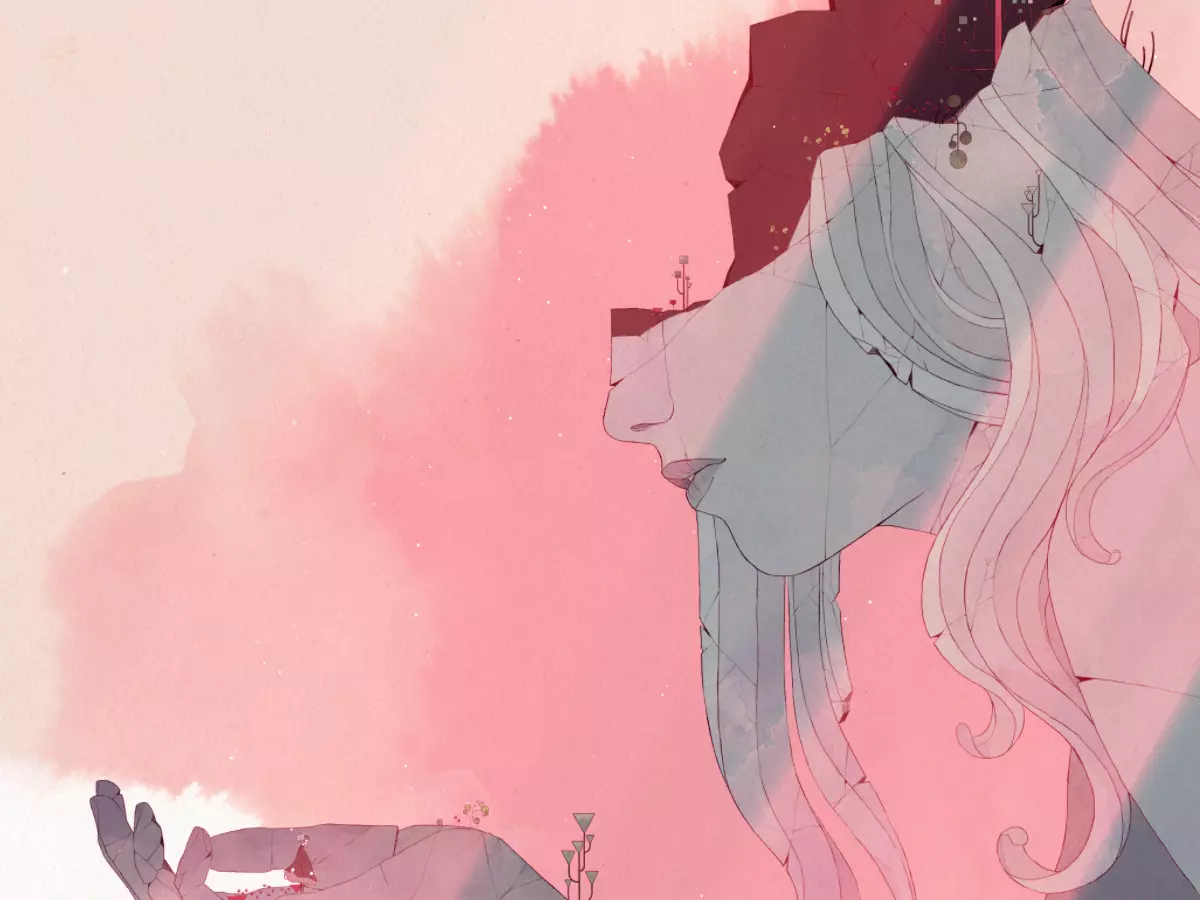
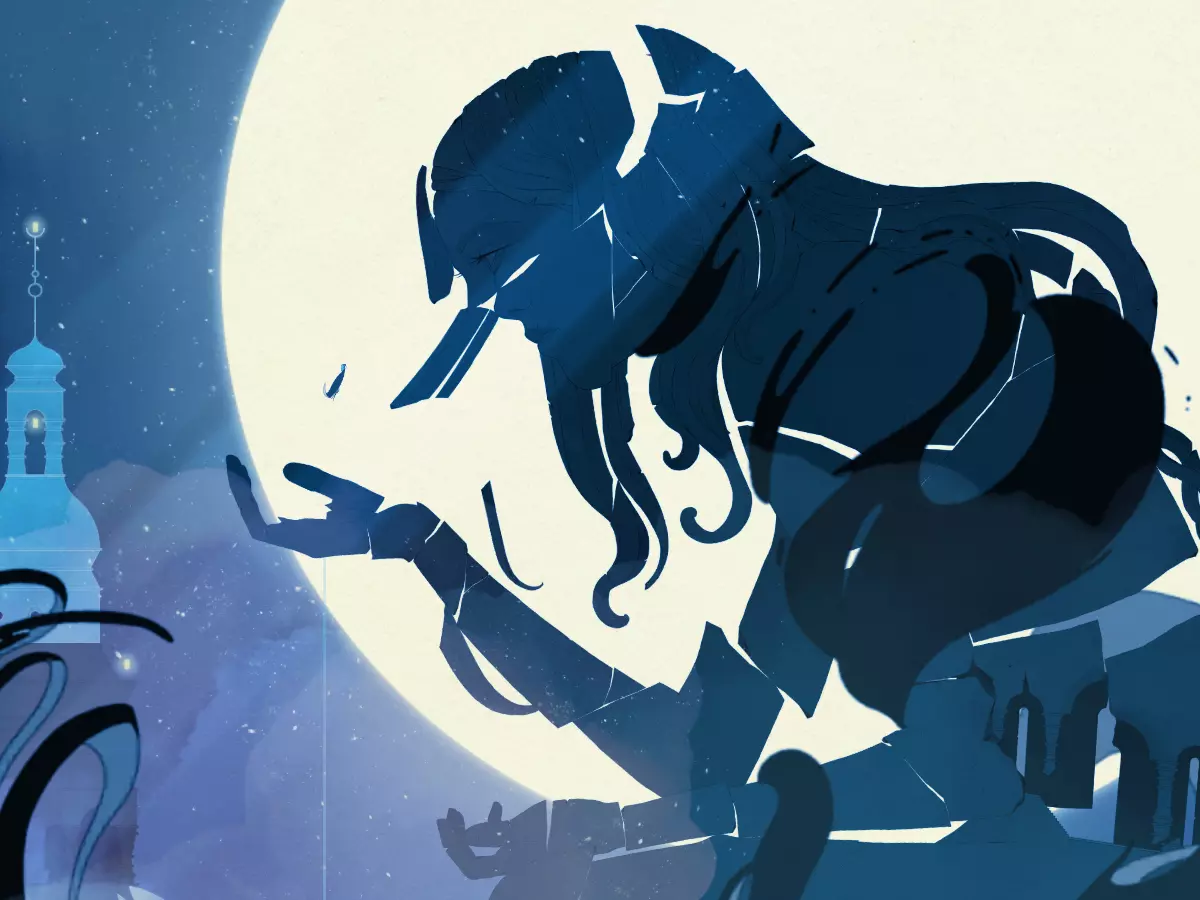
明白了吗?我们最终发现母亲的雕像一直处于如此残破的状态,并非因为什么难以理解的原因,而是因为它遭受了暗影本身的侵蚀。来自那条海鳗。而海鳗是强奸的隐喻。就是这样,这一切都发生在了她身上。 你可能会说这只是猜测。但有一些证据可以证明这一点。游戏中只有两个人物形象——母亲和女儿。那么,【这个】又是谁呢?
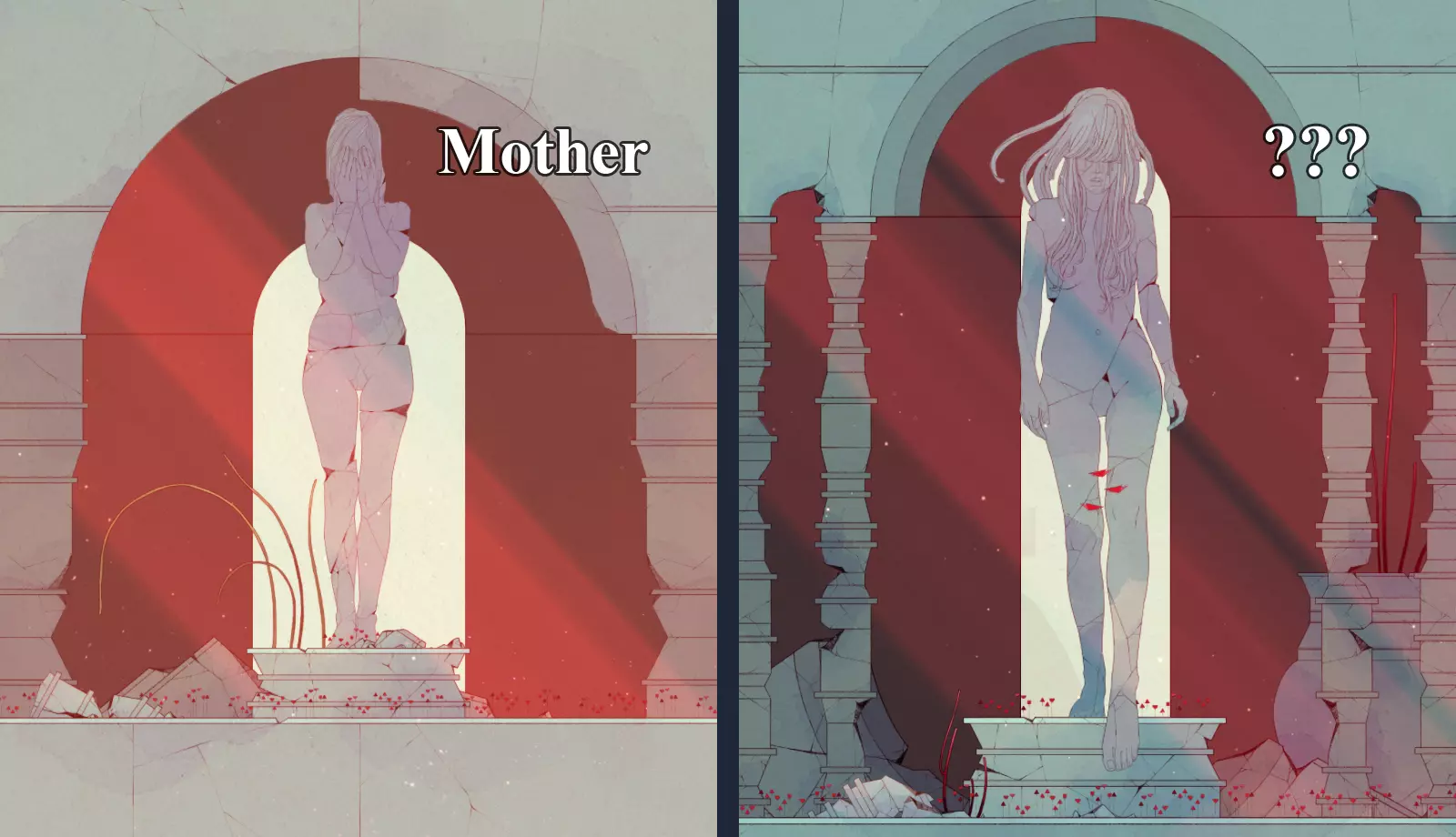
这不是女儿。因为发型不同。 但她看起来也不太像母亲的雕像,因为我们看到的不是成年女性,而是一个年轻女孩。所以,这是年轻时的母亲。几乎难以察觉,仅在直觉层面,但这座雕像似乎描绘了一个受虐待的少女——她在哭泣,那里的一切都破碎了。这就是她经历那件事的时候。结果我们的女主角出生了。这就是为什么女孩的母亲一点也不老——她过早地成为了母亲。 关于乌龟 一个强大而神秘的形象。这只乌龟看起来很奇怪,它的形象有些反常,似乎在暗示着什么,但很长一段时间我都无法理解。但过了一会儿,答案似乎显而易见。尽管这只海龟看起来像是水域关卡的真正居民,但她实际上并非来自这里。她的元素属性并非水与压抑,而是岩石与愤怒。在红色关卡中,一座由红色石头构成的行走塔楼曾为我们提供帮助,同时还有各种尺寸的类似石制生物在我们身边同行。
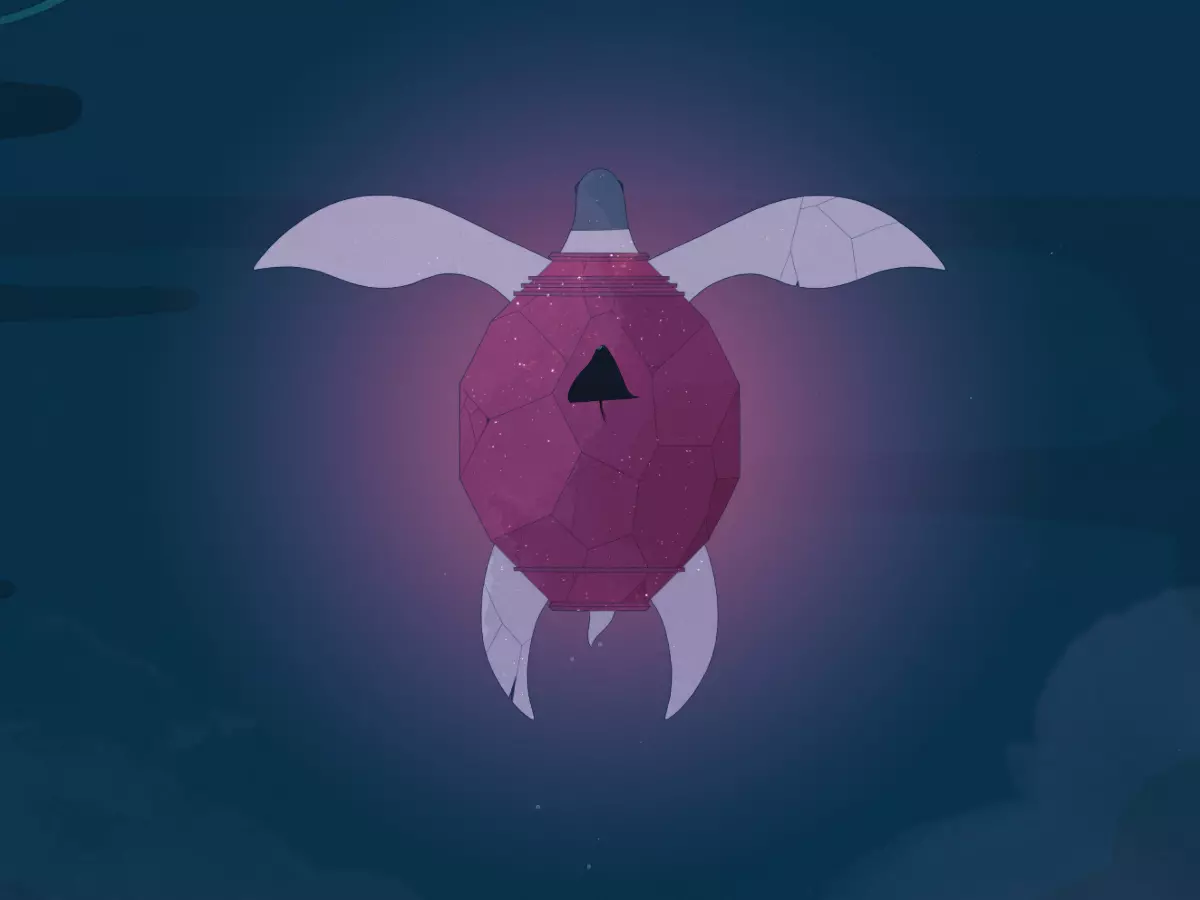
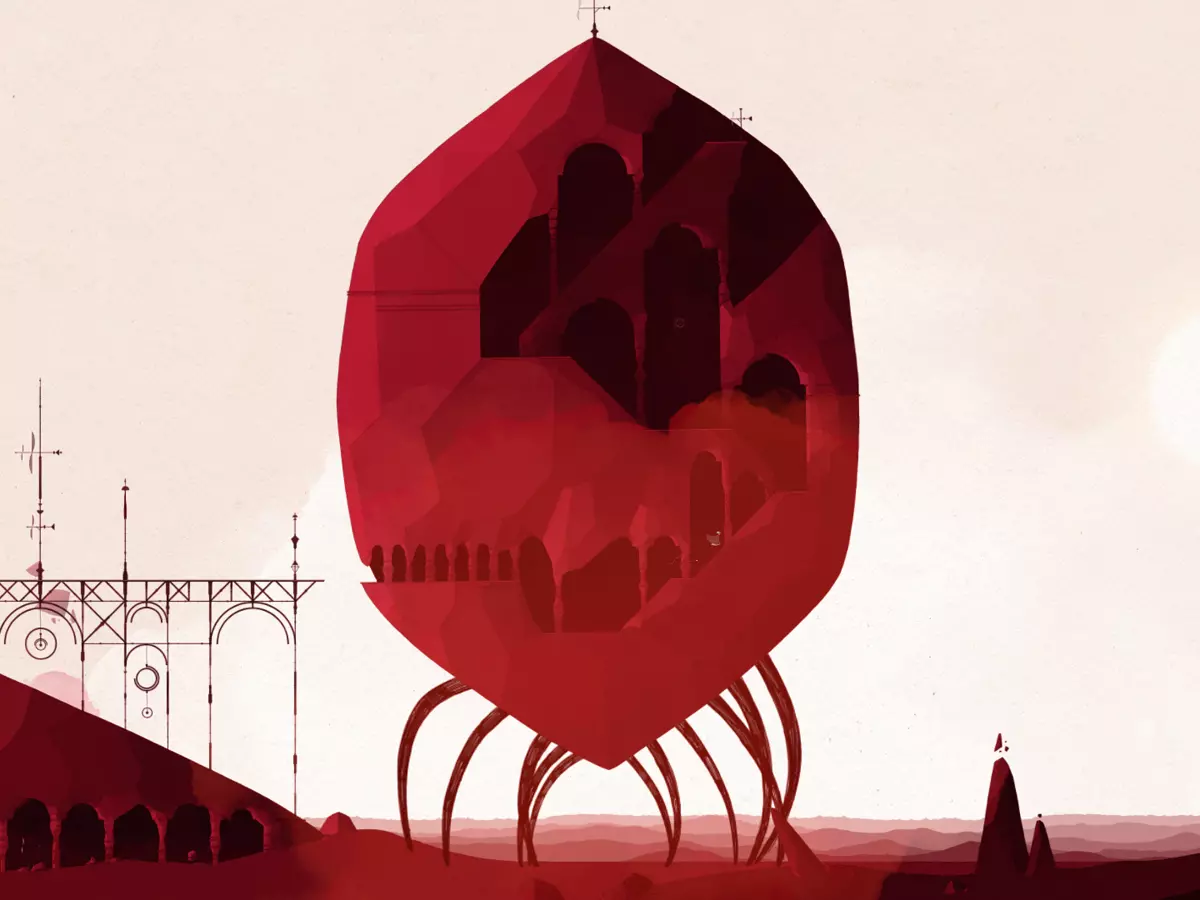
在那里,我们还将星星嵌入石 cube 中来激活机关。这只乌龟完全一样,它的壳由同一种石头制成,并且由星星唤醒——它是一只愤怒的生物。正义的化身。尽管有许多生物在帮助我们,但那些帮助总是温和、被动且不确定的。只有这只乌龟提供了最直接且强大的帮助——在最需要的时候,将海鳗撕成了碎片。 此前,有成员提出了一些有趣的解读,但它们仍然具有误导性。有一种说法认为乌龟是朋友(或许是一位年长且智慧的朋友),成功将女主角从困境中救出。或者这是一场未曾发生的胜利,一种创伤后应激障碍,一种“真希望他们当时救了我”的幻想,但这与音乐并不相符——作曲家马可·阿尔巴诺和他的乐队Berlinist太过出色,不会制造出这种不协调感。这两种解读都认为麻烦发生在了女儿身上,但我们已经发现事实并非如此。无需过度复杂化,也不必在他们人生经历的共同点上强行给出解释。 事实上,答案显而易见。乌龟象征着母性本能的胜利,以及……子宫。看看那个画面,鱼儿仿佛被包裹在那个熟悉的红色保护形状之中。 乌龟就是母性本能,它阻止了这位女性犯错。这座年轻的母亲雕像描绘的是她准备迈出那一步的瞬间——也就是要么杀死自己,要么杀死孩子。但在最后一刻,母性在她心中胜出了。那个保护性的外壳就像一个庇护所,又像一个子宫。乌龟象征着母性的渴望。它并非从外部某个地方摧毁海鳗,而是从内部突破,这绝非偶然。母亲找到了改变自己态度和角色的力量,而我们的小鱼也获得了活下去的机会。 尾声 很明显,这样的创伤不会毫无痕迹地消失。尽管这位女主角的母亲是善良的,但她仍然很难去爱自己的孩子。这与她们之间发生的某种冲突交织在了一起。一个十几岁的女儿,曾是母亲的挚爱,却又不被期待,她失去了声音,与不良之辈为伍;而母亲则被过去的心魔所困扰,且似乎身患绝症……母女二人始终无法相互理解。 在整个游戏中,女儿要解决的问题不止一个,这使得游戏中的隐喻表达既密集又丰富。她失去了自己的天赋,在此背景下与母亲发生争吵——母亲因个人创伤,无法给予她足够的关爱。女儿从一个乖顺的少女逐渐学坏,结交了不良团伙,后来试图摆脱他们,却遭到了报复。她还养了一只宠物,却未能承担起责任。最终,她开始与母亲重新建立联系,并逐渐了解母亲及其黑暗的过去。遗憾的是,他们最终还是弥补得太晚了。 母亲的离世并非发生在游戏初期,而是在结局部分。当女儿经历了接受即将到来的失去的五个阶段后,她成功与母亲和解,得到了母亲的帮助,学会了放手,并最终在母亲的墓前歌唱。故事的最后,她并未化作星辰升入天空,而是遵循母亲的遗愿——与星辰为友是她学到的一课——离开了游戏所专注构建的情感模式,而整个故事正是在这一模式中展开的。