
 换一换
换一换 




本指南旨在介绍《城市:天际线》的工业系统及工业供应链。指南后半部分将涵盖工业DLC内容,无该DLC的玩家可忽略相关部分。本指南包含重要游戏机制、通用技巧与良好实践、问题排查及部分模组推荐。由于交通是一个庞大的独立主题,因此未包含交通细节或道路/铁路布局内容。最后,本指南并非旨在提供一套极致高效的工业供应链攻略,而是帮助玩家自行探索并发挥创造力。 工业概述:重要性 工业是任何城市的关键组成部分。在《城市:天际线》中,工业有两个核心作用:提供就业岗位,以及为商业区域提供待售商品。工作的主要替代选择是办公室,但办公室只接收受过教育的工人。其他替代选择,如商业或服务业的工作岗位,不足以满足全部人口的需求。你可以进口商品,但这存在限制,并且需要进行大量的交通管理。 提示:还有两种提供商品的方式。【IT专业化】能让办公室生产无形商品,不会产生任何卡车交通;【有机和本地农产品】区域专业化能让商业区自行生产一半的商品。 工业供应链 《城市:天际线》中有4种基本自然资源:石油、矿石、肥沃土地和林业。 石油和矿石不可再生,会随着使用而枯竭(你可以使用内置模组关闭枯竭功能)。肥沃的土地和林业资源是可再生的,不会耗尽。不过,如果你在肥沃的土地上种植大量树木,土地肥力将会下降。林业资源就是成片的树木,你可以种植一些,游戏会将其视为自然资源。如果你移除这些树木,自然资源也会随之消失。这虽然不太现实或合乎逻辑,但游戏设定就是如此。 采集类建筑会采集自然资源并将其转化为原材料。这类建筑需要建造在存在自然资源的土地上。 加工类建筑会对原材料进行加工,将其转化为加工材料。 所有4种工业类型生产的加工材料,会被单一类型的通用工业用于生产商品,这些商品随后由商业场所进行销售。建筑输入输出提取器 自然资源 原材料(RM) 加工厂 原材料(RM) 加工材料(PM) 普通工业 加工材料(PM) 商品 商业区 商品 售予顾客 提示:回收中心可将垃圾转化为加工材料,供普通工业使用。 工业分区与区域 specialization 提取厂、加工厂和普通工业均在工业用地上发展。默认情况下,普通工业会在工业用地上发展;若未进行工业 specialization,它们将直接进口加工材料。 若创建区域并为其指定一种 specialization,该区域将根据 zoning 土地上的自然资源可用性,仅发展提取厂和加工厂。
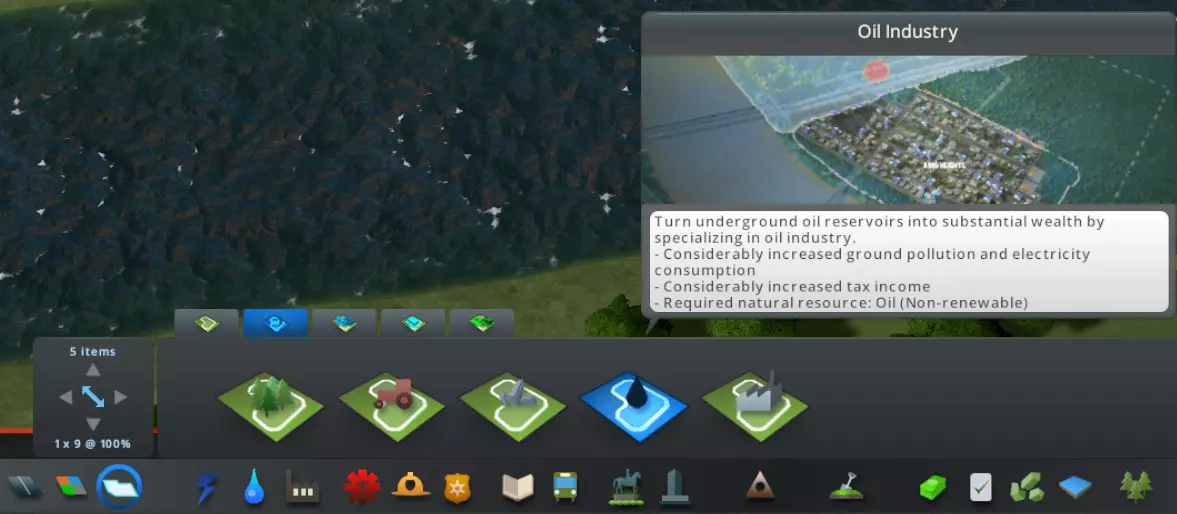
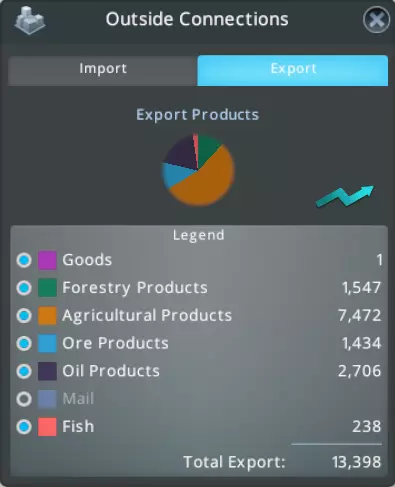
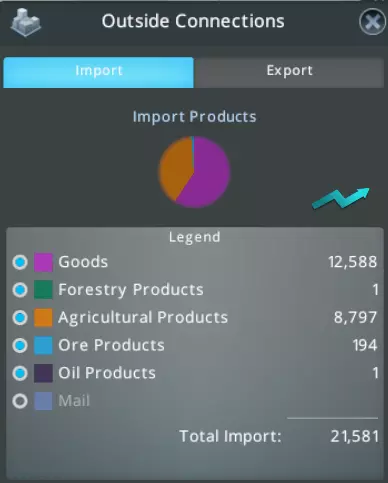
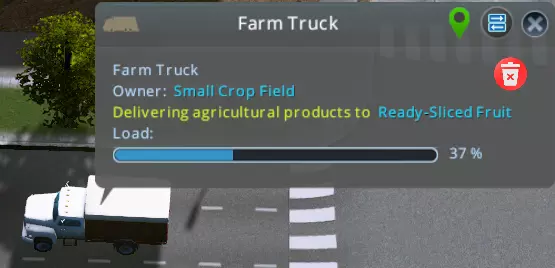
到目前为止我提到的所有材料都可以进口或出口,因此你不必强制平衡它们。不过,你可以通过区域和专业化来减少进口并控制交通流量。 名称混淆问题:特定工业类型的原材料和加工材料在卡车以及进出口界面上的标签相同。这有时可能会造成混淆,所以请记住这一点。 这是我城市的农业专业化产业,它大量进口农产品(农作物),同时大量出口农产品(加工材料)。
工业DLC:打造你的专属收益! 该DLC的核心特色是能够建造并运营属于你自己的工业建筑,包括提取厂、加工厂、工厂和仓库。这些建筑规模庞大,外观也十分出色。 你拥有这些产业,因此你将获得利润而非税收。但另一方面,如果运营和供应链出现问题,你将面临亏损而非建筑废弃。你需要更加谨慎地管理供应链,而仓库将帮助你实现这一点。 材料与供应链概览 在开始之前,这里为你提供包含DLC在内的完整供应链和材料清单,供你参考。我们将详细介绍所有内容。
这是工业供应链中所有可用材料的表格。
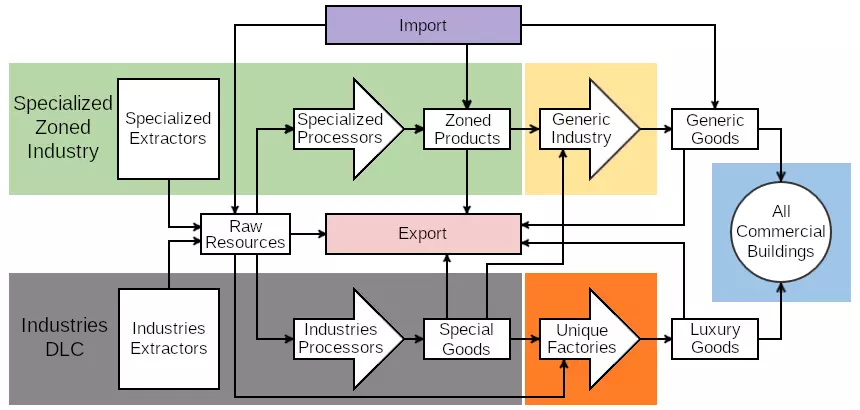
这是维基上的供应链流程图。名称略有不同。 工业区:新供应链 要建立自己的工业区,你需要先规划工业区范围并放置主建筑。
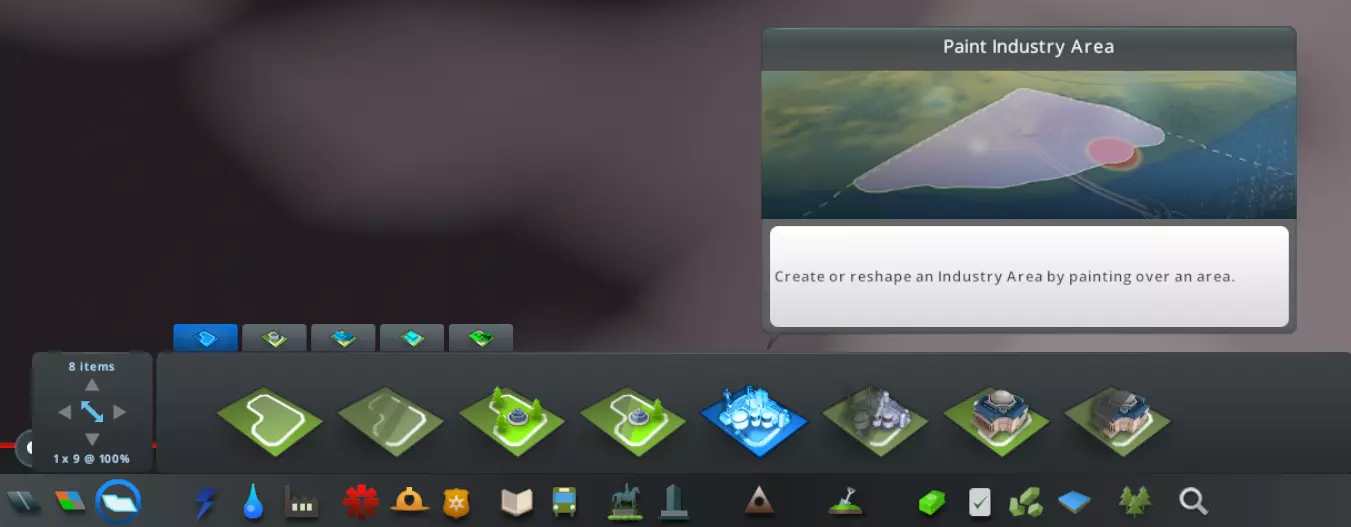
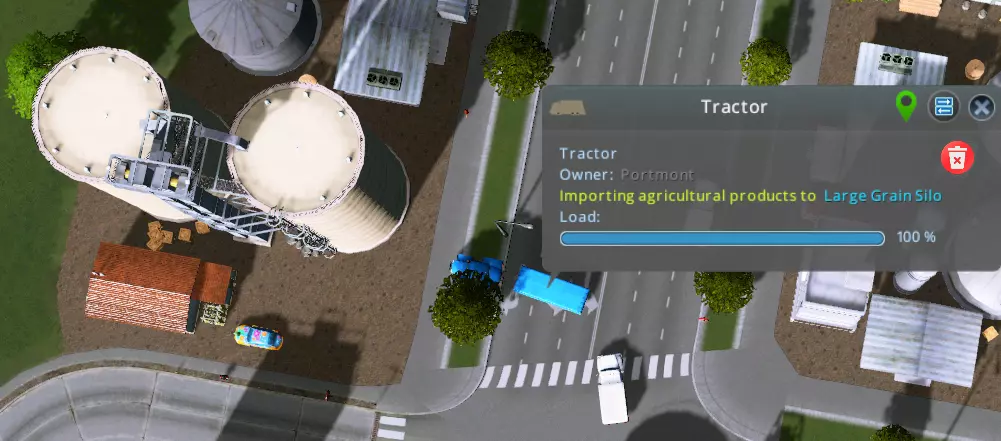
游戏开始时你会解锁少量建筑,但随着工人数量增加和产量提升,你的区域会升级并解锁更多建筑。你还可以根据产业区域等级获得一些政策、辅助建筑和加成,这些内容都比较容易理解。此外,你还会拥有用于存放原材料的仓储建筑,我们将在仓库部分详细讨论。 DLC中的采集器需要放置在自然资源上,放置时可以查看它们的原材料产量。DLC采集器产出的原材料现在有了明确的名称:石油、矿石、农作物和原始森林产品。它们与区域规划采集器产出的原材料功能相同,完全可以互换使用。这意味着你不需要地图上的自然资源就能建造特定的工业。你可以直接进口原材料。不过,你需要仓库才能让它们正常运作,这一点我们稍后再讨论。 在逻辑世界里,这应该能解决我们之前看到的命名问题。但Paradox决定坚持他们的风格,现在你会看到DLC中的农业提取器(本应生产农作物)将【农产品】发送到分区处理器,而该处理器加工后会再次产出【农产品】。 你可以看到我的农作物仓库接收【农产品】,而我的农作物农场也发送【农产品】。
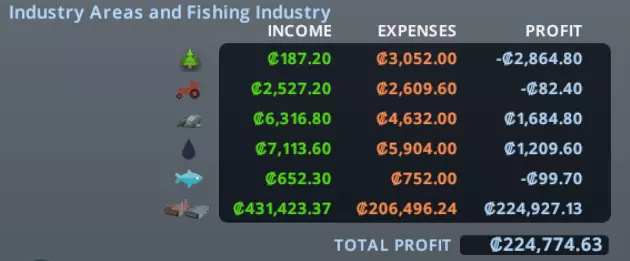
Your DLC processors use the raw materials to make newly introduced special goods. You have eight of them, two per industry type. They cannot be imported, and they do not have any substitutes. They are primarily used by unique factories, but generic zoned industries can also use them to make commercial goods. Raw Material / IndustrySpecial goodsCrops / FarmingAnimal Products FlourRaw Forest Product / ForestryPlanned Timber PaperOreMetal GlassOilPlastics Petroleum Unique Factories: Truly Colossal! These are some of the most gigantic and unique looking buildings in the game. They take some combination of the eight special goods as input material and produce unique factory goods which act like commercial goods. All unique factories goods are functionally the same despite different names (like electronics, cars) shown on the building info view. Unique factories do not belong to any particular industry type, and consequently can be placed anywhere on the map. They need multiple input materials, so they will stop working even if just one of them is missing. But, they can make a huge amount of profit if your supply chains are functioning properly. You can also control their production rate between 50% to 150%. The operating cost is proportional to the production rate. Apart from special goods, some unique factories will ask for crops directly. Shipyard makes huge ships. So, they do not need trucks to send to customers. Customers just sail their ships away. Managing Supply Chain Supply The first part of managing the supply chain is ensuring you have enough supply. This is not exactly a confusing task because the exact input/output numbers for all DLC buildings are known. Just look out for productivity bonuses and multipliers. The wiki has all the production rates, costs, multipliers and other numbers.[skylines.paradoxwikis.com] The raw materials and special goods can be used by zoned industries. This means if your supply chain is very lean and zoned industries poach your materials, you will face problems. Keep redundancies at each step of your supply chain to ensure your unique factories do not run out of input materials. For example, if your unique factory needs 100 tons of special goods, make 110 tons of them. To make 110 tons of special goods, you might want to make 120 tons of raw material. The exact production buffer needed is unique to your situation, so play around a bit. Transportation The second and more challenging part of the supply chain is transportation. There can be an entire guide on this topic. Traffic is an obvious suspect; but even with good traffic, you can end up having a lot of problems with no obvious solution. I will explain the fundamental game mechanics and why they cause problems. The core problem in industries DLC is that buildings do not care about the distance when they buy input material or sell output material. This is unrealistic and coupled with the following game mechanics they cause a lot of headaches. Buildings have a limited number of trucks. All the buildings and warehouses in the industrial supply chain have trucks that they only use to sell. They will never send their own trucks to bring anything. If buildings keep selling to distant places including exporting out of town, they will run out of trucks. Soon, they will run out of internal storage to keep output material as well. In this case, they will stop working and throw a misleading ‘not enough buyers’ error. Tip: Always check the number of trucks being used when you see this error. If all the trucks are being used, then you are running out of trucks. If the number is flickering, they have trouble finding a path to their destination, check the road networks, especially one-ways. Buildings order quite late and only once. They expect very quick delivery. If they had ordered from a nearby place, it would be okay. But these people expect next day delivery even if they had ordered from another galaxy. You will often find buildings that bought from across the city or outside map and refuse to reorder when the truck is stuck in transit. Soon, they will run out of raw materials, complain about it and stop working. Fun happens when these two problems coincide. A building will order from someone who does not have any truck available. One building will complain ‘not enough buyers’ and another will complain ‘not enough raw materials’. More often than not, they're right next to each other... So, what’s the solution? Warehouses!! Warehouses Industries DLC introduces many options for storing all kinds of materials. They have their own fleet of trucks and can act as a large buffer because of their much larger storage capacity. Using them properly requires a bit of thought. Let’s see how they function. All 4 types of raw materials have their own special storage facilities that can not be utilized for any other material. They are found in specific industry tab. All processed materials and goods are stored in general storage facilities. Warehouses will solve the problem of limited trucks. But, they can not do anything if your buildings decide to ignore a full warehouse nearby and order from another side of the map. Unique factories are especially notorious for this. Spread out industrial areas will keep cross ordering across the city and cause problems. The only vanilla solution for this problem is to place everything nearby or hope your industries get lucky when they order randomly. The mod I recommend is 'More Effective Transfer Manager' because it forces buildings to take distance into account while buying/selling. Check other mods and details in the mod recommendations section. Accounting problem: Apparently, all your buildings buy goods for free from your other buildings. That means the last building in the supply chain will claim all the profits. Consequently, your industrial areas will always make a loss if they send most of the materials to unique factories or warehouses. Unique industries will always get all the processed materials for free since those cannot be imported or made by zoned industries. This is why your budget panel does not reflect the actual performance of the industries. Also, the industrial cash flow number and production number in the industrial overview window will fluctuate quite a bit because the profit is only registered when the trucks drop off materials or goods to someone else. Here's an example of my city attributing most of the profits to my unique industries and warehouses. (Ignore fishing, it is part of sunset harbor DLC, not industries DLC.)
仓库放置与模式 仓库有三种运行模式:平衡模式、填充模式和清空模式。这是我制作的一张便捷参考图表。
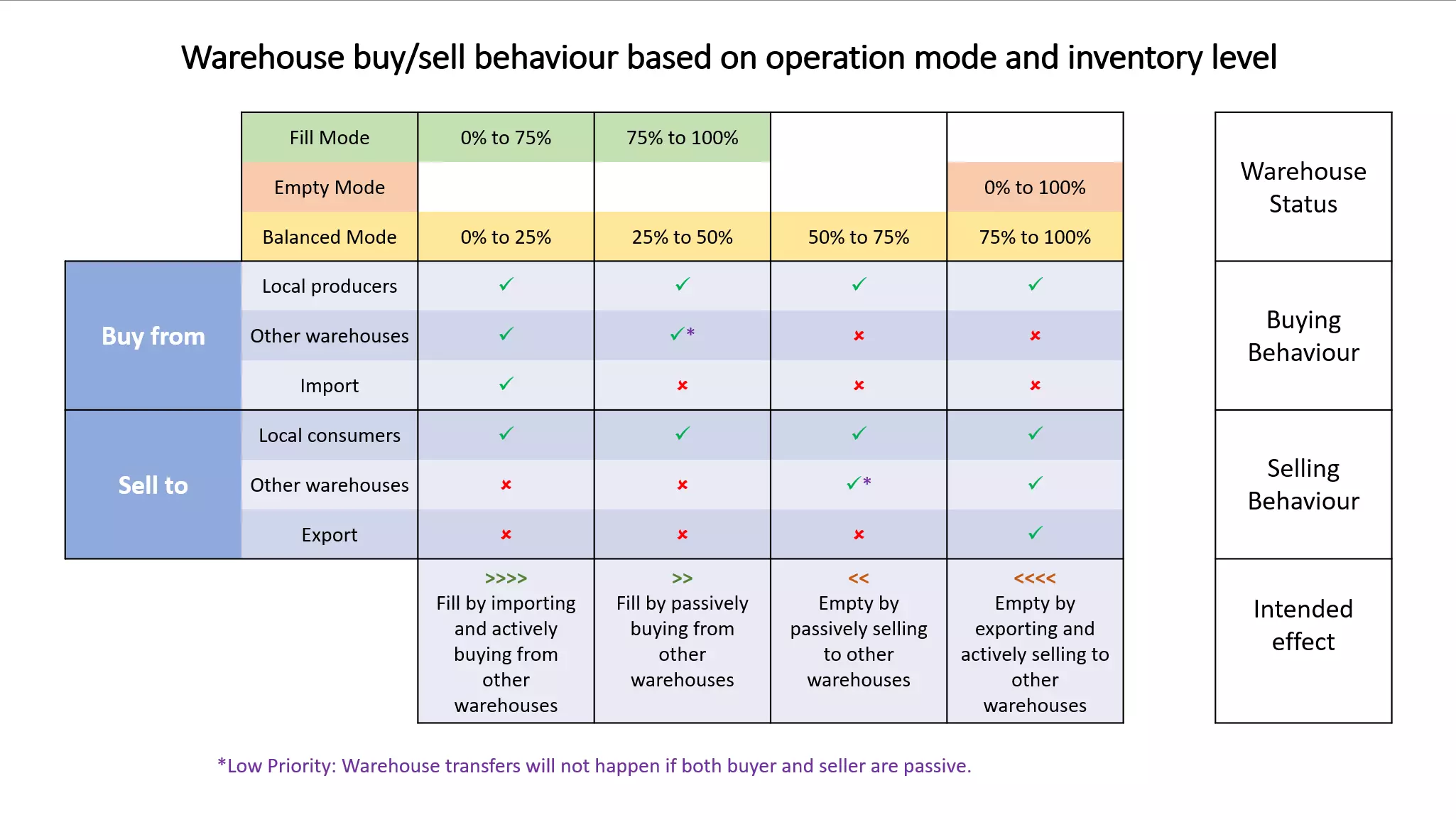
仓库始终愿意从本地产业收购货物并向本地产业出售货物。 仓库只会用卡车送货,不会用卡车运货进来。 理想情况下,你应该在该材料的所有生产区和消费区都放置仓库。 如果仓库的卡车不够用,可以建造更多仓库或更大的仓库。 平衡模式能够应对各种使用场景,因此你可以让所有仓库都保持在平衡模式,它们会正常运作。自新更新后,平衡模式在库存水平处于25%-75%时会触发被动仓库转移行为,这使得仓库之间的转移非常可靠,供应链管理也更加稳健。在清空模式下,仓库会立即出售所有物品,因此只有当附近没有需要这些货物的企业时,才使用此模式。 在填充模式下,仓库会通过主动采购来尝试保持100%的库存水平。随着新更新,它现在最多只会进口75%的库存,然后尝试通过从其他仓库购买来进行本地采购。只有当附近没有生产这些货物的企业时,才使用此模式。 仓库可能会出现超出其容量上限的额外库存,这是因为在库存水平低于阈值时已下达订单,这种影响可以忽略不计。 货物运输选项和交通提示 在《城市:天际线》中进行货物运输时,您不仅限于使用卡车和道路。您还可以使用货运火车、船只和飞机。正确使用它们能给你带来巨大帮助。它们可以减少所需卡车的数量,因为卡车只需在本地卸货。 火车是最容易使用的,但如果没有模组,你可能会遇到几乎空载的货运列车在城市里四处行驶,造成交通网络堵塞。构建一个功能完善的火车网络需要一些功夫,但回报会非常丰厚。 货运船和飞机不会受到交通拥堵的影响,因为它们可以相互穿模而过。不过,放置它们会更困难。货运港口需要有航道接入,而机场则占用大量空间。
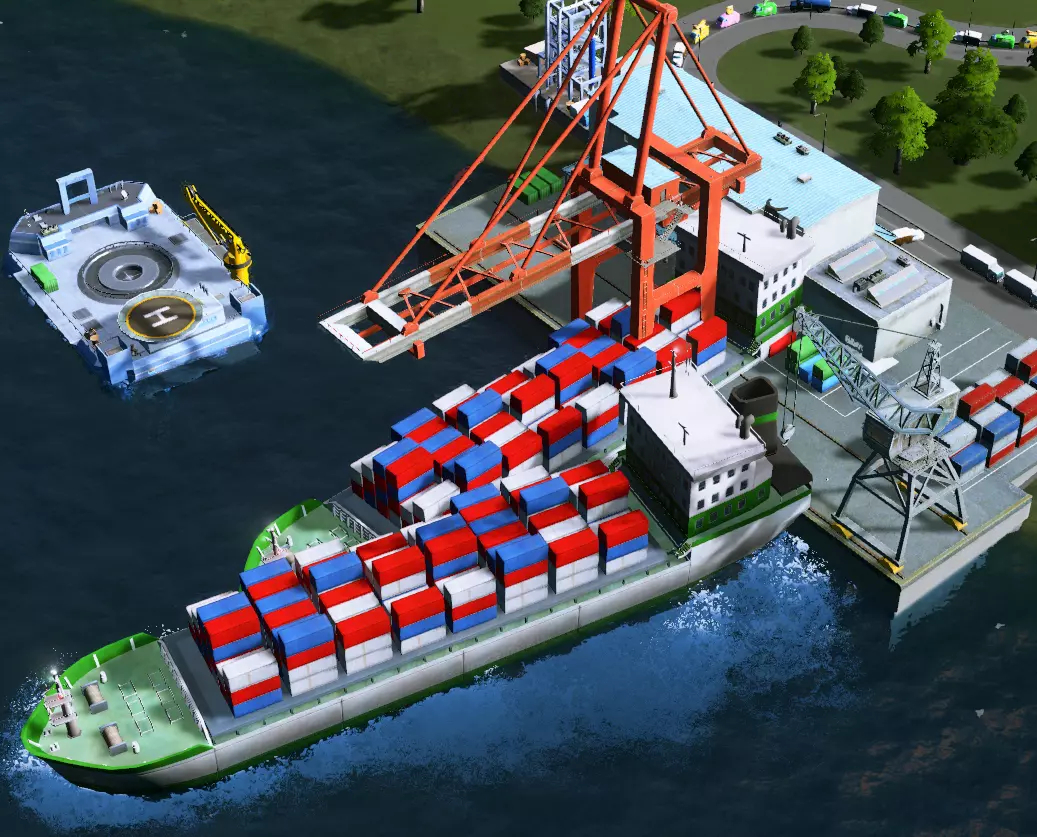
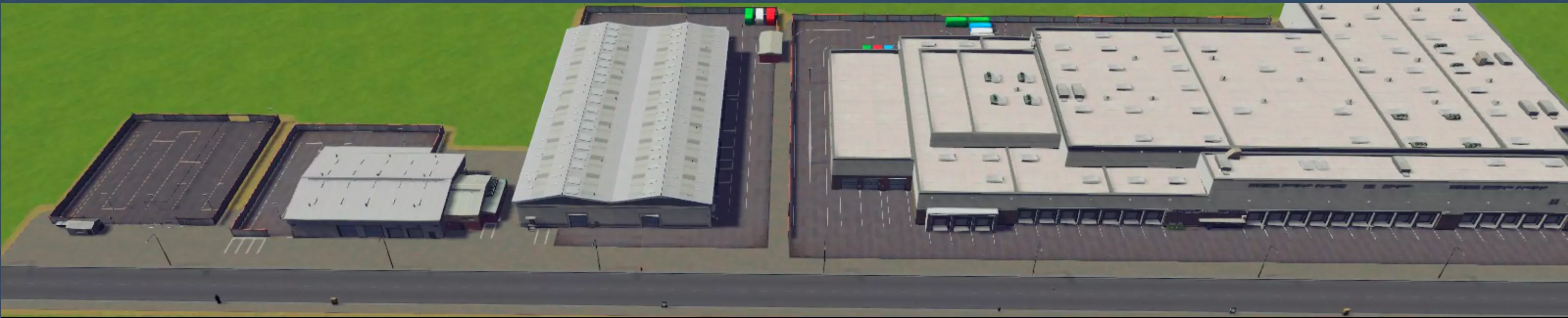
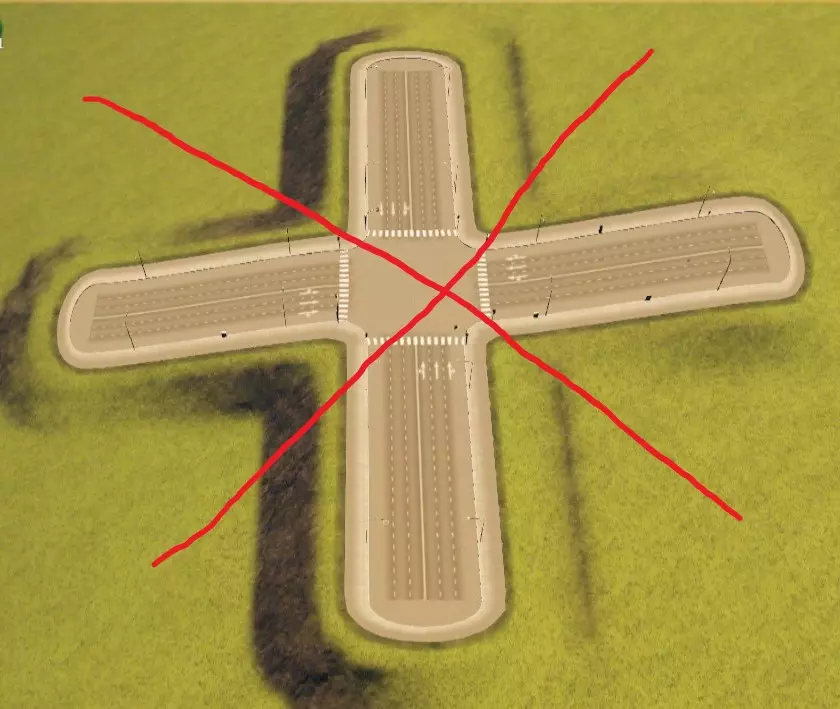
交通提示:避免将工业建筑或仓库直接面向道路。为入口设置一条死胡同小巷。这样可以确保卡车能够双向进出,并且在装卸货物时不会阻挡其他车辆。 确保所有小巷都没有交通信号灯。一条小巷容纳4-5栋建筑是可以的,但不要把它建得太长。
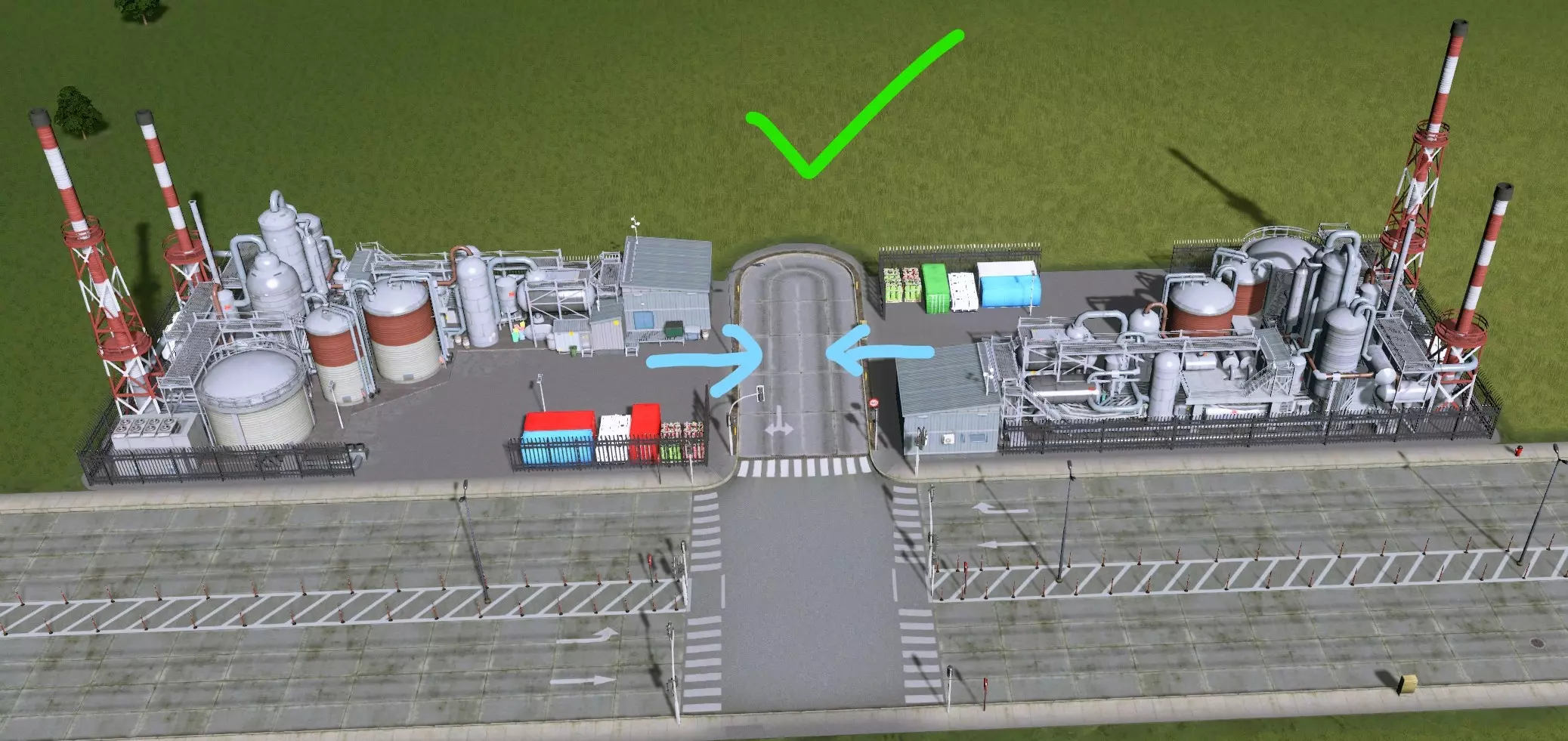
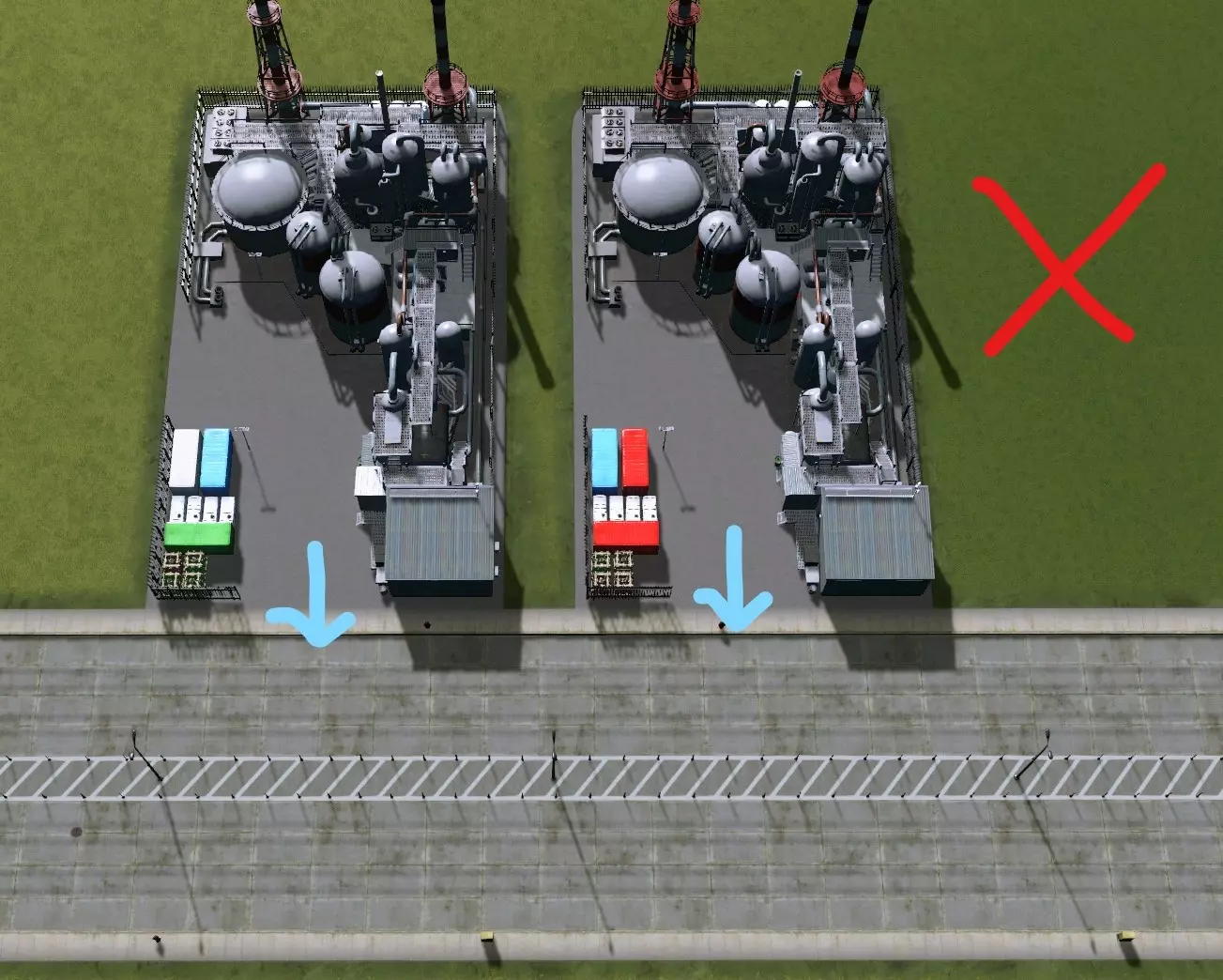
工业区应避免过多单行道,否则可能引发交通问题。此外,过于密集的工业区也会造成交通拥堵。 货运站、港口和机场的入口处往往会产生大量道路交通,因为它们吸收卡车的速度存在固有限制。为这些建筑使用专用单行道,而非直接连接主干道。如果入口附近出现严重拥堵,应建造新的同类建筑,而非设置过长的缓冲区。 铁路网络由客运列车和货运列车共享,两者可能相互干扰。应确保所有车站都设有更短的绕行路线,以便其他列车更倾向于使用绕行路线。你可能需要通过构建多个铁路网络来分离货运和客运交通。 你可以在客运站禁用城际列车交通。仅在少数客运站允许城际交通,能显著缓解铁路网络的压力。 地图边缘吸收列车的速度相当慢,因此你可能需要依靠模组来解决这个问题。船舶和飞机则不存在此类问题。 火车、飞机和船舶不会空驶返回。因此,你可以在单向网络设计上发挥创意。你也可以建立独立的道路网络,或者禁止卡车通行,以强制通过火车等其他方式进行转运,但可能需要单独提供所有服务。推荐模组 以下是一些能帮助你更好地体验工业DLC的模组,无需担心错误行为和特殊问题。这里提到的模组具有多种功能,但我只说明将它们列入列表的主要原因。我没有包含像TMPE或道路无政府状态这类重要的道路交通模组。 额外景观工具——允许你在任意位置放置石油、矿石和肥沃土地等自然资源。 扩展游戏选项——允许你更改石油和矿石的消耗速度。 更高效的运输管理器——通过使用建筑物之间的地理距离改进所有服务的买卖算法,从而修复许多供应链问题。它还为仓库和出口提供了一些很棒的选项。这是一个即插即用的模组,我一直在使用。 增强区域服务——这是一个功能极其强大的模组,允许你对工业和服务设施的所有买卖关系进行精细化管理。不过这需要投入大量精力。 工业再平衡——修改了工业DLC建筑的诸多数据,如生产速率和卡车 cargo capacity(载货量),使其更具真实感。 优化外部连接——允许火车、船只和飞机在装载货物后再出发,从而有效减少网络中的运输工具数量。 更多网络内容——允许你自定义船舶航线,这样就能更轻松地放置港口。 不可升级:转换车站——允许你编辑连接货运港口的道路,使用时建议搭配单行道。结语 《工业》DLC可以带来很多乐趣,而且城市的建造和管理并没有唯一正确的方式。这里的知识是我个人经验、实验以及多年与社区互动的总结。希望本指南能帮助你理解游戏机制,并让你在自己的城市中发挥创造力。欢迎任何反馈、建议和讨论。