


Battlefield Studios
Battlefield Studios

TA什么都没有写
 发帖达人Ⅰ
发帖达人ⅠBattlefield Studios
作品&资源 · 3




游戏档案
0
玩过游戏数量
0秒
总游戏时长
动态

《战地风云6》1.3.1.5版本更新内容 1. 1.3.1.5版本生活品质游戏更新将于UTC时间5月26日08:00上线,此次更新将针对大逃杀、门户、地图、装备、载具、武器及用户界面进行一系列集中修复与改进。 2. 本次更新旨在提升核心游戏体验的一致性,解决可能影响重生或部署的问题,并通过优化菜单、用户界面提示、匹配反馈及进度显示,使大逃杀和门户的信息更加清晰。 3. 1.3.1.5版本主要更新内容:修复了哈根塔尔基地、格尔木铁路及门户中的边界区域、出生点位置、目标行为和地图信息相关问题。《战地6》更新内容 1. 改进了大逃杀和排位大逃杀的用户界面,包括匹配信息、进度显示和加载屏幕。 2. 解决了多个可能导致玩家无法重生、重新部署或在载具上部署的问题。 3. 玩家相关: - 提高了挂载的可靠性,解决了玩家可能意外失去挂载位置的问题。 - 修复了贴花在某些表面上无法按预期显示的问题。 4. 载具相关: - 当炮手座位被占用时,队友现在可以在AH-6小鸟直升机上部署。 5. 装备相关: - 改进了MTN-55 proximity detector的侦察功能,使敌方士兵在某些情况下能更可靠地被发现。地图与模式: 1. 修复了哈根塔尔基地中玩家可利用突击梯子离开预期战斗区域的问题。 2. 玩家现在在“编辑装备”界面打开时被淘汰后,能够按预期重生和重新部署。 3. 戈尔穆德铁路: 调整了B点附近的 escalation 备用出生点,防止玩家在高空出生。 征服模式E点附近被摧毁的房屋不再留下漂浮的残骸。 征服模式D点不再能从通信塔顶进行占领。 4. 解决了可能出现占位符大逃杀加载屏幕图像的问题。 门户: 1. 更新了地图与模式筛选器中“门户Next - Complex 3”的描述。REDSEC 竞技模式: 1. 玩家现在可在大厅中选择外观自定义。 2. 当排位大逃杀匹配因队伍成员段位差距过大而无法继续时,玩家将收到更清晰的提示信息。 3. 规则与积分页面上的排名积分奖励现已反映最新的排位大逃杀平衡调整。 4. 达到999排位积分后的积分计数器表现已得到改进。 武器: 1. L115狙击步枪模型在使用该武器的玩家被复活后仍保持可见。 本公告可能会根据社区反馈以及我们对实时服务与内容的持续开发和改进而发生变化。我们将始终努力让社区尽可能了解相关信息。
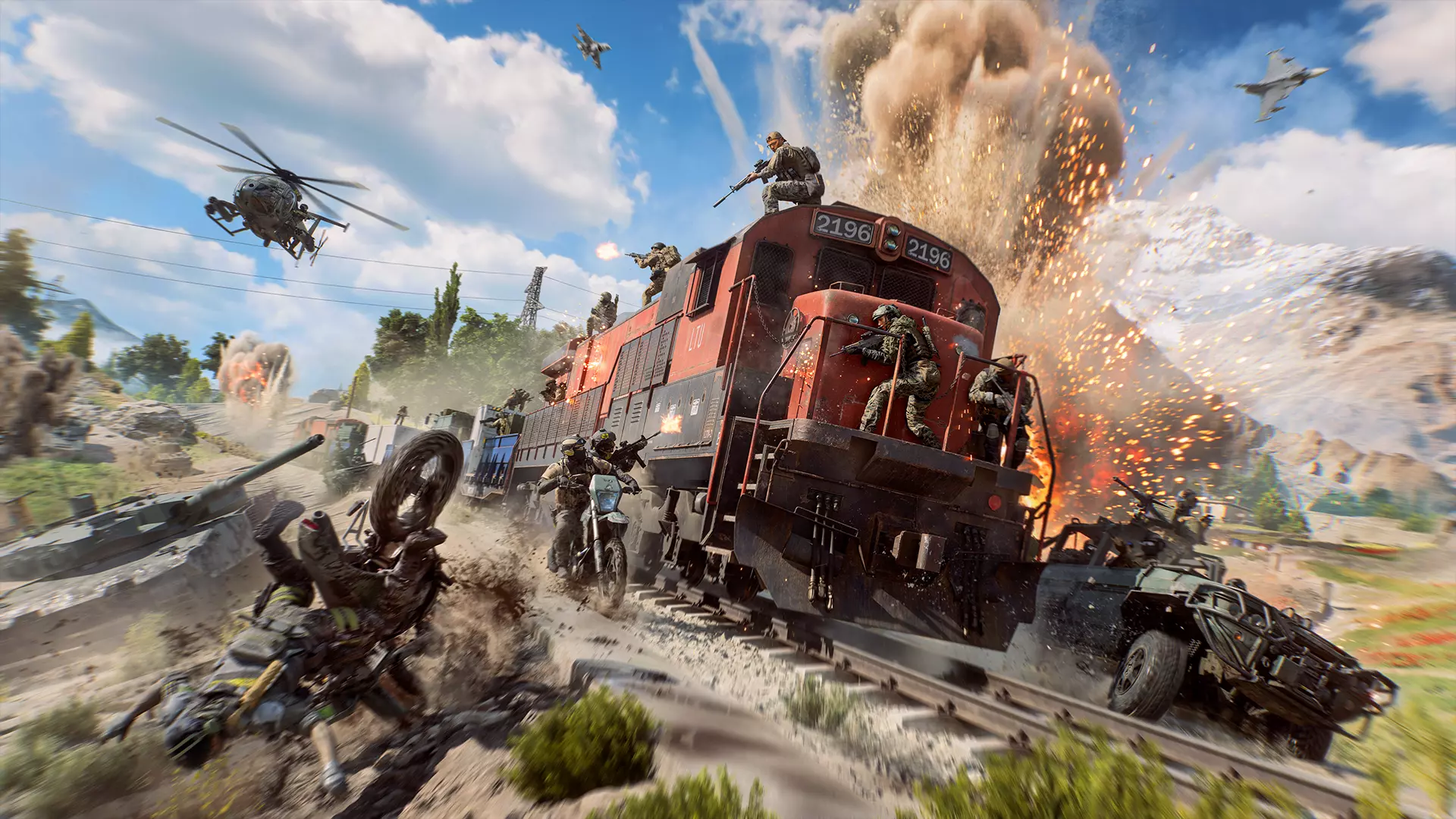
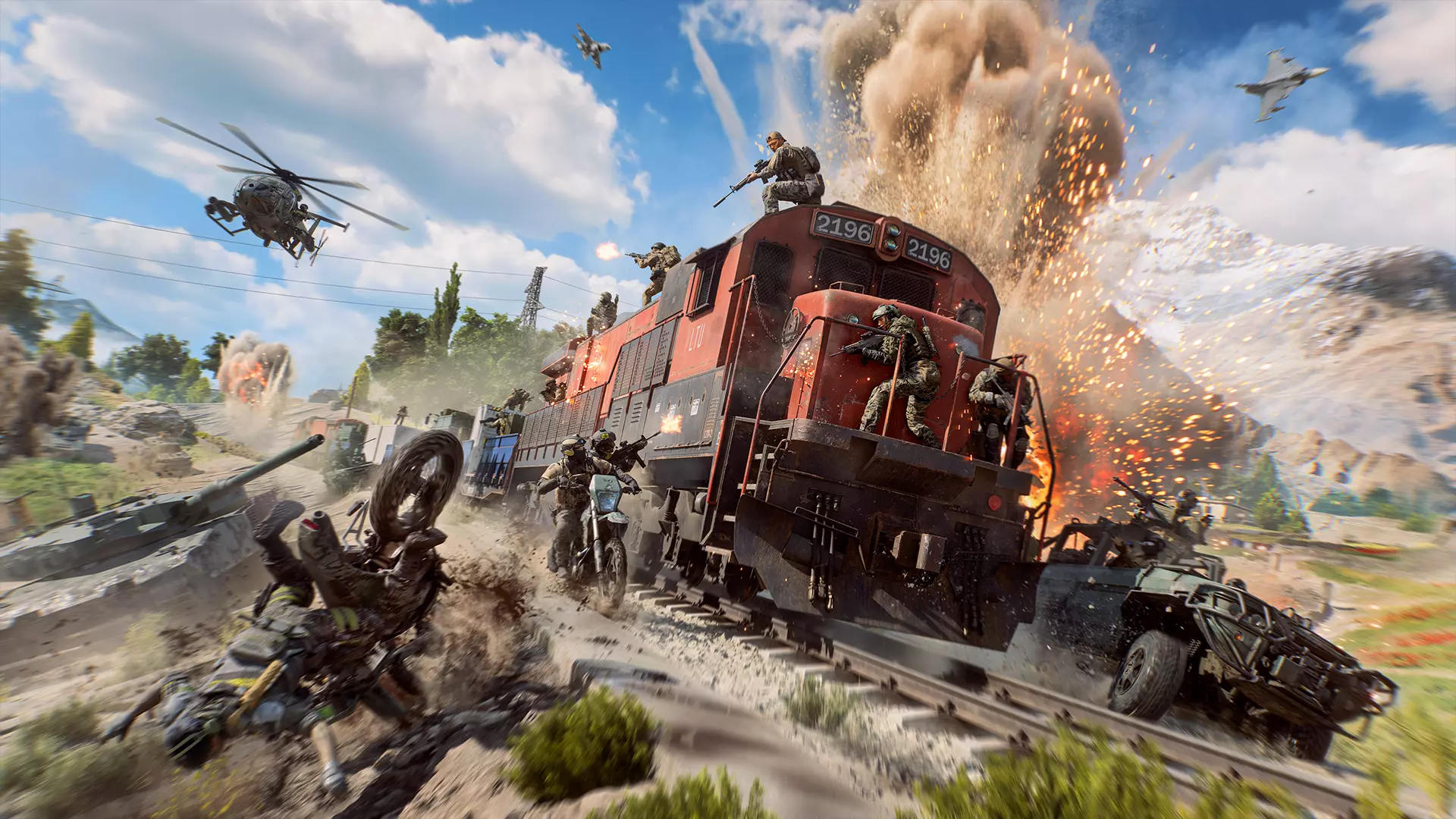
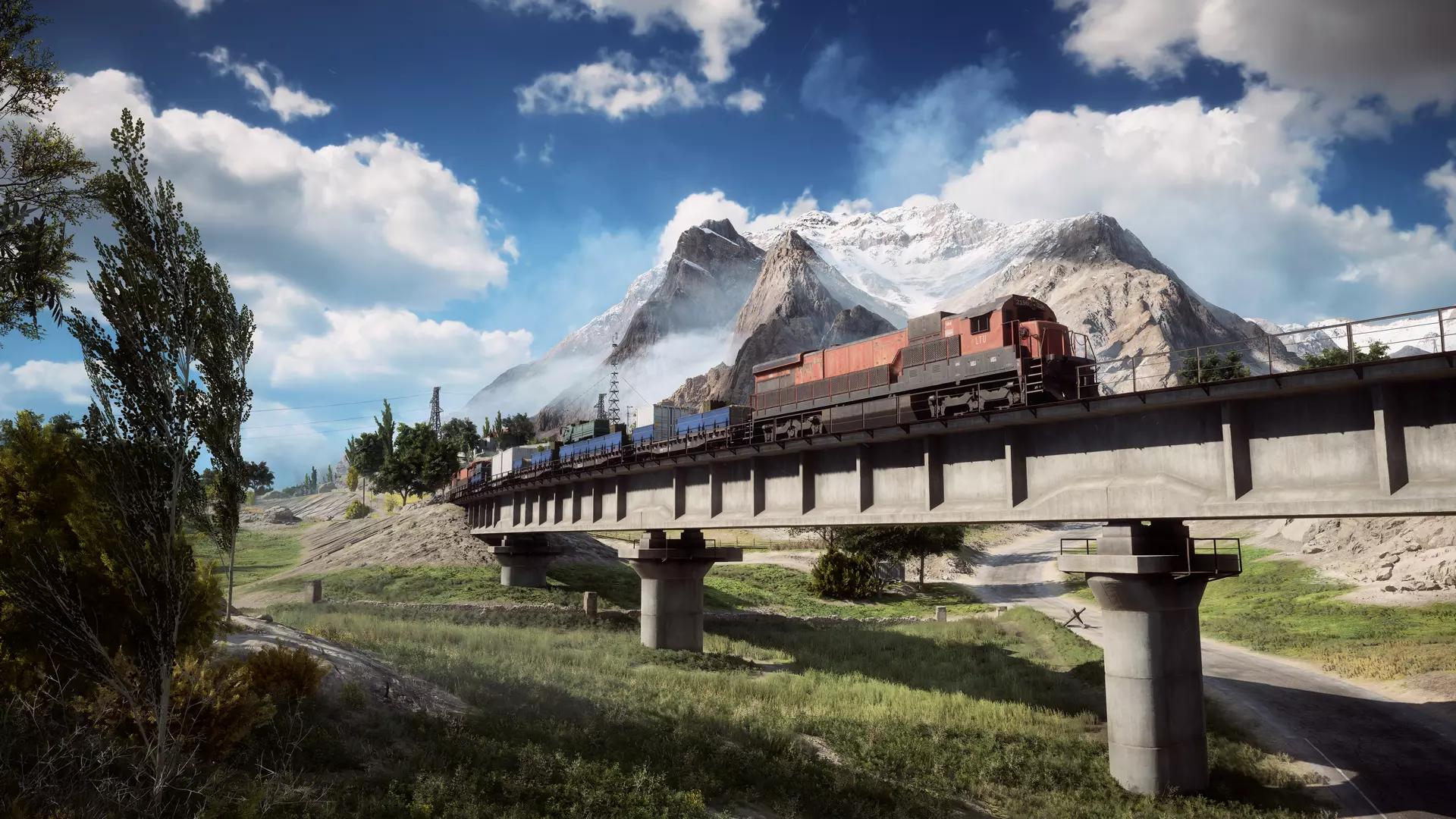
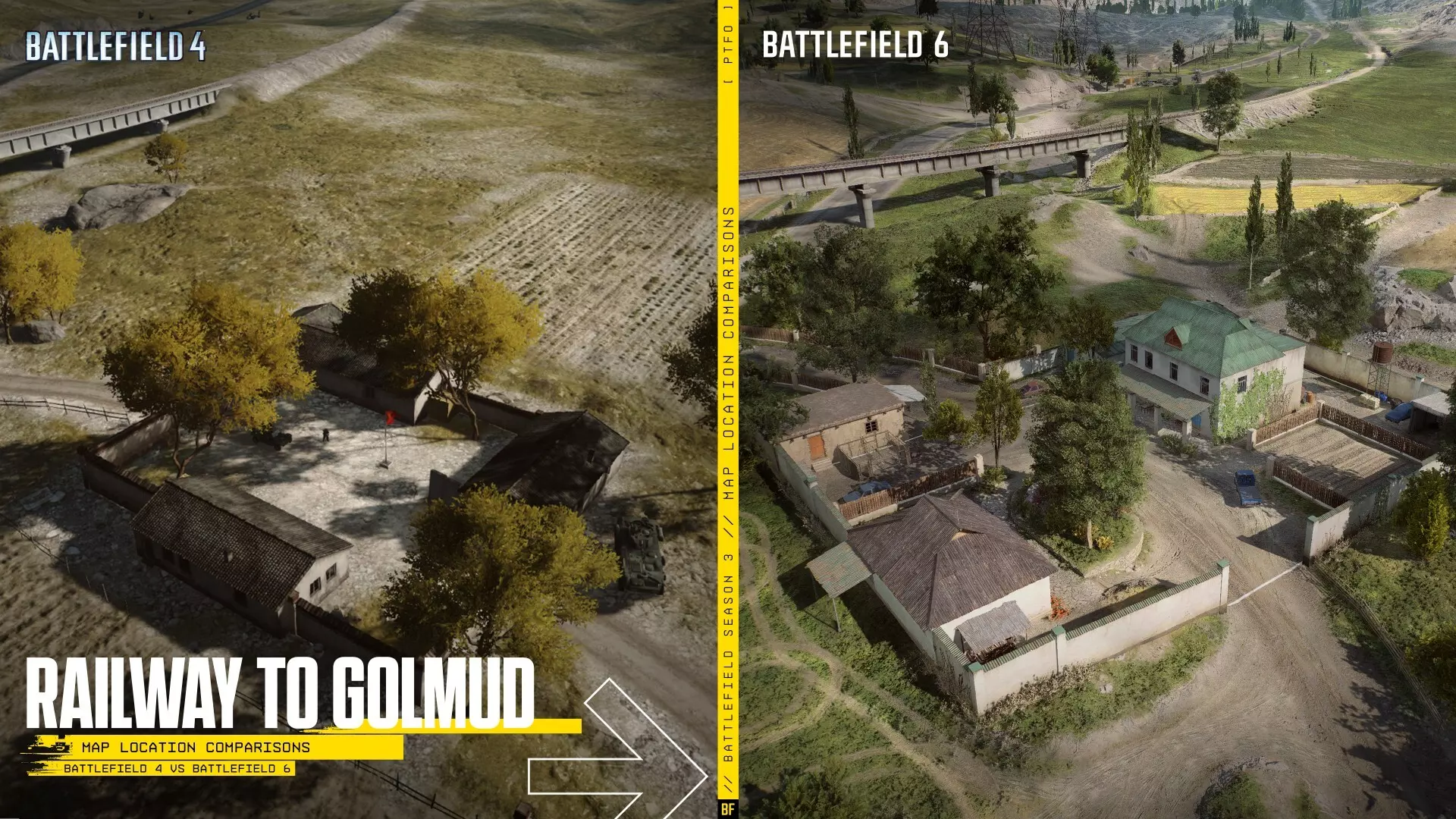
《战地6》新地图:格尔木铁路 一张标志性地图经过重塑与再设计,成为迄今为止最大的地图。包含以下区域: 1. 废墟村庄 2. 广阔起伏的地形,山谷间坦克激战正酣 3. 工业区域,适合快节奏近距离战斗 4. 移动的铁路,小队必须争夺其控制权 在格尔木铁路地图中,步兵、地面载具、喷气式战斗机和直升机将在一场大规模全面战争中激烈交锋。
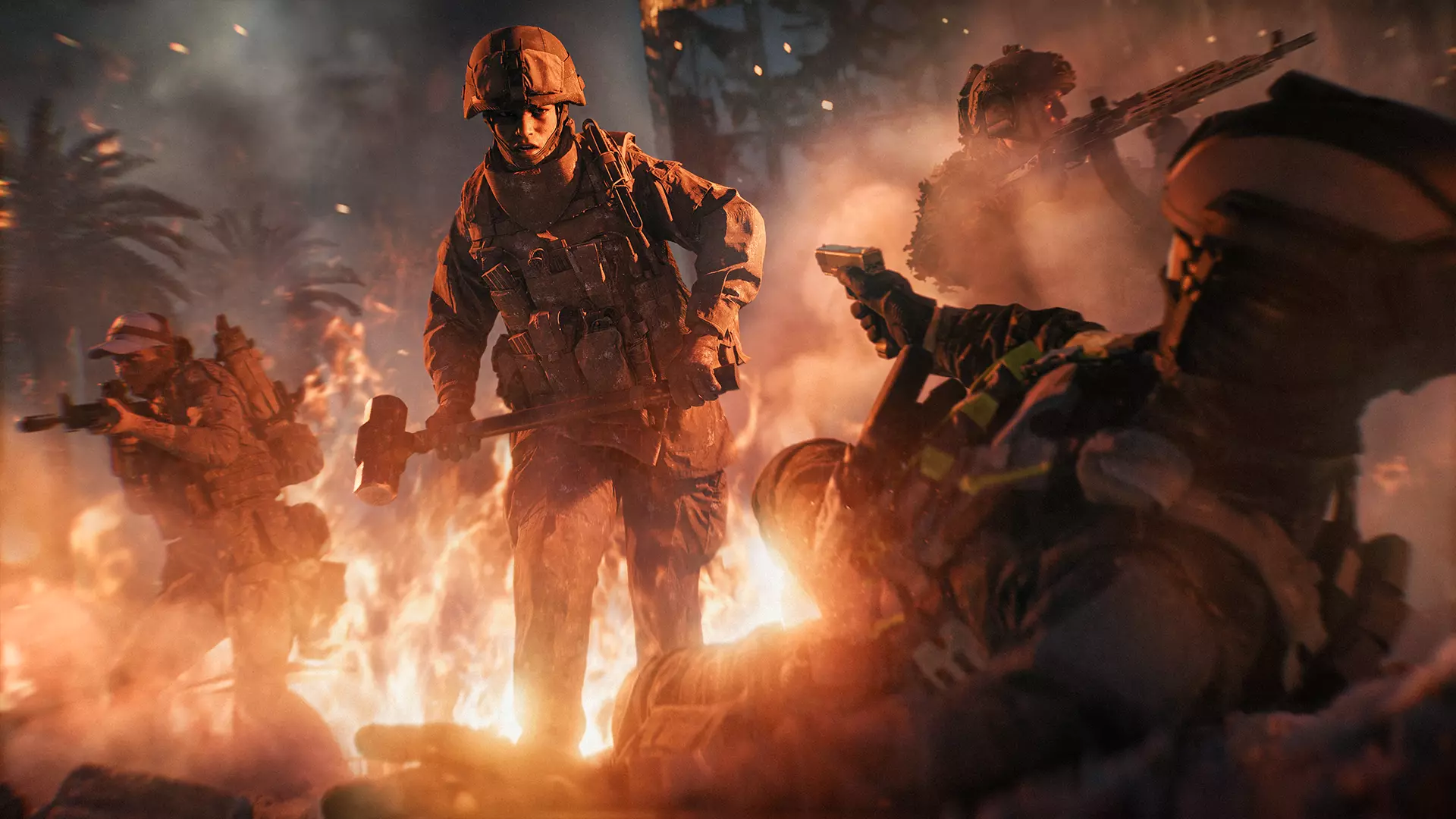
排位大逃杀 - 全新模式 排位大逃杀现已上线。组队集结,空降战场,在全新排行榜中提升段位,赢取永久奖励,并通过战地实验室实时反馈助力塑造排位模式的未来。
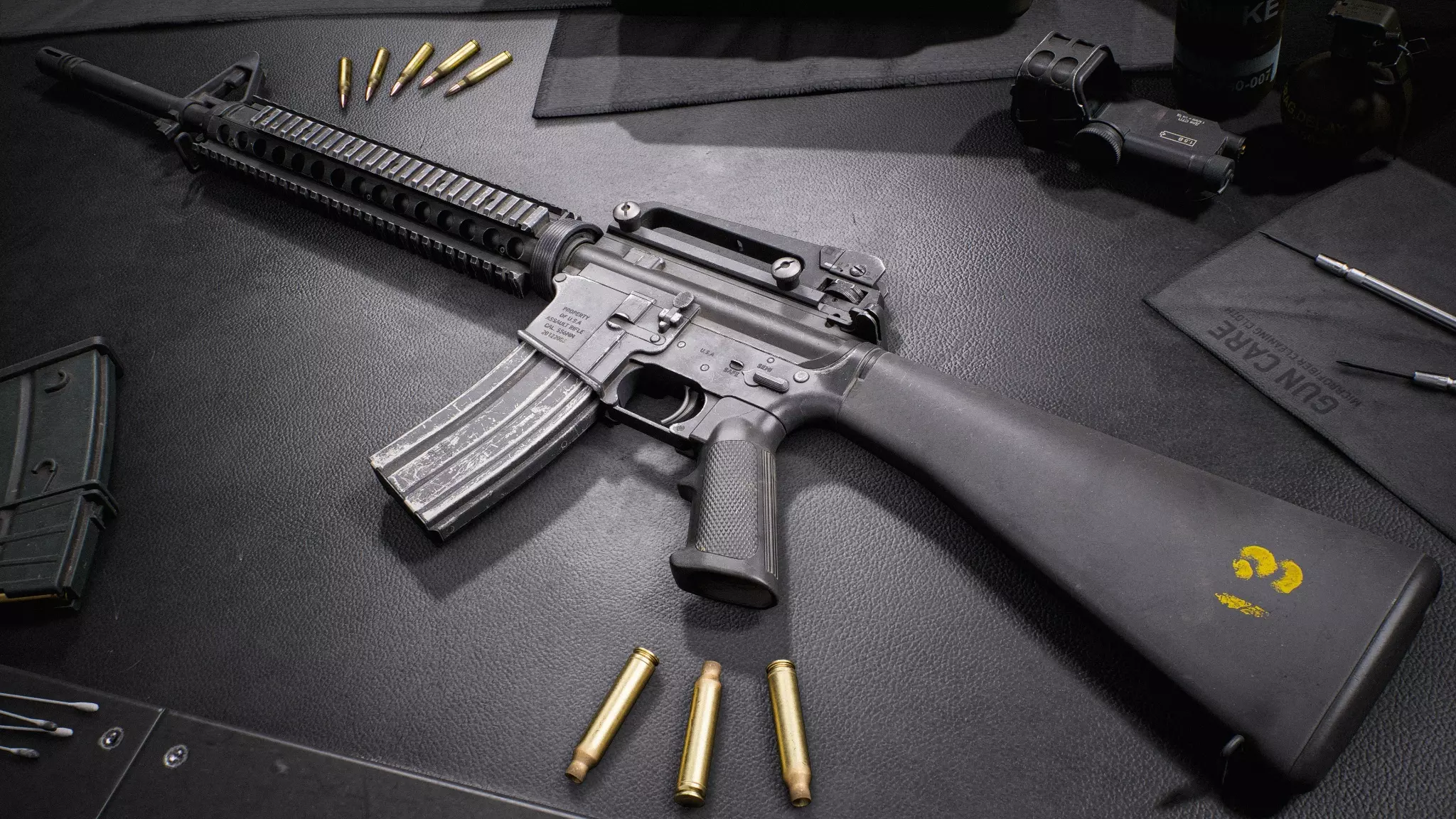
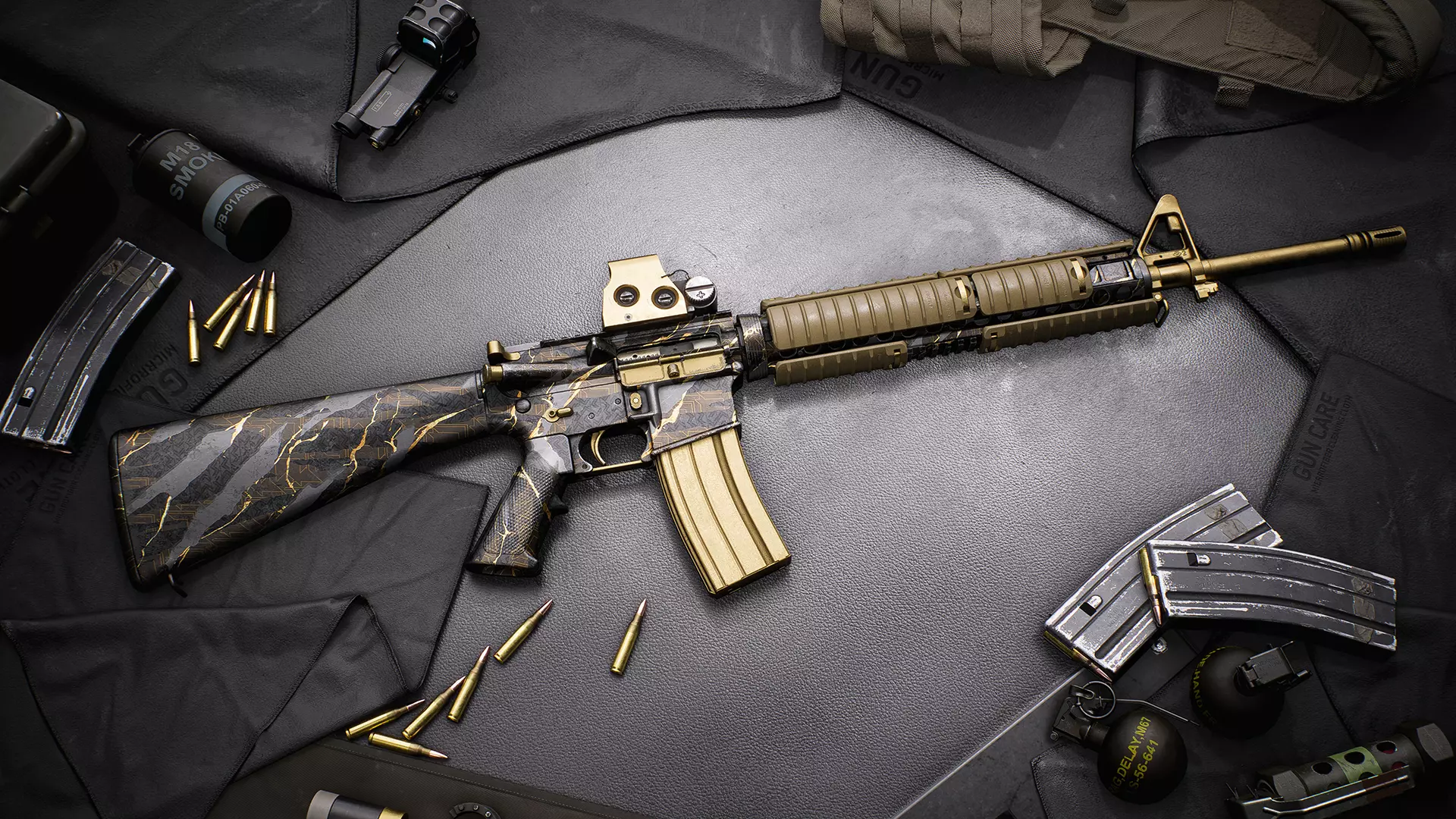
新武器装备 M16A4 - 全新突击步枪:一把高度可定制的标志性战地突击步枪,具备全自动和点射功能,并可选择携带提把式机械瞄具。该步枪在中程至中短程战斗中表现出色。 L115 - 全新狙击步枪:一款致命的栓动式狙击步枪,兼容多种武器配件。AWM/L115A3在远程至超远程战斗中表现卓越。 RPK-74M - 全新轻机枪:RPKM的强力补充。这款轻机枪非常适合远程战斗,后坐力极小,但伤害低于其他轻机枪。
《战地风云6》第3赛季战斗通行证 100+层级的标志性战地装备、武器组合包、士兵皮肤、经验值加成等内容等你来加入你的军械库。从新兵路线开启你的统治之路,然后通过4条独特主题路线逐步解锁最终路线,成为传奇军阀。
用战地专业版开启你的统治 借助战地专业版释放第三季战斗通行证的全部潜力。包含六项战地专业版即时解锁内容,以及附带25级跳过和经验值加成器的战斗通行证。解锁专属载具电台、特殊任务和额外的挑战重roll机会。此外,可在门户模式中容纳最多100名玩家,并获得充满战术装备的奖励路线访问权限。获取《战地风云》高级版可获得: - 第3赛季战斗通行证 - 25级跳过 - XP加成器 +5%额外经验值 - 载具广播电台 - 特殊任务 - 额外挑战重roll次数 - 在门户模式中可主持最多100名玩家 - 访问奖励路线 - 立即解锁: - 【城市战术】帕克斯·阿玛塔工程师士兵皮肤 - 【反击】CZ3A1 PDW武器组合包 - 【专业装备】冰镐近战武器皮肤 - 【断裂】UH-79运输直升机载具皮肤 - 【特殊运输】北约轻型战术载具载具皮肤 - 【战火之下】玩家卡片背景
【格尔木铁路】地图仅在《战地风云6》中可用。 需要《战地风云6》(单独出售)或REDSEC及所有游戏更新。需要稳定的互联网连接和EA账户。第三季内容需要购买并通过游戏解锁。部分内容可在赛季中期解锁,更多详情请访问相关官方网站。
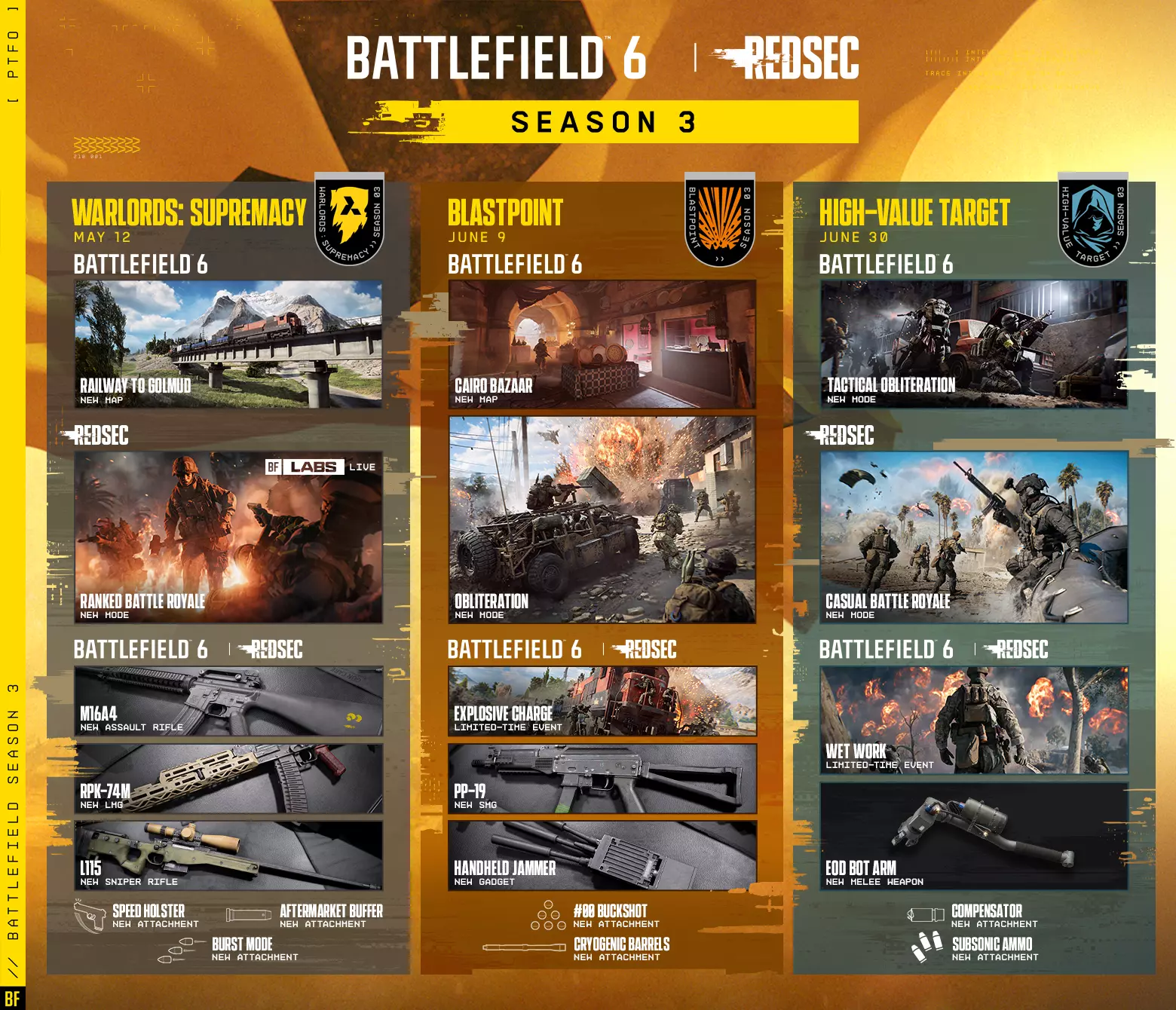
《战地风云6》与REDSEC第三季将于5月12日开启,军阀派系将与北约展开激战,发起全球性攻击,将每支精英小队逼至极限。 第三季将分三部分推出: 1. 5月12日推出第三季初始更新【军阀:制空权】后 2. 预计6月9日推出【引爆点更新】 3. 6月30日推出【高价值目标更新】 随着2027年战争不断升级,海战模式将在第四季后期回归。
《战地风云6》全新地图:格尔木铁路 一张标志性的战地地图,经过重塑与再设计,成为我们迄今为止最大的地图。 地图包含以下特色区域: 1. 一座废墟村庄 2. 广阔起伏的丘陵与山谷地形,坦克激战在此上演 3. 工业区域,适合快节奏近距离战斗 4. 移动的铁路,小队必须争夺其控制权 在格尔木铁路地图中,步兵、地面载具、喷气式战斗机和直升机将在一场大规模全面战争中激烈交锋。
战地红色安全区排位大逃杀 准备好组队、空降,在全新的排行榜中提升等级,赢取永久奖励,并在5月12日这场战地实验室实装体验开启后,助力塑造排位模式的未来。证明你和你的小队是红色安全区中最顶尖的存在,战争的战利品就将属于你们……
《战地6》第三季及REDSEC上线内容 第三季武器库汇集了战地系列过往的传奇武器:战斗通行证中可免费获取的三件武器均来自《战地3》和《战地4》。
准备迎接6月9日的爆炸点 第三赛季将从北约与和平武装战争的另一个角度继续展开:尽管和平武装部队似乎已狼狈逃往埃及,但一级部队钢铁之爪已在开罗集市建立了据点。
《战地6》新地图:开罗集市 这是《战地3》中“大巴扎”地图的重制版,这座位于开罗市中心的热闹集市布满小巷,为高强度近距离战斗提供了富有创意的战术机会。所有战斗都在一个城市街区及其周边展开,外围有供小型载具通行的道路,也为侧翼包抄提供了可能。
《战地6》全新模式:湮灭行动 标志性的《战地4》多人游戏体验以全新史诗级进化回归。湮灭行动是一场使用地图上中立放置的炸弹摧毁敌方M-COM(军事通讯站)的战斗。双方都必须不惜一切代价获取炸弹,护送携带者前往引爆地点,并彻底摧毁敌人。
《战地风云6》第3赛季“爆破点”及REDSEC全新内容 限时奖励路线活动“爆破充能”开启,参与竞争即可赢取奖励,活动包含全新PP-19冲锋枪。此外,侦察兵职业将获得全新战术装备,助力敌后特种作战。
6月30日,锁定高价值目标 第三赛季最终阶段将为《战地风云6》带来战术湮灭模式,REDSEC中的休闲大逃杀模式也将首次登场,同时还有全新的“湿活”活动,该活动围绕成为终极契约驱动的雇佣兵展开。
《战地REDSEC》第3赛季同步推出【排位大逃杀四人组队模式】,为准备在这场殊死生存之战中证明自身优势的小队注入一剂肾上腺素。凭借专属的进度系统、奖励及排行榜,这将开启我们由社区主导的战地竞技之旅。 排位大逃杀:基础规则
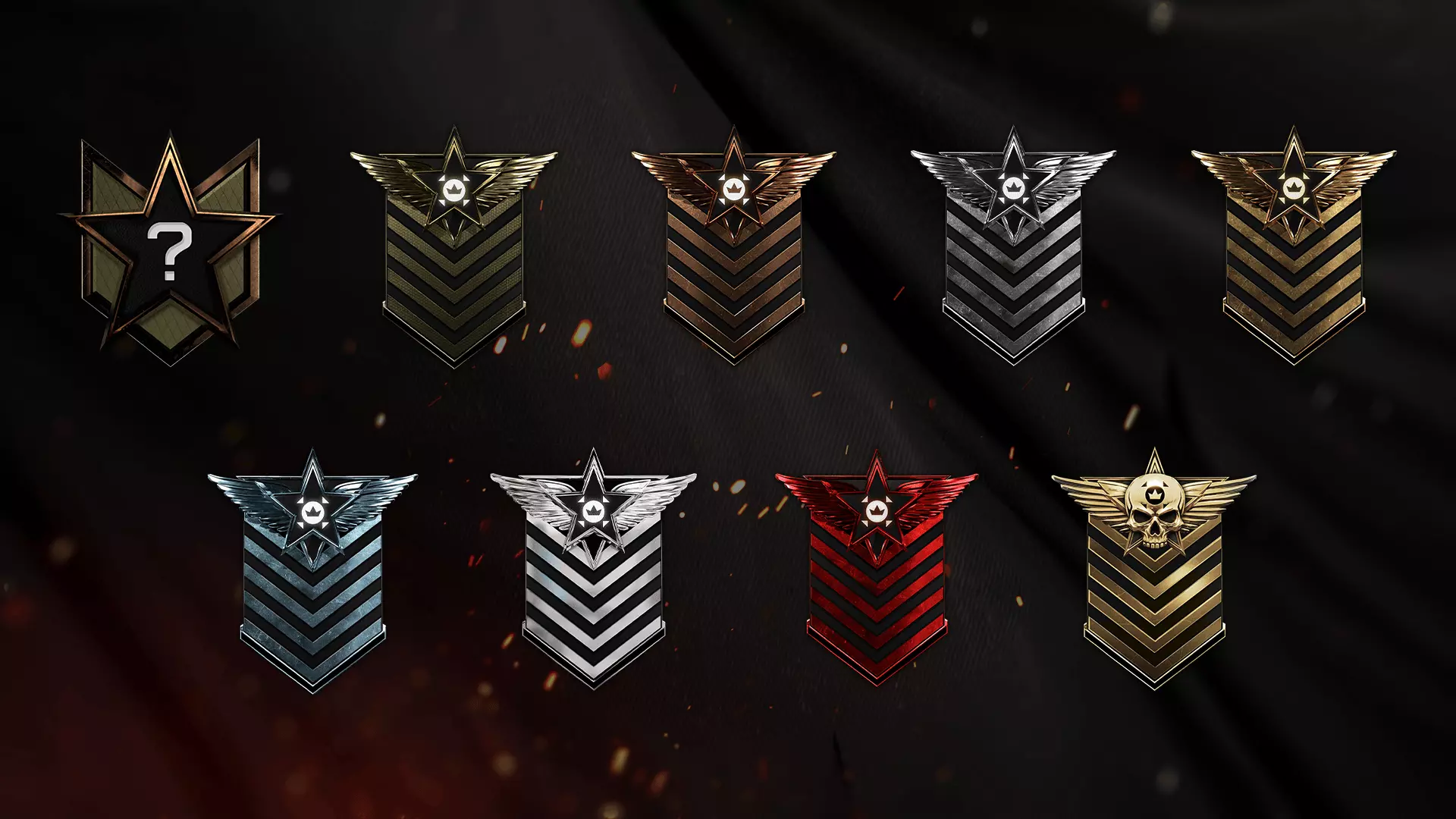
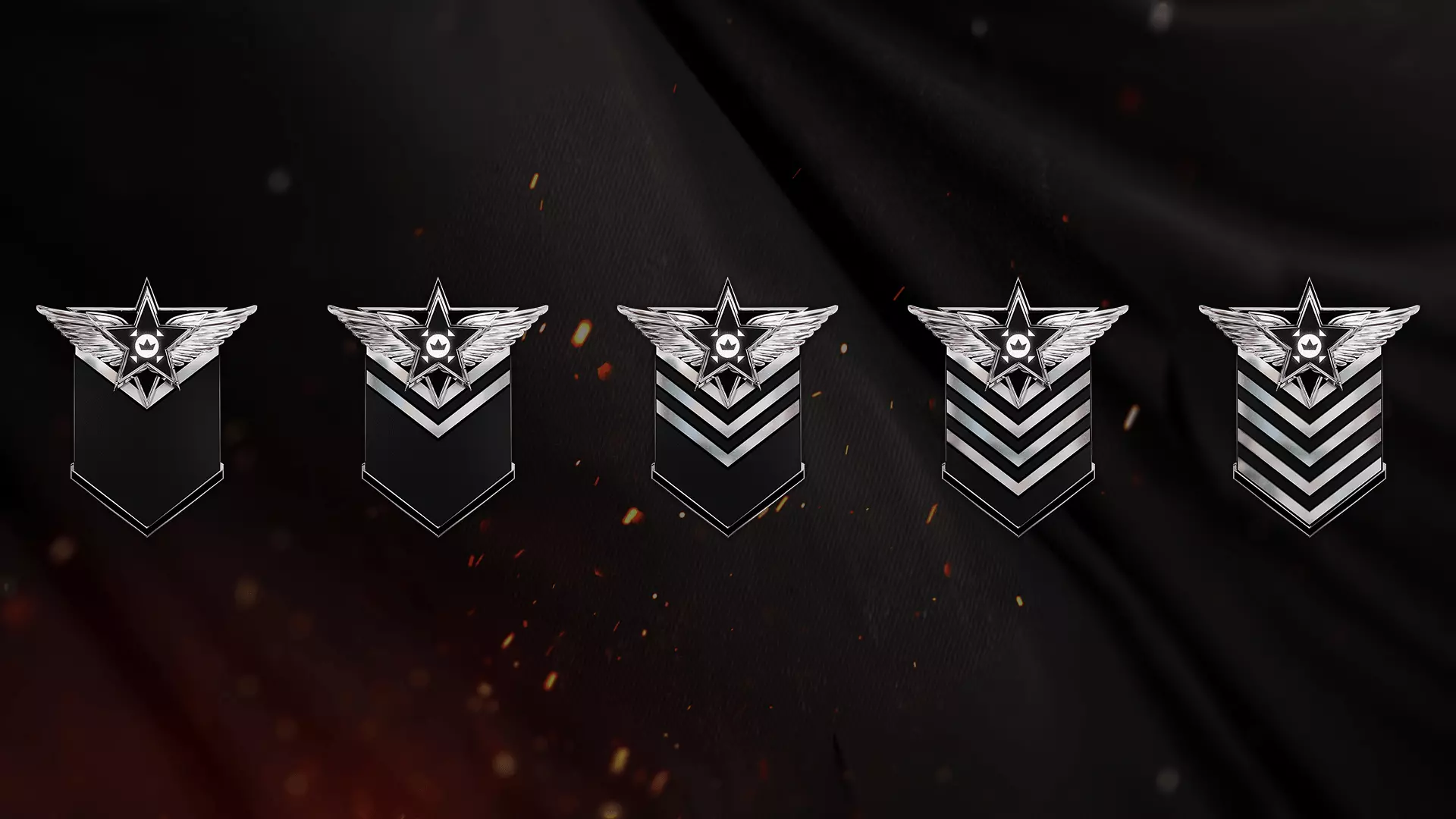
如同标准的大逃杀四排模式,排位大逃杀将25支小队相互对抗,直至仅剩一支小队。在我们收集社区反馈期间,大逃杀的核心体验保持不变:选择职业,携带副武器空降,搜寻更好的武器,并借助任务、载具、自定义武器空投以及触之即死的致命缩圈机制,坚持到最后。 排位模式的独特之处在于其竞技体验系统:职业等级门槛、专属的段位与分级系统、武器迷彩和玩家资料物品等独家奖励,以及排行榜。 首先,在排位大逃杀的首个赛季中,你必须达到至少5级职业等级才能参与。这不仅是为了让新玩家能在竞争性较低的模式中学习如何游玩【REDSEC】,也是为了防止纯新账号进入该模式。 获得排位大逃杀的准入资格后,你将拥有独立的段位(例如青铜、白银、黄金)和小段(每个段位包含五个小段,如青铜一或青铜三),这些段位会根据你在一个赛季内排位大逃杀四排中的表现来确定。通过获取排位积分来提升你的小段和段位,排位积分可通过排名、击杀和助攻来累积。 攀登段位——进度说明
排位积分由基于你在比赛中的排名、击杀数和助攻数的公式计算得出。获取足够的排位积分即可晋升到下一个段位和等级。 每场排位赛还需消耗特定数量的排位积分作为参赛费用;该数量由你的段位和等级决定。 排位赛的战利品 - 排行榜与奖励
《战地风云6》排位大逃杀更新内容 1. 排位大逃杀上线时将拥有专属排行榜,可通过游戏主菜单最后一个标签【个人档案】中的排位中心进行查看。在这里,你不仅能看到排名前250的排位玩家,还能查看自己累积的排位积分、排位胜利场次以及每场排位积分比率。 2. 【个人档案】中还可查看排位进度、规则以及所有排位奖励的相关信息。 3. 排位大逃杀包含两套奖励:一套为首次达到特定段位和等级时获得,另一套在赛季结束时发放。在设计上,我们希望所有玩大逃杀模式的玩家都能体验到竞技玩法,因此较低段位——新手、青铜和白银——会提供经验值加成,你可以在战地系列游戏中随意使用这些加成。
《战地风云6》1.3.1.0版本更新内容 5月12日,《战地风云6》将迎来第3赛季,同步推出1.3.1.0版本更新,带来全新内容与优化,具体如下: 1. 本次更新包含的全新内容有:【排位 royale 四人组队模式】、【格尔木铁路地图】、新武器以及全新【战斗通行证】 2. 各平台更新将于【UTC时间09:00】正式上线,届时玩家可下载更新并体验最新改动 3. 【UTC时间12:00】将开放本次更新的全部内容,包括格尔木铁路地图、排位 royale 模式、新武器及战斗通行证更新 4. 除全新内容外,本次更新还对载具、装备、AI、网络代码、游戏玩法、用户界面及音频等方面进行了大量优化,进一步提升《战地风云6》的整体体验《战地风云6》第三赛季更新内容 新内容 1. 第三赛季“军阀:霸主”将于5月12日开启,作为全新三阶段季节性更新的开篇章节,将在整个赛季逐步展开。这标志着战地风云6冲突新篇章的开始,PAX军阀将战争推向全球规模,每个小队都需奋力攀登战斗阶梯顶端。 2. 本季带来战地风云6迄今为止最大的地图、排位 battle royale(大逃杀)模式的到来、可掌握的新武器,以及通过第三赛季战斗通行证解锁的“匕首13”的回归,“军阀:霸主”为未来的战斗奠定了基调。 战斗通行证 1. 开启你的第三赛季统治之旅,全新战斗通行证包含100+层级的奖励,为前方的战争量身打造。在从新兵之路逐步解锁四条主题路线、最终成为传奇军阀的过程中,你将获得新的装备、武器包、士兵皮肤、经验值加成等奖励。第三季还对战斗通行证进行了一系列改进,包括优化导航功能、修正赛季庆祝活动、改进路线展示效果以及修复战斗通行证菜单定价问题。 战地专业版 对于希望充分体验本季内容的玩家,战地专业版将扩展战斗通行证体验,包含25级跳过、5%经验值加成、六项即时解锁内容、特殊任务、额外挑战重roll机会、专属载具电台、 bonus路线访问权限,以及在门户模式中支持最多100名玩家的主机权限。《战地6》赛季3更新内容 1. 新地图【格尔木铁路】:战地6迄今为止最大的地图将在赛季3加入战斗。这张对经典战地地图的重制版带来了全面的联合作战体验,从废墟村庄、被装甲冲突蹂躏的广阔山丘,到适合近距离战斗的密集工业场地,以及小队必须争夺控制权的移动铁路。在格尔木铁路上,步兵、地面载具、喷气式飞机和直升机将在这片真正广阔的战场上展开激烈交锋。 2. 新武器【M16A4】:一把标志性的战地突击步枪将在赛季3加入战斗。M16A4具备全自动和点射功能,并配有可用于机械瞄准的提把选项,专为中程至中短程交火设计。 L115:L115是一款致命的栓动狙击步枪,将精准度与停止力完美结合,专为远程至超远程战斗打造。它兼容多种配件,能让那些沉着冷静并成功命中目标的玩家获得回报。 RPK-74M:RPK-74M专为在中远程提供持续压制火力而设计,在较远距离的战斗中具备可控的操作性和可靠的火力输出。与更重型的武器相比,它后坐力极小且手感更稳定,为支援兵提供了一个强大的新选择来封锁战场。《战地6》更新内容 1. 全新REDSEC模式 ① 排位大逃杀:排位大逃杀四排模式现已上线,作为《战地6》竞技玩法的第一步,提供了全新的REDSEC进入方式,可争夺排名、奖励和排行榜名次。组队排位,提升段位,赢取永久奖励,并通过游戏内BF实验室助力排位模式的未来发展。从新手到大师段位,乃至精英250排行榜的更高挑战,你都能展现自己的技巧并获得独特奖励。
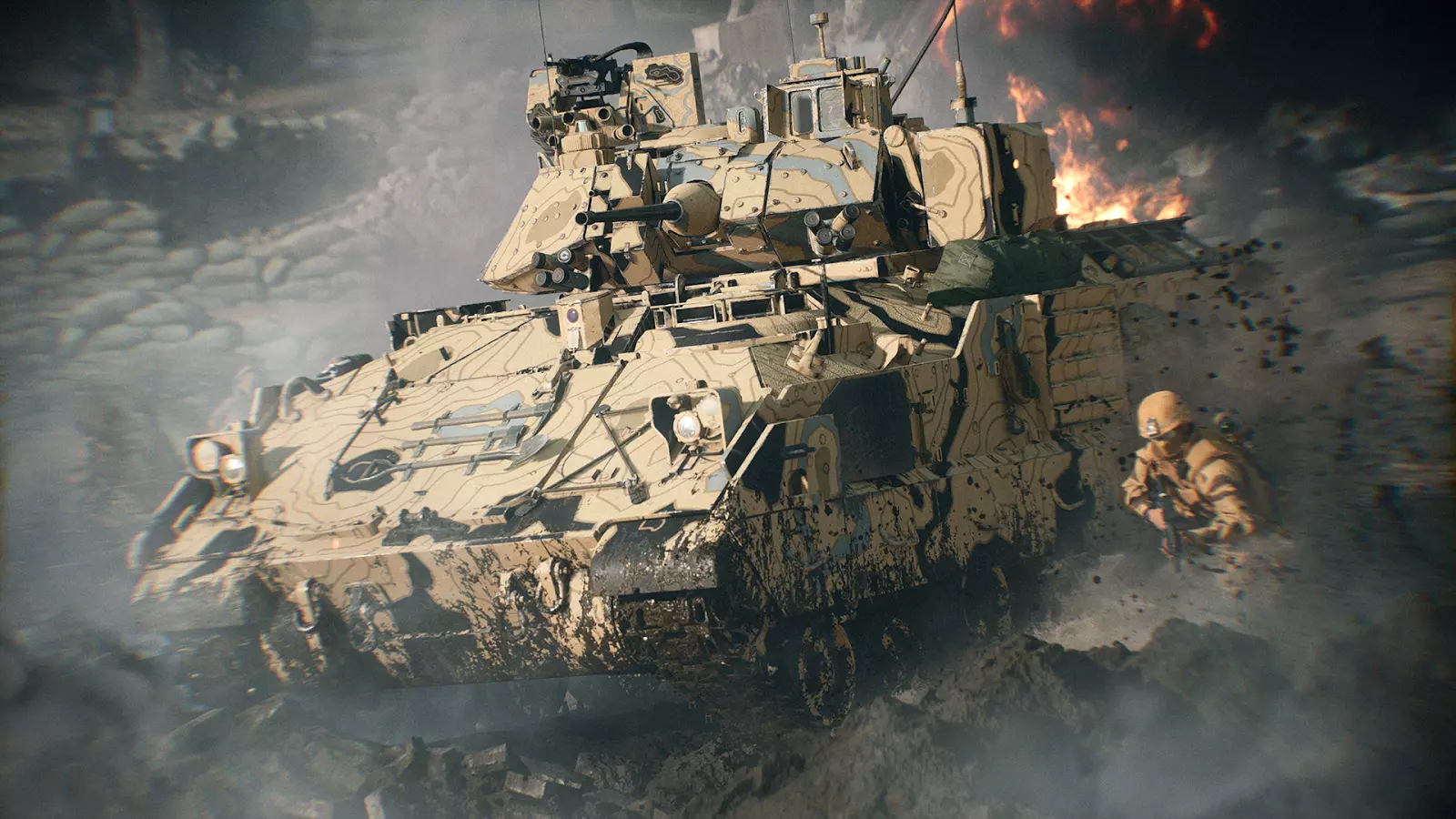
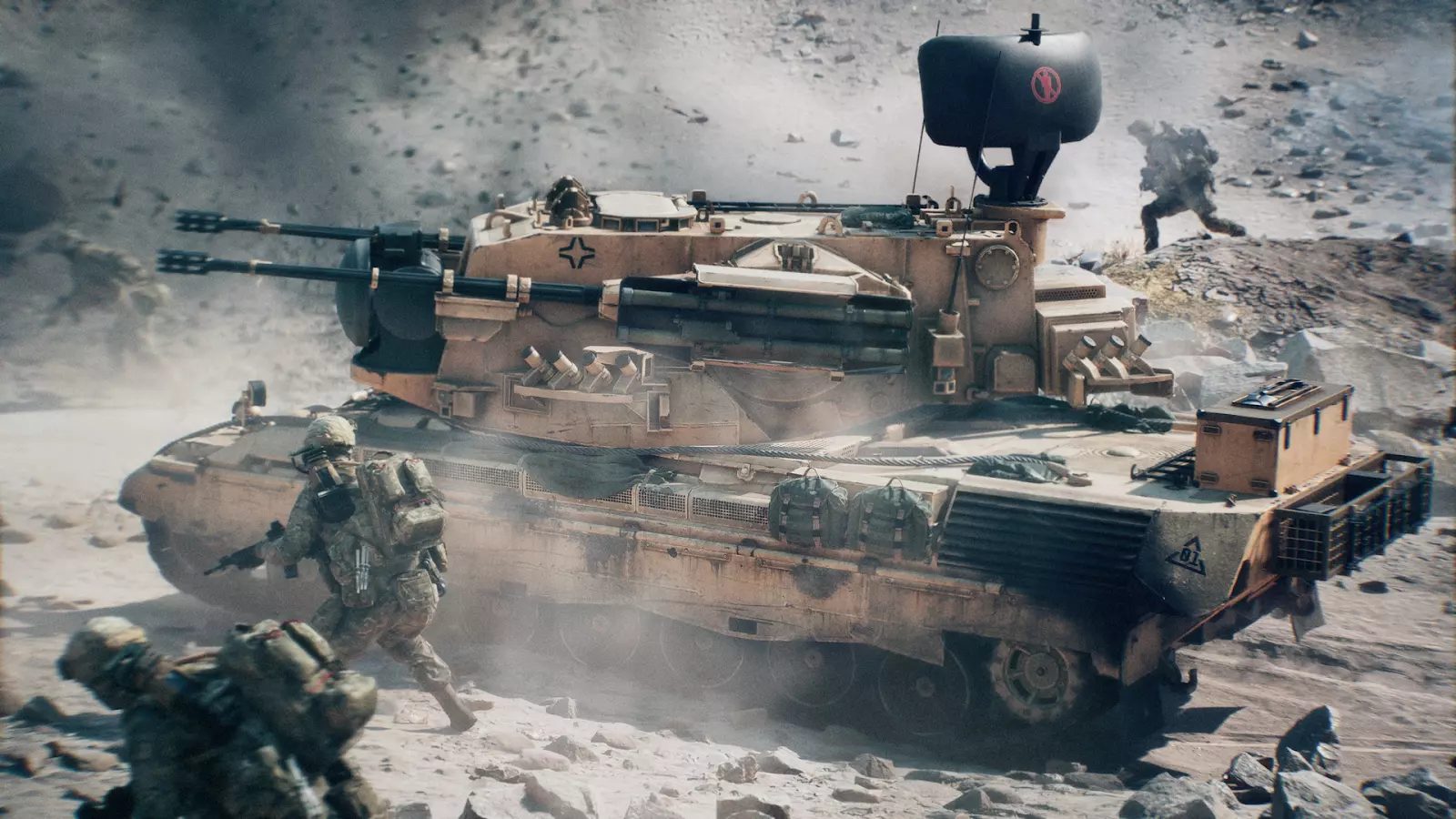
《战地风云6》1.3.1.0版本更新内容 1. 新内容上线: - 第3赛季随“格尔木铁路”地图一同开启,新增排位 royale 四排模式、全新武器以及全新战斗通行证,进一步扩大了游戏规模并丰富了赛季进程玩法。 2. royale 模式加入竞技元素: - 第3赛季推出排位 royale 四排模式,同时对任务流程、战利品探测、反载具补给投放、计分规则以及倒地状态进行了全面更新,旨在从落地到撤离为玩家提供更清晰、更稳定的对局体验。载具迎来重大调整:陆空载具进行了全面的平衡性与操控性优化,包括履带式载具机动性重构、坦克伤害与回复系统更新、维修机制平衡调整,以及大量载具武器参数调整,旨在提升生存能力、对抗体验及伤害输出的可预测性。《战地风云6》更新内容 1. 修复了在网络状况不佳时,玩家切换姿态期间投射物可能从错误高度位置发射,导致子弹命中被服务器拒绝的问题。 2. 修复了角色死亡时,部分用户界面元素(如物品栏)未能立即隐藏的问题。 3. 受击伤害用户界面指示器现在会根据所受伤害量进行动画和缩放处理,提升了连续快速命中时的清晰度,同时让玩家更容易区分低伤害和高伤害。 4. 降低了从“存活”状态切换至“倒地”状态时的网络带宽使用量。 5. 现在在瞄准状态下受到伤害时,会触发武器向受击方向相反移动的受击反应,在不影响枪战结果的前提下增强了伤害反馈。《战地6》更新内容 1. 载具: - 为运输载具的按键绑定添加了此前缺失的【激活装备槽1】功能。 - 轻型地面运输载具的摄像头现在会在行驶时拉远,以提升驾驶视野。 - 修复了部分载具在修复后仍处于临界健康状态,导致生命值恢复速度低于预期的问题。 - 修复了坦克的第一人称HUD测距仪在从第三人称切换至第一人称时,视觉上会插值到实际距离的问题。 - 修复了玩家在 dirt bike 上做翻转动作时会被甩下车的问题。 - 修复了载具残骸无法按预期被摧毁的问题。《战地风云6》更新内容 1. 修复了武器锁定可能在载具干扰弹仍激活时锁定载具导致射击落空的问题。 2. 喷气式飞机和直升机的HUD上现在会有指示器,清晰显示当前是否处于雷达干扰保护状态。 3. 角度与区域伤害重做 - 坦克的角度伤害模型将被简化,以提升预测 incoming 伤害量和评估自身生存能力的表现。 - 此外,相关数值已调整,以降低最极端的伤害峰值,尤其是攻击坦克后部时。这将缩短可能的死亡时间范围。 - 对炮塔造成的伤害始终为75%。 - 对坦克车身造成的伤害始终至少为100%。从坦克侧面以有利角度命中将造成150%伤害。 从坦克尾部以有利角度命中将造成200%伤害。 武器对步兵战车、主战坦克、装甲运兵车及防空车辆不再造成不同伤害值。改为:主战坦克生命值提升至1200,装甲运兵车生命值降低至800。 重新调整再生阶段 装甲车的健康生命值部分不再分为多个阶段。原本完全阻止再生的临界生命值阶段,现在将大幅减缓再生速度。 再生延迟从6秒增加至12秒。 再生现在会持续至生命值完全恢复,而非仅恢复至下一生命值阶段。 再生速率从约每秒5%提升至每秒10%。生命值处于危急状态时,再生速度现在会降低80%,而非完全禁用。 载具操控性调整 1. 所有可操控载具均已更新全新的传动和转向系统,带来更平滑且响应更迅速的加速效果、各种速度下更紧凑稳定的转向表现、更流畅的转向手感以及更有效的手刹漂移。 2. 坦克类载具不再会因受到高额伤害而被瘫痪(反坦克地雷仍会使坦克瘫痪)。 3. 地面载具的加速条在中断加速时不再会被清空。 4. 即使加速条正在充能,也可以重新使用加速,但加速条完全耗尽时除外。 5. 主战坦克和步兵战车的炮塔转速得到适度提升。《战地风云6》更新内容 1. 坦克的第一人称瞄准和缩放视角已调整为更快、更灵敏。 2. 载具武器 ① 通用改动 - 锁定武器现在造成的伤害始终一致,忽略区域和角度。区域和角度伤害仅适用于玩家手动瞄准的武器。 - 大多数地面载具爆炸武器现在有20%的最低爆炸伤害。这不会增加致命半径或总半径,但会增加爆炸半径边缘的伤害,使击杀所需的命中更加稳定。 - 制导导弹对坦克造成207-550点伤害,对直升机造成1000点伤害,对喷气式飞机造成1000点伤害。 - 空对地导弹对坦克造成450点伤害,对直升机造成975点伤害,对喷气式飞机造成1000点伤害。M1A2 SEPv3和Leo A4武器 1. 120mm HEAT-MP-T炮弹对坦克造成210-560点伤害,对直升机造成1360点伤害,对喷气式飞机造成1000点伤害。 2. 120mm HEMP-T炮弹对坦克造成180-480点伤害,对直升机造成1180点伤害,对喷气式飞机造成1000点伤害。 3. 增加120mm HEMP-T炮弹的内部爆炸半径,从2米增加到2.25米。 4. 120mm APFSDS炮弹对坦克造成282-750点伤害,对直升机造成600点伤害,对喷气式飞机造成750点伤害。 5. 更新M1A2 SEPv3和Leo A4的制导炮弹,以更好地控制其有效射程和整体性能,尤其是针对飞行器。 6. 制导炮弹的波束制导偏移距离从75米增加到100米,降低转向响应速度。 7. 制导炮弹的引擎持续时间从1.25秒减少到1秒。《战地风云6》更新内容 1. 制导炮弹调整: - 发动机熄火后将受到阻力影响 - 生存时间从6秒减少至4秒 - 转向速度从每秒12.5度降低至6度 - 对坦克造成235-625点伤害,对直升机造成700点伤害,对喷气式飞机造成1000点伤害 - 对2米范围内的士兵仍具有致命性 2. M3A3布拉德利步兵战车和Strf 09 A4步兵战车武器调整: - 所有步兵战车加农炮装填时间从2.4秒增加至2.75秒 - HEI-T炮弹对坦克造成10-30点伤害,对直升机造成100点伤害,对喷气式飞机造成150点伤害 - 步兵战车高爆弹射速从200发/分钟降低至180发/分钟 - 增加步兵战车高爆弹的阻力 - AP炮弹对坦克造成23-60点伤害,对直升机和喷气式飞机均造成100点伤害 - APDS炮弹弹匣容量从12发减少至10发《战地6》武器调整更新内容 1. 降低APDS炮弹的射速,从200发/分钟调整为120发/分钟。 2. 增加步兵战车霰弹的弹匣容量,从12发提升至16发。 3. 提高步兵战车霰弹的射速,从200发/分钟增加到240发/分钟。 4. 锁定制导导弹的伤害调整为:对坦克造成390点伤害,对直升机造成845点伤害,对喷气式飞机造成1000点伤害。 5. 轻型火箭弹的伤害调整为:对坦克造成75-200点伤害,对直升机造成550点伤害,对喷气式飞机造成700点伤害。 6. 遥控武器站机枪手及同轴武器调整: ① 降低遥控武器站及同轴轻机枪的最低伤害,从21点减少至19点。 ② 降低遥控武器站及同轴轻机枪的枪口初速,从850米/秒调整为670米/秒。 ③ 延长遥控武器站及同轴轻机枪的伤害衰减起始距离,从20米增加到25米。 ④ 缩短遥控武器站及同轴轻机枪的伤害衰减结束距离,从75米减少至60米。 ⑤ 降低遥控武器站及同轴重机枪在75米及以上距离的最低伤害,从30点减少至24点。《战地6》武器平衡性调整内容 1. 遥控武器站及同轴重机枪的枪口初速从890米/秒降低至760米/秒。 2. 降低遥控武器站及同轴重机枪的最大散布范围和每发子弹的散布增量。 3. 降低遥控武器站及同轴重机枪的散布恢复速度。 4. 自动榴弹发射器遥控武器站的装填时间从3秒缩短至2秒。 5. 移除自动榴弹发射器遥控武器站的弹丸速度继承特性,这将提升从移动载具上瞄准的一致性。 6. 直升机武器调整: ① 轻型火箭弹对坦克造成23-60点伤害,对直升机造成225点伤害,对喷气式战斗机造成330点伤害。 ② 直升机轻型火箭弹的作用范围从5米缩小至4.75米。 ③ 制导火箭弹对坦克造成50-132点伤害,对直升机造成320点伤害,对喷气式战斗机造成460点伤害。 ④ 直升机智能火箭弹的作用范围从5米缩小至4米。《战地6》更新内容: 1. 【装备进一步更新】:作为载具通行证的一部分,地雷、发射器、便携式迫击炮、工程师补给箱、硬件压制系统以及激光指示工具均已完成更新。此次更新重点在于提升发射器的实用性,明确反载具装备的定位,并增强支援装备在战斗中的清晰度与一致性。75米。 重型火箭弹对坦克的伤害调整为94-250,对直升机为300,对喷气式战斗机为450。 直升机重型火箭弹的作用范围从5.5米缩减至5.25米。 攻击直升机的M41A7陶式2型导弹最大速度从90米/秒提升至120米/秒。地面载具的陶式导弹速度保持90米/秒不变。 移除运输直升机侧炮手座位的炮弹速度继承效果。这意味着从高速移动的直升机上开火时,无需再进行“提前量”射击。 喷气式战斗机武器 攻击机的Mk82高阻炸弹对坦克的伤害调整为300-400,对直升机为1080,对喷气式战斗机为1000。 战斗机的GBU-39/B小直径炸弹对坦克的伤害调整为410-535,对直升机为1455,对喷气式战斗机为1000。载具装备 【强化装甲】被动技能已被移除并替换为【应急系统】 不再提升载具的伤害抗性。 不再增加载具重量或降低载具速度。 当载具生命值较低时,会加快【干扰反制】装备的冷却速度。 【目标干扰器】被动技能已得到改进 步兵战车和机动防空车的目标干扰器锁定抗性从30%提升至40%。 步兵战车和机动防空车的目标干扰器在开火时不再失效。 步兵战车和机动防空车的目标干扰器在被激光照射时会失效。 步兵战车和机动防空车的目标干扰器在使用锁定武器时会失效。 步兵战车和机动防空车的目标干扰器失效时间从4.5秒增加至10秒。反制火力雷达部分重做 现在被动提供短时间侦察效果,在受到伤害时触发。此短时间侦察信息不会共享给队友。 可手动激活以延长当前已侦察目标的持续时间,并将侦察信息共享给队友。 激活时,被侦察到的载具在持续时间内还会被激光标记。 热烟雾更新 激活持续时间增加3秒,现在与视觉效果持续时间一致。 激活时会阻止PTKM-1R声波感应反载具地雷探测到载具。 烟雾屏障的冷却时间从20秒减少至16秒。 烟雾现在会对停留在烟雾云内的附近敌方步兵造成中等伤害。此伤害也会摧毁C4。《战地6》更新内容 1. 处于热烟雾中时,所有命中伤害将被判定为最低伤害(75%伤害)。 2. 通用装备改动 - 步兵战车默认不再配备激光指示器,该装备现在与扫雷装置及烟雾弹共享一个装备槽位。 - 此前仅主战坦克和装甲运兵车可使用的扫雷装置,现在步兵战车也可使用。 - 此前仅装甲运兵车专属的移动指挥中心被动技能,现在步兵战车也可使用。 - 运输直升机默认配备改进型装甲被动技能。该技能与攻击直升机的同类型被动技能效果相同,可减少受到的轻武器伤害。 - 紧急修理功能现在改为持续治疗,而非激活后立即完成治疗。《战地6》更新内容 1. 陆地载具的【弹药拦截系统】激活时间从1秒缩短至0.6秒。 2. 装备: ① PTKM-1R声波感应反载具地雷在子弹药发射时添加了警告指示器。 ② 修复了补给箱无法为载具内士兵补充弹药的问题。 ③ 修复了部署T-UGS(战术无人地面传感器)后总是将玩家切换回主武器而非之前装备物品的问题。 ④ 修复了燃烧空爆弹有时无法正确检测并对其燃烧烟雾云内目标造成伤害的问题。玩家可操控的装备,包括【便携式迫击炮】、【XFMG-6D侦察无人机】、【LTLM II激光指示器】和【CSB IV排爆机器人】,现在只有在已部署的装备被摧毁后才会开始重新补给。 【PTKM-1R声波地雷】和【M15反装甲地雷】不再对轻型运输载具或个人运输载具触发。 调整了【M18A1克莱莫地雷】的探测弧度,使其更符合可见激光束的范围。 更新了【C-4炸药包】,现在对坦克造成350点伤害,对直升机造成350点伤害,对喷气式飞机造成1000点伤害。 更新了【M136反坦克火箭筒】,现在对坦克造成207-550点伤害,对直升机造成1000点伤害,对喷气式飞机造成1000点伤害。 更新了【工程师补给箱】,在标准多人模式中不再有有限的补给次数,允许其无限期地为附近的载具补给。《战地6》武器平衡性调整内容 1. 更新M18A1克莱莫尔破片地雷基础近距离伤害,从65调整为50。伤害衰减现在从探测弧边缘开始。 2. 更新便携迫击炮的炮弹散布,使其在最大射程时不再绝对精准,完全校准时,短程炮击现在比远程炮击精准度更高。 3. 更新PTKM-1R声波地雷,现在对坦克造成480点伤害。 4. 更新RPG,现在对坦克造成173-460点伤害,对直升机造成1035点伤害,对喷气式飞机造成1000点伤害。 5. M15反装甲地雷 - 对坦克的伤害更新为390点。 - 部署现在仅在敌方HQ区域内被阻止。 - 可放置的地雷最大数量从6个增加到9个。 - 地雷在其所有者死亡3分钟后不再消失。《战地风云6》更新内容 1. 当玩家尝试在边界外区域放置地雷时,现在会显示警告。 2. 地雷现在在近距离会发出反光,以帮助玩家将其与场景道具和碎片区分开来。 3. SLM-93A - 基础锁定范围从650米减少至550米。 - 对载具的伤害已更新:对坦克造成200点伤害,对直升机造成650点伤害,对喷气式飞机造成650点伤害。 - 导弹最大速度从540米/秒减少至480米/秒。 4. 9K93 IGLA - 对载具的伤害已更新:对坦克造成200点伤害,对直升机造成650点伤害,对喷气式飞机造成650点伤害。 - 锁定时间从1.2秒减少至1秒。 - 导弹最大速度从640米/秒减少至480米/秒。 - 导弹加速度从65米/秒增加至100米/秒。 5. M4A1 SLAM - 现在无论载具移动速度如何,都可以触发。《战地6》武器平衡性更新内容 1. 坦克伤害调整为199-363之间。 2. 当玩家尝试在边界外区域放置时,现在会触发警告。 3. 地雷在放置后有短暂的激活延迟才会生效。 4. MBT-LAW - 对载具伤害更新为:坦克240,直升机520,喷气式飞机800。 - 初始导弹速度从30米/秒提升至100米/秒。 - 最大导弹速度从75米/秒提升至300米/秒。 - 导弹加速度从50米/秒提升至100米/秒。 5. MAS 148 Glaive - 更新伤害数值:坦克465,直升机1007.5,喷气式飞机1000。 - 锁定时间从1.8秒减少至1.4秒。 - 最大导弹速度从60米/秒提升至70米/秒。 - 初始弹药量从2发增加至3发。LTLM II 激光指示器 士兵和载具激光指示器的生效持续时间均从20秒缩短至9秒。 激光指示器不再缩短防空导弹的锁定时间。 该装备现在对所有锁定武器提供稳定的20%锁定范围加成,此效果同样适用于车载激光指示器。 CSB IV 拆弹机器人 布雷器对坦克的伤害调整为300。 布雷器不再对轻型运输载具或个人运输载具触发。 布雷器在近距离会发出反光,以帮助与场景道具和残骸区分。 布雷器的堆叠防止半径从1.5米增加至5米。 拆弹机器人在超出边界计时器结束时、在边界外失去控制时或被推至边界外时,将自动自毁。《战地风云6》更新内容 1. 武器平衡性与易用性调整:自动武器后坐力已调整,以更好地明确武器在不同射程下的优势;霰弹枪新增配件选项;放大镜现已作为共享瞄准镜配件可用;同时解决了多个 reload、动画、准星及配件问题,以提升操作手感和清晰度,持续优化枪战体验。 2. 核心玩法、网络代码及战斗反馈改进:标记功能现在更快且更稳定;击中反应和伤害指示器更清晰;拖拽和复活功能进一步优化;多项网络代码修复提升了战斗中的清晰度,同时不影响枪战结果。《战地风云6》更新内容 1. 硬件压制系统 - 调整了瞄准行为,使其无法在远距离透过墙壁瞄准敌方装备,但在较近距离仍可能有有限的穿墙能力。 - 更新了拦截行为,使其不再检测或引爆手榴弹和M320A1射弹,但仍会瞄准发射器射弹。 - 将最大射程恢复为原始值。 2. 武器 - 为M87A1霰弹枪添加了独特的换弹动画,以防止在瞄准镜瞄准期间出现相机穿模和手部姿势问题。 - 为M87A1和M1014添加了霰弹枪快速装弹器作为弹匣配件。 - 添加了放大镜作为共享瞄准镜配件。1. 进一步增加高DPS自动武器的后坐力,降低其在中远距离的作战能力,同时提高这类武器的使用代价,让其他武器更具吸引力。 2. 调整PW5A3的换弹动画,减少模型穿模问题。 3. 调整QBZ192的换弹动画,减少模型穿模问题。 4. 修复CZ3A1冲锋枪无法架设到表面的问题。 5. 修复SOR-556 Mk2在未装备枪口配件时,消焰器仍可能显示的问题。 6. 修复部分次要瞄准镜在自定义菜单中位置错误,导致穿模或无法正常显示的问题。 7. 修复部分武器上的斜置反射瞄准镜使用主瞄准镜准星的问题。《战地6》更新内容 1. 修复了使用SVK-8.6步枪搭配 bipod(脚架)进行换弹时,第一人称视角下角色手部可能出现错位的问题。 2. 修复了使用弹药箱为M240L机枪换弹时,弹链出现穿模的问题。 3. 优化了武器在架设状态下使用战术手电时的表现及开关状态。 4. 所有自动武器的后坐力略有增加,以补偿在游戏更新1.2.1.0中修复的后坐力补偿相关漏洞。 5. 武器在主动使用下挂式榴弹发射器时将无法进行架设,但此限制不影响已装配榴弹发射器的武器本身的使用。 6. 地图与模式:新增助攻确认得分事件。《战地风云6》更新内容 1. 在夺分战中,当被击倒的玩家被淘汰时,所有提供协助的玩家现在都将获得【Assist Confirmed】。 2. 修复了曼哈顿大桥上玩家能够进入本应无法到达的屋顶的问题。 3. 修复了米拉奇山谷在突破、征服和 escalation 模式中出现的漂浮和交叉重生点问题。 4. 用户界面与抬头显示:开发说明:在第三季中,我们将推出赛季统计页面,这是一种新的方式来追踪你在每个赛季的表现。通过将赛季统计数据与你的终身总计数据分开,你现在可以更清晰地了解你在《战地风云》特定赛季中的表现。我们知道,对于不同的玩家来说,每种游戏模式都有不同的意义。这就是为什么赛季数据页面不仅会追踪你整个赛季的总体表现,还能让你详细分析自己在每种游戏模式下的表现。 随着排位赛的推出,为你提供一个专门查看竞技表现的界面变得十分重要。现在你可以筛选赛季数据,查看自己在整个赛季排位赛中的表现。 赛季界面会突出显示你的核心数据,如击杀数、击杀/死亡比、助攻数、复活数、获胜场数和游戏时长,同时还有一个全新的【最常使用】板块,展示定义你本赛季的武器、载具、装备和职业。你是冲锋在前的突击兵?还是驾驶小鸟直升机的飞行员?或是用第三季新武器冲击段位? 每个赛季都有属于自己的故事。现在你可以看到自己的故事了。《战地风云6》更新内容 1. 新增【事件】标签页,用于显示所有与事件相关的内容。 2. 为喷气式飞机和直升机新增威胁指示器,当附近敌方喷气式飞机瞄准你的载具时会触发该指示器,帮助飞行员更快识别威胁并采取规避动作。 3. 新增威胁指示器,用于高亮显示来袭的制导导弹,提升飞行员发现并应对导弹的能力。 4. 在小地图上新增空中载具【雷达下方】指示器。 5. 加入输入缓冲机制,以减少意外取消 Ping 标记的情况。 6. 为角色和小队添加名称及背景介绍。 7. 在玩家档案中新增赛季统计数据。 8. 修复了突破模式中,在区域转换期间进攻方总部图标缺失的问题。《战地6》修复公告 1. 修复了工程师驾驶坦克时,维修请求图标有时会意外显示的问题。 2. 修复了 Battle Pass 中阶级较少的路径在页面上可能显示居中的问题。 3. 修复了被击倒的敌方玩家可能在小地图上保持被标记和可见状态的问题。 4. 修复了在购买庆祝后退出奖励详情可能触发退出游戏弹窗的问题。 5. 修复了友方请求图标在小地图上无法正常显示的问题。 6. 修复了通过通讯玫瑰请求弹药时,无法高亮显示能够提供弹药的玩家的问题。 7. 修复了在部署界面选择要重生的士兵时,无法显示其生命值条的问题。《战地6》修复公告 1. 修复了玩家在远程操控载具时受到伤害,可能导致工程师被错误标记为维修人员的问题。 2. 修复了友方倒地玩家的【流血倒地】计时器图标有时会冻结的问题。 3. 修复了突出显示新武器包后,【新】标记未消失的问题。 4. 修复了将水平值设置为100时,聊天窗口无法完全延伸到屏幕右边缘的问题。 5. 修复了驾驶喷气式飞机时,喷气式飞机的HUD有时会意外移动的问题。 6. 修复了EA Connect通知在屏幕上显示时,鼠标光标不出现的问题。 7. 修复了在自定义收藏武器时,用户界面可能消失的问题。《战地6》更新内容 1. 修正了战斗通行证的庆祝画面,使其与当前赛季正确匹配。 2. 修正了在许多载具的驾驶座上尝试标记时出现的标记不一致问题。 3. 修正了vz. 61 20发弹匣的描述。 4. 修正了1p88和精确射手步枪可变瞄准镜配件的描述。 5. 修复了地图或小地图上未显示边界外着色器的问题。 6. 改进了对敌人、敌方物体和中立物体标记的响应速度和一致性。 7. 为持续强化我们的反作弊政策和社区准则,我们将为违反服务条款的玩家推出新的警告系统。 8. 统一了商店优惠中标签和过期计时器的尺寸。《战地风云6》更新内容 1. 移除初始标记与最终放置标记之间的位置差异。 2. 移除敌人世界图标和地图图标的标记括号。 3. 移除坦克HUD中测距仪上方的小方块。 4. 修复了战斗通行证菜单中BF Pro可能显示错误价格的问题。 5. 修复了装备菜单中武器精通等级显示不正确的问题。 6. 在查看有争议的目标后,部署窗口中的重生信标不再显示为有争议状态。 7. 更新空中载具HUD,将速度单位从公里/小时改为节。 8. 更新战斗通行证导航,以与游戏主界面更新保持一致。 9. 更新职业图标,以提高在游戏UI中的可见度。 10. 更新狗牌,以显示正确的支持模式。《战地风云6》更新内容 1.用户界面、音频、人工智能、设置和门户的广泛更新:玩家档案中新增了赛季统计数据,飞行器现在会收到更清晰的威胁指示器,夺点模式中的人工智能支援得到改进,新增了图像放大选项,门户也在不断扩展,增加了新的支持、工具和功能更新。 2.玩家相关: ①从静止状态进入瞄准镜移动前增加了轻微延迟,以便进行小幅度位置调整而不影响准星。 ②新增了特定的第三人称仰躺投掷手榴弹动画。 ③靠墙架设 bipod 时不再自动取消。《战地6》更新内容 1. 2. 更新了震荡手榴弹的屏幕视觉效果,使其与游戏内状态效果同步。 3. 更新了游戏制作人员名单。 4. 更新了击杀回放的伤害日志,现在显示过去5秒内造成的伤害,而非仅过去3秒。 5. 更新了多把武器上2.00倍瞄准镜的排序。 6. 更新了M121 A2的机械瞄准具排序。 7. 更新了GRTCPS、M121 A2、VCR-2、Mini Scout、SOR-300SC、DB12、vz. 61、CZ3A1和M257的武器精通包排序。 8. 更新了多把武器上3.00倍热成像瞄准镜的排序。《战地6》更新内容 1. 更新了重生信标,现在部署界面中重生信标图标旁会以圆点形式显示可用重生次数。 2. 将GRTCPS、M121 A2和CZ3A1上的DVO LPVO配件成本从10点调整为25点。 3. 更新了固定防空和反坦克发射器的偏航显示,从弧度改为度。 4. 更新了收藏物品的解锁条件,以更清晰地标明何时可通过商店优惠解锁。 5. 调整了多把武器的配件成本和视觉排序。 6. 【设置】 - 在控制器调校选项中新增了死区绘制工具,提供游戏内覆盖层以可视化当前选择的控制器死区,帮助进行微调。 - 新增对AMD FidelityFX Super Resolution 4.1的支持。《战地6》更新内容 1. 新增对Intel XeSS 3.0缩放技术的支持,包括3倍和4倍多帧生成模式。 2. 在显示选项的HDR校准界面中添加了世界和UI亮度滑块。 3. 增强PlayStation 5 Pro的缩放质量,支持PlayStation光谱超分辨率2。 4. 实施修复以减少更新后语音聊天设置被重新启用的情况。 5. 门户模式: - 为门户模式音乐系统添加广播曲目。 - 将第2赛季战斗通行证中的武器和装备添加至门户模式。新武器暂不支持自定义配件。 - 为已验证游戏模式添加出生点平衡调整器。 - 支持已验证模式中的铁路至 Golmud 地图。 - 更新弹药箱,现在可补充主武器和副武器的所有弹匣。《战地风云6》更新内容 1. 更新了弹药箱,现在它会为主武器和副武器各提供一个弹匣。 2. 修正了多个武器包的图标艺术不匹配问题。 3. 修复了加载生成超过3600个物体的体验时可能发生的客户端崩溃。 4. 修复了门户音乐系统中为特定玩家、小队或团队设置音乐参数时可能错误应用到所有人的问题。 5. 修复了使用PlaySound或物体移动动作时3D声音位置无法正确更新的问题。 6. 修复了PauseGameModeTime可能错误设置TimeRemaining的问题。 7. 修复了部分声音(如警报)可能无法初始化的问题。 8. 修复了在已验证的大逃杀体验中被淘汰后观战功能无法正常工作的问题。《战地风云6》更新内容 1. 修复了补给包补给类型无效果的问题。现在它会为主要和次要武器提供两个弹匣,并以每秒20点生命值的速度进行治疗。 2. 改进了门户模式测量脚本内存使用的方式,以更准确地计算脚本内容、堆栈内存、动态分配和未解决的承诺,有助于防止脚本比预期更早停止运行。 3. 改进了门户模式在使用无效操作或值参数时的错误报告,报告现在还会显示内存使用情况和限制,以便更清晰地进行故障排除。 4. 补给类型不再影响武器当前已装填的弹药数量。 5. 更新了启用所有玩家部署功能,使其也适用于在比赛后期加入的玩家。《战地风云6》更新内容 1. 更新【启用所有玩家部署】功能,现在该功能会阻止补充人员和静态 bots 生成。 2. 更新多个武器包的占位符图标美术资源。 3. 更新门户模式中可用地图的小地图火焰环效果。 4. 音频: - 新增功能,当敌人在近距离时,其脚步声会根据敌人方向轻微压低第一人称玩家武器的音量。 - 为 dirt bikes 增加距离混合音效。 - 为手持武器和载具武器添加弹药耗尽时的空射音效。 - 为手持武器和载具武器添加空射音效。 - 为坦克添加传动和机械油门音效。 - 修复突破模式中,当敌人 neutralise 友方目标时指挥官语音未触发的问题。《战地6》更新内容 1. 修复了【征服】模式中敌方占领友方目标时指挥官语音未触发的问题。 2. 修复了玩家摧毁载具时“已摧毁”语音线有时不播放的问题。 3. 修复了在双方玩家均处于有头顶掩护的室外区域时,脚步声可能比预期更难被听到的边缘情况。 4. 修复了在单发或连发模式下触发空弹匣换弹后,可能会播放扳机释放音效的边缘情况。 5. 改进了水中拖拽和复活的音效。 6. 载具的来袭锁定现在会根据是被敌方锁定还是标记,播放不同的音效。 7. 提高了滑行动作音效的可听度。 8. 增加了小队 ping 音效的音量。《战地风云6》更新内容 1. 锁定和标记音效的音量现在会随时间逐渐降低,以减少长时间战斗中的听觉疲劳。 2. 更新了火焰风暴行动中油桶缺失的爆炸音效。 3. 更新了SOR-556 Mk2在安装特定弹匣时无法播放换弹音效的问题。 4. 更新了从支援兵处补充弹药时的“任务弹药补给”音效。 5. 更新了F97“猎鹰”喷气式飞机的飞掠音效,并修复了仅播放一种变体音效的问题。 6. 将“标记 ping”音效更新为更容易识别的声音。 7. AI:修正了伊比利亚攻势中, bots 向 B 点移动时可能出现的导航卡住问题。《战地6》更新内容 1. 修复了 bots 在驾驶多种载具时未考虑转弯半径限制的问题。 2. 修复了 bots 在使用 Traverser Mark 2 的侧炮手座位时未考虑武器移动限制的问题。 3. 修复了使用 MAS 148 Glaive 和 TRCRv2 追踪飞镖的 bots 不需要视线即可瞄准,导致其能穿透环境进行瞄准的问题。 4. 修复了使用 SLM-93A 的 bots 会瞄准错误载具类型的问题。现在该武器将仅瞄准直升机和喷气式飞机,并且能更可靠地锁定移动的空中载具。 5. 改进了 bots 在所有游戏体验中使用滑索和悬挂绳索时的导航能力。《战地6》更新内容 1. 移除了曼哈顿大桥B点附近楼梯处的一个有问题的导航链接,该链接可能导致机器人在通过时卡住。 2. 【REDSEC】 【玩家】: ① 新增允许玩家放弃进行中任务的功能。任务发起者可放弃任务,小队成员现在也能请求放弃任务。一旦有敌方玩家介入,任务将无法再被放弃。 ② 新增【助攻确认】得分事件。当被击倒的玩家被淘汰时,所有提供协助的玩家都将获得【助攻确认】。 ③ 新增【排位 battle royale 四排】模式。《战地6》更新内容 1. 子弹命中车辆表面后现在会留下可见的弹痕,以提供更清晰的视觉反馈。 2. 修复了快速自定义完成后,士兵训练路线无法正确应用的问题。 3. 修复了玩家从移动的载具上跳下时,在第三人称视角下会出现卡顿现象的问题。 4. 修复了破门动作即使在中断后也不会取消 reload 动画,导致玩家陷入 reload 状态的问题。 5. 修复了拖拽救援有时在救援序列结束时无法成功救活玩家的问题。 6. 修复了在不平整地形上进行拖拽救援时,有时会被取消的问题。《战地风云6》修复公告 1. 修复了网络代码问题,该问题导致在大逃杀模式的空降动画等过场序列中会显示网络性能图标。 2. 修复了双人组队中跳跃队长控制空降队伍时可能出现的动画异常问题。 3. 修复了打开计分板时按下开火键会出现枪口闪光特效的问题。 4. 修复了在红方空降直升机内进行标记时,标记位置不正确的问题。 5. 修复了使用移动重生装置可能导致玩家在安全区外重生的问题。 6. 修复了比赛开始后更改图形质量可能导致阴影显示异常的问题。《战地6》更新内容 1. 修复了在【挑战模式】快速绳下降序列中,玩家下方武器阴影可见的问题。 2. 修正并明确了【第二次机会】机制的教程说明。 3. 已被淘汰的玩家将无法再在地图上放置标记。 4. 通过减少帧率波动提升了游戏性能。 5. 重新平衡了部分回合结束统计数据,以更好地捕捉和突出玩家在【大逃杀】模式中的表现。 6. 玩家在倒地状态下受到的主武器伤害降低20%,终结倒地士兵所需的子弹数量大约增加2至3发。 7. 玩家拾取载具钥匙卡后,载具集装箱将高亮显示60秒。《战地6》载具更新内容 1. 增加了驾驶员在进入收音机关闭的载具时选择预选电台的选项。 2. 修复了侦察直升机的防空导弹有时无法生成或正确追踪目标的问题。 3. 仅在大逃杀模式中,当飞行员座位无人时,直升机将失去控制,以限制座位切换的有效性。 4. 将XFGM-6D侦察无人机的冷却时间从120秒增加到240秒。 5. 用同轴点50口径重机枪替换了M1A2 SEPv3的同轴7.62毫米轻机枪。 6. 坦克现在能在最远300米外自动在敌方小地图上标记目标。 7. M1A2 SEPv3和M3A3布拉德利的轻机枪炮手武器现已替换为榴弹发射器。《战地6》更新内容 1.M3A3布拉德利步兵战车的【接近扫描】已替换为【反火力雷达】。 2.UH-79运输直升机和滑翔96直升机进行了平衡性调整。 3.【.50口径机枪】子弹现在会受到护甲影响,造成固定30点伤害。 4.【.50口径机枪】现在大约发射15发子弹后会过热。 5.UH-79直升机的【迷你机枪】子弹现在会受到护甲影响,造成固定20点伤害。 6.UH-79直升机的【迷你机枪】冷却速度不再快于多人模式,且过热惩罚时间延长至原来的三倍。 7.修正了UH-79直升机使用多人模式1500点生命值而非大逃杀模式1250点生命值的问题。 8.【.50口径机枪】的散布范围从0.01/0.5度增加至0.03/1.5度。 9.UH-79直升机【迷你机枪】的散布范围从1.2度增加至2.4度。打击包: 烟雾弹与移动重生、火炮打击等打击包配合使用时,将不再会被 gunfire 摧毁。 战术装备: 移除了 XFGM-6D 侦察无人机的缩放功能。 大逃杀模式: 修正了除颤器充能可能错误再生的问题。 修正了 T-UGS 运动传感器可能导致任务奖励箱翻转的问题。 无人机监视呼叫中的 MQ-9 不再试图对来袭导弹释放干扰弹。 更新了工程师补给箱,使其在为载具补给后无法再被拾取。 C-4 炸药: 无法再穿过安全门的正面。 放置在厢式货车卷帘门上的 C-4,在门打开前不再会悬浮。现在能正确附着在保险箱的侧面和背面。 地图: 开发说明:随着第3赛季的开启,我们将在【大逃杀】模式的【林登堡】地图中引入【战利品探测】功能。此功能旨在让比赛初期的战斗更加集中,同时帮助玩家在重返战场时更快地重新装备。 当你首次部署,或通过复活、重生返回战场时,50米范围内的附近战利品容器将穿透墙壁显示80秒。这样做的目的是为你提供更清晰、即时的目标,改善对附近战利品的导航,并帮助你更快地组装一套可用的装备以应对早期战斗。《战地风云6》大逃杀模式更新内容 1. 大逃杀模式中,【Fort Lyndon】地图新增战利品探测功能。该功能有助于小队在游戏初期更高效地共同搜集战利品,让玩家能分散搜索附近的容器,同时不会彼此距离过远。和往常一样,我们将在更新发布后监控玩家反馈和游戏数据,以确定是否需要进一步调整。 2. 调整了载具集装箱坡道下降时的伤害范围和时机。 3. 调整了大逃杀模式中的反拦截任务,使其现在生成的位置与玩家的距离更加合理。 4. 修复了玩家可穿墙自动拾取战利品的漏洞。 5. 修复了影响地面战利品生成时间的延迟问题。《战地6》修复公告 1. 修复了因区域内已被拾取的反载具补给导致反载具空投无法生成的问题。现在当坦克在附近时,最近的反载具补给会标记给玩家。 2. 修复了防御测试综合体3区域的职业宝箱中缺少优质 loot 的问题。 3. 修复了 loot 宝箱可能显示为已打开但仍可交互的问题。 4. 修复了坦克猎手和信号猎手任务目标无法标记的问题。 5. 修复了安全储物柜的反光高亮在被打开并收集所有 loot 后未正确消失的问题。 6. 修复了多个武器无法从 loot 宝箱中拾取的问题。 7. 修复了漂浮物体和碰撞问题,以改善玩家的导航和移动体验。《战地6》更新内容 1. 修复了地图中与破坏效果相关的视觉问题。 2. 加油站爆炸现在对附近玩家的威胁更大。 3. 优化了大逃杀模式的战利品分布,以更好地支持整场比赛中的武器升级进度。 4. 将迫击炮放置在保险箱上不再导致保险箱倾倒。 5. 箱式卡车已更名为爆炸物运输卡车,其战利品池已更新,以更好地对抗载具并提供更多爆炸物选择。 6. 更新了反载具空投的战利品,以提供更可靠的对抗敌方坦克的手段。 7. 挑战模式 ① 修复了在挑战模式的“电路”任务中可能导致玩家被出生点压制的问题。 ② 修复了死亡玩家的尸体可能阻碍拾取任务物品的问题。《战地风云6》更新内容 1. 修复了解密任务道具拾取后立即吸附到地形的问题。 2. UI和HUD: - 小队成员颜色现在能正确显示在世界日志中。 - 修复了目标图标有时会过早消失的问题。 - 修复了标记武器后可能出现错误的游戏内物品图标的问题。 - 修正了VL-7打击包HUD标签中的拼写错误。 - 更改了锁定保险箱“需要维修工具”提示的视觉效果。 3. 大逃杀: - 修复了第二名队伍的“小队已被淘汰”消息仅短暂显示的问题。 - 更新了侦察无人机的武器名称,使击杀卡片上的显示更清晰。《战地风云6》修复公告 1. 修复了使用单发武器射击后按住开火键时,玩家移动偶尔会出现抖动的问题。 2. 修复了玩家在坠落过程中被击杀后,尸体模型会滑走的问题。 3. 修复了士兵在船上站立不动时腿部仍可能移动的问题。 4. 修复了卧倒状态下缓慢移动并开镜时,武器有时会出现抖动的问题。 5. 修复了子弹命中导致的向上镜头抖动持续时间超出预期,并短暂影响玩家瞄准的问题。 6. 修复了重生士兵的武器手电筒和激光在士兵本身可见之前就已显示的问题。《战地6》更新内容 1. 更新了【危险区域突破者】战地升级中VL-7突破发射器的描述。 2. 挑战模式 ① 修复了在挑战模式任务简报期间打开暂停菜单会导致 overhead 摄像机出现的错误,以及任务简报覆盖玩家档案标签的问题。 3. AI:改进了AI在林登堡要塞多个区域的移动能力。 4. 音频: ① 为【确认击杀】和【确认助攻】添加了新的音效。 ② 修复了在大逃杀模式中打开通讯玫瑰时可能会听到菜单进入音效的错误。 ③ 修复了护甲板掉落到地面时音效不总是一致播放的问题。《战地6》更新内容 1. 优化了装甲板拾取和掉落的音效,使其更具辨识度和满足感。 2. 移除了解密任务中错误的 Handler 台词。 3. 【进度系统】 - 平衡了任务经验值,使其更加稳定和可预测。同时降低了任务经验值与其他来源经验值的比例。 - 完成一个任务现在可获得相当于一整级的经验值。当你正在进行的任务被反击时,将额外获得50%的等级经验值。 - 修复了重生塔未被正确计入挑战进度的问题。 - 船只行驶距离不再计入【新手任务 - 载具挑战1】。 - 降低了大逃杀双人模式的升级所需经验值,每级从1700调整为1500。随着我们听取社区反馈并持续开发和改进我们的在线服务及内容,本公告可能会发生变化。我们将始终努力让社区尽可能了解相关信息。《战地6》更新内容 1. 修复了靶场中玻璃表面出现大量弹孔时的性能问题。 2. 修复了使用图像增强技术时,队友武器的机械瞄具可能显示错误绿色高亮的问题。 3. 修复了使用放大镜配件时,瞄准射击时视野可能被部分或完全遮挡的问题。 4. 改进了士兵在车辆顶部移动时的第三人称移动动画。 5. 改进了尸体在车辆等移动平台上静止时的 ragdoll(布娃娃系统)稳定性。 6. 改进了登上高于地面的梯子时的响应速度和视觉效果。 7. 将关键协助窗口从1.5秒增加到3秒。 8. 现在从移动车辆上跳下时,会正确继承车辆的移动速度。《战地风云6》更新内容 1. 优化子弹弹痕更新,以提升大量弹痕同时可见时的性能表现。 2. 减少本地光源阴影更新期间的内存分配峰值。 3. 降低使用FSR 4帧生成时,玩家和武器周围的视觉 artifacts。 4. 修复了玩家在拖拽和复活其他玩家时能更快移动的漏洞。 5. 更新了第一人称和第三人称在特定条件(如战斗潜水、滑铲和冲刺)下进入水中时的动画中断问题。 6. 当打开无法开火的UI菜单(如选项菜单或通讯玫瑰)时,武器现在会降低。 7. 更新了工程师职业的战场专精被动技能 - 将【毁灭性冲击】的维修减少效果从-50%降低至-25%。 - 将【过热控制】的载具武器效果从-50%降低至-10%。《战地风云6》更新内容 1. 将载具再生被动技能替换为全新的扫雷技能。学习扫雷被动技能后,玩家周围30米范围内的地雷将被高亮显示。 2. 网络代码 ① 修正了从倾斜角度的 bipod(三脚架)上卸下时的动画卡顿问题。 ② 修正了敌人武器在某些状态下(如跳跃时)可能出现侧向倾斜且与实际瞄准方向未正确对齐的问题。 ③ 修正了第一人称死亡动画启动存在延迟,导致状态变化不清晰的问题。 ④ 修正了第一人称受击反应在子弹未击中玩家并从其身后穿过时仍会播放的问题。 ⑤ 修正了高延迟玩家无法造成装甲伤害且无法应用预期伤害修正的问题。
部署至【铁路前往格尔木】,这张标志性地图经过重新设计,成为《战地风云6》迄今为止最大的地图。在废墟村庄、坦克激战的广阔燃烧地带、工业场地以及移动的铁路上展开全面战争。
《战地6》1.2.3.5版本更新内容 1.本次更新将于明日5月5日推出,为《战地6》和REDSEC带来一系列专注于提升游戏体验的优化。更新包含稳定性修复、进度系统改进以及UI调整,涉及“占卜行动”“挑战模式”和“大逃杀”模式,旨在提供更流畅的整体游戏体验。 2.1.2.3.5版本主要更新内容 ①改进了游戏稳定性和镜头表现,包括优化第一人称与第三人称视角切换时的网络代码同步。 ②更新了“占卜行动”的进度系统和前端显示,优化了小队命名、载具命名以及AI重生逻辑。《战地风云6》更新内容 1. 优化了REDSEC流程和可读性,更新了大逃杀大厅信息、观战控制、挑战模式展示以及复活后武器视觉效果。 2. 玩家相关: ① 修复了第一人称和第三人称视角间的姿态转换不同步,导致玩家有时看似在掩体后死亡的问题。 ② 修复了在游戏进行中从暂停状态恢复时,游戏可能无响应的问题。 ③ 各种崩溃和稳定性修复。 3. 进度相关: ① 修复了突击兵使用第三武器槽时,经验值会计入主武器而非手中武器的问题。《战地风云6》更新内容 1.UI和HUD: - 修复了加入已开始的“预言行动”时,“游戏已开始”UI可能缺失的问题。 - 更新了行动模式的回合结束界面,现已正确显示战斗通行证标签。 - 更新了北约和PAX dirt bike的游戏内名称。 - 更新了“夜枭突袭者”小队图标的显示名称。 - 更新了载具自定义界面中北约“Traverser Mark 2”的短名称。 2.AI: - 改进了 bots 的逻辑,减少不必要的重新部署。 3.REDSEC 4.玩家: - 修复了在观战模式下按“A”和“D”键会在敌方玩家间切换,而非按“Q”和“E”键的问题。《战地6》更新内容 1. UI与HUD: ① 修复了在挑战模式中切换到装甲运输车中间座位时,摄像机可能会陷入车辆下方的问题。 ② 修复了玩家从濒死状态被复活后,精确射手步枪模型可能消失的问题。 ③ 修复了在挑战模式简报期间自定义武器时,武器模型可能变为不可见的问题。 本公告可能会根据社区反馈以及我们对实时服务和内容的持续开发与改进而发生变化。我们将始终努力让社区尽可能了解相关信息。
我们学到的经验 更具可预测性的载具战斗 更可控的生存能力 增强的操控性与响应性 这对游戏玩法意味着什么 装备配置及配套改动 未来更新 大家好, 我是克里斯·马特,DICE的一名游戏设计师,负责载具和装备相关工作。 在过去的几个月里,我们一直在通过战地实验室和正式服游戏收集大家对载具性能的反馈。虽然从数据角度来看载具整体处于平衡状态,但你们的反馈明确表明,实际游戏体验并非总能达到应有的满意度,尤其是在载具的优势和劣势在战斗中的体现方面。 我一直在与团队合作分析这一问题,并确定需要改进的地方。在第三季中,我们的重点是让载具 gameplay 更加稳定、易理解且反应更灵敏。 我们了解到的情况 无论是驾驶载具作战还是对抗载具,我们都收到了关于载具战斗中可预测性、生存能力和反应灵敏度的持续反馈。 战斗中的载具遭遇战有时难以判断,战斗结果在当时并不总是清晰明了。在某些情况下,载具显得过于脆弱,而在另一些情况下,尤其是有工程师支援或协同修理时,它们又难以被摧毁。无论你是驾驶载具与其他载具交战,还是以步兵身份尝试摧毁载具,情况都是如此,而且往往很难理解一场交战为何会以那样的方式结束。 我们还发现,最有效的载具玩法通常倾向于低风险的远程交战。虽然这是一种有效的战术,但我们也希望前线载具策略能更具可行性,通过更有策略性的运用,帮助小队夺取和防守目标。我们进行这些改动的目标是直接解决这些不顺畅的问题,在不根本改变载具在战场上的角色定位的前提下,改善载具玩法的体验。
更具可预测性的载具战斗 我们重点关注的一个重要方面是让载具战斗更加稳定且易于掌握。我们正在降低伤害系统中的一些极端情况,同时帮助玩家更好地预判战斗结果。 此前,许多反坦克工具仅需两发就能摧毁坦克。除部分特殊工具外,所有反坦克工具的摧毁所需命中次数将统一增加到三发。侧翼攻击载具仍将是最有效的摧毁方式,但会为载具玩家提供更多反击机会。 此外,我们还在简化伤害计算系统的部分元素。命中伤害将不再是宽泛且连续的数值范围,而是根据撞击角度和位置,归为更小范围的明确结果。例如,当前游戏中,用火箭筒从侧面击中坦克时,细微的角度差异可能会导致伤害数值差异很大,这使得玩家难以判断载具能承受多少次攻击。经过这些改动后,伤害结果将更加稳定。类似的射击将根据命中质量产生少数几个可预测的伤害值。这仍然会奖励玩家的站位和寻找有利角度的操作,但能让玩家更容易理解来袭炮弹造成的伤害量。我们还将减少载具特定伤害修正系数的数量,并重新平衡载具生命值池。此前,像主战坦克这样的载具在某些情况下可能比步兵战车更耐用,但在其他情况下,根据命中角度或位置的不同,又会变得同样脆弱。通过消除这些不一致性,并更多地依赖整体生命值差异,玩家将能更容易地了解载具还能承受多少次攻击。 最后,我们还将对制导武器进行调整,使其伤害不再受撞击角度或命中位置的影响。非手动瞄准的武器将造成稳定的伤害量。同时,我们也在改进防空导弹与诸如干扰弹等反制措施的互动方式,以提高这些工具的可靠性。更可控的生存能力 另一个关键反馈领域是载具生存能力的不一致性,尤其是在获得维修和支援的情况下。有时载具可能显得脆弱,但在其他情况下,叠加维修可能使其承受大量伤害并在载具交战中造成僵局。为解决此问题,我们正在更改载具恢复生命值的方式以及战斗内外的维修机制。 载具不再以恒定速率维修,而是在战斗状态下开始时维修效果较强,但会随着时间推移而减弱。此外,当多名工程师同时维修同一载具时,我们将引入维修效果递减机制。这些改动在确保修理机制不会因过度强化而难以应对的同时,依然保留了团队协作的价值。 同时,我们正在重做载具的生命值再生机制,具体如下: 1. 移除所有载具的生命值分段机制。 2. 载具在脱离战斗后开始再生生命值的时间延长,从原本约6秒增加至12秒。 3. 一旦开始再生,速度将显著提升,从每秒恢复约5%生命值提高到10%,并且会持续恢复至满血,而非在特定阈值停止。 4. 即便是严重受损的载具,也不再完全无法再生生命值,而是会以大幅降低的速率继续再生,大约比正常速度慢80%。总体而言,这意味着载具在战斗中需要更长时间才能安全恢复,但一旦成功脱离战斗,它们的自给能力会更强。这些改动共同作用,使生存能力更具可预测性,减少极端结果,帮助玩家更好地判断何时推进、脱离或进行维修,同时确保载具在无需持续支援的情况下依然保持战斗力。
增强操控与响应性 操控坦克时应能体现其重量感与存在感,同时仍允许玩家对变化的战局做出快速反应。我们正在改进加速度和转向性能,使载具的移动更具响应性。 我们还将提高炮塔旋转速度,并改进瞄准机制,尤其是在第一人称视角下。这将使追踪目标的操作更贴合玩家的输入,在近距离交火时效果尤为明显。 此外,我们正在降低装甲载具因受到伤害而失去机动性的频率。载具瘫痪效果将与特定工具绑定,例如反载具地雷,而非由普通伤害触发。这能让玩家在关键时刻仍保持对载具的控制,同时创造明确的反制机会。 对于空中载具,我们还将改进威胁感知系统,包括新增UI指示器,帮助飞行员更好地识别来袭导弹和附近威胁,使其在战斗中有更多时间做出反应和明智决策。 这些改动将让载具玩家在战斗中拥有更多控制权,并能更有效地应对不断变化的威胁。 gameplay中的意义 综合来看,这些改动旨在打造更具主动性和参与感的载具 gameplay。通过提升战斗清晰度、增强操控响应性以及稳定生存能力,玩家能够更好地对自己的玩法做出更有意义的决策。这将创造更多交战、重新部署以及影响战局走向的机会。 我们的目标是为玩家提供工具和信心,让他们能够在情况需要时进行有计划的冒险、推进目标,并在战场上扮演更积极的角色,无论你是徒步作战还是驾驶坦克争夺控制点。 装备配置及配套改动 为支持这些改动,我们还将对载具和工程师的装备配置进行调整。 部分导致游戏结果不清晰的自定义选项将被移除或重做。例如,我们将移除【强化装甲】升级,因为它会让玩家更难判断受到的伤害,并且使其他选择显得黯然失色。为了支持这一改动,我们正在调整载具的基础耐久度,并将其替换为一个新的被动技能,该技能在载具低生命值时会加快干扰措施的充能速度,例如【弹药拦截系统】和【热屏蔽烟雾】。 同时,我们对使用率较低的载具装备和被动技能进行了针对性改进,以增强它们的影响力和选择价值。【热烟雾】将对其范围内的敌方士兵造成伤害,从而提升其在近距离战斗中的防御价值。【反火雷达】将包含一个被动组件,以提高其持续时间和整体实用性,提供更稳定的战场态势感知。我们还扩展了诸如步兵战车等载具的装备选项,使其能够使用包括扫雷装置和移动指挥中心在内的额外工具,从而增强其在不同战斗角色中的灵活性。 此外,我们正在仔细审视工程师的装备配置。作为本次更新的一部分,我们将对发射器进行全面的平衡性调整,包括改进像9K38针式防空导弹(9K38 IGLA)和MBT-LAW反坦克导弹这类使用率较低的选项。这些调整包括对伤害和 projectile 行为的修改,旨在让每种发射器在其特定角色中都能带来更可靠且独特的使用体验。 我们同样将这种调整思路应用于反载具地雷,使每种地雷在游戏机制中都具有更明确的用途,让玩家在选择使用何种地雷时能做出更具策略性的决定。总体而言,这些改动旨在为工程师职业的装备系统创造更健康的平衡,减少对少数强势配置的依赖,同时为载具战斗提供更多样化的可行选择。
未来更新 这些是载具玩法的部分关键更新及其设计思路,但并未涵盖所有改动。后续还将推出更多关于载具生存能力、操控性和用户界面的更新,我们会在第三赛季临近发布时分享完整的更新说明。 我们将继续在更广泛的载具沙盒中推进这些更新,包括在评估反馈和实际表现后进一步改进空中载具的玩法。 我们也在评估载具在《战地风云6》各游戏模式中的表现,包括【REDSEC】模式,计划针对大逃杀模式进行特定调整,以确保载具在该模式下的平衡性。
《战地风云6》第三季更新内容 1. 【格尔木铁路】 2. 游戏体验优化 3. 战斗机制改进 4. 迫击炮改动说明 5. 载具更新即将推出 6. ping系统优化 7. 匹配机制调整 8. 游戏列表结构改动 9. 【REDSEC】 10. 大逃杀模式 11. 排位大逃杀模式 12. 大逃杀单排模式即将上线 13. 门户模式 大家好, 大家的反响非常积极,感谢各位的热情支持和宝贵意见,这让我们备受鼓舞。 今年《战地风云6》还有许多内容即将推出,我们很高兴能与大家一同探索。首先是5月12日上线的第三季,一起来看看都有哪些内容吧。《战地6》第三赛季更新内容 1.我们将继续专注于提升战地系列的核心游戏体验。这包括持续优化战斗手感、操作响应速度和画面清晰度,同时扩大游戏内体验的规模与多样性。 2.除了这些改进外,第三赛季还将带来一些我们迄今为止最令人兴奋的新内容,包括【格尔木铁路】地图、通过战地实验室在正式服中推出的四排模式 ranked 大逃杀,以及更多我们期待很快与大家分享的更新。
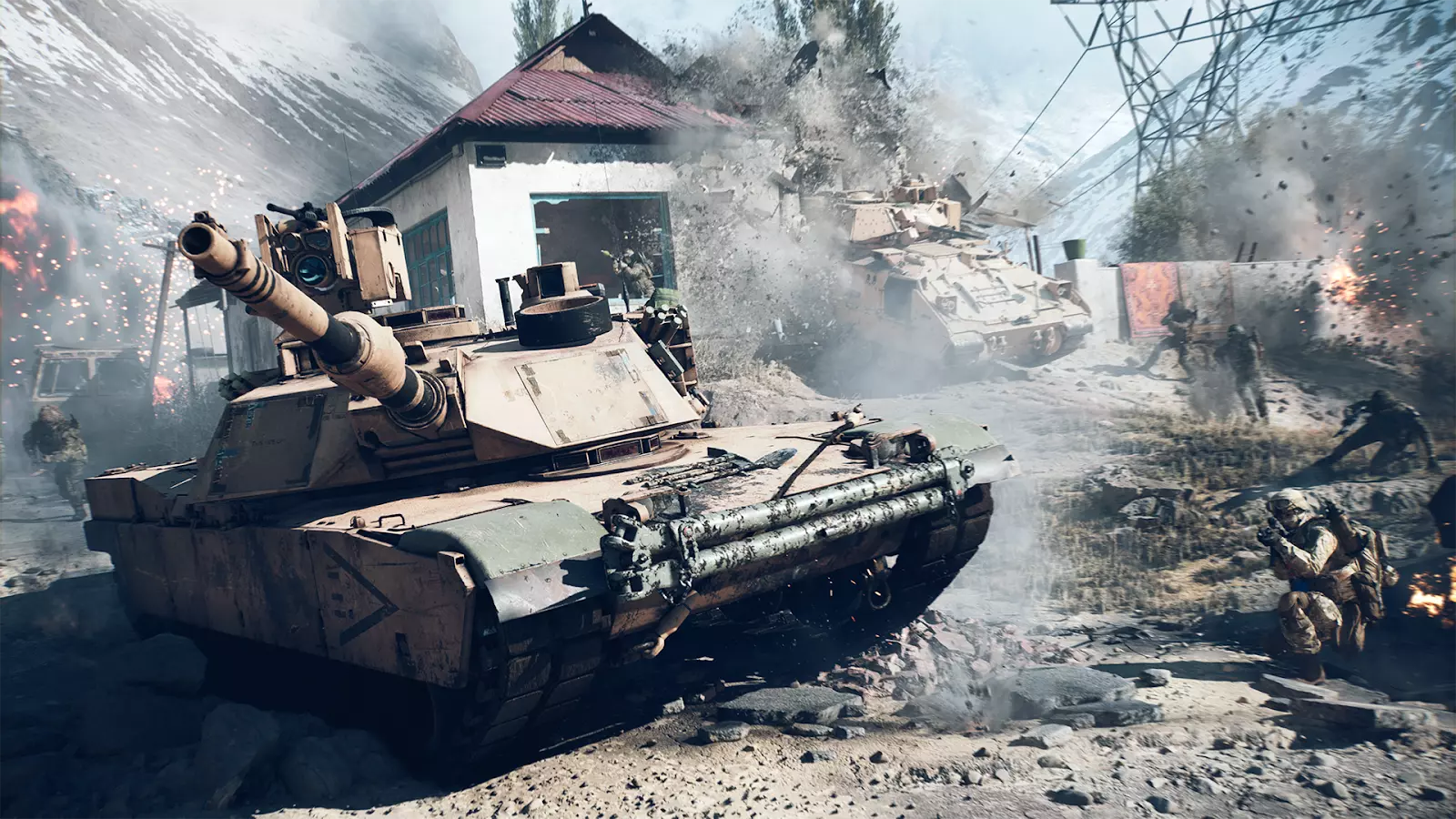
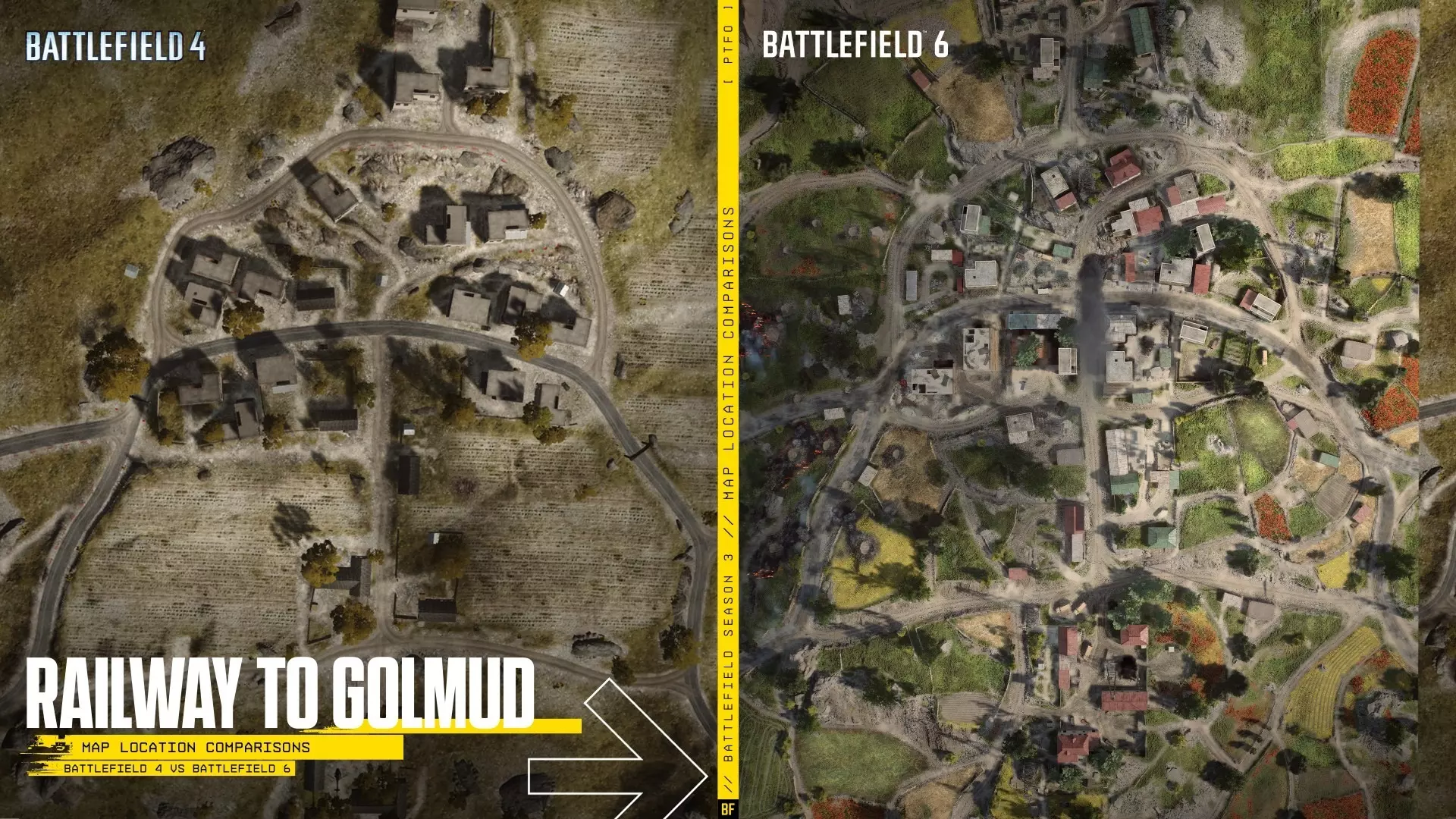
我们在路线图中列出的核心主题之一,就是为大家带来更多你们一直期待的大规模战地体验。路线图公布后,我们看到了大家对此的热烈反响,而【格尔木铁路】正是实现这一目标的关键内容。 这是我们迄今为止最大的《战地风云2042》地图,面积达到了【 mirak valley】的四倍,旨在提供真正的大规模全面战争体验。 【格尔木铁路】是对经典《战地风云4》地图的重塑,借助现代技术和新的设计经验将其引入《战地风云2042》。在保留原版地图令人难忘的核心元素的同时,我们进行了多项调整,以改善游戏流程、平衡性和整体体验。这是《战地风云》沙盒玩法的杰出范例,步战、地面载具、喷气式战斗机和直升机在广阔且充满动态变化的战场空间中激烈交锋。 该地图体验的一大标志性元素便是移动的铁路,它会形成不断变化的前线,让小队为争夺控制权而战并向敌方领土推进。我们在开发者地图指南中深入探讨了这张地图的设计、开发和演变过程。
《战地风云6》更新内容 1. 游戏玩法改进 ① 战斗改进 在第二季中,我们对命中判定、网络代码反馈以及整体战斗清晰度进行了一系列改进。这包括更清晰的命中音效、更稳定的弹道和曳光弹表现,以及增强的网络状况可见性,帮助玩家在战斗中更容易理解受到的伤害。 我们在《生活质量》博客中分享了更多相关细节,而在第三季,我们将在此基础上进一步更新,旨在让战斗更具响应性、清晰度和一致性。玩家可以期待更清晰的受到伤害提示、更快的受伤或被淘汰反馈,以及在快节奏战斗中整体交战体验的改善。我们也在持续评估武器性能和击杀时间。我们的重点是提高武器的一致性和深度,增加远距离击中目标的难度,同时鼓励更有控制和深思熟虑的交火。为此,我们正在调整不同输入设备的后坐力表现,包括减少手柄自动抵消的后坐力,以帮助不同操控方式之间保持一致性。这些改动旨在让武器性能更易于理解,同时奖励在不同战斗距离下的走位和精准度。 同时,我们将继续通过战地实验室测试以战斗为核心的更新。这包括持续改进命中判定和网络代码,以及针对第3赛季新地图上士兵可见性的定向优化。我们也在继续推进更广泛的可见性系统工作,包括士兵可见性过滤器的更新,该更新将在本赛季晚些时候推出。此外,我们还在探索新方法以更好地传达武器行为,包括有助于在瞄准期间可视化子弹散布的实验性功能。 部分改进将在第3赛季开始推出,其他改进则会在整个赛季通过战地实验室不断完善,之后再进行更广泛的应用。一如既往,你的反馈和游戏数据将在这些系统的发展过程中发挥关键作用。
迫击炮改动说明 我们持续关注关于迫击炮定位的讨论,并希望强化其以团队配合为核心的工具属性。迫击炮在与小队协同使用时效果最佳,无论是通过压制火力,还是与侦察兵配合进行目标标记。 在“猎手/猎物”最新更新后,我们对迫击炮从补给箱的补给方式进行了调整,将补给时间从10秒增加至30秒,以回应关于其使用频率的反馈。《战地6》第3赛季更新内容 随着第3赛季的开启,我们将推出进一步调整以强化这一角色: 1. 迫击炮在部署活动实例期间不再自动恢复弹药 2. 射程增加时精度会下降,以此抑制远距离蹲守行为 这些改动旨在鼓励更积极且注重配合的游戏玩法。我们将在这些改动推出后持续监控游戏数据和玩家反馈,并且已计划在此方向上进行更多更新,目标是强化更具机动性的“打了就跑”玩法,而非鼓励在单一位置进行静态、长时间的使用。 载具更新即将推出 我们将继续评估《战地6》中的载具游戏体验,初期重点是改进地面载具,尤其是坦克。根据近期Discord社区调查中关于载具的反馈,我们决定深入介绍第三季即将到来的载具改动及其背后的设计思路。这些更新旨在提升载具战斗的即时体验,让战斗过程更易理解、结果更稳定,同时增强操作响应性。我们将很快发布一篇专门的深度解析博客,详细介绍开发团队的工作内容。 展望未来,随着第四季海战等功能的加入,我们将继续致力于打造一个更平衡、更具凝聚力的载具生态系统,覆盖所有战地系列体验,包括对地面和空中载具玩法的持续优化。《战地风云6》更新内容 1. ping系统改进 基于第二季引入的改进,ping功能将更具响应性和一致性,输入延迟降低,意外取消ping的情况也会减少。系统交互也将简化,无需多次输入即可快速标记敌人、物体和位置。 我们还在改进战斗中ping的显示方式。危险ping和位置ping将统一使用相同形状,危险ping通过红色来识别,这有助于减少视觉干扰,让战斗中的标记更易于识别。 2. 匹配系统 我们注意到关于匹配系统的持续讨论,并将继续在后端进行调整,以提高匹配可用性和整体体验。随着我们进入第3赛季,以及【排位大逃杀】模式的推出,我们将密切监控各游戏模式中的匹配机制表现,尤其是那些需要较高玩家数量的模式。 我们的重点是确保玩家能够稳定地匹配到对局,同时保持优质的游戏体验。开启跨平台游玩的玩家将从这些改进中获得最显著的效果。这是一项持续进行的工作,随着我们收集到更多数据和反馈,我们将继续评估并优化匹配机制。 我们还将持续评估不同游戏列表和体验的长期表现,以及它们对整体对局质量的影响。正如我们在路线图中所提及的,我们也在开发诸如服务器浏览器和持久服务器等功能,这些功能将在未来进一步帮助玩家寻找并参与比赛。 游戏列表结构调整
《战地6》更新内容:我们正在更新游戏列表和体验的组织方式,以帮助你更快进入比赛,并呈现与你的游戏方式更相关的体验。你不会看到重大的视觉变化,但会注意到内容组织和呈现方式的转变。特色行将被新的快速游玩行取代,该快速游玩行会根据你的游戏历史和偏好突出显示模式和体验。对于新玩家,在偏好设置建立之前,将显示新手入门体验。我们还在重新组织多人游戏行,使其更易于浏览,减少横向滚动的需求,同时将自定义搜索、特色模式和单一模式游戏列表等核心选项与混合模式体验分开。随着【排位大逃杀】模式的加入,我们新增了一个【排位】栏目,以更好地突出竞技玩法。 我们还根据玩家游玩《战地风云6》的方式来调整内容的展示方式。 对于拥有完整游戏权限的玩家,我们的目标是根据其游玩历史和偏好模式,呈现更广泛的相关体验内容。 对于从【REDSEC】开始体验的玩家,我们会更清晰地优先展示可游玩内容,减少界面杂乱感,让玩家能更轻松地找到立即可玩的内容,同时仍允许通过【活动】等精选区域发现多人游戏体验。 我们的目标是减少操作阻碍,帮助玩家快速找到相关的游戏体验。这对我们来说是一个不断发展的领域,我们将继续改进前端体验的呈现方式。REDSEC
《战地风云6》大逃杀模式更新内容 1. 我们对大逃杀模式进行了多项更新,重点在于改善早期游戏流程、载具平衡性以及游戏内进度。 2. 比赛开始时,你会体验到更流畅的落地过程,同时修复了战利品延迟生成的问题。感谢大家反馈此问题,希望这能帮助你更快投入战斗。 3. 我们还对载具的性能和反制方式进行了调整。附近的坦克将更容易被追踪;所有运输载具在持续战斗中的效能将被调低,具体表现为对装甲目标的伤害降低以及武器输出更受限制。运输直升机的生命值也将减少,使其影响力与其他载具更加平衡。为支持这一点,我们正在整个游戏体验中改进反载具对抗机制。我们将更新反载具补给箱和箱式卡车中的战利品。箱式卡车也将更名为爆炸物运输载具,默认情况下会提供更强力的反载具装备。当附近有坦克构成威胁时,其战利品将自动升级,为玩家提供更多应对工具。 我们还对侦察无人机进行了调整,降低了其缩放级别并增加了冷却时间,以更好地使其影响与其他游戏元素相匹配。 在进度方面,我们将引入对战中经验值获取方式的更改。任务将提供更稳定的奖励,缩小任务完成与基于世界行动之间的差距,同时降低升级所需的总体经验值。 排位大逃杀 正如我们在路线图中提到的,排位大逃杀将在第3赛季作为战地实验室内容加入正式体验,初始将支持大逃杀四人组队模式。 这一初始版本旨在让你提前了解我们对竞技战地的设计思路,同时我们也能收集反馈并与社区共同进行迭代优化。我们将利用这些经验来改进并逐步扩展竞技玩法至更多模式,包括战地多人对战。与此前作为限时测试推出的大逃杀单排模式不同,【排位大逃杀】将作为永久性内容加入游戏,并会在后续的游戏更新中不断优化。我们将在近期通过博客分享更多相关细节。 大逃杀单排模式 根据我们的更新路线图,大逃杀单排模式将在《战地风云6》第三赛季的晚些时候回归。我们正在进行多项调整,旨在改善单排玩家的游戏节奏、前期流程以及整体公平性。在临近上线时,我们将分享更多关于该模式的具体内容。《战地6》更新内容 1.【格尔木铁路】 这是我们迄今为止最大的《战地6》地图,面积是 mirak valley 的四倍,旨在提供真正的大规模全面战争体验,将于5月12日在《战地6》中开放验证体验。 本赛季晚些时候,玩家将能够创建自定义的格尔木铁路体验。此外,体验创作者可以选择开启或关闭火车,完全控制其定向移动,并能够将其附加到一个占领点。 2.【开罗集市】 当地图在本赛季晚些时候发布时,它将立即被添加到《战地6》的验证体验中。《战地6》更新内容 这个较小的地图以步兵玩法为核心,地面载具数量有限,其灵感源自《战地3》中的经典地图【大集市】,我们已经迫不及待想将它呈现给各位玩家。 随着赛季的推进,玩家将能够创建属于自己的【开罗集市】自定义体验,希望这能为大家的游戏选择增添更多深度。 1.【自定义搜索功能修复】 我们的自定义搜索功能最近出现了异常。目前,《战地6》和【REDSEC】中已实装相关修复。 2.【第二赛季战斗通行证装备获取】 随着第三赛季的开启,所有第二赛季战斗通行证中的装备都将在【门户】模式中开放获取。《战地风云6》新增装备内容 1.武器 GRT-CPS,精确射手步枪 M121 A2,轻机枪 VCR-2,突击步枪 CZ3 A1,冲锋枪 VZ61,副武器 2.装备 IGLA发射器 硬件压制系统 Ripper 14,锯齿刀片 3.ViperStudioAndy的自定义征服模式模板 Andy是一位热情的门户模式创作者,他开发的自定义征服模式模板受到了社区内许多优秀创作者的欢迎。为了表彰他的贡献,我们已将其模板正式整合到《战地风云6》的SDK中。 这个现成的自定义征服模式体验脚本将从第三季上线开始供所有玩家使用。 Andy的留言:“在门户模式社区的大力支持下,创建这个模板的过程充满了挑战与收获。”我们的目标是打造一款操作简便且具备高度灵活性的工具,让你能够打造专属于自己的战地体验。 载具冲量功能 本赛季晚些时候,将推出载具冲量功能,创作者可通过Blockly或TypeScript在战地6和REDSEC中模拟物理效果。物理冲量会直接对单个载具或特定区域内的载具施加冲量,类似于爆炸效果,同时还可选择设置伤害参数。这些脉冲可以通过 proximity(可调整范围)、timers(在放置或激活时设置)或 interactive triggers(如区域、压力板或绊线)来触发。 新增已验证模式 此外,在本赛季晚些时候,《战地风云6》的门户模式中还将推出两种新的已验证模式。 小队死斗 - 拿起武器,组队参与快节奏的近距离死斗。四支小队争夺胜利,目标很简单:率先达到击杀目标者获胜。 团队死斗 - 纯粹以步兵为主的高强度战斗。在团队死斗中,唯一的目标就是消灭敌人。击杀数最多的一方获胜。 感谢您的支持 我们期待您在5月12日加入第三赛季。我们很快还会分享更多内容,包括关于载具改进和【REDSEC】排名大逃杀的专门博客,这些都将随新赛季一同推出。 感谢您继续参与《战地风云6》的旅程。您在我们所有渠道的反馈、视频片段、报告和讨论,对我们如何改进游戏起着至关重要的作用。如果您遇到问题,请在我们的EA论坛上分享。您也可以加入《战地风云》Discord参与讨论,并访问我们的网站获取最新更新、指南和赛季资讯。 战场上见。 //《战地风云》团队 本公告可能会随着我们听取社区反馈以及持续开发和改进我们的实时服务与内容而发生变化。我们将始终努力让社区尽可能了解相关信息。
嘿,士兵, 又到了汇报我们如何维护公平游戏环境的时刻了。 三月是第二赛季的中点,随着游戏环境的变化,策略也有所调整。通常来说,在一个赛季末到下一个赛季初的过渡期间,作弊者和作弊程序开发者的活动会有所增加。在此期间,我们的反作弊团队也会将工作重心从应用新的检测手段转向构建这些手段,从而为玩家们带来一个相对稳定的游戏时期。 三月:结果与影响
比赛感染率:游戏中至少有一名作弊者对比赛产生负面影响的场次百分比。这包括所有疑似作弊者,即使是那些我们可能没有足够证据采取处罚措施的玩家。 3月,比赛感染率月初处于该月低点,为2.53%。随后持续上升,在30日达到峰值3.27%。最低记录点出现在25日,为2.30%。到4月初,比赛感染率为2.97%。在这段时间内,我们发布了一些针对性的检测措施,同时也开始着手储备新的检测手段,以应对第三赛季上线前作弊开发者可能增加的活动。 整个3月,EA Javelin反作弊系统成功阻止了333,832次作弊或篡改游戏的尝试,避免其对比赛造成影响。我们仍在追踪226个与作弊相关的程序、硬件解决方案、供应商、经销商及其相关社区。其中,已有217个(占比96.01%)报告出现相关功能故障、检测通知、服务中断或完全下线的情况。 请共同维护公平的游戏环境——战场上见。
Battlefield Studios
简介
TA什么都没有写
发帖达人Ⅰ