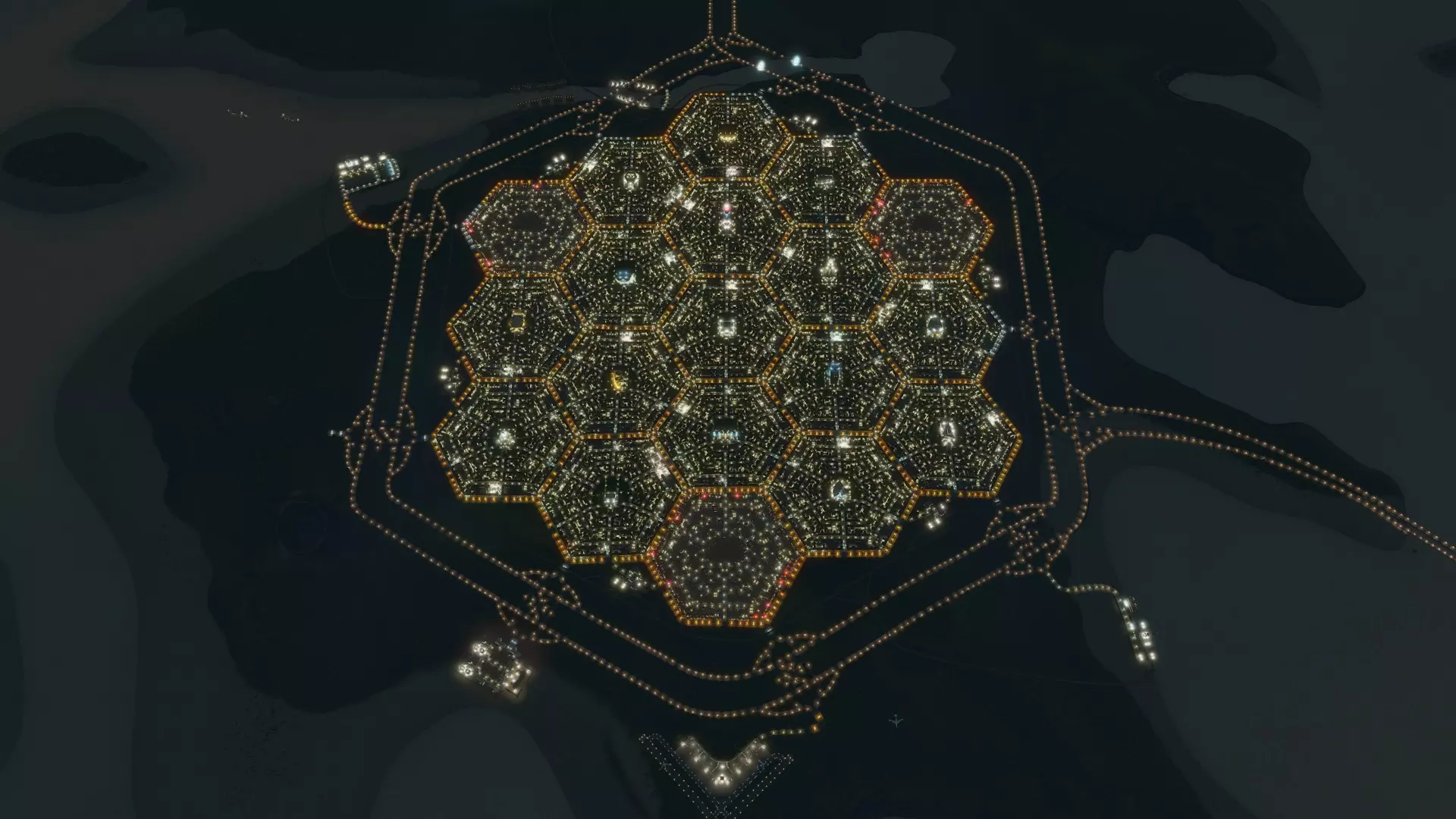
如果你曾遇到严重的交通拥堵、建筑物抱怨“买家不足”等问题,缺乏完善的公共交通可能是原因所在。本指南将帮助你打造城市所需的公共交通系统。 简介 构建高效的公共交通系统对任何城市的正常运转都至关重要。它为市民提供了除驾车之外的可行选择,从而显著缓解交通拥堵。这反过来能让道路为真正需要的车辆腾出空间,例如应急车辆、城市服务车辆和卡车。 理想情况下,该系统应尽可能覆盖城市的大部分区域,但你也可以选择专注于需求最高的区域。为此,我们需要确保系统快速、高效且便捷。准备就绪后,请向下滚动至下一部分。 推荐项目 以下是我推荐使用的内容列表,但并非必需。 DLC https://store.steampowered.com/app/369150/Cities_Skylines__After_Dark/?curator_clanid=6625556 https://store.steampowered.com/app/420610/Cities_Skylines__Snowfall/?curator_clanid=6625556 https://store.steampowered.com/app/547502/Cities_Skylines__Mass_Transit/?curator_clanid=6625556 https://store.steampowered.com/app/1146930/Cities_Skylines__Sunset_Harbor/?curator_clanid=6625556 模组 关于公交站台(仅限创意工坊资源)或车站月台的选择: https://steamcommunity.com/sharedfiles/filedetails/?id=2862973068 关于高架和地下客运火车站: https://steamcommunity.com/sharedfiles/filedetails/?id=515489008 关于额外线路选项: https://steamcommunity.com/sharedfiles/filedetails/?id=1312767991或 https://steamcommunity.com/sharedfiles/filedetails/?id=928128676 关于额外地铁选项: https://steamcommunity.com/sharedfiles/filedetails/?id=816260433 关于有轨电车站资产的放置: https://steamcommunity.com/sharedfiles/filedetails/?id=707497031 关于游戏内船舶航线的创建(连接岛屿时很有用): https://steamcommunity.com/sharedfiles/filedetails/?id=512314255 关于车道和路口管理(例如禁止私家车进入公交专用道、更改公交专用道箭头、创建跨站台铁路换乘站): https://steamcommunity.com/sharedfiles/filedetails/?id=1637663252 如需更多道路选项: https://steamcommunity.com/sharedfiles/filedetails/?id=812125426 如需在非交叉路口位置设置人行横道: https://steamcommunity.com/sharedfiles/filedetails/?id=427258853 任何允许创建单轨铁路的模组(有助于实现铁路平交路口的立体交叉和跨站台铁路换乘) 资产 任何多站台火车/地铁站(即超过2个站台)。有助于在保持线路分离的同时,实现线路间的换乘。 任何高架/地下火车站 任何小型公交枢纽 网络设置 在创建网络时,有多种方法可供选择——具体选择哪种方法取决于你自己。请记住,你所做的每一个选择都会决定网络的效率,因此请根据你希望网络的使用方式做出明智选择。 多模式连接 如果你只是建造一个小镇,没有其他规划,那么本节内容与你无关,因为此时大多数人很可能都可以通过公交车出行。但如果你拥有一座大城市,或者计划建造一座大城市,那么使用多种公共交通模式对于网络实现最高效率运行至关重要。
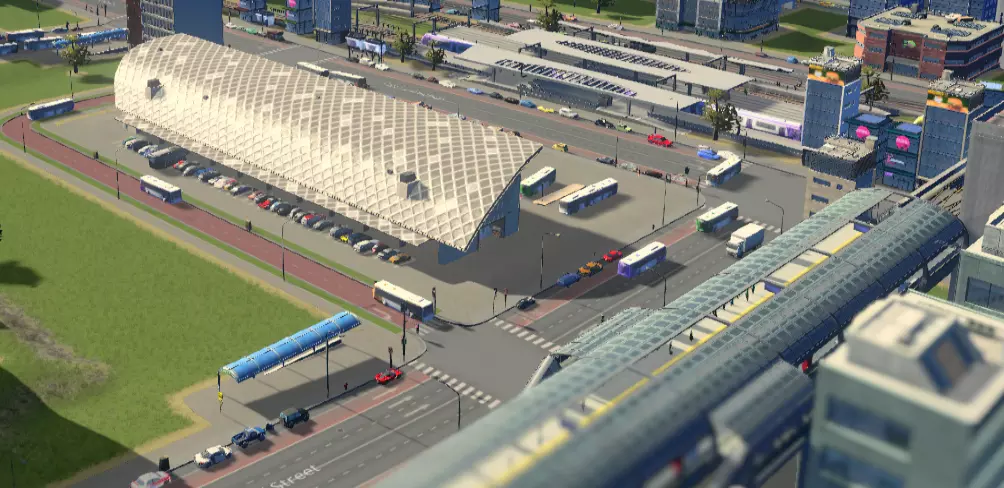
你的市民会很乐意采用多种交通方式前往目的地。例如,典型的行程可能包括乘坐公交车到当地火车站,再乘坐客运列车前往市中心,换乘地铁到达河畔,最后乘坐有轨电车完成最后几百米的路程。这样做的好处是你无需规划从任何地点到其他所有地点的路线——只要市民能在不同路线之间进行便捷换乘即可。 直达行程 你可以尝试提供从任何地点到其他所有地点的直达行程,但这样做的唯一好处是市民无需换乘。相比之下,这种方式存在多个缺点。这些包括但不限于: 需要更多路线 单条路线的客流量会极低 需要更多车辆才能维持良好的发车频率。由于需求不足,大多数车辆将接近空载运行 由于站点数量多,出行时间可能比自驾更长 枢纽辐射式模型
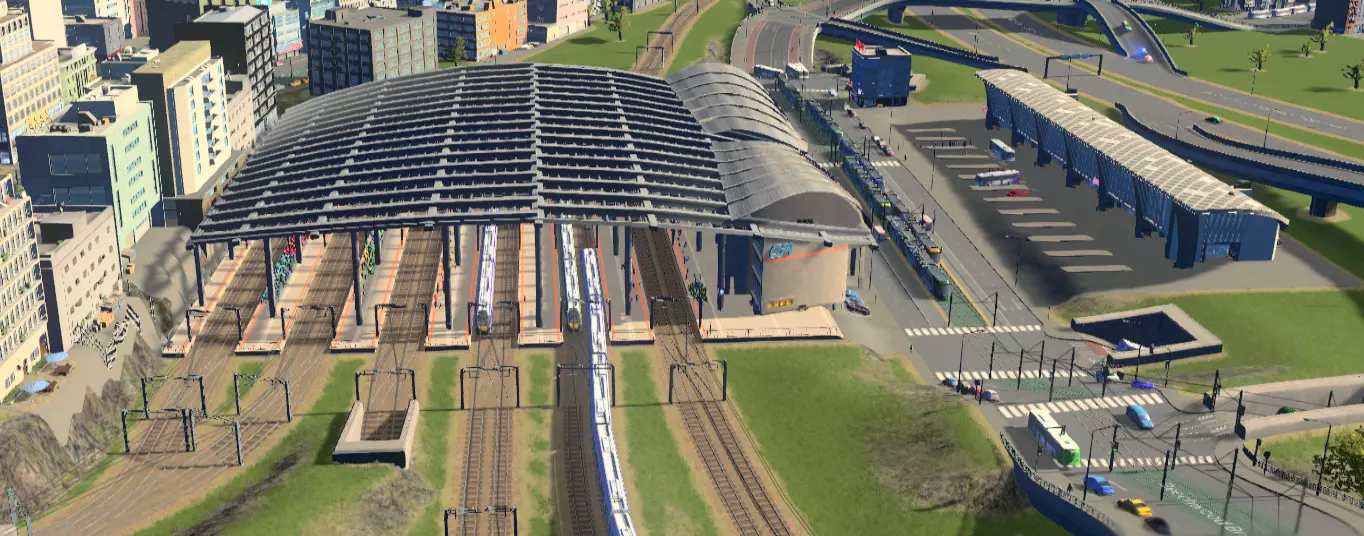
为了让你的交通网络尽可能高效运行,最好建立一系列交通枢纽,供市民换乘路线。枢纽的规模取决于所使用的交通方式以及途经枢纽的路线数量。 这种模式的优势包括: - 减少所需路线的数量 - 结合干线和支线(见下文),可缩短出行时间 - 由于市民往返枢纽及在枢纽间流动,各条路线的客流量更高 该模式的唯一缺点是市民需要换乘才能到达目的地(不过通过下文讨论的合理规划,可以将不便降至最低)。 有些枢纽仅作为支线的终点站,其主要目的是将市民输送到特定地点。为此,单个资产(如小型公交枢纽)便已足够。
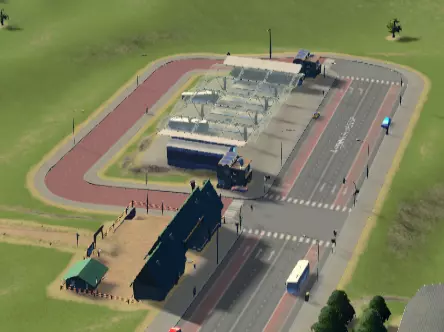
然而,大多数枢纽将作为多条本地线路和干线之间的主要换乘点,因此有必要将多种设施紧密放置在一起(例如,大型公交站正对面就是火车站和地铁站),以尽可能提升换乘的便利性。
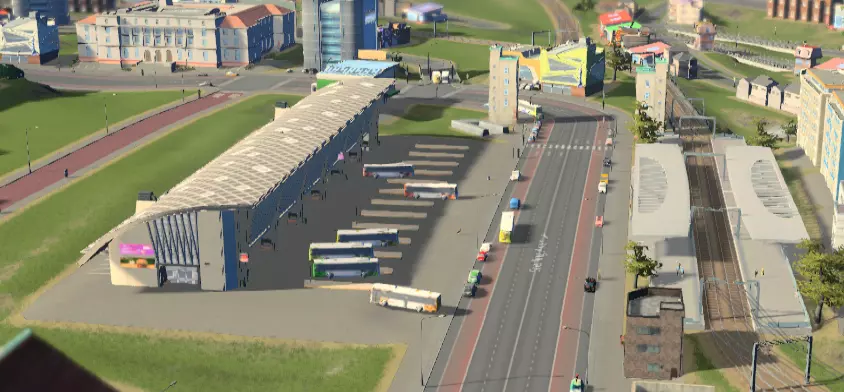
干线 这些路线用于连接各个枢纽,中途停靠站点极少,从而让交通工具能高速运行,缩短出行时间。这类路线通常客流量较大,因此最适合采用大容量的交通方式。(下一部分将探讨各种交通方式的适用性。)如果愿意,你也可以使用小容量交通方式来承担干线任务,但由于需求量大且车辆速度可能较低,你将需要数量多得多的车辆。 支线 支线也可以连接枢纽,但其主要功能是将市民送往最后几百米的目的地。因此,这类路线通常以较低速度运行,以最大限度提升便利性。(实际上,在枢纽之间设置本地路线可以抵消部分运营成本,因为乘客量不太可能偏向路线的某一端。)为此,由于站点频繁,这些路线最好使用低容量的交通方式。(我们将在后面的章节中探讨路线规划。) 《大众运输》和《日落港口》DLC 中提供了多种多模式枢纽资产,您可以用它们来替代放置多个资产。 交通方式 在本节中,我们将了解不同的交通方式及其最佳使用场景。 重轨 我们首先来看高容量的陆路交通。 客运列车
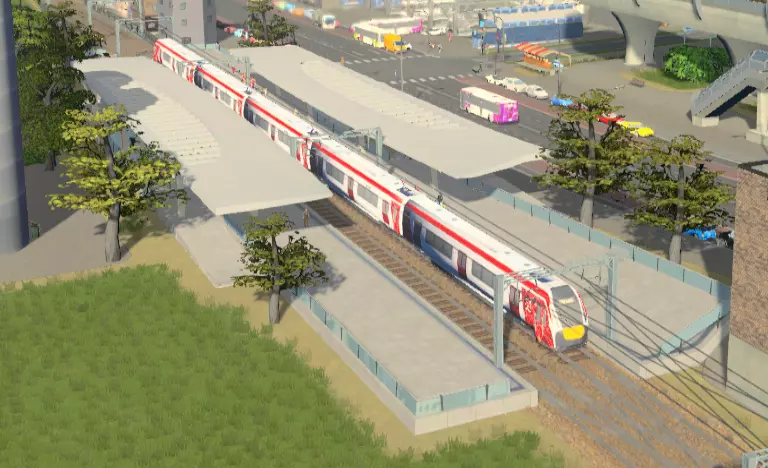
客运列车是一种快速、大容量的交通方式,非常适合大城市。它们能在短时间内长距离运输大量乘客,因此是郊区与城镇之间高需求干线的理想选择。 铁路线可以建于地面、高架或地下,从而能够避免与道路平面交叉。随着城市的发展,避免平交道口变得越来越重要——就像在现实生活中一样,游戏中的平交道口会造成道路网络的瓶颈,引发拥堵并延误公交车、紧急服务等车辆。 你也可以放置高架和地下车站(可在创意工坊获取),但需要“Extra Train Station Track”模组。 地铁
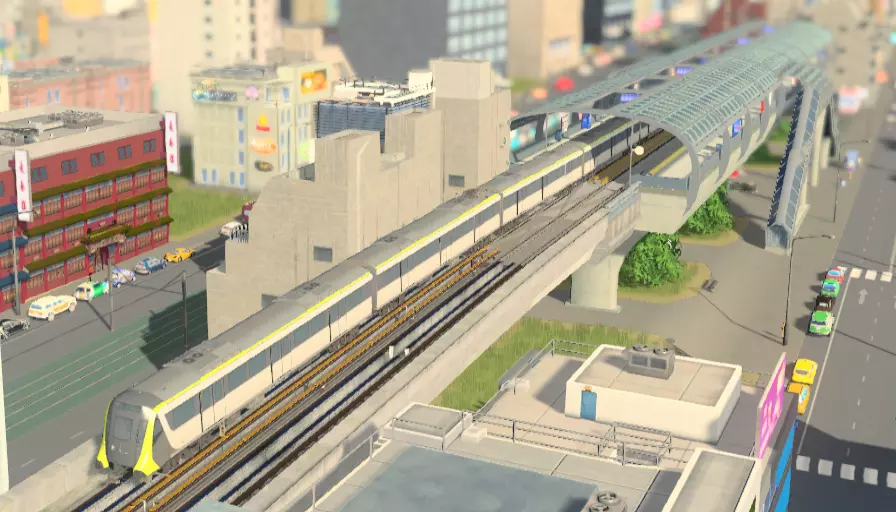
类似火车,但速度较慢。地铁是一种高容量的交通方式,其优势在于不会占用太多地面空间,因此适合通往城市中常规客运火车无法到达但大量市民需要前往的高密度区域。与火车线路一样,地铁线路可以建于地面、高架或地下,但不能与火车系统相交。大都会车辆段
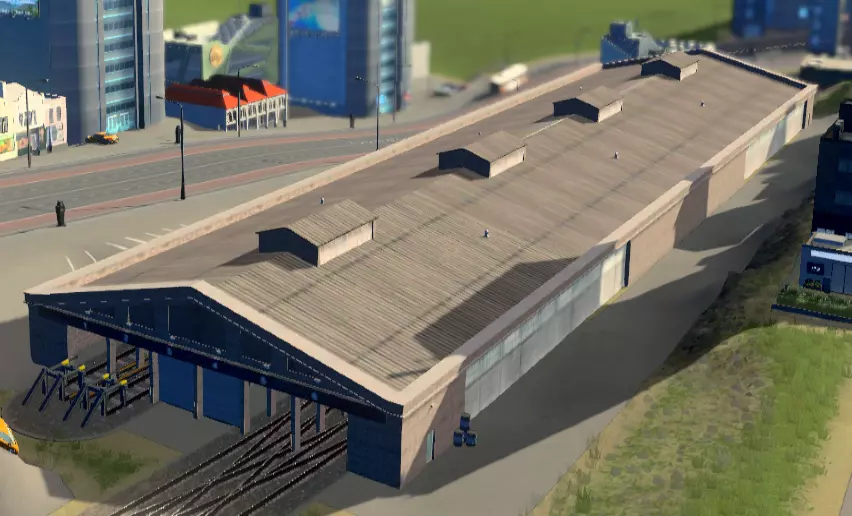
如果你使用“地铁大修模组”(Metro Overhaul Mod),地铁列车将从车辆段而非车站生成。请确保将车辆段连接到你希望生成列车线路上离其位置最近的车站,否则列车将无法生成。 列车拥堵:与道路类似,当列车在车站停靠时,铁轨也会出现拥堵,这会导致车辆消失,从而阻碍乘客和货物到达目的地。为尽量减少拥堵,每条轨道对最好不要超过两条线路。 此外,最好将市内交通网络与城际交通网络及货运网络完全分开,因为根据需求,每个网络上的列车数量都会相当多。在两条不同铁路线的交汇处,最好对该交汇处进行立体交叉设计,这样可以避免不同线路上的列车相互交叉(无需等待对方驶离交汇处)。为此,你需要使用单行道轨道,以确保列车按你期望的路径行驶。 地铁和单轨轨道同样适用此规则,但它们本质上不会与城际铁路和货运网络相交。 道路运输 接下来,我们将了解低容量陆路运输 公交车
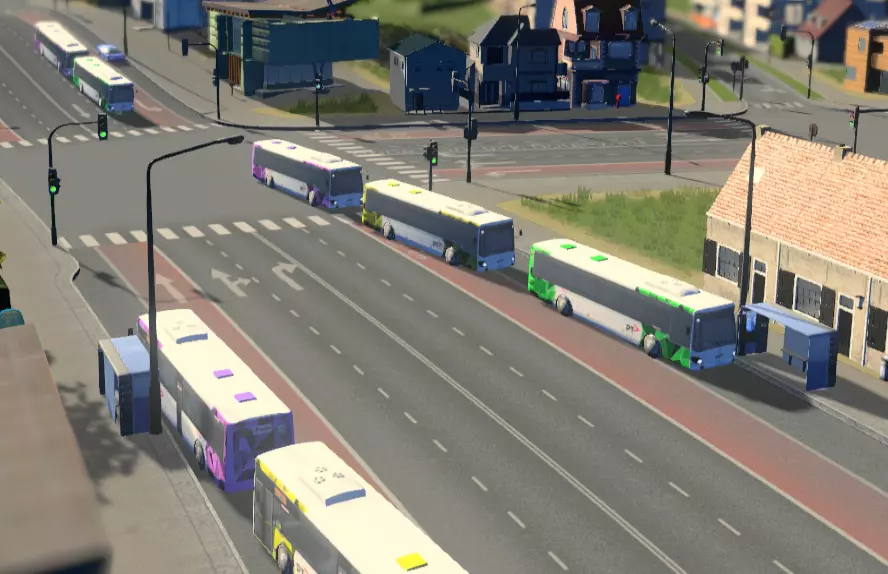
公交车在所有交通方式中最大的优势在于其无需轨道运行。结合其较小的体型,这意味着只要在陆地上(或至少在隧道内或桥梁上),它们就能抵达城市中的任何地方。不过,体型小巧也带来了一个缺点——载客量不大。因此,公交车最适合用于“最后一公里”接驳,即把市民从家中、工作场所或其他任何地方送往最近的火车站、地铁站、渡轮码头或公交换乘站(以便换乘其他公交线路)。 公交 depot
要创建公交线路,你首先需要建造一个公交总站。虽然一个公交总站足以覆盖整个城市,但要记住,公交车从总站前往其线路需要时间,因此如果你的城市规模较大,放置多个总站可能是明智的选择。 公交站/小型公交枢纽
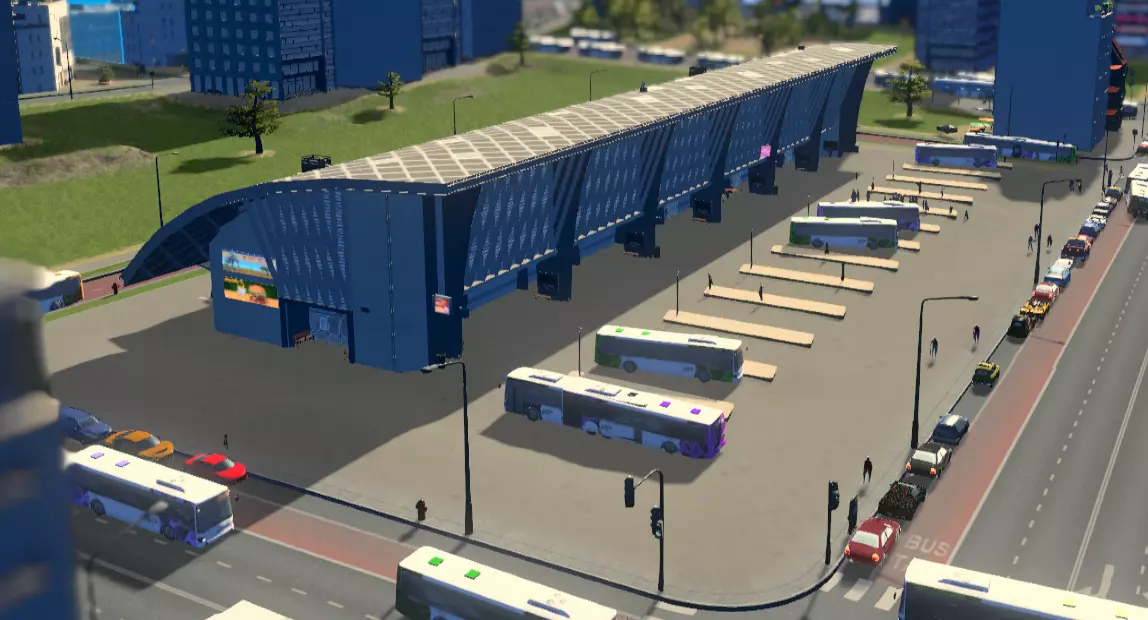
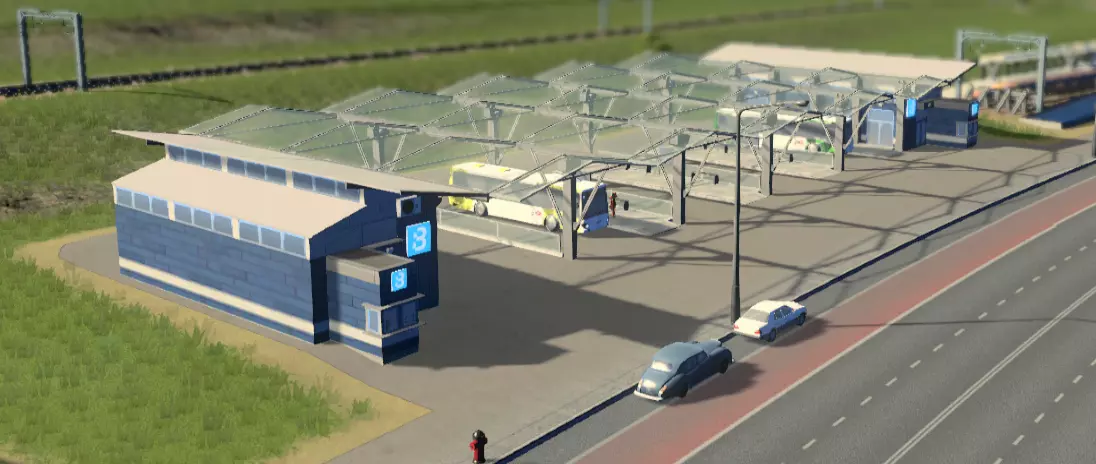
这些资产在多条公交线路于同一地点(如火车站或机场)终点时非常有用。它们充当这些线路的枢纽,允许市民在不同线路或其他交通方式之间换乘,同时最大限度减少地面空间占用。 公交总站可通过《After Dark》DLC获取,创意工坊中也有许多小型公交枢纽。此外,《Plazas and Promenades》DLC中还提供了紧凑型公交总站。 轻轨/单轨 第三,我们来看看中等运力的陆路交通。 单轨
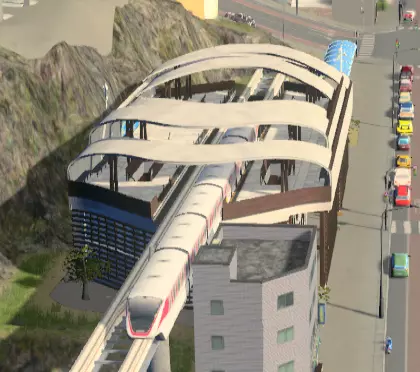
单轨铁路是一种中等运力的交通方式,与道路保持分离。它们既可以在独立轨道上运行,也能在直接架设于道路上方的轨道上行驶。这使得它们相比地铁或客运列车系统,在地面占用的空间更少,但运力有所降低,同时还能避开道路上的交通。这使单轨铁路非常适合那些需要铁路连接,但不需要地铁或常规客运列车那般运力的区域。 单轨铁路需通过《大众运输》DLC解锁。 有轨电车
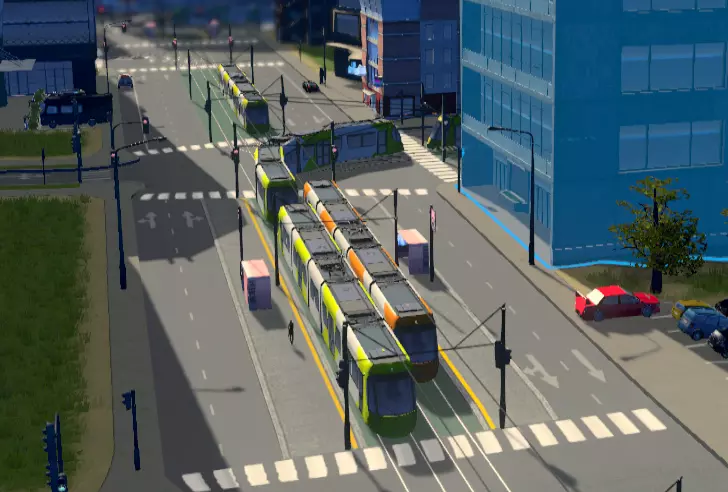
电车行驶在嵌入路面的轨道上。与公交车类似,它们提供一种“最后一公里”的接驳服务,将市民从家中、工作场所或其他任何地方送往最近的火车站、地铁站或渡轮码头。不过,电车的载客量比公交车有显著优势,非常适合在城市人口最密集的区域承担往返火车站和地铁站的客运任务。 电车轨道既可以建造为独立轨道,也可以是街道轨道,从而能够在地面构建轻轨系统(但需要“Tram Station Track”模组才能放置电车站资产)。 建造电车轨道时要注意,即使在路线上使用双端电车,电车也无法反向行驶。因此,请确保在路线末端设置环形轨道,以便它们掉头。电车车库
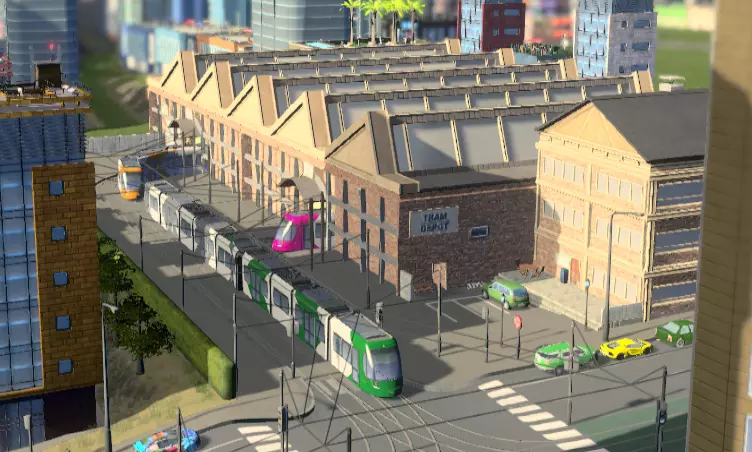
创建电车线路前需要先建造电车 depot(车辆段)。根据你的路网规模和电车路线的位置,你可能需要多个车辆段,因为并非所有道路都铺设有电车轨道,且电车需要能够从车辆段抵达其运行路线。 电车需通过《降雪》DLC 解锁。 航空与水上交通 接下来,我们将了解不占用土地的交通方式。 渡轮
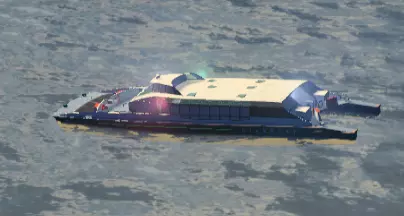
渡轮是连接河流、海湾、湖泊或港湾两岸,或将岛屿与大陆连接起来的理想方式,无需建造冗长的隧道或桥梁——若使用陆路交通连接城市的这些区域,就必须修建此类设施。这使得渡轮相比其他陆路路线能够提供捷径,并且在某些路线上拥有垄断地位,尤其是涉及岛屿的航线。 渡轮码头
在创建渡轮航线前,需要先建造渡轮 depot。与有轨电车 depot 或公交车 depot 类似,渡轮将从该建筑出发并航行至其航线,因此请确保渡轮 depot 通过渡轮航道连接到所有它将要服务的航线。 渡轮航道
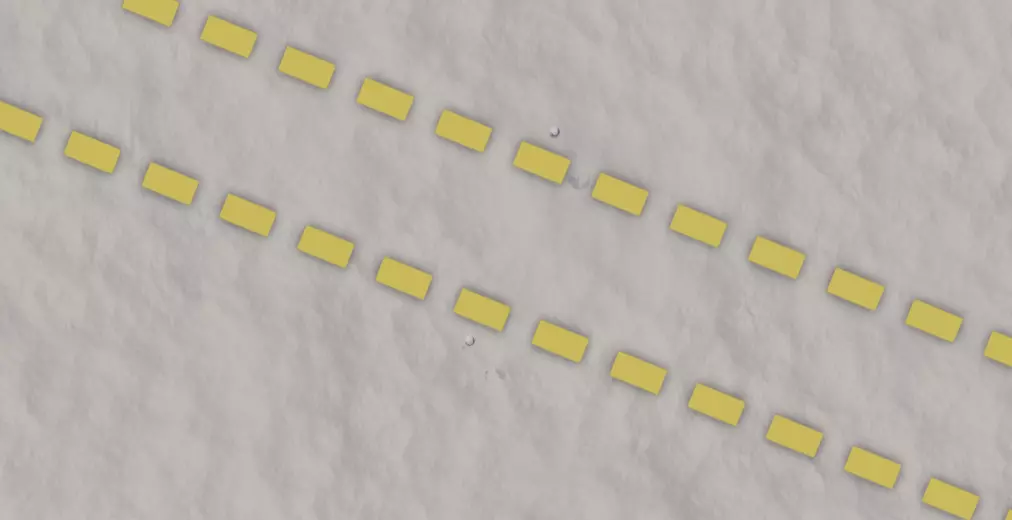
除了渡轮码头外,你还需要创建渡轮航线,并将站点与码头连接起来,这与火车轨道类似。建造航线时要注意水深,并确保渡轮航线沿途保持该水深(或更深)——如果水太浅,渡轮会搁浅。 飞艇和直升机 飞艇和直升机的主要优势在于它们可以不受阻碍地前往任何你想去的地方。然而,它们的低载客量以及起飞和降落的需求严重限制了其实用性。 渡轮和飞艇可通过《大众运输》DLC获取。直升机可通过《日落港口》DLC获取。 人行道/步行路径 最后,我们来看看路径的实用性。
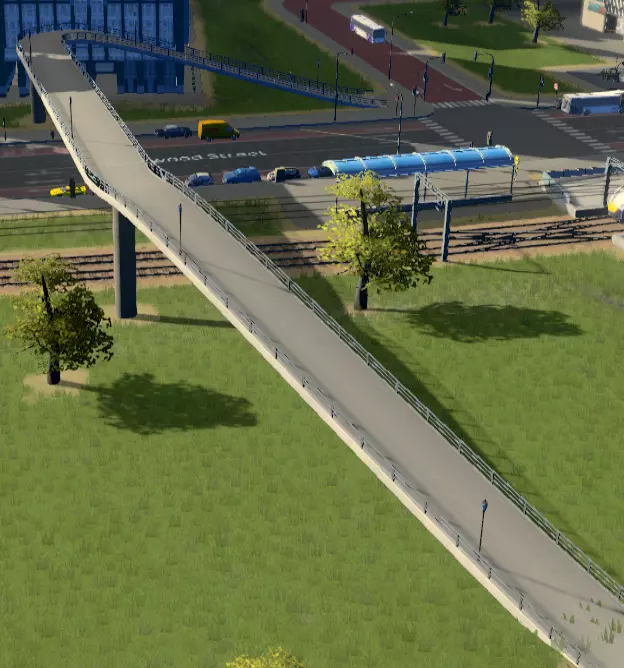
这些是您公共交通系统中默默无闻的英雄。它们为市民提供了前往最近公共交通站点的便捷路径,例如步行穿过马路到达公交站,或穿过铁路到达车站入口。放置它们并非必需,但能让市民的生活更轻松。有关更多信息,请参阅“路线规划”部分。 路线规划 规划路线时,有几个事项需要考虑。在本部分中,我们将逐一了解这些事项。
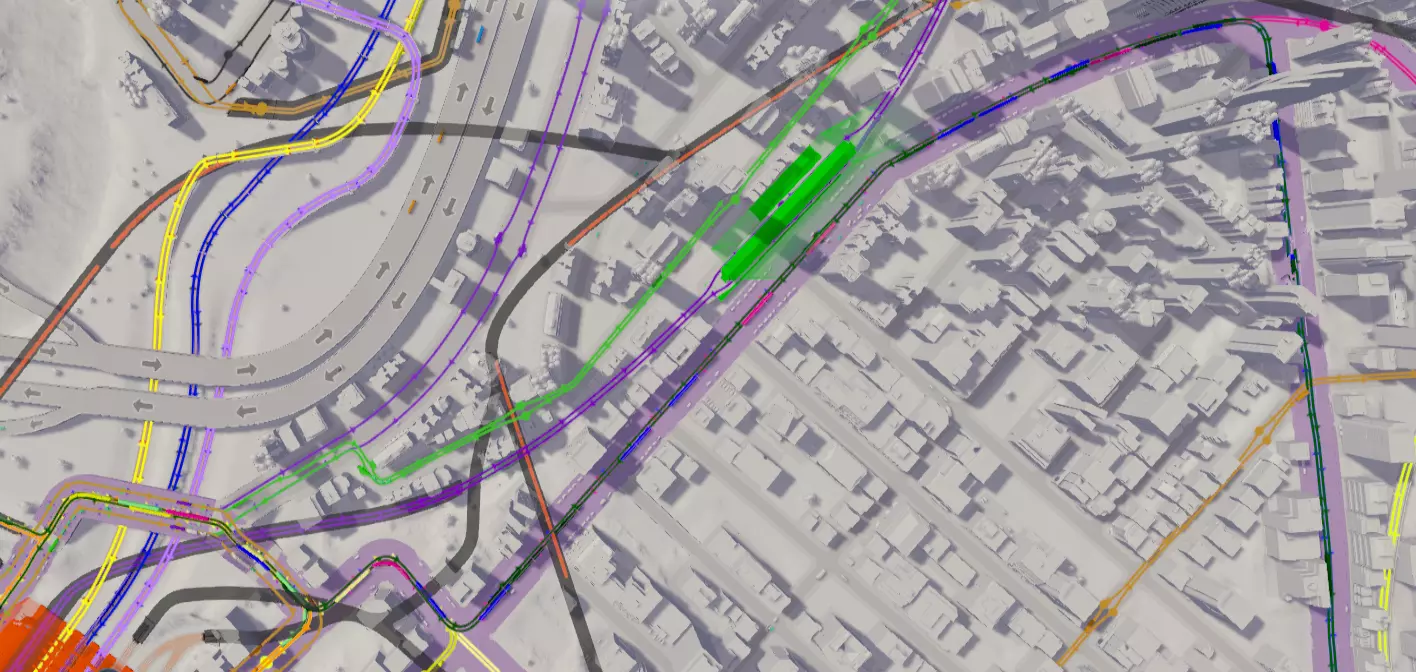
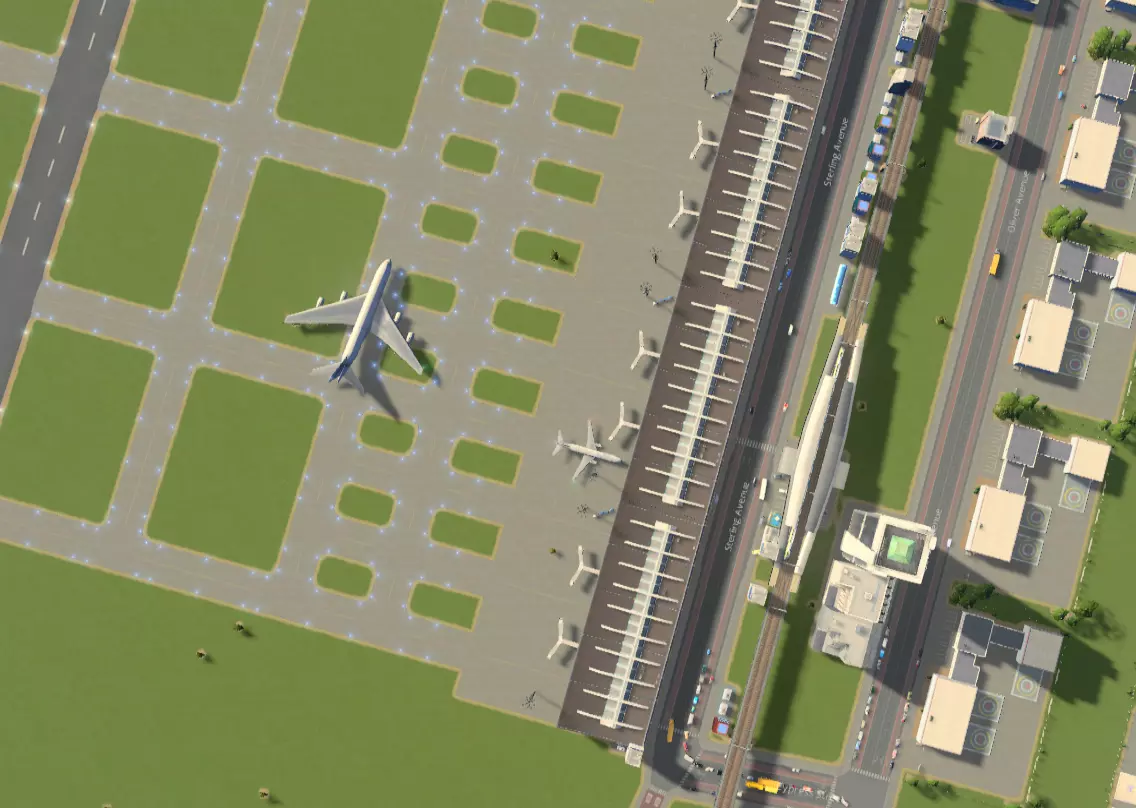
大型交通生成器:机场、港口、城际火车站和汽车站作为市民进出城市的主要方式,通常会产生大量交通。因此,将它们连接到高容量的主干道实际上是必不可少的。
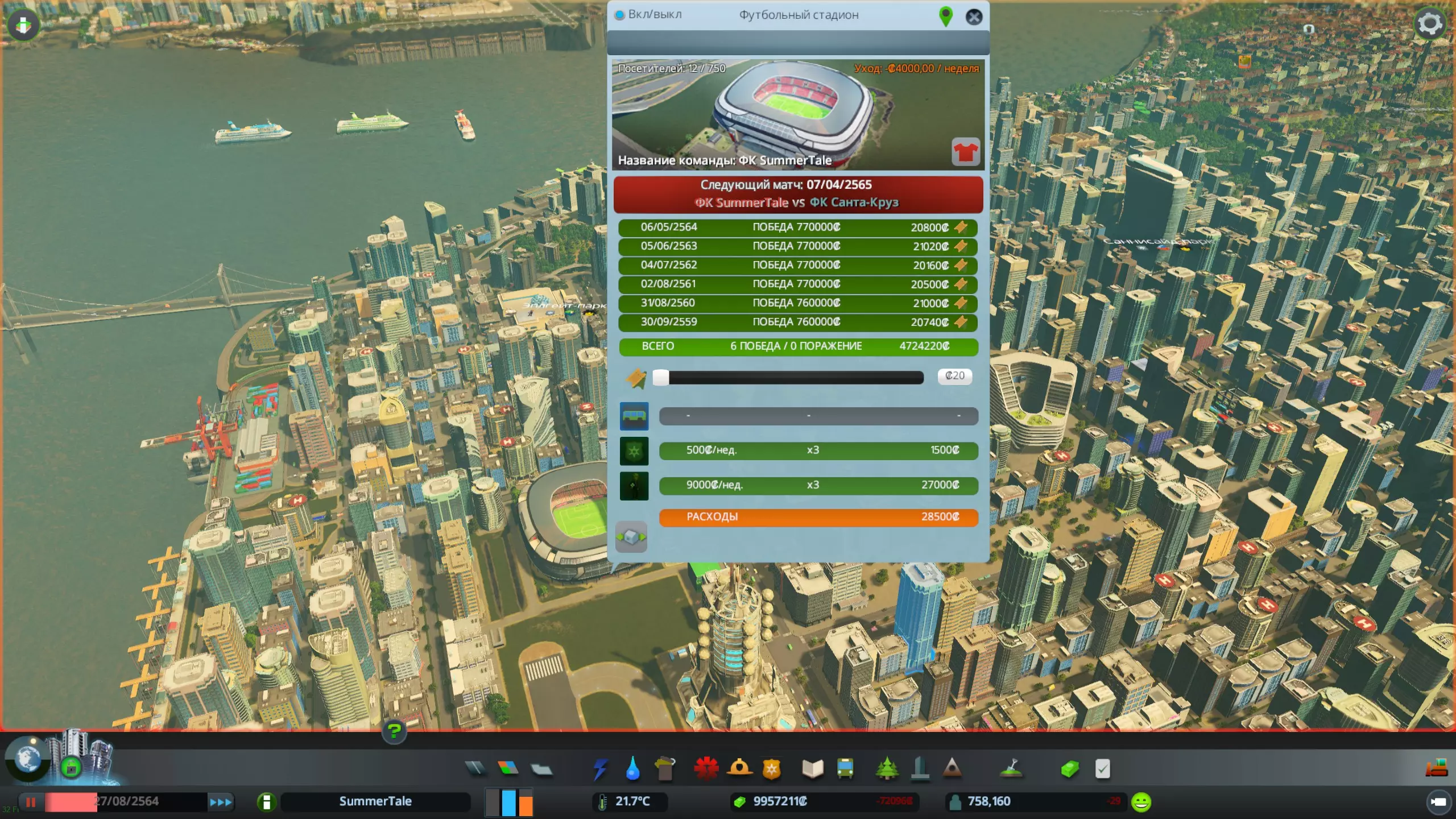
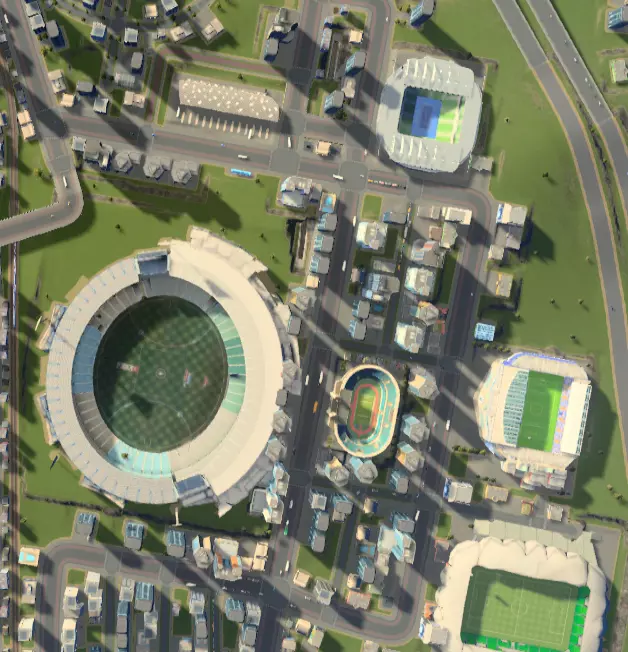
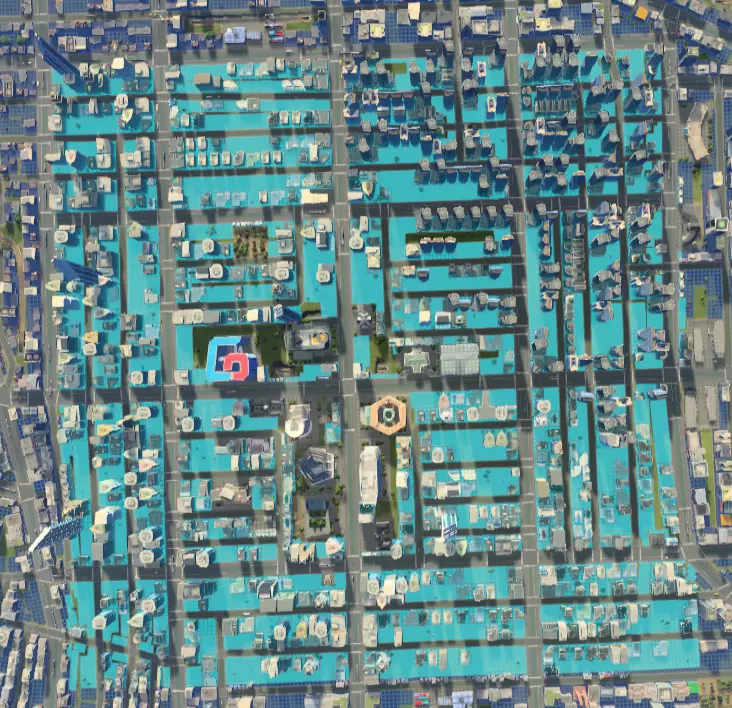
其他大型流量生成器可能包括(但不限于)体育和娱乐区(这些区域可能举办大型活动):
大型办公区(因工人数量众多)
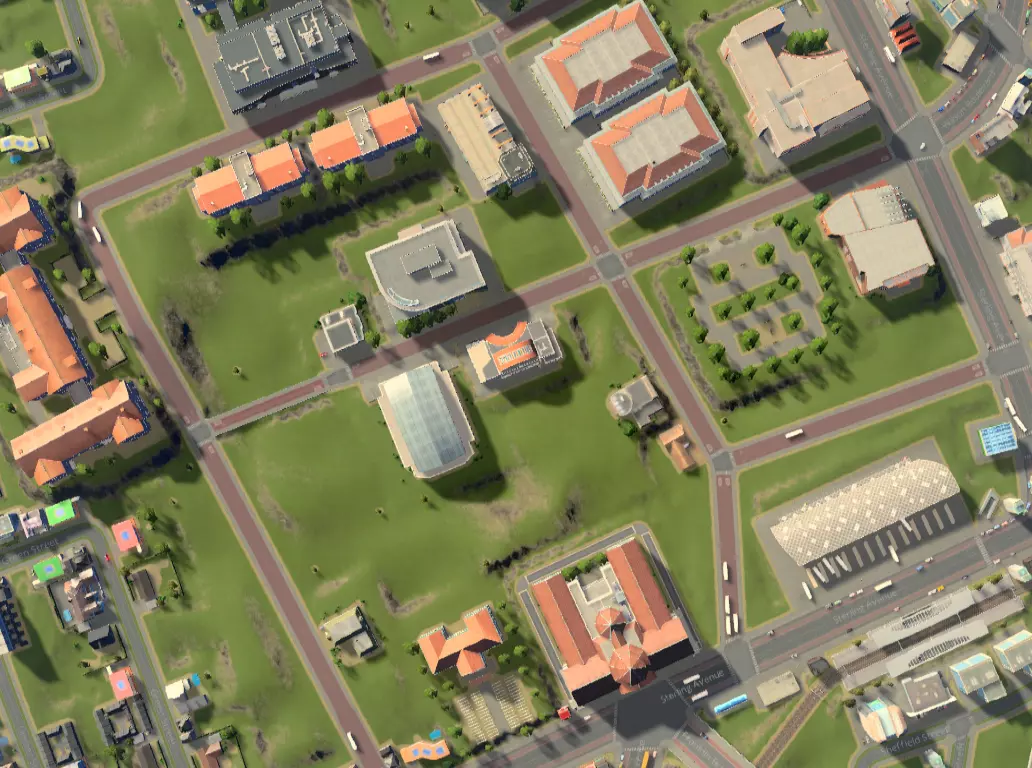
大学/学院(因学生数量):
以及公园和旅游景点。
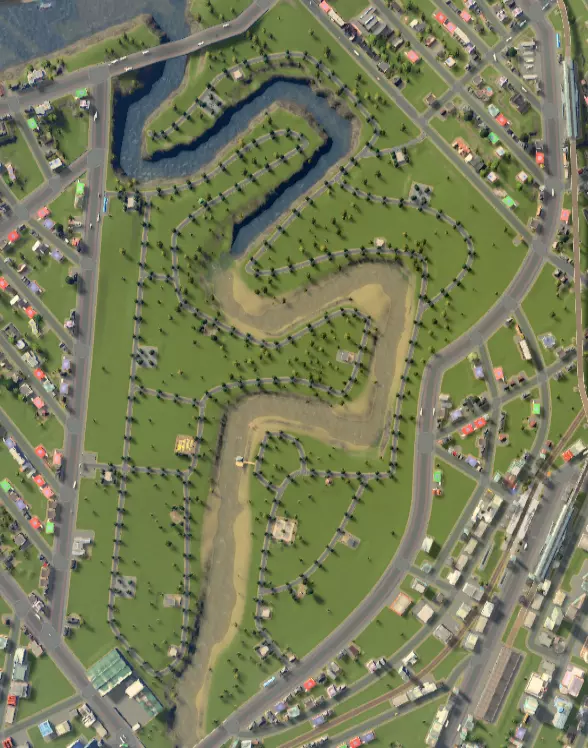
对于公园和旅游景点而言,游客数量在很大程度上受可达性的影响,因此若想吸引大量游客,就需要为这些地点规划高容量的交通路线。对于大型办公区、体育娱乐区以及大学/学院,上述因素会显著影响它们所产生的交通流量。因此,很可能需要采用高容量的公共交通方式。 路线直达性:在规划路线时,这是一个必须重点考虑的因素,因为这是市民选择(或不选择)使用你的交通网络的主要原因之一。绕行距离过长的路线更可能被用于短途出行(例如,前往相隔两站的学校),而非长途出行(例如,前往市中心的足球场),因为如果有更直接的路线,开车可能会比公共交通更方便。
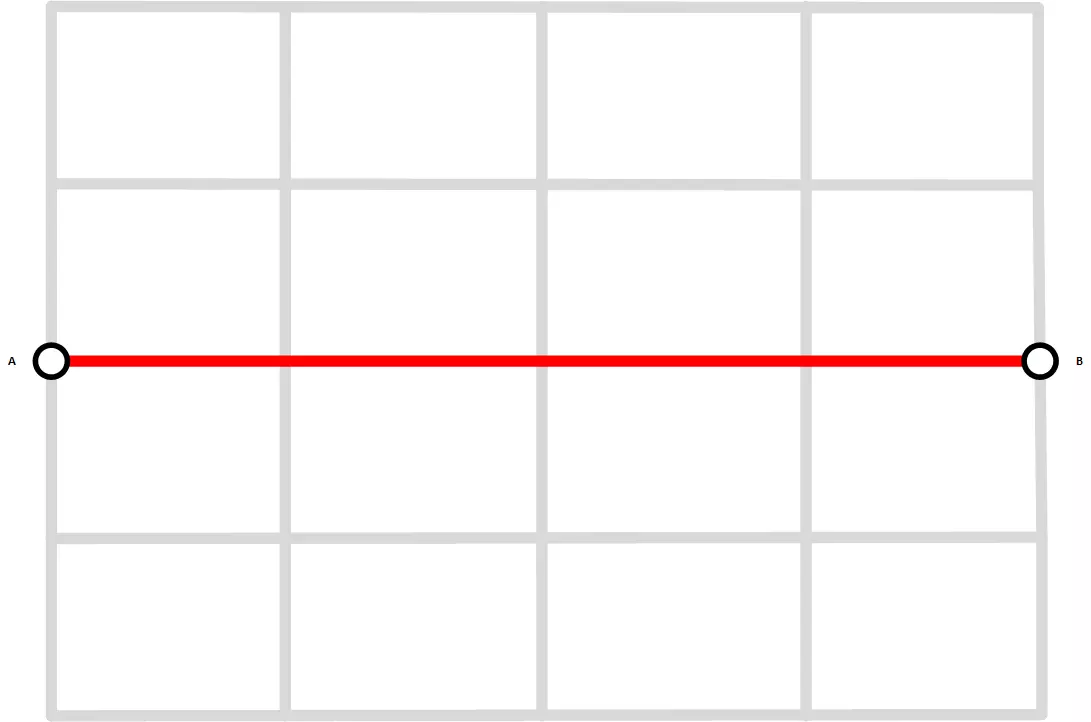
图1:直接端到端路径
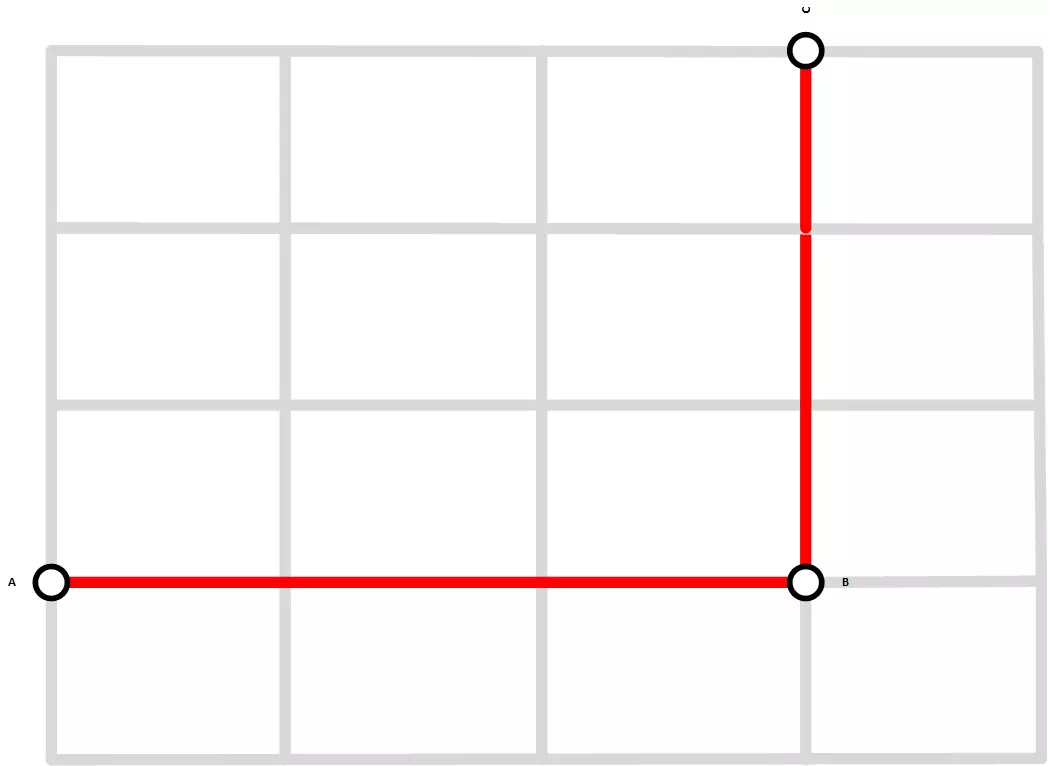
图2:主要兴趣点间的直达路线。 直达路线不一定意味着从一端到另一端的最短路线(图1)。它可以绕经主要兴趣点(图2)。这在保持快速服务的同时提供了一定的灵活性。 访问便利性
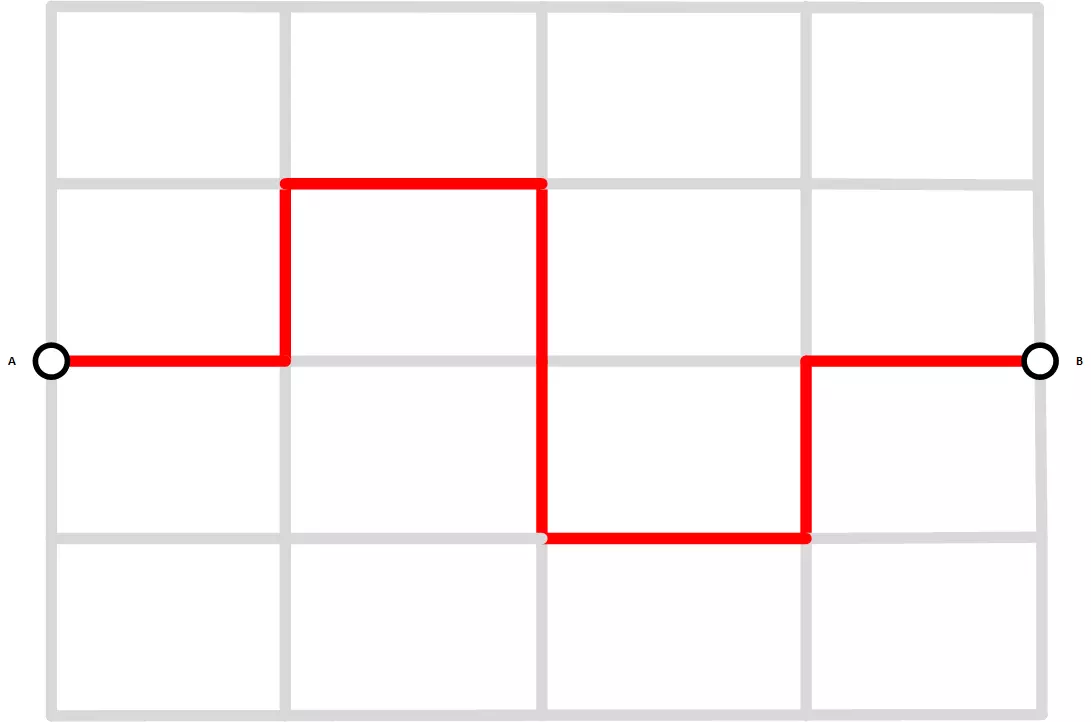
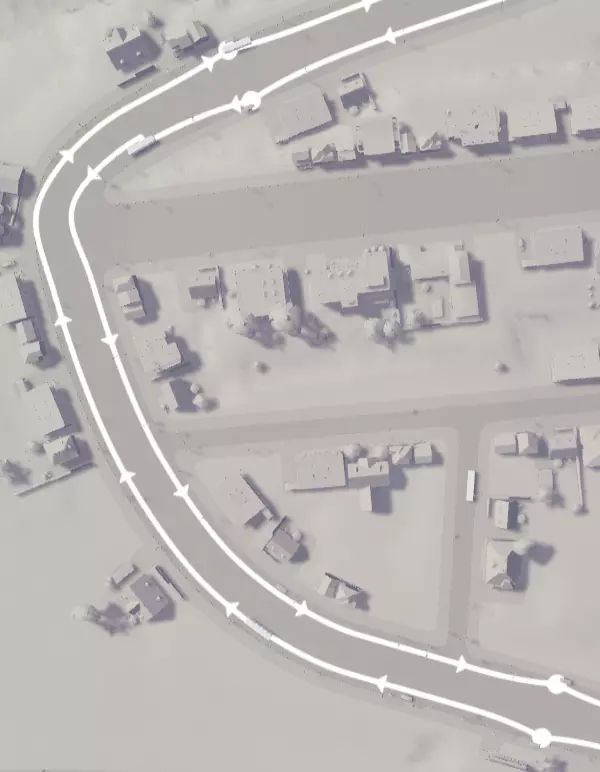
图3:一条蜿蜒的路线,可通往当地街道。 要让市民使用你的交通网络,不仅要速度快,还得位置便利,方便市民接入。虽然市民愿意步行较远的距离,但这并不意味着你应该让他们一直走那么远。(实际上,这可能会影响你的城市表现,因为他们到达目的地需要更长时间。) 这正是只有有轨电车和公交车才能真正提供的“最后一公里”连接发挥作用的地方。记住,我们还需要考虑交通网络的直达性。因此,最理想的做法是兼顾两者的优势:让部分路线直达,仅行驶于主干道(见上文),而其他路线则蜿蜒穿过小巷,为这些区域提供便捷的路网接入(图3)。
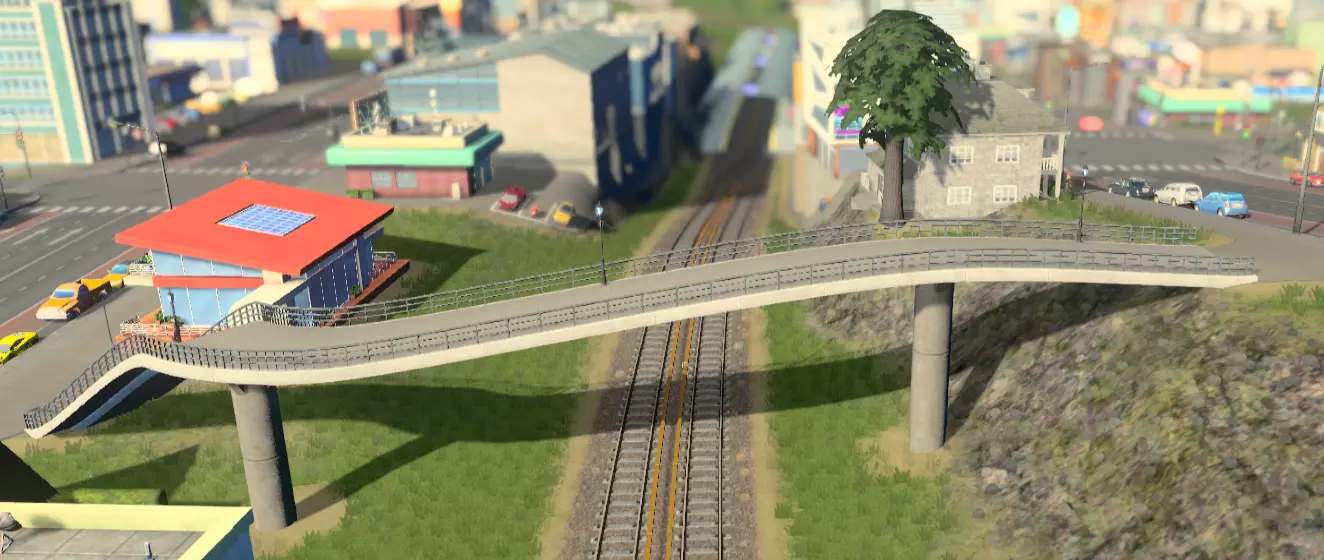
人行道和过街设施在这方面也能发挥作用,它们可以提供更便捷的公共交通站点路线(例如穿过铁路线、抄近路穿过社区到达公交站),或者只是让市民能够到达马路对面。它们可以像道路一样建造为桥梁和隧道,但不能与道路平面交叉(你可以使用“Crossings”模组来建造人行横道)。 站点间距
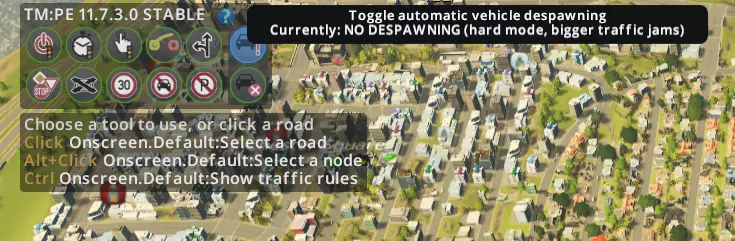
The distance between stops on each route needs to be taken into account to effectively balance speed and convenience. If stops are too close, the service slows down. If they are too far, the service is not convenient. On trunk routes, service speed is more important than convenience due to the nature of the route. Therefore stops can be spaced very far apart, connecting only major hubs and traffic generators. On local routes, the last-mile connectivity they provide means that distance between stops becomes more important than speed. Because of this, it is best to place stops close to each other (but not too close) such as at every intersection the route passes through. A tip regarding loop routesIf you wish to create a route that runs in a loop, it is wise to have a second route taking the same path but travelling in the opposite direction, otherwise Cims will take the bus in one direction and drive in other (due to a lack of a convenient bus route). Choosing your vehicles Choosing the right vehicle for your route is just as important as choosing the right mode. You will want to ensure the vehicles on your route are suitable for that route. Vehicle capacityYou will want to ensure you have enough capacity on your route to meet its demand. Trunk routes running along major roads and highways can have high demand, particularly if they are running to or from a major traffic generator (see the 'Route Planning' section above). For routes running down side streets, it would be possible to use a lower capacity vehicle if the demand is low enough (such as in a low-density commercial or residental area). Running costsIf you are not using the Unlimited Money mod (or similar), you will also need to balance your running costs with your overall income. This is made more difficult by the fact that the game does not allow for custom fare structures, as public transport is seen as a necessary expense rather than something that can make money (There are some mods that allow you to adjust ticket prices for a ride on each vehicle, but not for creating a custom fare structure). Number of vehiclesFor those using Improved Public Transport 2, you also need to think about the number of vehicles on each route, as the mod overrides the game's code to allow the user to set this manually. Cims will only wait at a public transport stop for a certain amount of time before they get too impatient and drive. Therefore, you need to ensure that you have enough vehicles on each route to avoid keeping Cims waiting for too long. This can be done by using the mod's vehicle unbuncher target value. See the mod's workshop page for further information. In addition, lower capacity vehicles can be cheaper to operate, but if you need more of them to satisfy the route demand, you could negate any savings. SpeedThe maximum speed of your vehicles is another thing to consider when choosing the right vehicle for your route. Vehicles with a lower maximum speed will increase the travel time. The longer the route, the bigger and more noticeable the difference in travel time will be. If you use TM:PE, the speed limits on the road can also affect your travel time. Your vehicle might be capable of 100km/h (~60mph), but your highway is limited to 50km/h (~30mph), you are not using your vehicle to its full potential and could cut the travel time by increasing the speed limit on the highway. This is less relevant in built-up areas where stop spacing is very dense. Traffic priority There are two ways of providing traffic priority in your city. Let's take a look at what they are. Traffic light priorityIf you have the TM:PE mod, you can set your road and tram intersections to give priority to certain branches. This is very helpful when you are building busways and light rail lines as it allows vehicles on those lines to travel right through intersections without stopping, speeding up travel times and making your system that little bit more efficient. Dedicated lanesSome assets included dedicatd bus, tram or bike lanes. These can be very helpful for separating these modes of transport from other traffic (though if you use the TM:PE mod, make sure you enable the option ban private vehicles on bus lanes). Avoid creating too many routes through a section as you will create congestion on the dedicated lane. A small note on cargo The logistics of the cargo operation works in a similar way to that of the passenger network. Trucks can take cargo to a cargo train terminal, then the train takes the cargo to a second terminal, with a second truck taking the cargo to its final destination. This way you can take trucks off the road by building various cargo rail hubs around your city. Remember though that cargo trains travel express from their origin to their destination as opposed to stopping at all terminals along the way. Therefore it is wise to build bypass tracks at each cargo hub to avoid a build-up of traffic. Cargo ships can be used in a similar way, transporting goods between cargo harbors and hubs within the city. This is great for maps with islands as it facilitates the transfer of goods between the islands and the mainland without having to use bridges and tunnels. If there are not enough ship paths in your map, use the More Network Stuff mod to create them. Conclusion By now you should have everything you need to create an effective mass transit system to serve and tackle congestion in your city. If this information was too much for you to memorise, just remember the following: Make use of more than one mode, especially in large cities Trains and metros are best used on trunk routes, while buses and trams are best used as feeder services Major traffic generators such as airports and harbors should be linked directly to the rail network Use a combination of direct and meandering routes Ensure adequate stop spacing on your routes to balance the average speed and convenience of each route Ensure the vehicles on your route can meet the demand Separate your local train network from your intercity and cargo networks. Furthermore, keep your individual lines as separate as possible. Also applies to metro and monorail. Ferries are good for connecting islands Pedestrian walkways enhance the convenience of the network. If you have any questions or tips of your own, do not hesitate to comment below. Good luck and get building!