
 换一换
换一换 




漂移基础、技巧、秘诀与禁忌技巧 简介 漂移是一项充满激情且需要高超技巧的驾驶技术,它将过弯的动作转变为一种艺术形式。与传统驾驶追求最大抓地力不同,漂移特意让车辆失去部分抓地力,以可控的方式使车身侧滑过弯。 想象一下,你正在弯道中滑行,轮胎在抓地力的边缘轻盈“舞动”,车身优雅地侧滑。漂移的精髓在于掌控与失控之间的完美平衡,驾驶者通过这种方式操控车辆,展现出精湛的技巧、精准的判断以及对车辆动态的深刻理解。本指南将带您进入漂移的世界,从漂移的基础入门到职业漂移车手使用的高级技巧。无论您是渴望学习基础知识的新手,还是希望精进技能的爱好者,都让我们一同深入这个令人兴奋的漂移世界,揭开这种迷人驾驶风格背后的秘密。准备好踏上这段旅程吧,在这里,道路将成为您的画布,而您的汽车则是画笔,在每个弯道描绘出令人惊叹的侧滑轨迹。
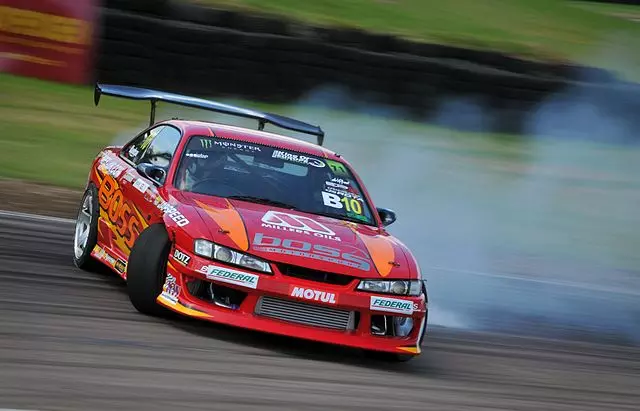
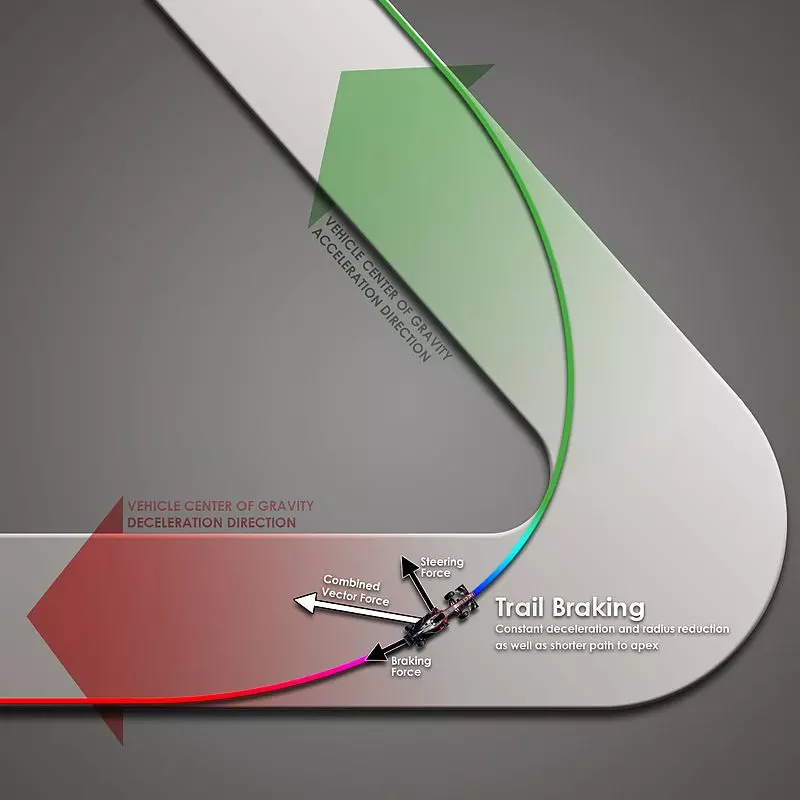
Which cars are best for drifting? Theoretically, every single car is capable of drifting. However, cars that are equipped with rear-wheel drive are particularly good at this technique. A four-wheel drive can also make a good drift car. Ideally, the car should have manual gears for the driver to exploit its full potential. The only way to do this is by having complete control of both gears and the clutch. Professional drift cars usually rely on a special differential that distributes and balances the power between the front and rear axles. In addition, drivers have no driving aids such as ABS (anti-lock braking system) or TCS (traction control) in order to maintain full control of their cars at all times. Which tyres are best for drifting? Drifting requires more than just a few sets of tyres, as the technique quickly wears the rubber down. To get started with drifting, you can go for relatively cheap, run-in rear tyres and invest a bit more in the front tyres, as they are crucial for grip, traction and control in corners. For the front tyres, professionals usually use ones with good grip or even slicks – tyres that have no profile. In addition, the tyre pressure has a big impact and greatly depends on the specific vehicle, as well as personal preferences. Drift dictionary 1.Angle kit: A modification to the car’s suspension that allows for more steering angle, making it easier to initiate a drift. 2.Apex: The point on a track where the car is closest to the inside edge of a turn. 3.Countersteer Angle: The amount of steering input applied in the opposite direction of the drift to maintain control and balance the car's trajectory. 4.Caster Angle: The angle at which the steering axis tilts forward or backward. 5.Chase car: The car that follows the lead car during a tandem drift. 6.Chase View: A camera angle that follows behind the drifting car, showing the driver’s perspective. 7.Chassis Balance: The balance of weight distribution and suspension settings that affect the car’s handling during a drift. 8.Clipping Point: A point on the track used to drift around a corner. 9.Clipping Zone: A section of the track used to drift around a corner. 10.Drift Angle: The angle at which the car is drifting, relative to the turn. 11.Drift Circuit: A type of race track specifically designed for drifting competition. 12.Drift Compression: The suspension movement that occurs as a car enters a turn and begins drifting. 13.Drift Knuckles: Modified suspension parts that allow for greater steering angle and improved handling during drifting. 14.Drift limiter: A device that limits the maximum speed of the car while drifting to prevent excessive wheel spin or power. 15.Drift line: The path that a drifting car takes on the track, including the angle and trajectory of the car. 16.Drift Machine: A term to refer to a car that is built specifically for drifting and have been modified accordingly. 17.Drift missile : A type of drift car where the front and rear wheelbase are different, typically with the rear wheelbase being shorter than the front wheelbase. 18.Drift Setup: The specific modifications and adjustments made to a car to optimize it for drifting. 19.D1GP: Abbreviation for "Drift 1 Grand Prix," a professional drifting series that originated in Japan, known for its high level of competition and skill. 20.Drift Taxi: A car ride service where customers pay to ride shotgun in a drifting car driven by a professional driver 21.Drift Triangle: A technique where the driver links three turns together in a triangular pattern. 22.E-brake: An emergency brake, mostly used for drifting to lock the rear wheels for initiation. 23.Entry or initiation: The start of a turn or drift, the point at which the driver initiates the drift. 24.Feather throttle : Gradually easing off the throttle pedal 25.Feint: A steering input used to initiate a drift. 26.Gymkhana: A motorsport that combines elements of drift, precision driving, and obstacle course racing. 27.Lead car: The car in front of the chasing car during a tandem drift. 28.Line choice: The specific path that a driver chooses to take through a turn or course. 29.Line Control: The act of controlling the trajectory of the car during a drift. 30.Linking turns: Drifting through multiple turns without losing drift angle or speed. 31.Lockup: When brakes are applied and the wheels stop rotating. 32.Manji: A technique where the driver swerves in and out of two corners, linking them in a fluid motion. 33.Oversteer: A condition where the rear wheels lose traction, causing the rear of the car to slide out. 34.Proximity: The distance between a drifting car and the wall or other cars on the track. 35.Snap Oversteer: A sudden and dramatic loss of rear traction, causing the rear of the car to lose control. 36.Steering Angle: The angle of the front wheels of the car in relation to the centerline of the car 37.Style: The individualized way a driver executes a drift or a maneuver 38.Sway Bar (Anti-roll Bar): A suspension component that reduces body roll during cornering, helping to stabilize the car and maintain control during drifting maneuvers. 39.Stance: The overall aesthetic and stance of a drift car, often characterized by lowered suspension, aggressive wheel fitment, and modified bodywork. 40.Tandem drifting: A type of drifting where two cars drift alongside each other, following each other’s lines. 41.Toe-in: The angle at which the front wheels of a car point towards each other. 42.Toe-out: The angle at which the front wheels of a car point away from each other. 43.Transition: The movement from one drift angle to another. 44.Understeer: A condition where the front wheels lose traction, causing the front of the car to slide out 45.Wall tap/wall ride: A maneuver where the driver lightly grazes a wall with the back bumper, leaving a mark as a “badge of honor.” A wall ride is similar, but the car stays in contact with the wall for longer. 46.Weight jacking: A technique where the driver manipulates the weight distribution of the car to improve grip, commonly transferring weight to the rear of the car. 47.Welded diff: A modification to the car’s differential where the gears are welded together, causing the rear wheels to move at the same speed, which can help the car initiate a drift. 48.Wheel Hop: when the wheel loses contact with the ground and “hops” or skips on the surface, commonly caused by too much power or hard shifting. Double Clutch Drift Double clutch (also called double de-clutching) drifting is a technique that involves engaging and disengaging the clutch twice rapidly during a drift sequence. By manipulating the drivetrain and rear wheel speed, it allows for a smoother transition between drift phases. By engaging the clutch twice, drivers aim to fine-tune the balance of the car mid-drift, providing an additional layer of control. Reverse Entry Driver initiate a drift by entering a corner in reverse, quickly transitioning to forward motion while maintaining the drift. This technique required exceptional spatial awareness and car control, as the driver essentially executed a 180-degree turn while initiating a drift simultaneously. Handbrake 360 Spin It's a stylish tech where the driver executed a complete 360-degree spin using the handbrake. This maneuver was often performed in open spaces or during solo exhibitions. It requires precise handbrake modulation and throttle control to achieve a smooth and controlled spin. Jump Drift Jump drifting involves incorporating jumps or ramps into a drift sequence, with the driver intentionally launching the car into the air while maintaining control over its orientation. This technique added an aerial dimension to drifting, requiring drivers to factor in the car's trajectory and landing stability. Jump drifts are often performed in controlled environments with specially designed ramps. Throttle Blipping Throttle blipping is a technique employed during sustained drifts to manage engine power and prevent loss of momentum. By precisely modulating the throttle, the driver ensures a consistent balance between wheel speed and engine output, allowing for sustained slides. Throttle blipping demands a keen sense of throttle control, requiring the driver to synchronize inputs with changes in traction and varying surface conditions to sustain and control the drift effectively. Brake Bias Adjustment Brake bias adjustment is a technical drifting technique that involves altering the distribution of braking force between the front and rear axles. This is executed to influence weight transfer during initiation or mid-drift. By optimizing brake bias, the driver can fine-tune the distribution of traction, influencing the drift's stability and angle. Advanced practitioners adjust brake bias dynamically, responding to the evolving demands of the drift and maximizing control over the vehicle's behavior. Weight Transfer Initiation Weight transfer initiation is a drifting technique that leverages the car's weight distribution to induce oversteer. By rapidly shifting the vehicle's mass to the rear during entry, typically through a quick lift-off of the throttle, the rear tires lose traction, initiating the drift. This method requires precise timing and anticipatory control of weight distribution to achieve a controlled slide. Advanced practitioners modulate weight transfer through subtle throttle and brake inputs to finely tune the drift angle. Choku-Dori (Swaying Drift) It's a specific style of automotive drifting that has its roots in Japanese car culture. Drifting itself is a driving technique where the driver intentionally oversteers, causing loss of traction in the rear wheels or all tires, while maintaining control and driving the car through the entirety of a corner. Choku-Dori is characterized by a sudden, sharp initiation of the drift. The term "Choku" itself translates to "straight" or "direct," reflecting the quick and direct nature of the drift entry. Scandinavian Flick The Scandinavian flick, or pendulum turn, is a pre-drift maneuver used to initiate a slide before entering a corner. This technique involves a deliberate weight transfer in the opposite direction of the intended drift, creating lateral force that induces oversteer. The driver quickly counteracts this initial movement with aggressive counter-steering, initiating the drift. The Scandinavian flick demands precise timing and execution, relying on the driver's ability to read the road ahead and anticipate the ideal moment for weight transfer to initiate a controlled drift entry. How to do Scandinavian flick:1. Set yourself up for the corner slightly to the outside of center. You don't want to take the racing line here as you need to have room on the outside of the corner. Get all of your braking out of the way in a straight line and ease off the brakes when your cornering speed is reached. 2. Turn briefly towards the outside of the corner, using trail braking if necessary (feathering the brake into the corner) to reduce any understeer you might experience. You don't want to take a lot of time over this motion, just enough to create a weight transfer to the inside wheels. 3. Almost immediately turn in sharply in the correct direction of the corner. When done properly, the reverse in weight transfer to the outside wheels should unsettle the rear of the car enough to break traction. 4. The back of the car will start to come round - this tightens the radius of the turn and thus allows quite tight corners to be taken at speed. Counter steer if necessary to keep the car heading in the desired direction. Once you're past the apex of the corner, gradually reduce the amount of steering lock. Once you have completed the corner, apply progressive throttle to accelerate out of the corner. Feint Drift Feint Drift, also known as a feint or faint, involves a sudden and deliberate shift of the car's weight by feinting the steering in one direction and then swiftly steering in the opposite direction. The goal is to deceive the car's weight distribution and provoke oversteer, initiating a drift. Trail Braking Trail braking is a drifting technique that involves maintaining partial braking into a corner while simultaneously initiating the drift. By extending braking deep into the corner and gradually releasing it, the driver shifts weight to the front, inducing oversteer. Effective trail braking requires finesse from the rider, which can be difficult to learn. This is one of the most used drifting techniques in rally racing because - if done properly - it allows the driver to enter and exit the corner with full throttle.
转向过度滑动 转向过度滑动是一种驾驶技巧,驾驶者在猛打反向方向盘的同时踩下油门,从而快速且猛烈地启动漂移。这种操作需要快速果断的转向输入,让车辆在抓地力边缘实现动态且通常是大角度的滑动。转向过度滑动是一种视觉冲击力很强的技巧,展现了驾驶者在漂移启动阶段将车辆推向极限的能力。 随着漂移比赛的发展,评委开始更注重平滑的过渡和可控的角度,转向过度滑动的使用逐渐减少。但该技巧仍是早期漂移运动中那种大胆且充满活力的驾驶风格的标志性代表。 前驱漂移 前驱漂移,即前轮驱动漂移。过弯时必须使用手刹以及转向和刹车技巧来平衡车辆。注意,手刹是平衡漂移的主要技巧。 手刹转向入弯2.0 手刹转向入弯2.0是经典手刹转向的进化版本,融合了更高级的手刹调节和转向技巧。使用此技巧的车手不仅会用手刹来启动漂移,还会在整个过弯过程中用它来控制侧滑的角度和轨迹。这需要在手刹使用、转向输入和油门控制之间取得微妙平衡,展现出高水平的技术能力。泥土侧滑漂移 泥土侧滑漂移是一种驾驶技巧,指车手有意将一个或多个车轮驶离赛道表面,通常是开到泥土或碎石上,以产生转向过度并开始漂移。这种操作需要精确的时机把控和对赛道表面状况的了解,因为从抓地到打滑的转变会受到赛道外地形的质地和牵引力的影响。 左脚刹车 左脚刹车是一种同时使用油门和刹车踏板的技巧。此方法用于漂移转换和调整阶段,以精细控制车辆的平衡。通过用左脚控制刹车,同时用右脚保持油门输入,车手可以巧妙地调整车辆重心分布并改变漂移轨迹。左脚刹车需要出色的协调性和精准度,以避免动量的突然变化。 跟趾漂移 操作方法是在降挡入弯时让转速下降,然后快速松开离合器,对传动系统施加压力使后轮胎减速,从而引发转向过度。这类似于在转弯时拉手刹,但应在湿滑地面上进行,以最大程度减少对传动系统的损坏。 反打方向过渡 反打方向过渡技巧适用于漂移过程中的方向变化。当驾驶员从一个弯道过渡到另一个弯道时,需要通过精准的反打方向操作来控制变化的力,并保持车辆稳定。此技巧需要预判控制,驾驶员需根据车辆重心转移动态调整转向角度,确保漂移阶段间的平稳可控过渡。 动力漂移:通过突然加大油门产生动力 surge,使后轮失去抓地力。猛烈加速会导致后轮转速超过车辆行驶速度,这种抓地力的丧失会使车尾变轻并开始滑动。如果此时正在转向入弯,车尾会向外甩出;如果车辆直线行驶,转动方向盘即可朝想要的方向开始漂移。 感性漂移:在比赛速度下进行。当车辆进入高速弯道时,车手会迅速松开油门以产生轻微的转向过度,然后通过方向盘和油门控制来维持漂移平衡。用于这种漂移风格的车辆应具备中性的平衡特性,这样转向过度才能自然产生。如果车辆在弯道中出现转向不足(推头),该技巧将无法奏效。

非法漂移
这类漂移在全球范围内均属严重违法行为。请自行承担漂移风险! 塔菲赫,也被称为阿拉伯漂移或沙特漂移,是一种类似街头赛车的亚文化,据信起源于20世纪70年代末的沙特阿拉伯和阿拉伯联合酋长国。它通常使用未经改装或原厂配置的汽车(有时是被盗或租用的车辆),以约160-260公里/小时(100-160英里/小时)的极高速度在宽阔的高速公路上行驶,通过左右猛打方向盘来模拟漂移的外观。在此过程中,驾驶员常常危险地靠近其他车辆、护栏以及毫无保护措施在路边观看的观众。 这种技术与赛道上的高速过弯不同,其特点是车辆在高速侧滑的同时,通过反打方向盘来恢复车身姿态。“Tafheet”行为和相关活动很少或根本不考虑车辆乘员、其他驾驶员或观众的安全,因此导致了许多致命事故。 甜甜圈:甜甜圈是一种驾驶车辆时进行的操作。执行此操作需要让车辆的后部或前部围绕相对的一组车轮进行连续旋转运动,理想情况下会在车道上留下圆形的橡胶滑痕,甚至可能因摩擦导致轮胎冒烟。 执行甜甜圈操作可能存在危险。车辆的悬挂系统和传动系统会承受压力,这可能导致机械故障并失去控制。轮胎也会受到严重磨损,可能导致突然失压或爆胎。然而,在雪地中,车辆所承受的压力会小得多。因此,拉力赛车手更喜欢在这种情况下学习车辆控制。 幽灵驾驶,也被称为“ghost riding the whip”,指的是驾驶者离开行驶中的车辆,让车辆继续行驶,并且通常会进行漂移等特技动作。这种行为极其危险,因为车辆会失去控制,可能对道路上的其他人造成严重威胁。
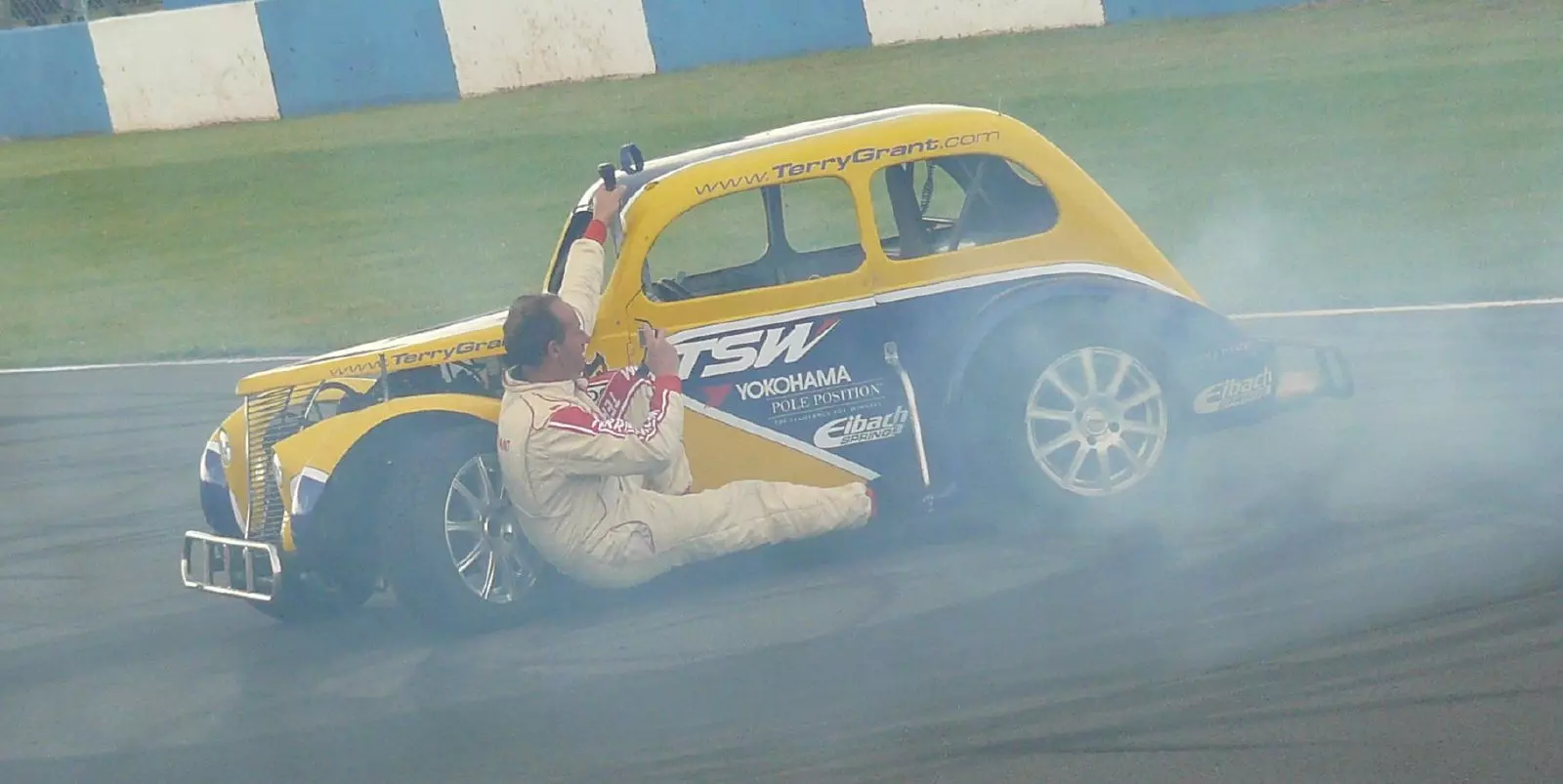
街头炫技:一种非正式且常为非法的汽车特技表演,驾驶员在十字路口或停车场等开阔区域表演包括原地转圈和幽灵驾驶在内的特技,造成交通中断和安全隐患。 街头漂移:指一辆或多辆汽车在被交通锥、路牌等封锁的道路上进行漂移。漂移是一种驾驶技巧,驾驶员有意让车辆过度转向并失去部分牵引力,同时保持对车辆的控制并驶过整个弯道。这种技巧会使后轮侧滑角度超过前轮侧滑角度,通常导致前轮指向与转弯方向相反。山路街头漂移是日本的一种街头漂移形式。这项非法的赛车运动被描述为极具刺激性、非常艰难且极度违法。参与者经常卷入事故、被捕和车辆被没收的情况。它通常在深山里的赛道上进行。

虚构漂移

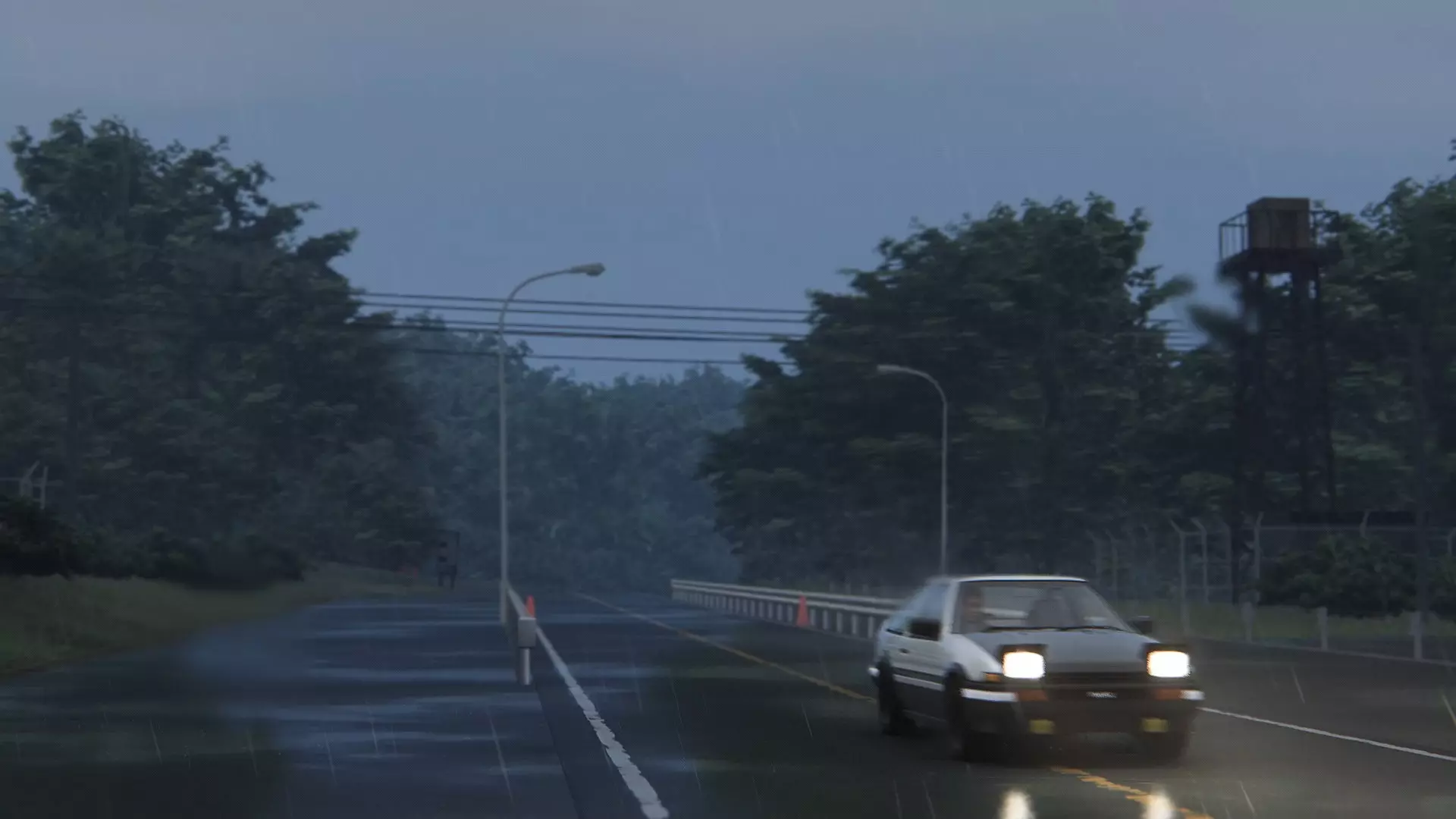
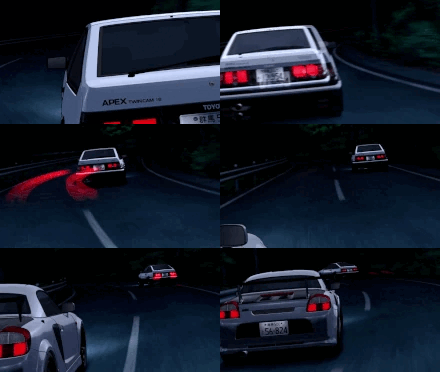
媒体中的虚构漂移风格往往经过夸张和艺术化处理,以增强视觉效果和刺激感。以下是一些虚构的漂移风格示例: 盲袭 盲袭是藤原拓海使用的一种技巧,他在接近对手时会关闭其驾驶的AE86的车灯,使对手无法通过后视镜或车灯判断他的车辆位置。 这种技巧还有另一个优势,即减少空气阻力。由于车辆的弹出式车灯会略微阻碍气流并产生阻力,关闭车灯后,车辆的气流更加顺畅,空气阻力更小。
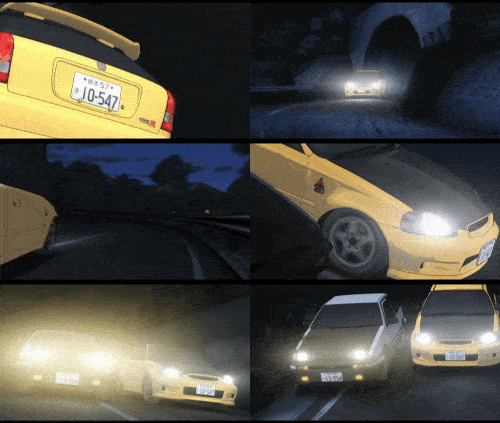
藤原领域可以被理解为一套综合能力,其中包括:近乎超自然的能力,能让前置后驱(FR)赛车发挥出四轮驱动(4WD)般的加速性能;改变赛车走线节奏的能力;以及在比赛中实时学习对手技巧,从而出其不意击败对手的能力等。此外,藤原领域也可用于解释主角“盲驾”的能力——仅驾驶赛道一次,就能凭直觉记住弯道和技巧的位置,甚至能解释他为何能施展关灯“消失”的盲袭战术。
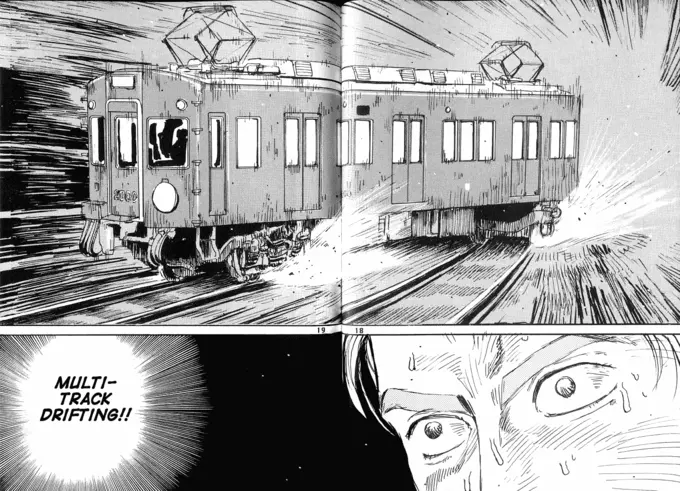
多轨漂移是一个源自《电车でD》的梗,该作品是日本街头赛车系列《头文字D》的同人恶搞漫画,将原作中的汽车替换成了火车。
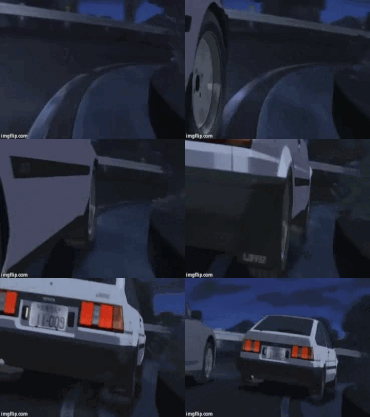
排水沟技巧 入弯排水沟跑法:这是一种偏向入弯的驾驶方法,能防止车手在入弯时出现转向不足。通过将内侧轮胎压入排水沟来抵抗弯道离心力,使车辆能够以超出轮胎抓地力的角度过弯。

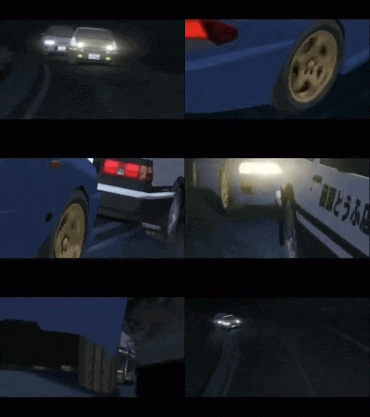
出口排水沟跑法:这与上述技巧相同,只是采用的是出口导向的方法。在轮胎处下落和释放的时机有所不同。不再是在进入弯道时使用排水沟,而是在驶出弯道时使用。
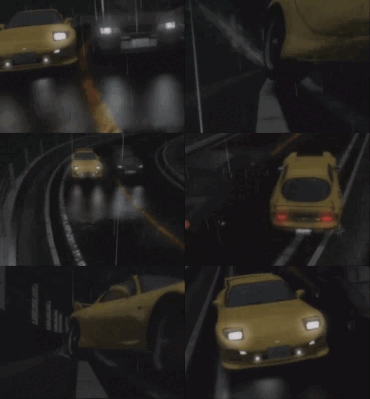
反向排水沟跑法:正如其名,指的是在转弯时对车轮施加反向作用力。
无排水沟:这一技巧与上述前两种基本相同,只是没有排水沟。轮胎会被甩到道路外侧,并钩住路边。
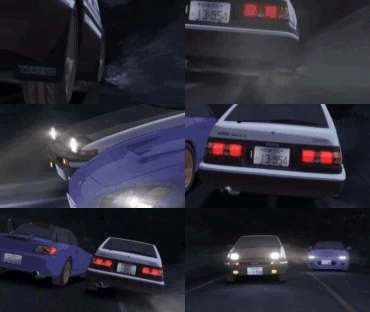
抬轮/重心转移 此技巧与前两种完全相反。需要将重心转移至后轮,尽可能减轻内侧前轮的负重。这能让车辆在全速过弯时,内侧轮胎“浮”在路肩上方。
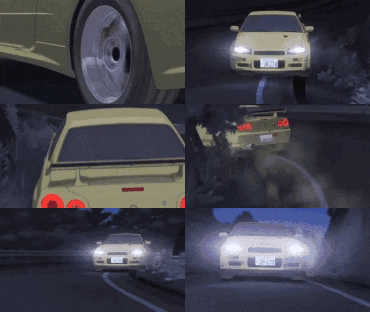
惯性漂移 惯性漂移是一种驾驶技巧,通过该技巧可使车辆在过弯时保持动量。进行惯性漂移时,需先向弯道反方向转向,再将车辆重心转移至转弯方向,从而使轮胎产生滑动。 漂移技巧 1. 理解重心转移:认识重心转移在漂移过程中的影响。掌握重心分配对于启动和控制漂移至关重要。了解加速、减速和转向输入的突然变化如何影响前后轴之间的重量分配,进而影响转向过度和漂移动态。 2. 漂移启动的油门控制:利用精确的油门控制来启动漂移。平稳且有控制地踩下油门是让后轮失去抓地力的关键。学会调节油门反应,以达到理想的转向过度程度,从而实现更平稳、更易预测的漂移启动。 3. 反打方向盘技巧:掌握反打方向盘技巧以在漂移时重新获得控制。理解向漂移相反方向快速、精准打方向盘对于保持车辆稳定的重要性。练习平稳且渐进的反打动作,避免过度修正,确保漂移过程可控。 4. 漂移调整中的刹车控制:学习漂移调整中的刹车控制技巧。使用刹车来控制漂移角度并微调行驶轨迹。尝试使用循迹刹车来延长可控侧滑,并通过左脚刹车巧妙改变重量分配,从而影响漂移表现。 5. 了解轮胎抓地力水平:培养对轮胎抓地力水平的敏锐感知。识别抓地力与打滑之间的过渡阶段。了解轮胎牵引力的临界点对于保持控制和防止过度车轮打滑至关重要。这些知识能让你对漂移进行精确控制。 6. 车身侧倾与悬挂调校:探究车身侧倾和悬挂调校对漂移性能的影响。了解悬挂设置如何影响重量转移和底盘响应。微调悬挂参数,以在漂移操作中实现稳定性和灵活性之间的理想平衡。 7.掌握离合器控制:磨练你的离合器控制技能,以掌握高级漂移技巧。学习在漂移过程中调节离合器,从而控制传递到车轮的动力。这项技能对于执行离合器踢击以及其他需要发动机转速快速变化的技巧至关重要。 8. 空间感知与路线选择:培养敏锐的空间感知能力和战略性路线选择能力。了解过弯的最佳轨迹,以最大化漂移表现。考虑赛道布局、入弯速度和弯心位置等因素,精准地执行漂移并保持流畅的路线。 9. 稳定的重量分配:在漂移过程中保持稳定的重量分配。避免突然或不稳定的操作,以免破坏车辆的平衡。转向、油门和刹车输入的一致性有助于实现更可控且可预测的漂移。练习达成并维持平衡的车辆重心分布,以获得最佳漂移表现。 10. 车辆动态与极限理解:全面了解你的车辆动态特性和极限。熟悉轮胎抓地力、发动机动力以及悬挂系统能力的极限。这些知识能让你在可控范围内挑战车辆极限,增强你自信地执行高级漂移技巧的能力。 全文结束