
 换一换
换一换 


Age of Kings unit translations. This is just for fun, my research into the history and translations was brief. Britons Villager, MilitaryIngame - Modern - (Origin) Yea? - Yes? (Middle English) Yis (pronounced Eos) - Yes (Middle English) Mandatum? - Command? (Latin) Redy - Ready (Middle English) Gretinge - Greeting (Middle English) Correctus - Correct (Latin) Ic wille - I will (German) Chopper (English) Gatherer (English) Huntere - Hunter (Middle English) Fisc - Fish (Old English) Ferme - Farm (Middle English) Dic - Dig (Middle English) Dich - Ditch (Middle English) Byldinge - Building (Middle English) Restaurare - Restore (Latin) Fight! - Fight! (Middle English) Bataile! - Battle! (Middle English) Monk / King Ain? - Yes? Salve - Hello (Latin) Presto - I'm ready Impero? - I command? / Control? (Latin) Sane - Certainly / Course (Latin) Correctus – Right / Reformed (Latin) Ago - I do / Thanks (Latin) The Oxford English Dictionary specifies the period when Middle English was spoken as being from 1150 to 1500. The words used by the Britons in-game make this one of the most accurate languages depicted in Age of Empires 2. Although the language may have been very different in western and northern Britain, and the monks and kings speak Latin. Certain words may have had slightly different meanings then as they did now, even if they sound the same. In the later era of the Age of Empires 2 timeframe (1300 - 1500's) the word ferme would have meant "fixed payment" perhaps relating to a plot of rented land. As time went on ferme seems to have mixed with other latin words to become farm, and only in recent times took on the meaning of a plot of land dedicated to agriculture. Byzantines In-game - English Ain? - Yes? Impero? - I command? Presto - I'm ready Salve! - Hello! Correctus - Right Ago - I do Sane - Certainly Caedo - I cut [tree] Pabulo - I forage Venatus - Meat, hunter Capto - I catch [fish] Colo - I cultivate Fodio - I dig/extract Condo - I build Reficio - I repair Deleo! - I destruct! Comittam! - I will commit! Comita! - (You) Follow! Pugno! - I fight! Porro! - Forward! An AOE2 wiki notes: "While historically Byzantines spoke Medieval Greek, Byzantine units in-game speak medieval Latin." Celts In-game - English - [Pronunciation] For-ghaire - What? [For wair] Ar Lámh - On hand / ready [Air lav] Quid? - What? [Kwid] Quia? - Why? [Kia] Ceart - Right [Cart] Bíd fíor - That's right [Bij fia] Togh - Okay [Tao] Buanaid - Lumberjack [Boonij] Feodaige - Gatherer [Fear-da-ga] Sealgaire - Hunter [Sy-ga-ra] Iascaire - Fisher [E-scar-eh] Treabhach - Literally 'Ploughing', farmer [Treba] Mianaige - Miner [Me-an-a-geh] Ráth Bouige - Builder [Rab-we-geh] Fear a bnodhege - Working man [Far a nudha] Don Chath! - To battle! [Don cat] Taoubh cuideachd! - This way troops! [Tao caid] Ho! - Go! Running these through Google Translate detection returns Irish, Scots Gaelic, and Latin. Wikipedia includes mentions of Welsh, Breton, Manx, Cornish, and Gaulish among others on the page for Celtic languages. The Celtic peoples lived in many parts of Europe during Roman times, but are noted in the Age of Empires 2 history section as "500 to 1500" when Celtic culture had mostly become restricted to Ireland, western and northern Britain, and Brittany. The AOE2 wiki lists the Celt unit speech as Irish Gaelic. Chinese In-game - English Shénme? - What? Hao - Good Xíng - Yes Zunmìng - Affirmative Zhèngquè - Correct Wéi? - What? Fúcóng mìnglìng - I'll follow your order Hézhong mìnglìng? - What order? Zhunbèi jiùxù - Ready Fámù gong - Lumberjack Liángcao zhengshou rén - Gatherer Lièrén - Hunter Yúfu - Fisherman Nóngfu - Farmer Kuànggong - Miner Jiànzhú gong - Builder Xiuligong - Repairer Zuòzhàn! - Fight! Shì - Yes Jìngong! - Charge! Gongjí! - Attack! Listed in the Age of Empires 2 history as 581 to 1644, this would encompass many varieties of spoken Chinese languages across many regions, including Early Middle Chinese of 600 AD, Late Middle Chinese of 1000 AD, and Early Mandarin (12th to 14th centuries). Although one user comments that the Chinese units "speak 100% modern Mandarin." In the 1900's the governments of China made continuous efforts to form a standard language. Some 54% of speakers of Mandarin varieties could understand the standard language in the early 1950s, rising to 91% in 1984. Franks In-game - English Oé (male) Que (female) - Yes? / What? Que fais? - What shall I do? Prêt - Ready Que y'a? (male) - What's up? Verax - Truly Certes - Surely L'y vais - I go there Oïl - Yes Que lier? - What is your order? Bûcheron - Woodcutter Maraud - Scavenge Chasseur - Hunter Pecheur - Fisher Villain - Peasant Mineur - Miner Bâtisseur - Builder Artisan - Craftsman Assault! - Assault À la bataille! - To battle! Montjoie! (Battle cry) Montmirail! Que valié? - What do you want? All Frankish units speak Medieval French / Middle French, except from Monks, as they speak Medieval Latin. The exact meaning of the battle cry "Montjoie!" seems to have been lost. Goths In-game - English Ja? - Yes? Heisse? - Order? Bereyte - Ready He, ja - Why, yes Reyte - Right Das ich soll - That I shall Des ware - Truly Holza - To cut wood Holzer - Lumberjack Jägere - To hunt Fischere - To fish Suocha - To seek, gather Gebuure - To go farming Houwa - To quarry, cut Buuwere - To build Flickmann - Repairer Se stöörme! - Storm them! Sassa! - To battle! Striitet! - Fight! The Goths have the same unit speech as the Teutons. An AOE2 wiki notes: "In-game, Gothic units speak classical Old or Middle High German, which is also spoken by the Teutons. Historically, however, they spoke their very own Gothic language, which was related to Old Norse and Old High German, and was spoken between the 4th century and became extinct near the 8th or 9th century." The AOE2 history notes their timeframe as 200 to 714. Japanese General:In-game - English Hai - Yes Ii yo - Alright Nani? - What? Watashi? - Me? Ore? (male) - Me? Nan da - What is it? Hai, hai - Yes, yes Ikimasu - I go Wakarimashita - Understood Gyoi ni - As you like Ha! - Yes! Gomeirei wo - Give me orders Ōse no tōri - As you say! Iza, Shōbu! - Now, to the battle! Shōchi - I understand Iza! - Prepare yourself! Ki wo kirimasu - I cut a tree Shūkaku shimasu - I gather Kari wo shimasu - I hunt Sakana wo torimasu - I catch fish Tagayashimasu - I cultivate Horimasu - I mine Tatemasu - I build Naoshimasu - I repair Ike! - Go! Ikusa ja! - War! Monk: Nan naritō - As you wish Yō kana? - How can I be of use? Nan jana? - What is it? Tadaima - At once Mairi mashō - I'm coming King: Kurushu nai - Don't hesitate Nan ja? - What is it? Nozomi wa? - What is your wish? Nani yō ka? - What is this regarding? Umu - Yea Sō itasō - I shall do so Mairō - I shall go Yokarō - Very well The AOE2 history lists them as 500 - 1340, which would encompass Old Japanese, Early Middle Japanese (794 to 1185) which would see a significant amount of Chinese influence on the language's phonology, and late Middle Japanese (1185 to 1600) when European words first arrived. In-game, Japanese units speak modern Japanese. The Japanese Monks and King speak old Japanese. Mongols Some of these words had many translations. I've included them all to offer a better sense of their meanings. GeneralIn-game - English Tiim uu? - Yes? Zuitei - 'Correct' (literally - "appropriate") Za za - 'Okay' 'Of course' Belen baina - I am ready Bi bolgoyo - 'I fulfill' 'Let me do it' (literally "Let me make it become") Zahir - Command! Amar mend uu? - 'Hello' 'How are you doing?' 'Everything's fine?' 'Is there peace and serenity?' Tek kim Modchin - 'Lumberer' translates to 'woodworking' Amitan tejeegch - Bad translation, it means 'animal raiser' (literally - "animal feeder") Anchin - Hunter Zagaschin - 'Fisher' Khuduh aj akui erklegch - 'Farmer' (bad translation) Uurhaichin - Miner Barilgachin (pronounced barilagchin) - Builder Zasvarchin - Repairer Tushaal sons - 'Listen to the command!' (Strange translation, because it is an imperative, so it appears that it is the soldier who is telling the player to listen to a command) Belen - Ready Tiim - Yes Tiim ee - 'Yes' 'Of course' Guitsetgey - 'Will do' 'Let's carry it out' Medlee, guitsetgey - 'Got it, will do' 'Got it, let's carry it out' Hurailan davsh! / Khurailan davsh! - 'Advance' (Advance with a "hurray"!) Bayldahnd! - Engage! Uragshaa davshaad! - 'Advance forward!' 'Charge forward!' Monk Soyorchi / Soyorkh"yo - 'I will condescend' Amar mend uu? - 'Hello, how are you?' 'Everything's fine?' Surgahli sons / Surgaal sons - 'Listen to wise words' 'Listen to the doctrine' Za zuite - 'Yes, correct' (literally - "appropriate") Bolgohson uu? - 'Have you done it?' 'Has it been accomplished?' (Have you/I/someone done it?) Bolgoyo / Bi bolgoyo - 'I fulfill' 'Let me do it' Tiim uu? / Tiim ee - 'Yes?' 'Of course' King Тiim üü? - Yes? Amar mend üü? - Everything's fine? Belen baina - I am ready Aildvar sons - Listen to [my] speech (like the soldier and the monk, it is the king who is addressing the player, not the contrary!) Za - Okay (sounds condescending) Tiim ee - Yes / Of course Züi - Decency Bi bolgoyo - Let me do it From wikipedia: "Middle Mongolian was spoken in the Mongol Empire. In comparison to Modern Mongolian, it is known to have had no long vowels, different vowel harmony and verbal systems and a slightly different case system." The ageofempires wiki notes "In-game, Mongol units speak the Khalkha variety of Mongolian, the most widely spoken of the Mongolic languages and the official language of modern-day Mongolia." It also notes that the translation for farmer was done badly, adding "notice that Mongols have never truly practiced agriculture until very recent times." Persians In-game - English Ari - Yes Amade - Ready Farman - Order? Salam - Hello Sahih - Correct Mikonam - I'm doing it Chubbor - Lumberer Oulupe jamkon - Gather the harvest Shekarchi - Hunter Mahigir - Fisher Madanchi - Miner Me' mar - Builder Tamir kar - Repairer Hamle! - Attack! Bejangid! - Fight! From my brief research, the unit speech seems to be modern Persian, while the timescale of Age of Empires 2 encompasses the era of Middle Persian, Early New Persian, and Classical Persian. Saracens In-game - English Na'am - Yes Salam - Hello Amron - Orders? Mosta'edon (male) mosta'edaton (female) - Ready Saheeh - True Hassanan - Okay Sa af'al - I will do it Hattabon / hattabaton - Woodcutter Bahithon aan el taam / bahithaton aan el taam - Looking for food Sayyadon / sayyadaton - Hunter Sayyad samak / sayyadato samak - Fisher Muzare'on / mozaare'aton - Farmer Amelo mangam / amelato mangam - Miner Banna'on / banna'aton - Builder Morammemon / morammemmaton - Restorer Hojoom! - Attack! Al quetal! - We'll fight! Al hojoom! - We attack! Much of the timeframe in Age of Empires 2 would mean the units probably speak Classical Arabic, and perhaps Urdu and Persian, although the translations seem to be Modern Standard Arabic. I'd love to be corrected on this though. One player commented: "standard (formal) arabic hasn't changed much in the last millennium (due to the quran using formal arabic), so it makes sense for the villagers to be speaking like this." Teutons In-game - English Ja? - Yes? Heisse? - Order? Bereyte - Ready He, ja - Why, yes Reyte - Right Das ich soll - That I shall Des ware - Truly Holza - To cut wood Holzer - Lumberjack Jägere - To hunt Fischere - To fish Suocha - To seek, gather Gebuure - To go farming Houwa - To quarry, cut Buuwere - To build Flickmann - Repairer Se stöörme! - Storm them! Sassa! - To battle! Striitet! - Fight! Like the Goths, the units in-game speak Old and Middle High German. Turks In-game - English Evet? - Yes? Emrin? - Your command? Hazır - Ready Efendim? - "Sir?", or "My lord?" Doğru - Right Yaparım - I’ll do it Tamam - Okay Oduncu - Lumberjack Seyis - Groom Avcı - Hunter Balıkçı - Fisherman Çiftçi - Farmer Madenci - Miner Usta - Builder Tamirci - Repairer Saldır! - Attack! İleri! - Forward! Allah-Allah! - Warcry The later part of the Age of Empires 2 timeframe would involve Middle Turkic and Old Turkic languages, but the in-game speech seems to be Modern Turkish. Vikings In-game - English Já - Yes Wathothr - What? Buínn (male) / Búin (female) - Ready Hvat? - What? Rétt - Right Allt í lagi - Allright Vil ek - I will Wugurd Timbrhǫggvandi - Lumber-chopping Gagnismaðr - Useful man Veiðimaðr - Hunterman Fiskimaðr - Fisherman Búandi - Steadfast Námamaðr - Gathering man Húsasmiðr - Carpenter Verkmaðr - Craftsman Til bardaga! - To battle! Radi da! Boðorð - Bidding An AOE2 wiki notes: "The language spoken by viking units is Old Norse, the north Germanic/Scandinavian Language spoken by the Vikings. Old Norse is the ancestor of all the North Germanic/Scandinavian languages; Icelandic, Faroese, Danish, Swedish, Norwegian and Norn which was spoken in Orkney and Shetland. Icelandic is by far the closest language to Old Norse." The Conquerors https://steamcommunity.com/sharedfiles/filedetails/?id=1913448085
单位语音翻译

2026-02-20 07:00:07

导读
这是一篇《帝国时代2》各文明单位语音翻译帖,整理了不列颠、拜占庭、凯尔特等多个文明的单位语音,含中古英语、拉丁语等语言的原文与英译,还科普了语音对应的语言时期,如不列颠单位语音用中古英语,是游戏里语言还原度较高的文明之一。

评论
共0条评论

帝国时代2新DLC罗马的回归 帝国时代2英雄介绍 帝国时代2兵种详解 罗马的回归攻略
帝国时代2新DLC《罗马的回归》英雄介绍视频已完结!本视频为总览,详细的兵种介绍与分析已分到其他视频中,方便大家按需观看。想了解新文明特色、英雄技能与实战打法,…
2026-05-22 13:370赞 · 0评论
帝国时代2法兰西怎么玩 法兰西手推车开单金马双TC流程 新手极简攻略
帝国时代2法兰西怎么玩?极简法兰西手推车开单金马双TC流程攻略来了!本流程操作简单,适合新手使用,能有效减少农民不必要的跑动,让TC集结点在绝大多数时间保持在同…
2026-05-22 10:040赞 · 0评论
Age of History II是什么游戏?帝国时代2与欧洲中世纪文明玩法介绍,历史策略游戏攻略
-
2026-05-21 20:080赞 · 0评论
帝国时代2老玩家 73岁患癌玩家挑战天梯1000分 帝国时代2排位赛 帝国时代2罗马的回归
【73岁老玩家身患癌症,依然坚持热爱帝国时代2,挑战天梯1000分!】 https://www.bilibili.com/video/BV1gs4y1R7ju/…
2026-05-21 02:440赞 · 0评论
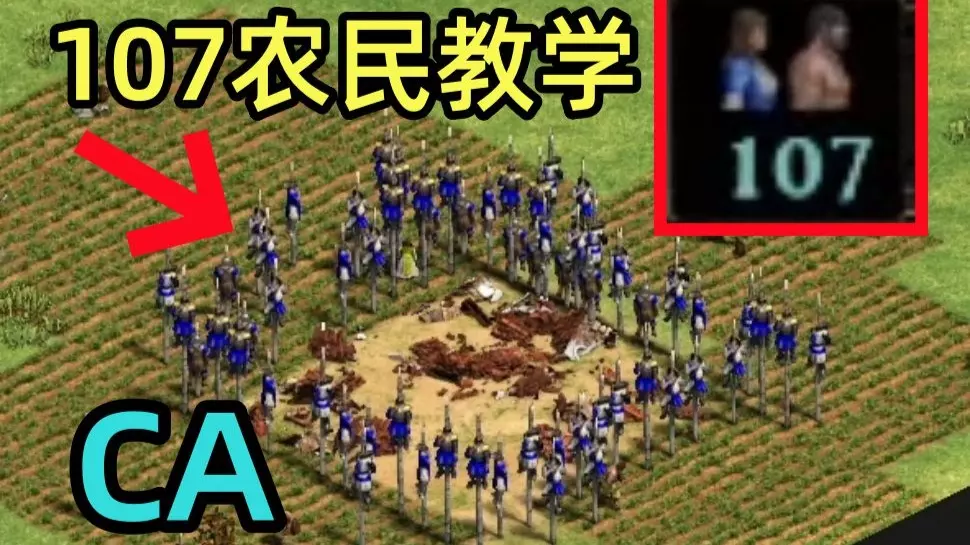
帝国时代2 【CA】107农民经济运营教学!成为种田大佬!【帝国时代2】
【CA】107农民经济运营教学!成为种田大佬!【帝国时代2】
2026-05-19 18:380赞 · 0评论
怀旧 为什么《帝国时代2》的比赛,都是花650造城堡而不愿意造130格城墙?
-
2026-05-19 18:040赞 · 0评论
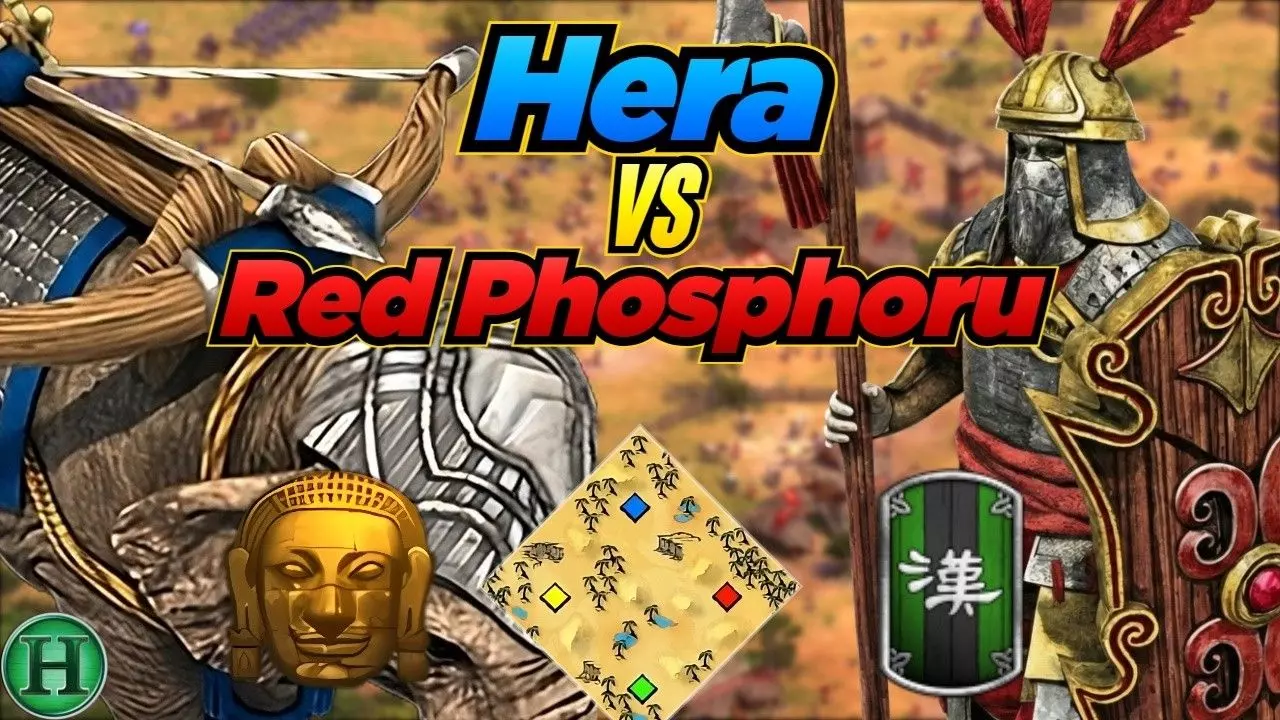
帝国时代 高棉双靶场前置能否克制红磷直城? 帝国时代2
大家好呀,我是黑鸭~如果喜欢这期视频,记得在下方点个赞支持我哦! 如果大家刚刚来到这个频道,这里有很多帝国时代2的精彩内容,比如: 1.水友娱乐局:BV192V…
2026-05-19 18:040赞 · 0评论
帝国时代2 高手游牧,恶魔人马扎尔七进七出逆风翻盘
2026-05-19 03:090赞 · 0评论
教学 【民族分析师第8期】土耳其---枪炮之神、战术核心
感谢收看!
2026-05-18 23:340赞 · 0评论
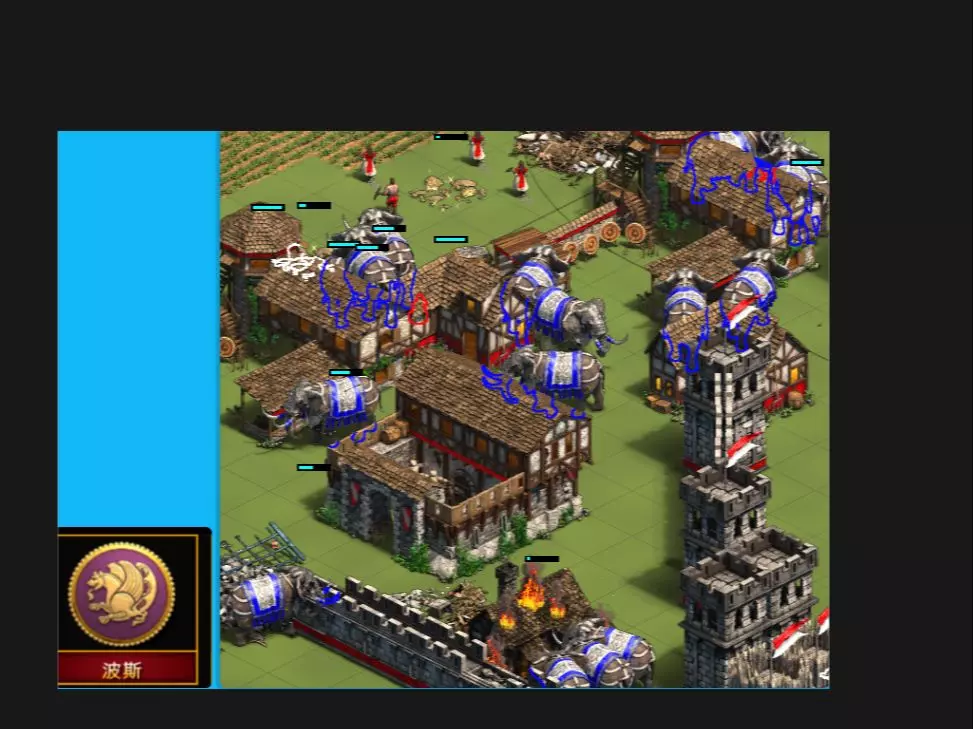
帝国时代2 帝国时代2:如何正确生产波斯最强战象 !!!
还有什么想看的民族 可以留言
2026-05-18 23:340赞 · 0评论
暂无更多
最新更新
- 你想开始玩多人游戏吗?这对你会有帮助! — 大家好! 我是罗伯托,在《帝国时代2:决定版》中更广为人知的名字是TaToH,目前是Steam排名第一的玩家,ELO等级为2850。 我写这份指南是想告诉大家,…
- 《帝国时代2:决定版》AI 1vsX 成就 — 你在一场对阵1名系统玩家(AI)的比赛中获胜了(在中等或更高难度下进行1对1对战)。要获得此成就,你需要将《帝国时代2》(2013)的游戏版本切换为4.3测试版…
- 游戏卡顿的可能解决方法(已修复!) — 重要:漏洞已修复!!!感谢所有为指南提供帮助的人 重要:请对该指南进行评价,以便开发者看到并修复此漏洞。 如何修复《帝国时代》系列游戏中的卡顿问题
- 在最高难度下不使用军队获胜! — 如何仅用村民(即无需组建军队)在最高难度(最难)的1v1模式中战胜电脑!如何仅用村民在最难难度获胜!
- 获取所有多人游戏成就的最简单方法。(1000场在线游戏/100次在线MVP) — 获取所有多人成就的最简单方法,例如1000场在线游戏、100次在线游戏MVP。你无需再浪费5到6小时。只需下载该lua脚本,导入到你的罗技鼠标GHub中,然后找…
- 高级AI队友指令/嘲讽 — 本指南将告诉你如何让AI为你执行操作。内容来源于Steam社区论坛。 论坛帖子 Promiskuitiv [开发者] 2015年10月12日 上午8:16 可触…
- 科技树的谎言与秘密(含完整攻击加成列表) — What the Tech Tree hides you... Introduction & Recommended links Hi medieval…
- 单位语音翻译 — Age of Kings unit translations. This is just for fun, my research into the histo…
- 【教程】《帝国时代2》4K支持[模组] — 一个能让游戏适配4K显示器的模组,安装后用户界面(UI)会调整至合适大小。 更新日期:2017年4月23日 - 发现了更简单的方法,感谢NoP 问题说明 如果你…
- AI会做出反应的隐藏嘲讽 — 《帝国时代2:高清版》标准AI嘲讽指令指南 这些是你可以输入的秘密嘲讽指令。请注意,只有《帝国时代2:高清版》的标准AI会对这些指令做出反应。你可能不会收到AI…