
 换一换
换一换 




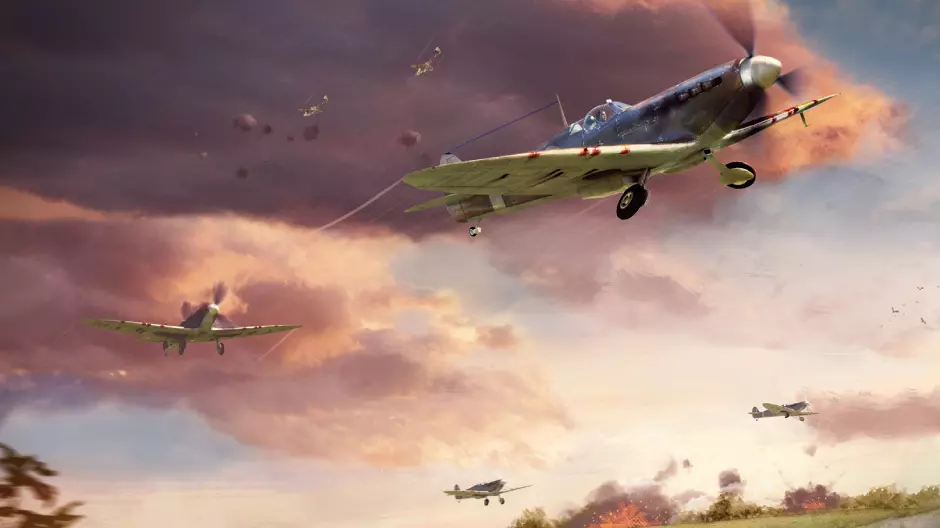
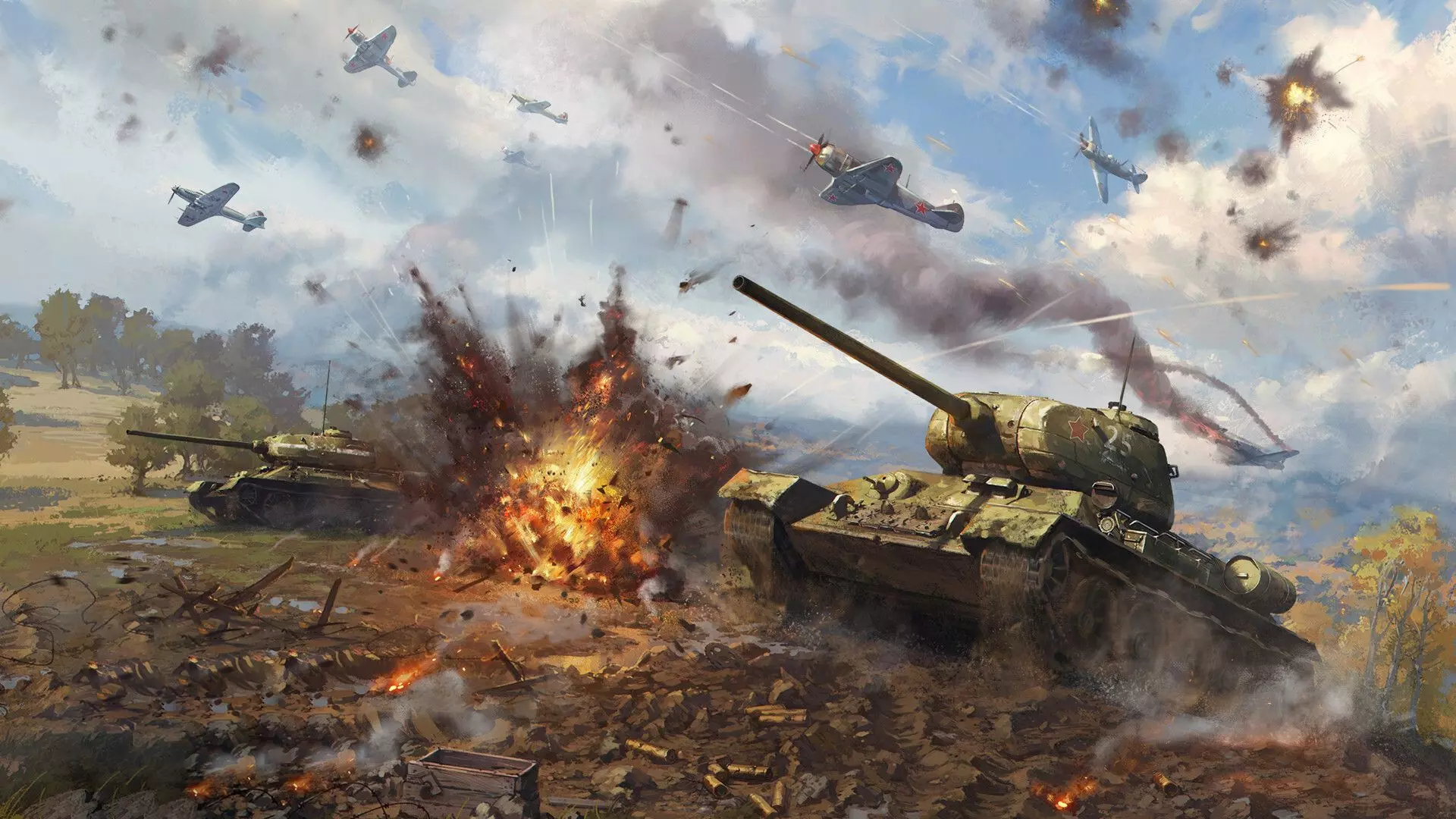
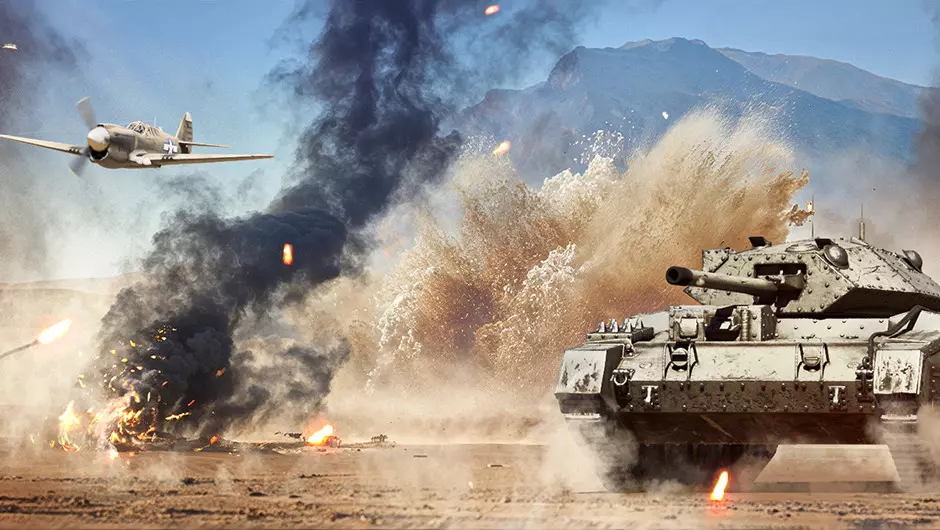
在本月的【历史篇章】活动中,你将置身于多场战争事件的中心。从勒热夫、维也纳到莱茵河与幼发拉底河:驾驶与这些历史战役相关的载具参与战斗,即可赢取奖励! 3月1日至3月31日期间,你可以连续参与8个任务。完成每个任务将获得一个含奖励的奖杯,完成所有任务还能获得一个独特的个人资料图标!

Douglas Bader Douglas Bader was a Royal Air Force ace. In 1931, he lost both legs in an accident and was discharged, but with the outbreak of the Second World War, he returned to service. Bader participated in the Battle of Britain, flying over occupied Europe. On August 9th 1941, he was shot down over France, and while bailing out lost one of his prosthetic legs. The Germans received Bader well and even allowed British aircraft to airdrop a prosthetic leg for him. In total, Bader was credited with at least 20 air victories. You can purchase this profile icon for Golden Eagles until April 3rd (11:30 GMT) without completing tasks. To find it, go to your Nickname → Achievements → Pages of History. Trophy reward for each task Completing each individual task will give you a trophy with one of the following rewards: 20-50% RP booster for 3-10 battles; 20-50% SL booster for 3-10 battles; 3-5 universal backups; Premium account for 1 day; A random ground vehicle camouflage (out of those that can currently be unlocked or purchased with Golden Eagles).Other terms Tasks are available from 11:00 GMT until 11:30 GMT on the final day of each task. Tasks can be completed in random battles except for “Assault” mode. You can read a detailed description of which task is for which day and your overall progress by going to your Nickname → Achievements → Pages of History. March 1st — March 4th Rzhev-Vyazma Operation On March 1st 1943, the Wehrmacht’s Army Group Center began an organized retreat from Rzhev. They employed scorched-earth tactics, so that when the Red Army occupied the abandoned German positions, they were met with only mines and ruins. March 5th — March 8th First Flight of the Supermarine Spitfire On March 5th 1936, the Supermarine Spitfire made its maiden flight at Eastleigh Airfield near Southampton. Test pilot Joseph Summers is said to have said “Don’t change a thing” upon landing, as he loved the aircraft so much. March 9th — March 12th Pskov Operation In March 1944, the Soviet Army unsuccessfully attempted to encircle and capture Pskov. German forces were well-fortified along the Panther Line, taking advantage of natural barriers such as swamps, rivers, and lakes. The Red Army’s advance was hampered by muddy roads and a shortage of engineering resources. A second offensive took place in July, and Pskov was liberated. March 13th — March 16th Saar-Palatinate Offensive On March 15th 1945, the Allies launched an operation in southwestern Germany to clear enemy forces from the Saar-Palatinate and establish bridgeheads near the Rhine. The Wehrmacht’s defenses were successfully crushed, the operation achieved its objectives, and the Allies occupied all major cities in the region. March 16th — March 19th Vienna Operation On March 16th 1945, Soviet troops broke through the defenses at Lake Balaton, reached the Danube, and outflanked Vienna from the south and east. On April 5th, the assault on the Austrian capital began, ending after a week of fierce urban fighting. March 20th — March 23rd Second Battle of Sirte The Second Battle of Sirte took place on March 22nd 1942 between the British escort of a convoy bound for Malta and the Italian fleet, led by the battleship Littorio. The British held out well in the face of superior enemy forces, but the delay allowed Axis aircraft to overtake the convoy and inflict massive damage. Over 80% of its supplies were lost. March 23rd — March 26th Battle of Najaf (2003) From March 23rd to 26th 2003, during the Iraq War, the Battle of Najaf, south of Baghdad, raged. Following this, the Americans, suffering minor losses, captured the city and the Euphrates River crossings in preparation for their offensive on the Iraqi capital. March 27th – March 31st Battle of Cape Matapan In late March 1941, the Italian and Allied fleets clashed in a naval battle south of the Greek Peloponnese Peninsula. Thanks to the interception of Italian communications, British and Australian forces had the advantage and inflicted a crushing defeat on the Italian fleet, sinking three heavy cruisers and two destroyers.