
 换一换
换一换 


Dying is not the end of your dino's run, nor is resetting to 1.0 growth as pointless as it first appears. In this brief guide, I will explain the benefits of dying and resetting, and how they can help you grow a true titan to dominate the leaderboard of a server. You WILL Die Death... is everywhere. Most of us try to avoid it, others can't get out of its way. Every day we fight a new war against germs, toxins, injury, illness, and catastrophe. There's a lot of ways to wind up dead. The fact that we survive at all is a miracle. Because every day we live, we face... 1000 Ways to Die. - Ron Pearlman, 1000 Ways to Die Death isn't really something you can avoid in Beasts of Bermuda. If you choose to run the gauntlet and grow infinitely, you will soon discover that food and water are huge issues. Herbivores become lawnmowers turning forests into deserts, while carnivores ravenously attack anything in sight. Water sources drain and become dirty faster, yet there is no corresponding boost in movement speed to get you to the next one quicker. You're more susceptible to sickness, and dirty water, the wrong plant, or a bad carcass will eventually see your resources draining even faster than before. If you're crazy or desperate enough to take a shrine blessing during the gauntlet, even more strain is put on your reserves of food and water. Sooner or later, your dino just won't be able to keep up with one or both of these demands. Choosing not to run the gauntlet is no guarantee of long-term survival, either. While resources may not be a problem, you're also not getting any stronger. It's almost inevitable that you'll bump into someone who is running the gauntlet, and if that someone is a carnivore, you're on the menu. Those are just the deaths that come from gameplay mechanics. If players are fulfilling trials, which includes "hunts" for all dinos regardless of diet, then even an encounter between two herbivores may end with someone dead. And of course, we cannot forget those who intentionally die by sacrificing at the altars of the three deities. Try as you might to survive, Bermuda and her inhabitants will kill you. But that doesn't have to be the end of your dino. The Purpose Of Death There are four possible actions to take with a dead creature: delete, sacrifice, resurrect, or reincarnate. Deletion is generally the worst possible option, and doesn't tend to be used unless someone is farming for egg mutations and needs to get rid of dinosaurs quickly. Living dinos can be deleted as well. A sacrifice will take your creature's accumulated trial points and apply them towards another creature's resurrection cost. If it had pledged to a deity or been killed at an altar, its corresponding trial points will be increased. Living dinos can be sacrificed as well, but it's more efficient to take them to an altar first, so I don't recommend doing it. Resurrection brings a dead creature back to life, but with lost growth. Failing to meet the resurrection cost results in additional lost growth, though as this guide will later show this isn't necessarily a bad thing. Reincarnation deletes the creature and replaces it with an offspring, which is treated as though your creature mated with an opposite-sex clone. The offspring follows most of the normal breeding rules, except there is no incest for the self-mating, and trial scores are used in place of the Good Parent talent as an inherit modifier. These are the actual challenge percentages you see on the trial screen, not the raw points used in sacrifices. An overall score of 85% or better in a given category guarantees you will not get negative inherits in the corresponding talents, and this can be viewed on the death screen. Pledging or sacrificing to a deity raises these percentages the same way as it does trial points, so you can safely ignore one of the three if your play style makes it too difficult.As you can see, death is simply another tool in your arsenal, not the end of your run as it would be in many similar games. By now, though, you may be wondering how to use it to your advantage. Reincarnation sounds nice and all, but it's a lot of work to get to a point where you're guaranteed an awesome set of inherits. In the meantime, you've still gotta deal with lost growth every time you screw up, which gets tedious and irritating. But what if I told you that lost growth was an opportunity to improve your current dino, too? Come Back Stronger As previously mentioned, a resurrected creature will lose some of its growth, even if the resurrection cost is completely fulfilled. Because talent points are tied to growth, this consequently means you may lose some talent points. Rather than simply stripping you of talents at random, the game will disable all of your talents until you remove one(s) of your choice. This prevents you from being too powerful relative to your growth level. The same will happen if you choose to reset your growth to 1.0 on the character menu, which can be quite a drastic reduction depending on how far you made it in the gauntlet. The fact that you get to choose exactly which talents are removed is an important yet often overlooked aspect of this process. How many times have you built your talents in a way to make growing up as easy as possible, only to find that this build is far less useful as an adult? So you make a new dino and build for adulthood, but now you're struggling to survive your childhood. The talent reset removes this conundrum entirely: make whatever build you want, and then either play until death or reset when it feels appropriate. Prune off the talents you no longer need, and retool for the current situation. For example, young dinos of all species are extremely vulnerable to weather, and are easily killed by a bolt of lightning dealing 2400 damage. For larger species, though, weather barely affects you as an adult, and a lightning strike is both survivable and fairly easy to recover from with some purple flowers. So taking weather resistance early on and deleting it later might be the way to go if you want to specialize elsewhere for the gauntlet. If you still need the deeper tiers of the survival tree, you could simply take the resilience path instead, or snake over from the power tree. There are also situations where the server is saturated with a certain species you wish to counter, or the population has shifted in a way that makes your previous lifestyle too dangerous. Maybe you're a Rex and wanted to try your hand at the Jagrex build, but found that there are far too many aquatic players for this to be a safe build at the moment. In these cases, dying or resetting gives you the chance to adjust your strategy and build for a different environmental niche, one in which you will find more success for a time. One of the game's death messages reads, "Come back stronger." This is not mockery, nor a challenge. It is, as it turns out, a piece of guidance. Whatever you were doing clearly isn't working, so take this opportunity to rethink and re-equip. Don't rage against death as if it were a punishment, and instead use it as a tool the game has provided you with. Understand the lesson being taught by the unforgiving islands of Bermuda, and you truly will come back stronger.
为什么你应该停止忧虑并坦然面对死亡

2026-02-14 16:00:13
转载

导读
这是《百慕大野兽》(Beasts of Bermuda)的游戏攻略,讲解游戏里恐龙死亡并非终点,而是可利用的机制。无限成长会面临食物、水等生存危机,死亡后有删除、献祭、复活、转世四种选择,复活或重置成长可重新选择天赋,借此调整恐龙的生存策略,助力培育强力恐龙称霸服务器。

评论
共0条评论

技巧 [小健] 新手必看!從菜鳥到大師!最完整的新手成長指南!l 勘探中 Prospecting
https://youtu.be/oye8Aycclso?si=u8HLN6l-654-TO0d [小健] 新手必看!從菜鳥到大師!最完整的新手成長指南!l 勘…
2025-09-01 04:110赞 · 0评论
游戏资讯 【失序之地】真实游玩经验分享,国产阿尔比恩,游戏成长搬砖思路
2026-04-30 17:050赞 · 0评论

感染正在蔓延!
今年包含哪些内容? +限时活动期间,玩家可获取2025年秋季活动皮肤【冬虫夏草高棘龙】,以及往年所有秋季活动皮肤:【冥河渡神南方巨兽龙】和【秋日腐朽霸王龙】。 …
2025-10-29 15:550赞 · 0评论
青云传手游攻略 天赋技能加点说明 青云传天赋技能加点技巧
青云传手游天赋技能加点怎么加点好?
2025-09-10 19:160赞 · 0评论

职业如何升阶?转职在哪里?天赋怎么重置?一文搞懂三个知识!
一、职业升阶
2024-11-05 05:280赞 · 0评论
V1.0.10ć´ć°
非常感谢所有搬入桃源村的村民们!你们的反馈和建议让这款游戏变得越来越好! 本次更新内容: 1. 优化了家具摆放逻辑,移除了“室内”与“室外”的限制。现在你可以将…
2026-02-03 05:380赞 · 0评论

生活质量更新补丁
新内容 皮肤 +新增副栉龙皮肤:藻脉(由Krymsonfeather与Croww制作) +新增副栉龙皮肤:国王副栉龙(由Twilight与Natahi4制作) …
2025-10-29 15:550赞 · 0评论
魂契 某某宗女修修炼手札魂契怎么刷 修炼手札怎么触发小黑屋
某某宗女修修炼手札中的魂契和转世是很重要的,不少玩家对魂契和转世怎么玩还不是很清楚,下面小编就给玩家带来某某宗女修修炼手札魂契怎么刷的内容,一起去看看吧! 魂契…
2025-09-13 01:380赞 · 0评论
红莲之弓矢 红莲之弓矢巨人天赋篇
相信大伙在【红莲之弓矢】中已经发现了,每次巨人升级(队伍等级)后,都可以获得一点“天赋点”,这个天赋点呢,可以用来学习天赋。
2026-04-30 03:400赞 · 0评论
遗忘河之水 火炬之光 无限遗忘之水获取全攻略
火炬之光无限遗忘之水怎么搞到手 玩火炬之光的朋友肯定都对无限遗忘之水很感兴趣,这玩意儿到底怎么弄到手里呢?别急,咱们这就来聊聊这玩意儿的获取方法,希望能帮到正在…
2025-08-25 09:140赞 · 0评论
暂无更多
最新更新
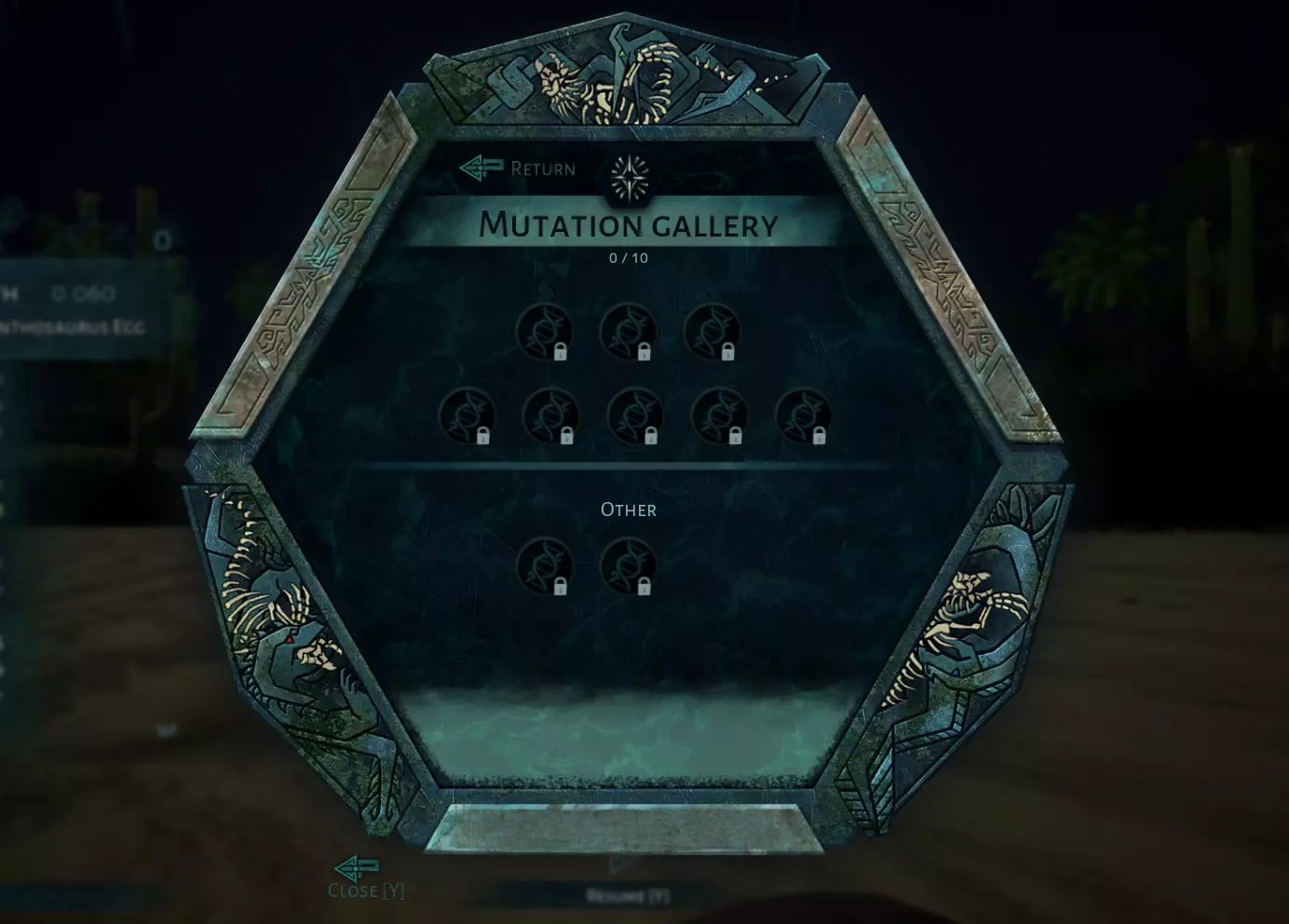
- 成就系统+变异指南 — 本指南将帮助你了解《百慕大野兽》在“灰烬夏日”更新中新增的基础成就。其中包括判断恐龙是否发生变异的多种示例,以及游戏中当前所有的近亲形态。 内容 本指南将介绍以…
- 《泰坦海姆》游戏指南 — 一份由@stoin、Steam平台上线前的@Veteran及其TITANHEIMR服务器成员共同制作的完整且全面的游戏指南。包含以下章节:游戏介绍、设置与控制、…
- 技术帮助 — 常见错误、严重漏洞及优化问题的解决方法 家庭共享 不要使用家庭共享功能。任何在账户上有《百慕大野兽》家庭共享历史的情况,都可能导致该账户的生物在未来任意时间点随…
- 发声、嘲讽与动画 — 每个可玩角色都有广播、友好、威胁、顺从、求救等发声/动画。请注意本指南尚未完成!张嘴/乞求并非真正的表情动作,且为【TITANHEIMR】所特有。嘲讽动作被用作…
- 突变、概率及其增益效果 — 游戏内所有稀有巢穴变异,以及如何最大化触发几率。变异
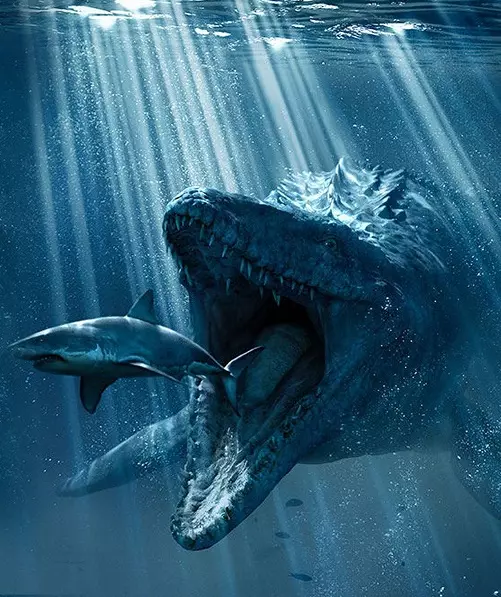
- 沧龙入门指南 — 沧龙是一种大型的空气呼吸爬行动物。有些沧龙体长约50英尺,体重超过5吨。这种巨大的食肉动物也被称为“海洋中的霸王龙”,以鱼类、鸟类为食,偶尔也会捕食不幸的陆生恐…
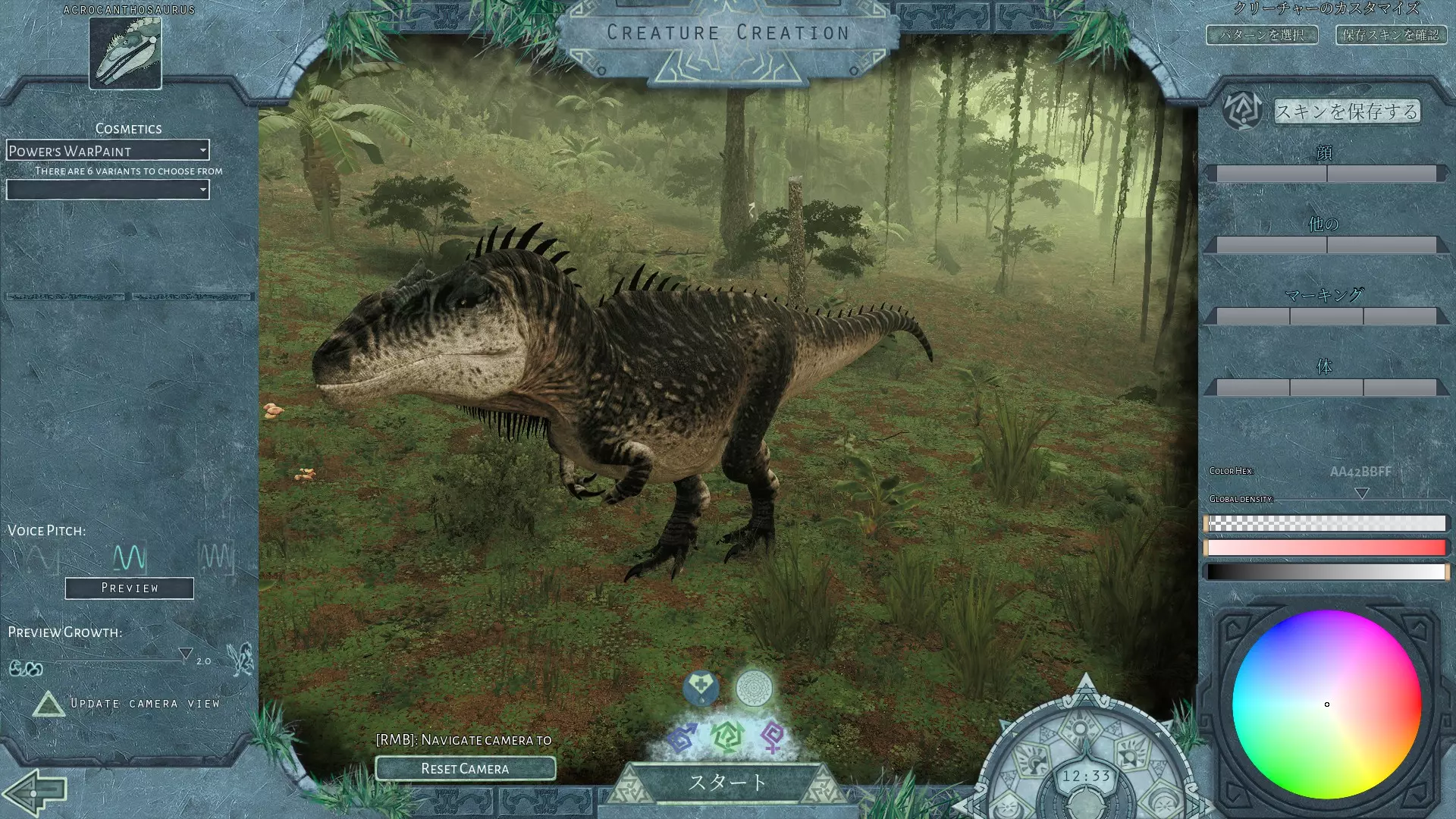
- 高棘龙指南 — 这是一篇关于新恐龙高棘龙的指南。高棘龙是一种非常有趣的恐龙,更不用说它还是最强大的恐龙之一。本指南将详细介绍高棘龙的能力、优势、劣势以及天赋树。 简介
- 为什么你应该停止忧虑并坦然面对死亡 — Dying is not the end of your dino's run, nor is resetting to 1.0 growth as point…
- B.o.B 新手指南 — Want to learn to play the best dinosaur simulation game in the genre without dyi…
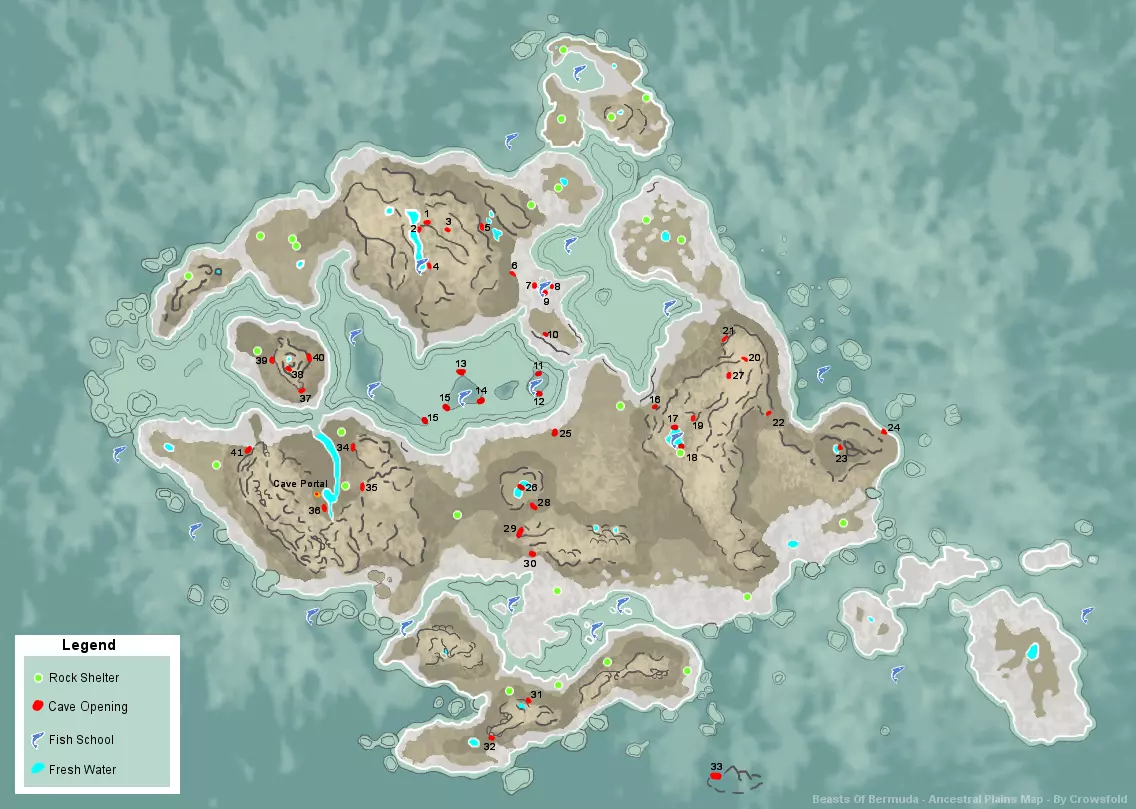
- 所有洞穴与路网地图 - 先祖平原 — 一个搁置多年的项目终于完成了! 这张地图展示了《百慕大野兽》中先祖平原地图的隧道、洞穴及其网络。也许不是最美观的,但能满足使用需求。比例和曲线可能不够精确,但所…