
 换一换
换一换 


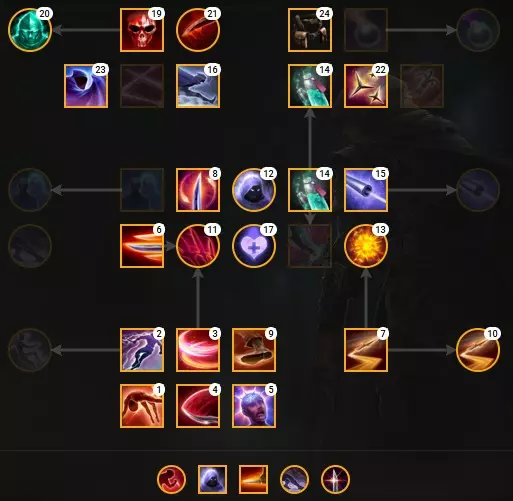
This is not finished but I am here writing down what I've learned so far as the wiki is convoluted data for me but not really digestible, useful information... Combat and its Skills You have two weapon loadouts, which you can switch with by hitting Q any time including in active combat. Each weapon has its own skills attached to it and you can level these individually. One loadout is used for ranged and one by melee but besides that you can do what you want with it. If you change the weapon type in your loadout it switches to the skills and skill level you have with that weapon (or 0 skills if it is a new weapon type for you). If you switch the loadout then the skills in the hotbar change accordingly automatically. If you have levelled your character or your weapon skill you get points to assign respectively. You can left click a skill and then either confirm the skill points assigned to this skill or you can choose to respec anything (currently in Alpha 2 at least). Right clicking the new skill removes the tentatitvely assigned skill points again. If you play a summoner you have 3 summoned companion options and should choose at your character's 1st world entry which you want for the first time - tank guardian, healer mystic or damage dealer hunter. At least in Alpha 2 you can always respec and switch the option. If you open "Skills" by hitting K you can change hotkey button assignments (and only then). Under the "General" tab you can assign the buttons for what the stance of your companion is, aggressive towards targets, defensive if they attack you or passive. If your companion is in combat a new hotkey bar group appears with the skills of that companion. While you fight as summoner you essentially hit the buttons for your own skills, your weapon's combos too if it has any and your companion special attacks. Consumables There is Food and Drink that gives long duration buffs to attributes like physical strength, intelligence etc or short term healing. The effect requires you to sit down and remain still for a while. If you die the effect is gone. You can only have one food active at a time. Food can be cooked. There are Salves and Potions for quick help in combat but they have long cool downs. They come from Alchemy. There are Elixirs which help with gathering speed, xp etc. There are Scrolls to increase attributes or do other buffs for long term (the effect is not erased if you die), guild creation or guild war declaration. They are made by Scribing. There are Treasure Maps made by scribing or found in loot etc to go treasure hunting. Mounts and transport You can not chat with an npc while mounted or interact with any object and it will not show you the interact option while you are mounted. If you carry a crate on your back your mount will be as slow as it is with you directly carrying it, it seems. But there are special crate mounts, which you can buy from the farming NPC for example. They are then unusable "babies" essentially and need to be trained first at the animal husbandry station. Mounts can take damage from falling or attacks from NPC or player. I have not yet found a way to heal them. If they die, they are in "revival cooldown" for 9 minutes or so while in your backpack and then back to 100% health. It seems you can acquire mounts in the worlds (not sure yet how) and then they can be traded or used directly. There are caravan waggons you can build, but they are only usable with an animal to pull them. Mounts can swim an jump - but not very high. They gain a speed bonus if on streets. Crafting & Economy There is some loot from NPC but it is not a lot. Gathered materials for crafting (as well as baby animals like the purchased crate carrying one) end up in your "materials" inventory, which is both sloth and "size" based with each object having a certain number and shape of slots it occupies. This means you need to spend time manually playing tetris in your materials inventory. You can early on craft a backpack as your second material slot container to unlock more material slots. The 3rd slot can be occupied by a specialized bag you can buy at the storage vendor for herbs or wood or so.If you kill some mob or do some quests you might receive Glim. This can be merged if you have 10 of it by right clicking into the next higher value type. Glim you can sell to NPC for quite a bit of money. You can sell some of the other items too. Selling to an NPC is done by right clicking it in your inventory while you speak to him. There is no buyback it seems. Pretty much any crafting step costs money - directly via taxes and indirectly because you need ingredients that can only be purchased from NPC at least now. A lot of the crafting up to the final item is "hit the button and wait" while the workstation does its thing (for many minutes too in some cases). So don't expect to be involved in the crafting really but load workstations with the ingredients and walk away doing somethign else. And be prepared of HOW MUCH MONEY this costs, because there are so many steps to get anywhere. You might have all ingredients from crafting steps but simply not be able to afford the fees coming with it. Settlements need to be founded (by claiming nodes) and levelled and what crafting tier is available seems to depend on this. High tier settlements can offer teleport and such. But everything is open for attack and looting (or defense). Professions There are 22 professions for gathering and crafting. You need to level your profession tier to be able to do certain things. For that you obtain a certificate for that profession and tier from the respective profession's NPC in settlements. You can only become Grandmaster tier in 2 professions. You can demote a tier in a profession to raise another at the NPC. For farming or animal husbandry you can do work at the public settlement stations (farming is done at a farming work station at least currently, NOT on a field) but it seems higher tiers need the space of a freehold or at least house you or your guild must own. Gathering Fishing: put the Skill button for fishing into your hotkey bar and make sure you have a fishing pole equipped, then hit the button facing deeper water. The character will autofish until the backpack is full or you are moving. If the character shakes the head and reels in immediately you are not facing open waters enough. Herbalism Hunting: starts with (currently in Alpha 2) walking up to critter versions that do not move but have a target next to their name. They are not aggro or such and you just interact with them to collect their carcasses. Lumberjacking Mining Processing Alchemy Animal Husbandry Cooking: process and use herbs, fish and certain carcasses. Farming: go to a herbalist vendor and buy water, gather flowers and make mulch at a farming station. Buy seeds from the herbalist vendor. Make the plant at the farming station. Lumber Milling Metalworking Stonemasonry Tanning: process the carcasses from the hunting profession. Weaving Crafting Arcane Engineering Armor Smithing Carpentry Jeweler Leatherworking Scribe Tailoring Weapon Smithing Auction Houses, Player stalls There is no global auction house or connected market places or bank spaces. Everything is local. This is intentional. Resources are area specific and the game mechanic intends that people move things physically around - and are targets for PvP for example. An economic settlement that has reach stage 6 unlocks "Linked Economy" though and can then have goods shown and available for bidding between 2 settlements, this one of stage 6 and a vassal one. Player stalls can be rented in economic settlements near the stage 3 unique building or in any stage 4 settlement at the marketplace building. Freeholds can have a market building as well. Death and PvP flagging In AoC you have open PvP and a death penalty system with various degrees of experience debt and inventory drop. To avoid a gank fest there is a system where you can not fight back (non-combatant) - but then you receive the experience debt x and drop material when you die fight back (combatant) - then you receive experience debt x/2 (half) and drop material when you die be corrupt from killing non-combatant players and have experience debt 4x if dying, drop materials and items (gear?)A corrupt player will have weakened attack skills as well and become marked on the map for all to see. Dying a few times seems to remove that "corrupt" flag again. The problem is that you can easily become a combatant even if you don't want to. For example you can TAB select mobs to fight but a combatant might deliberately run through and you WILL target this player then too, thus attack and be flagged now as a combatant. At which point the player and/or his guild will usually swarm in and just kill you without penalty. You can lessen this risk a bit by going to "Settings" and then under "Gameplay, Combat, PvP" make sure you have "Require Force PvP to use harmful abilities on combatants" active. You will become combatant too if you break open a material package. Those can spawn randomly in the world. Some collect them and deliberately place them on streets leading to settlements and lie in wait so newbies who don't understand the consequences yet can be killed without penalty. Or you become a combatant if you loot the ashes pile of a dead player. Which some guilds use deliverately too, they PvP where newbies are, one dies, the newbie picks up the stuff ... he is dead. Durability If you die you not only acquire XP debt and drop materials but your equipped items will loose durability as well. To repear gear you can go to any NPC vendor and hit the repair icon on the bottom left. Background Lore - the Gist of it There are several planes of existence in the universe of AoC, the celestial plane of Aesthetia, the material plane, the Void etc. Essence is the life force and used to create magic. Ten gods, Essence wielder from the celestial plane, created the world Vera in the material plane. Vera is diffused by magic. These ten together then made the Ancients. But three of the gods, the Others, went further and taught the Ancients about the secrets of the Essence. This sharing of information about Essence was considered an unforgivable break of trust by the remaining seven gods. Accordingly, they banished these Others and the Anciensts to the Void plane. Then the remaining Seven created the playable races of human, dwarf etc. on Vera. Each of these gods had their own following and religion among these races. The Ancients no longer have access to Essence on the plane of Void (that was the point of them being banished there) and they thus try to corrupt the living beings on Vera to gain access to their life force and thus the Essence it is based on. The soul of a living being is the conduit for the Essence to pour its life force into the world. If the soul is not tethered it is at risk of getting lost and the Essence up for grabs. Together with the Others the Ancients managed to conjure the Harbinger, meteor like weapons, that caused an apocalypse on the world Vera. The vast majority of the races fled then Vera to a magic-free world called Sanctus. Those who remained on Vera interbred in the Underrealm and the Tulnar were the result. The game plays in a phase where the portals between Vera and Sanctus were just reactivated and the races return to Vera to reclaim and rebuild. The Harbinger are still active, the world is mostly in ruins and there are Corrupted from the Ancient's influence found everywhere. Settlements/Nodes The world of Verra has pre-determined locations, originally called Nodes, which are for developing and claiming settlements. Each settlement is of a certain pre-determined type (economic, scientific, militarian, divine). Settlements start at stage 1 and can be developed up to stage 5. At stage 5 the superpower of each type becomes unlocked, it applies to every vassal settlement of this stage 5 settlement. With each stage different things become available for each settlement based on type and buildings that the mayor decided to have there. Buildings start as scaffolds and must be build with resources by players. Each settlement type has a unique building that unlocks at stage 3 in its basic form and then changes with each higher stage of the settlement to another version with more functions. The stages are Stage 1: Expedition Stage 2: Encampment Stage 3: Village Stage 4: Town Stage 5: City The architecture of a node depends on the majority race influence of its citizens. Any action within the influence zone of the node (visible on the map) impacts the node stage, no matter if citizen or not. This makes the stage increase and the influence zone grow. But the moment two influence zones have contact at their borders their growth is stalled and maintaining the influence zone becomes harder. Think of it like pressure and counter pressure applied by two bodies in contact. If a player reaches level 10 they can apply for citizenship within a settlement. They will then have to pay taxes every 2 weeks and can for example vote for the mayor. Trading and crafting station use costs money but the fee is reduced for citizens.
开发中基础机制指南

2026-02-15 16:00:25
转载

导读
这是《开发中基础机制指南》,介绍了MMORPG《Ashes of Creation》Alpha 2版本的核心玩法机制,涵盖战斗技能系统、职业养成、消耗品、坐骑、生产经济、PVP与死亡惩罚、聚落建设等内容,包含技能加点、职业选择、经济交易等关键玩法说明。

评论
共0条评论

私人测试服务器(PTR)现已在Steam上线!
《Ashes of Creation》PTR测试开启公告 各位荣耀的Alpha Two测试玩家! 私人测试服(PTR)现已在Steam平台开放!如果你的游戏库中…
2026-01-21 20:280赞 · 0评论
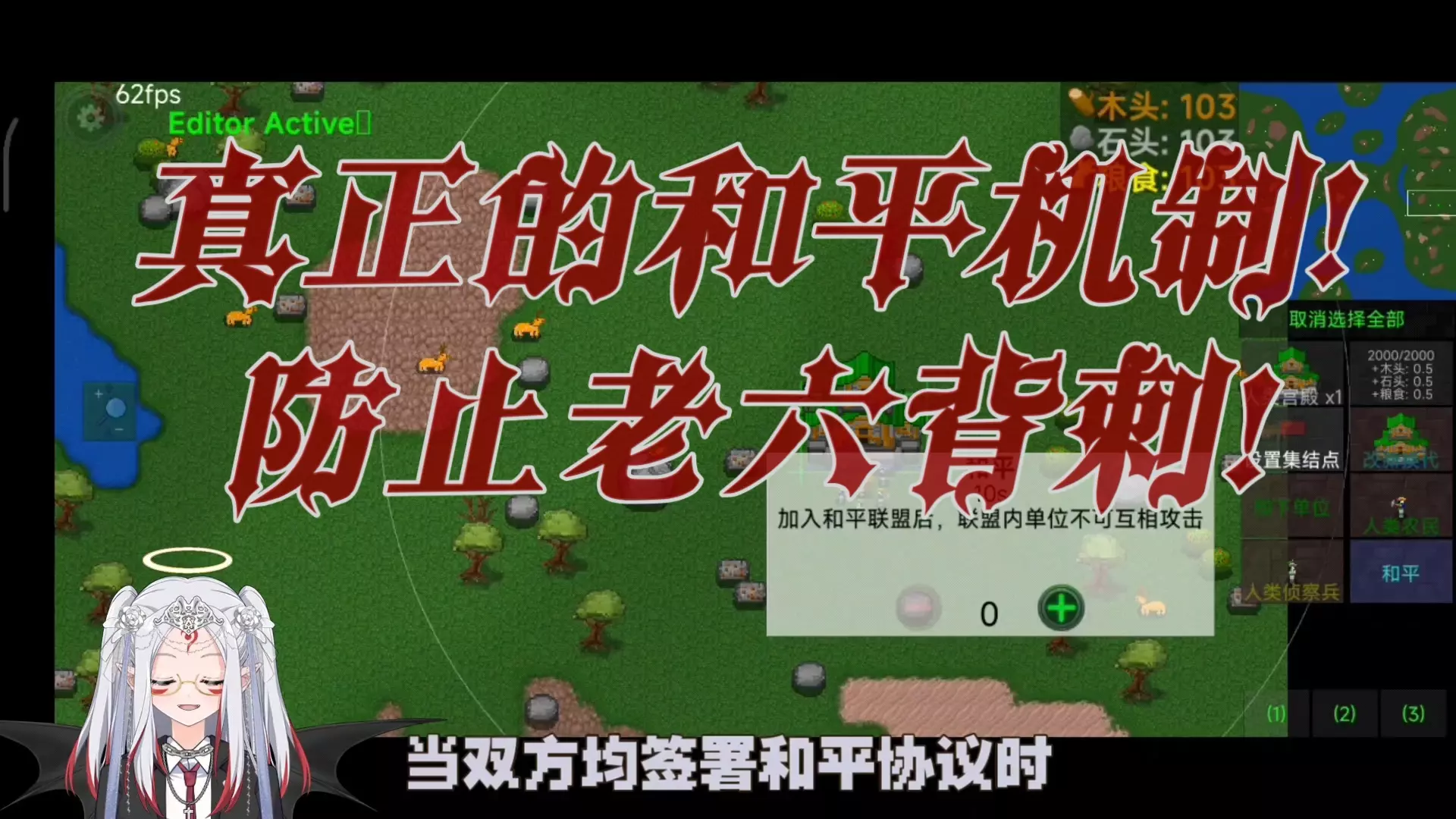
娱乐 真正的和平机制!防止老六背刺!《铁锈战争》
▶ 独家展示"和平协议"模组核心机制: - 强制停战 - 预防背刺 - 代码的单位攻击逻辑 🎮提问:你认为这个机制会让PVP更好玩还是更无聊?投票留在评论区!
2025-12-21 14:380赞 · 0评论
《辐射4》技巧与方法
这是一份《辐射4》实用技巧、指令及技术的汇编,主要是因为我比较懒,不想每隔几年决定重玩时都要重新查找这些东西。 这仍在完善中;我会在发现新内容时进行补充;也欢迎…
2026-03-16 03:100赞 · 0评论

极品装备制造师 巫师3手工制作武器库攻略 巫师3怎么打造武器的材料怎么的
一、巫师3去哪打造武器 玩家要找到DLC血与酒中陶森特的宗师级铁匠法拉葵才能打造宗师级装备,法拉葵位于陶森特主城南侧入口上方的护甲店内,和他对话后就可以领取打造…
2025-08-18 11:190赞 · 0评论
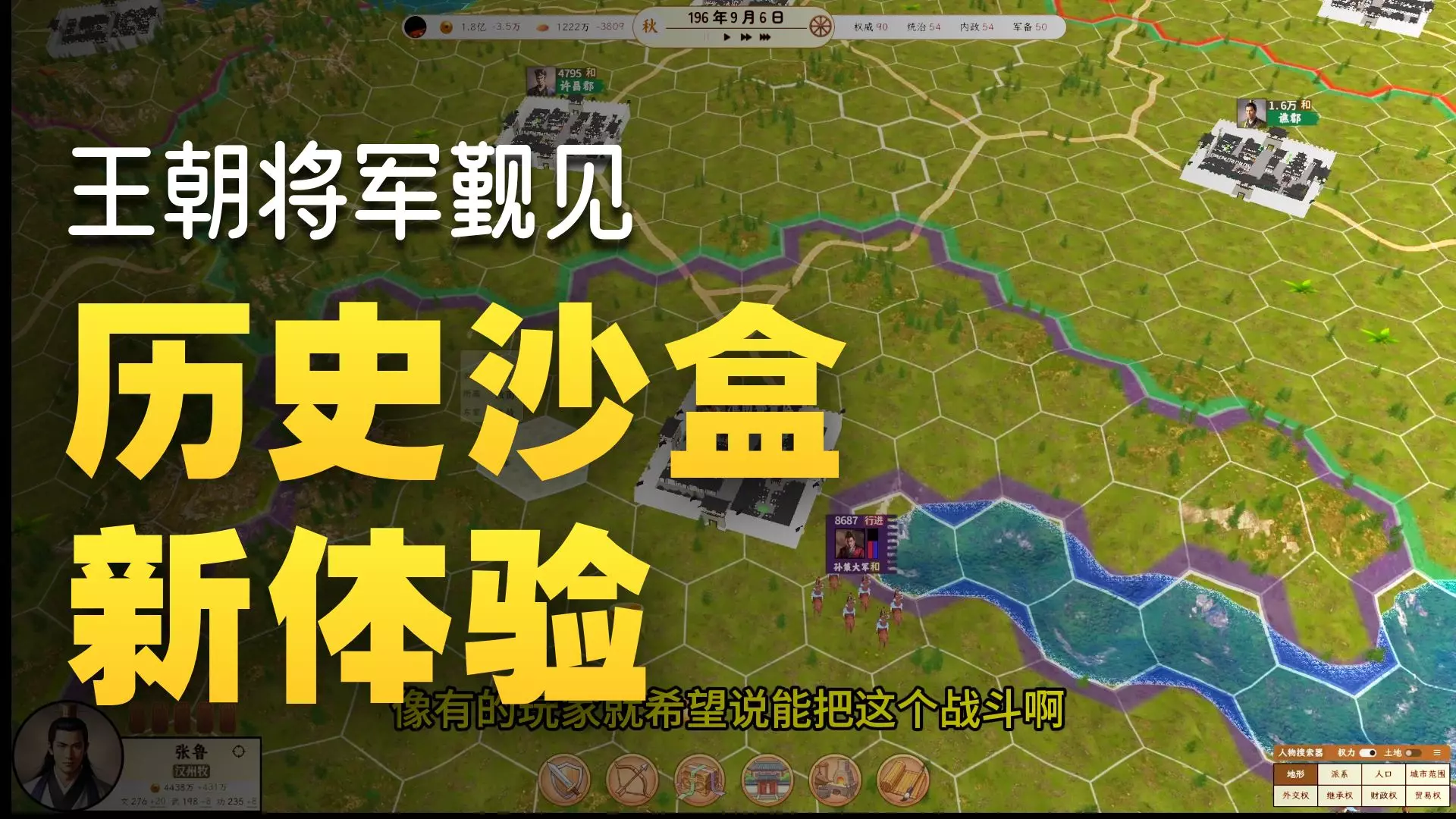
历史模拟 P社+三国志要怎么缝?这是我的更新路线图
《王朝:将军觐见》是一款我个人制作的历史策略游戏,主打高自由度,拥有独特的政治、经济、POP沙盒模拟。EA版已上线,steam搜索“王朝:将军觐见”。
2026-01-18 05:190赞 · 0评论
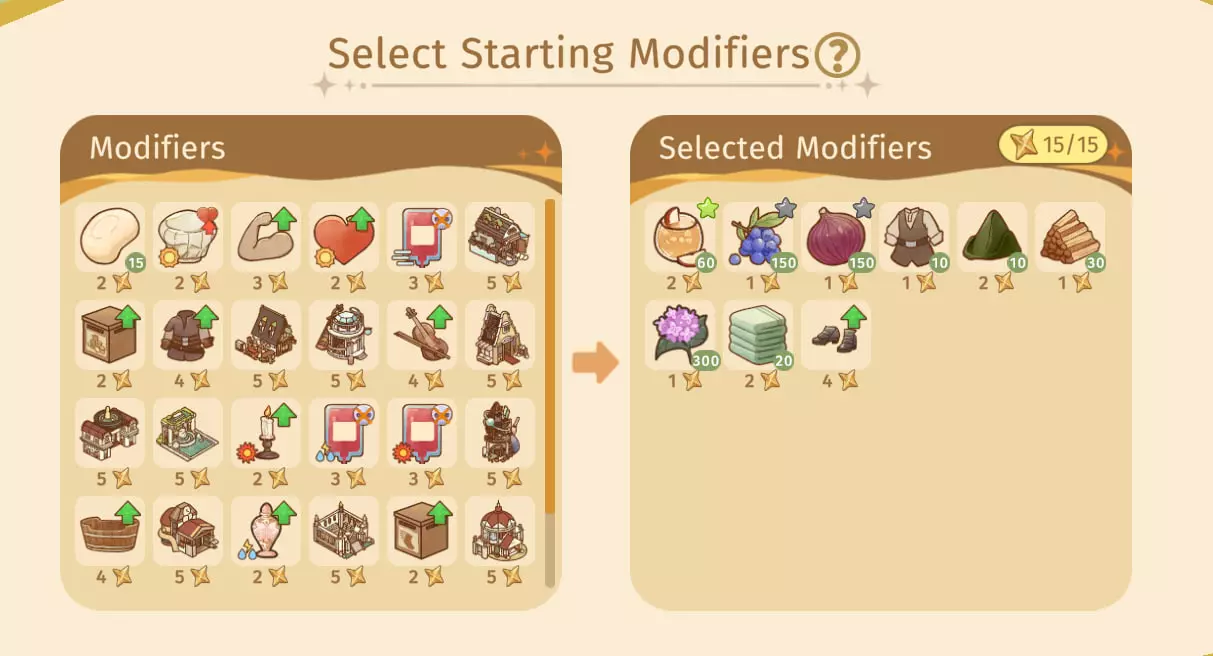
南国盛宴
了解如何在任意难度下精通这款游戏。我会分享自己通关所有关卡的方法、一些不为人知的技巧,以及建设高效聚落的通用建议。开始游戏前请阅读本文。 开篇几句 各位建造者们…
2026-03-31 04:000赞 · 0评论
PVP 无尽冬日:PVP机制分析,团战思路分享。
无尽冬日;PVP机制;团战思路。
2025-09-16 15:570赞 · 0评论

高效城市建设
打造更优聚落的关键要素 人口需求 在《放逐之城》中,要让居民保持快乐和高效生产,有几样必需品。按重要性排序如下:食物、柴火、工具和衣物。 食物 游戏中有4种食物…
2026-04-01 19:000赞 · 0评论
《辐射4》年度版生存模式指南
Czyli niepraktyczny nieporadnik dla niepoczątkujących graczy, którzy podejmą się…
2026-03-05 21:070赞 · 0评论
命定花种 【萌新必修课】S1赛季综合攻略:所有极品宠物、性格天分、棱镜球国王球、PVP机制、赛季商店、通行证、命定花种、用球规则理论+实操一站式讲透
2025-10-12 11:050赞 · 0评论
暂无更多
最新更新
- 新手商队指南 — Greetings fellow adventurers, Flanker here. Caravans are not just a feature in A…
- 如何进入战斗模式 — 按下【,】,然后再次按下【,】以使用鼠标。
- POI等级提升指南 — POI等级范围与升级指南(开发中) 什么是POI? POI即兴趣点,是维拉世界中分布的特定地点,为玩家提供正常任务之外的探索、战斗或互动机会,包括地下城、地标或…
- 《灰烬创世纪》Steam抢先体验:新手玩家必知技巧 — 《灰烬创世纪》已正式登陆Steam抢先体验。随着TGA的热度推动数百万玩家寻找新的大型多人在线游戏,现在正是踏入维拉世界的绝佳时机。本视频将为各位新玩家拆解在抢…
- 提升帧率设置(engine.ini) — 这让游戏看起来像《骑士Online》,但对帧率有帮助:D 不过我不知道是否允许这么做(使用风险自负) C: Users your_name AppData Lo…
- EAC验证失败错误修复指南 — 问题的核心在于Easy Anti-Cheat(EAC)期望的文件与你硬盘上的实际文件之间存在“不同步”或不匹配。EAC认为列出的文件(pakchunk400-W…
- 开发中基础机制指南 — This is not finished but I am here writing down what I've learned so far as the …
- 灰烬的唯一玩法 — 前往库中,右键点击《创世灰烬》。找到卸载选项并点击。卸载游戏,这是玩这款已开发8年、唯利是图的游戏的唯一正确方式。
- 任务与通用指南 — 我的粉丝网站专注于各类任务内容! 欢迎访问任务法典。
- NVIDIA RTX 3090 驱灵行动 — 黑屏减少与图形设置优化建议 3090显卡调整 如果您不幸使用的是英伟达3080或3090系列显卡,可能会遇到玩几分钟后出现黑屏死机的情况,表现为显示器无信号但仍…