
 换一换
换一换 



《坎巴拉太空计划》新手入门指南:献给不懂物理的你 非常基础的内容 在开始让物体移动之前,我们需要先了解一些非常基础的知识。 重力 所有有质量的物体都具有重力。重力是两个物体之间的基本相互作用,会将物体相互吸引。物体之间的距离越远,这种相互作用就越弱。 质量 你安装在航天器或航空器上的所有部件都有质量,无论是机翼、机身、驾驶舱、降落伞,还是其他任何部件。 重量 当物体处于另一个物体的引力场中时(在《坎巴拉太空计划》中,指行星和恒星“克博”),质量会产生一种称为重量的力。这个重量力会将物体拉向引力场的中心(基本上就是行星或恒星的中心)。

摩擦力 当固体物体向前运动,且该物体与其他固体(例如地面)相接触时,会产生一个与运动方向相反的力。
流体 流体主要指液体和气体,在《坎巴拉太空计划》中分别指水和大气层。 阻力 本质上是摩擦力,但并非固体与固体之间的接触摩擦,而是固体与流体(如空气或水)之间的接触摩擦。
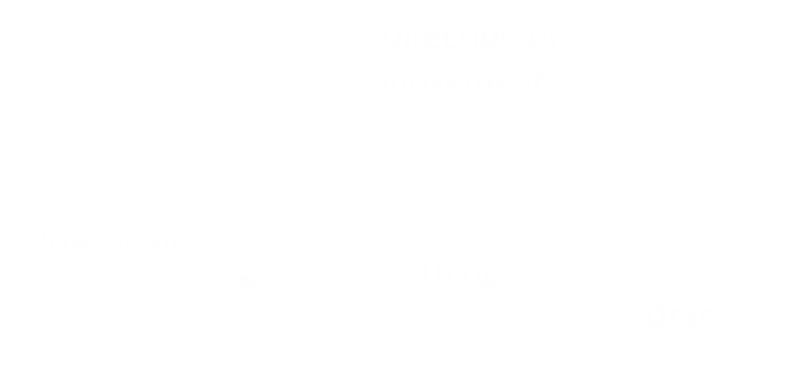
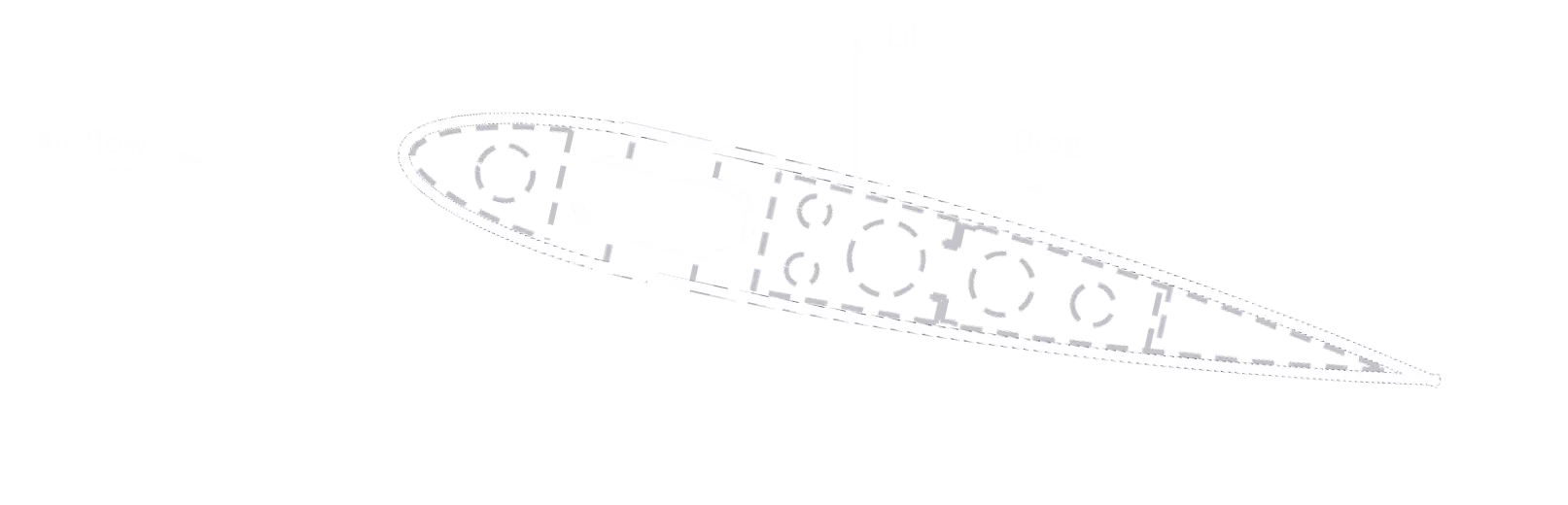
升力 升力是物体在流体(如空气或水)中移动时产生的力。其产生原理十分复杂,存在多种不同理论,因此在此不做深入解释以免引发争议。一般来说,当你将“机翼”(是的,如果你愿意,飞机的机身也可以算作机翼)向后倾斜时,它会产生升力和阻力。如果倾斜角度过大,机翼就会失速(停止产生升力),这是因为空气无法满足过大的需求而发生分离(如果你想了解更多,可以查阅“气流分离”)。此外,向相反方向倾斜机翼也会产生相同的效果,只是此时的“升力”会变为负值(即向下的力)。
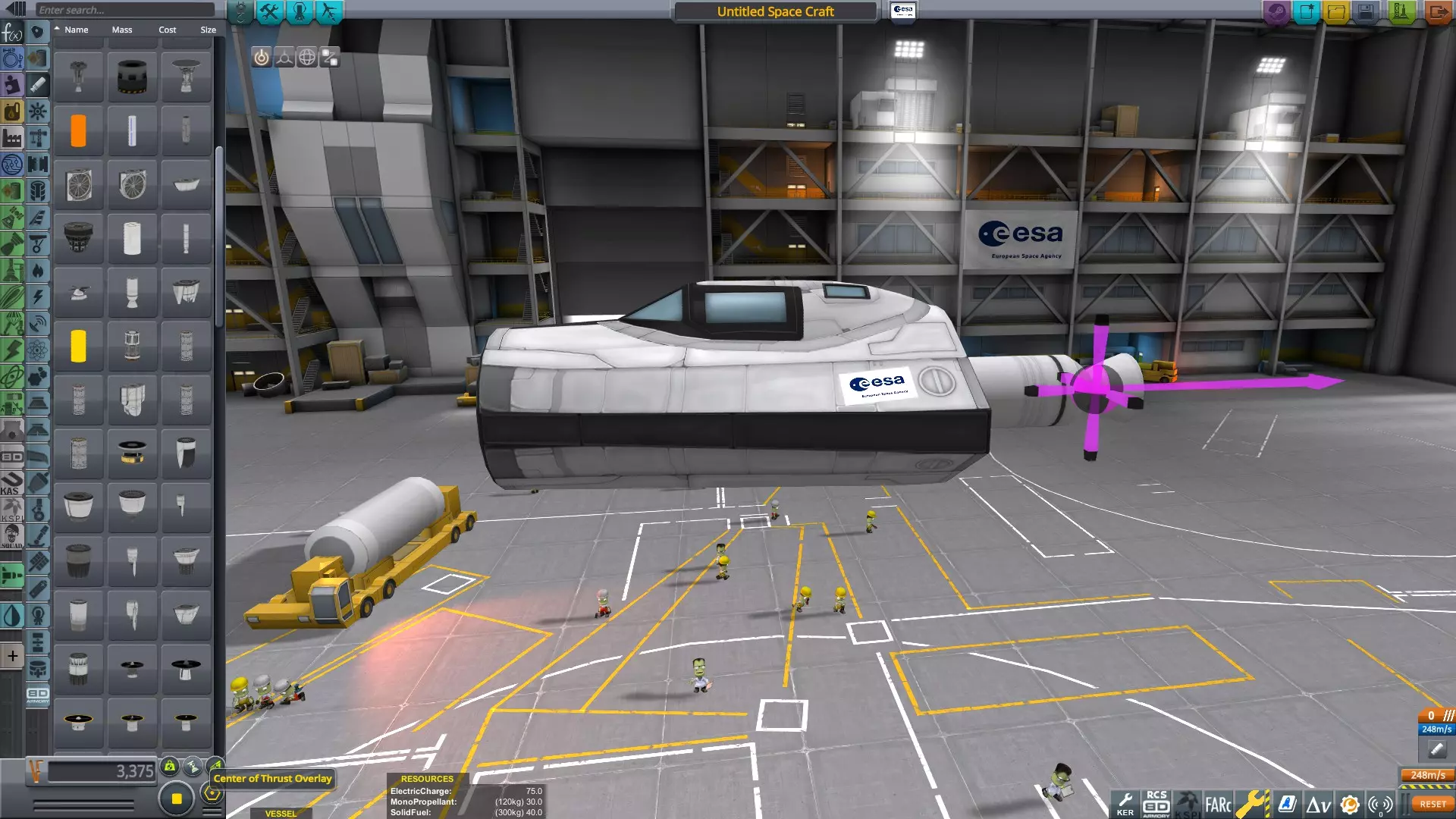
推力 推力是一种通常由发动机通过燃烧燃料或消耗电力(适用于电动发动机)产生的力。它的方向通常与发动机朝向相反(螺旋桨,缩写为螺桨,发动机有拉进式或推进式两种布局,即“拉式”螺桨和“推式”螺桨)。

牛顿(N) 牛顿是力的公制单位。厘米之于距离,正如牛顿之于力。 力 在讨论物体运动之前,我们需要先了解重心(CoG)、推力中心(CoT)和升力中心(CoL)。 重心(CoG) 重心是物体的一个假想“平衡点”。
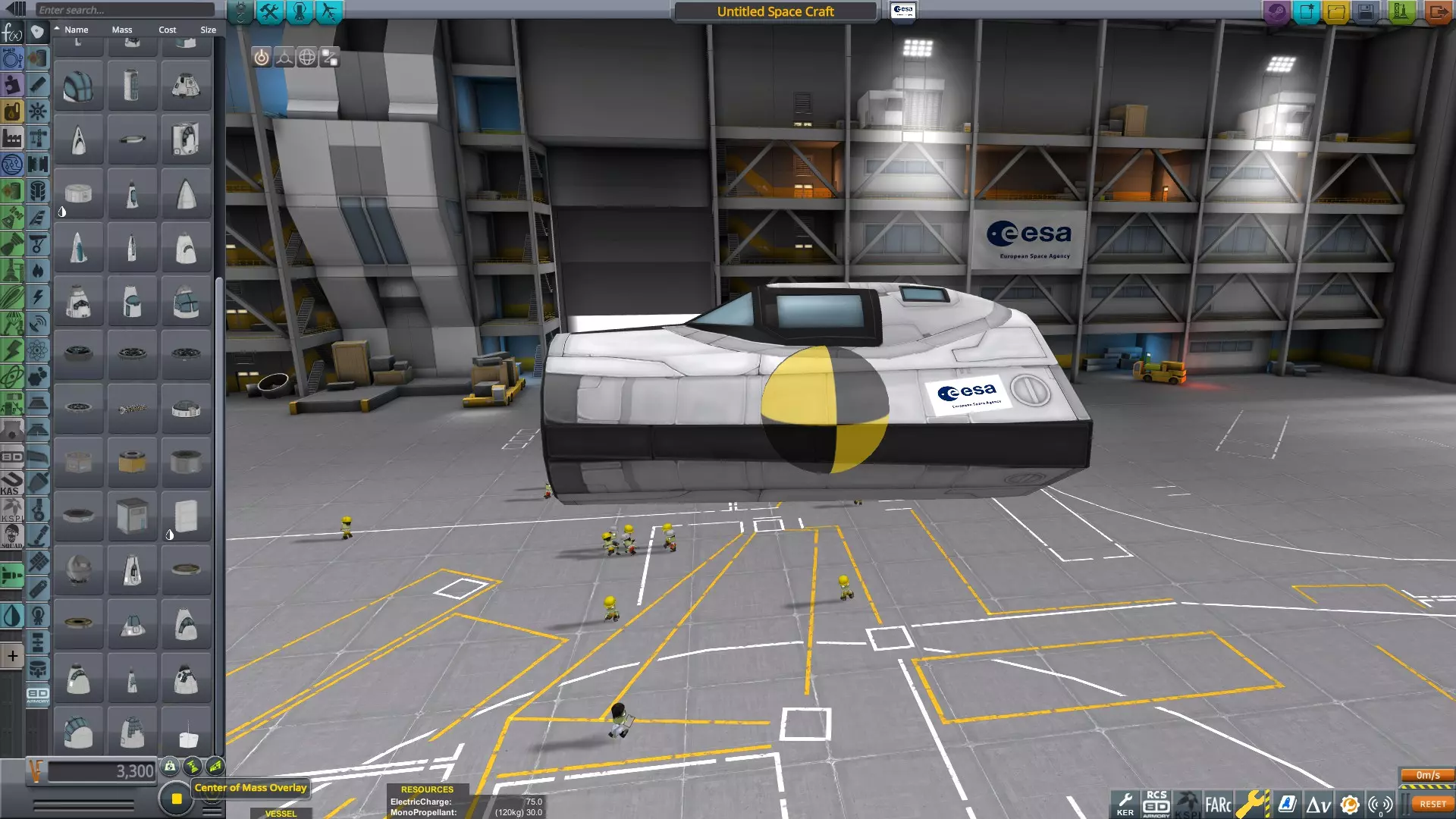
想象一下,【推力中心】(CoT)就是所有引擎产生的力共同作用的点(基本上是所有引擎产生的推力总和)。
升力中心(CoL):与重心(CoT)类似,它是一个假想点,所有升力都作用于此(基本上是你的航天器/航空器产生的所有升力的总和)。
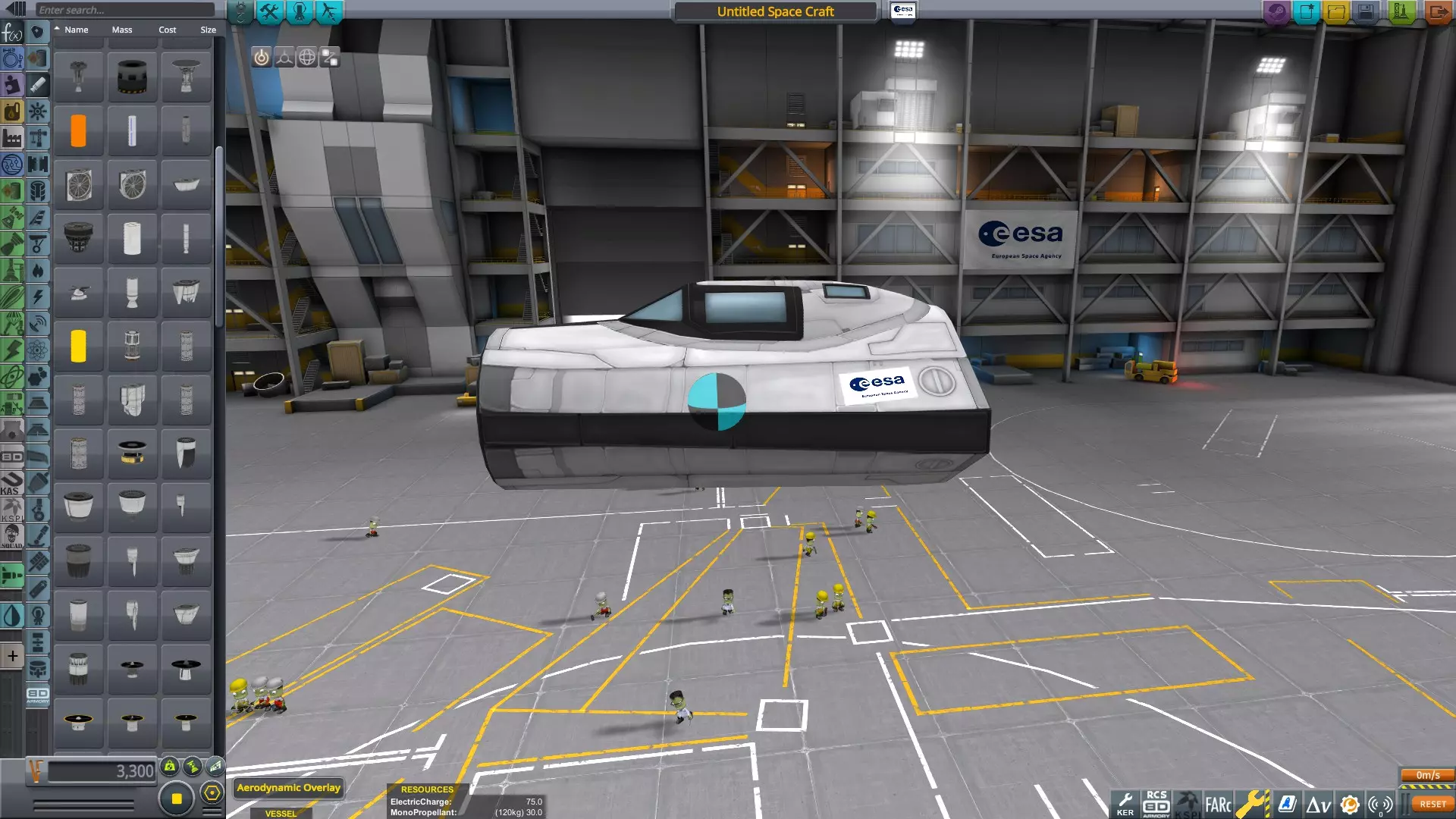
那么,既然我们已经弄清楚了这一点,该如何让物体移动呢?其实很简单,只需朝着你希望的方向,通过物体的【重心】施加一个足够大的力。如果这个力能够克服其他所有力,物体就会朝着你想要的方向移动。

如果力1大于力2,物体就会向上移动。 那么如何旋转物体呢? 很简单,我们通过对物体施加力矩来使其旋转。你可能会问什么是力矩,其实它就是在距离特定点一定距离处施加的力。力离特定点越远,施加的力矩就越大。(力矩=力×距离)
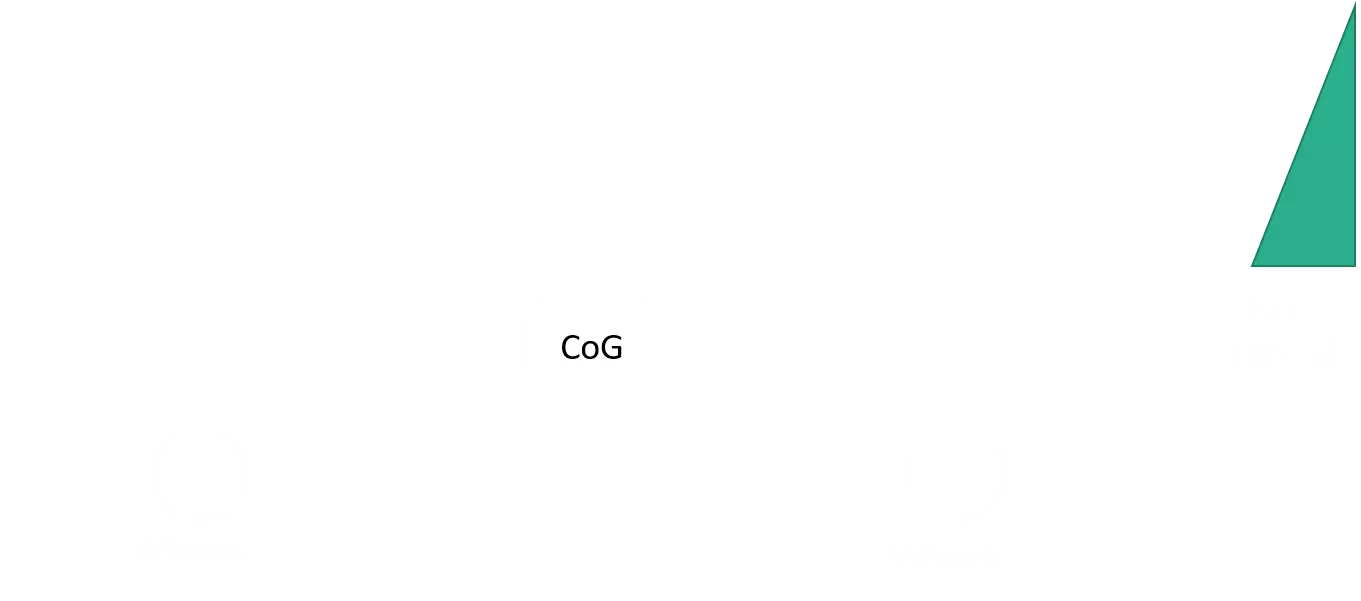
在上图中,三角形是跷跷板绕其旋转的特定点。3牛顿的力会产生比5牛顿的力更大的力矩,因为3牛顿的力距离三角形更远,因此,假设跷跷板不会断裂,它将顺时针旋转。 要旋转飞行的太空或空中物体,将重心作为力矩作用的特定点。
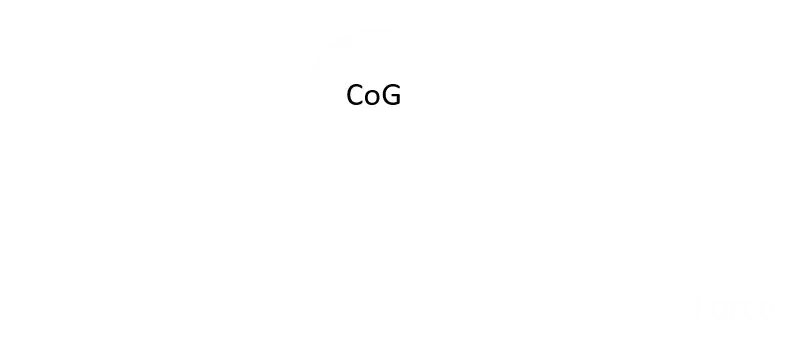
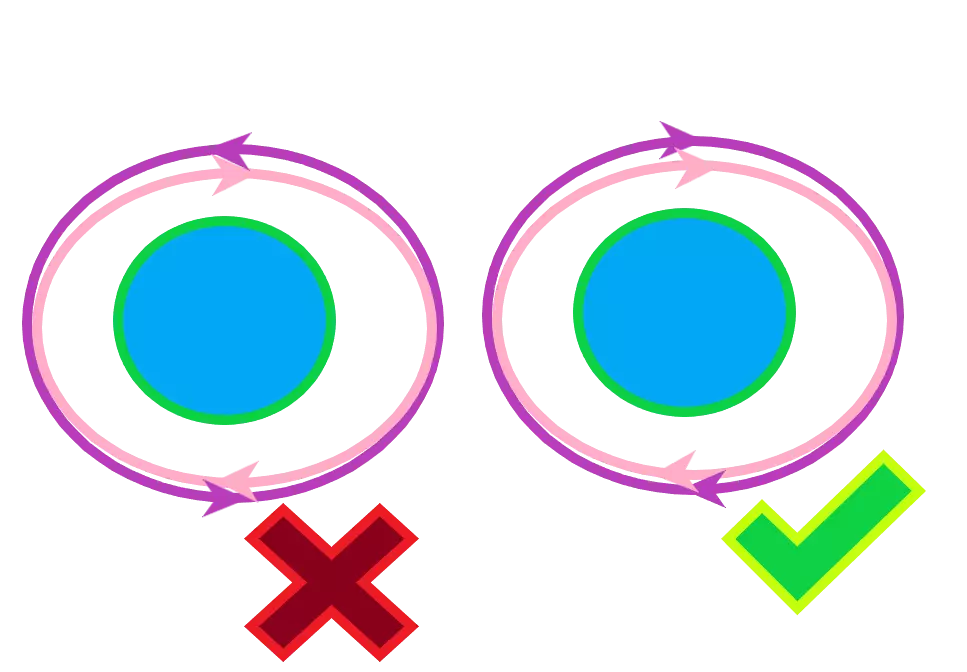
施加的力会使物体逆时针转动。 我们如何设计航天器/航空器? 既然我们已经学习了上述所有内容,那么如何制造航天器/航空器呢? 航天器 航天器通常会受到重力和阻力等力的作用。要将其送入太空,需要为航天器提供足够的推力以克服这些力。一般来说,不希望航天器在发射时发生旋转,因此要确保推力中心(CoT)与重心(CoG)在同一直线上。不必过于担心升力,因为发动机将推动航天器进入太空。不要忘记添加一些反作用控制系统(RCS)或姿态稳定系统(SAS)来控制太空中的航天器,因为机翼在太空中无法工作(太空中没有足够的流体)。不知道该把RCS模块放在哪里?运用你新掌握的力矩知识来帮助决定如何放置它们。本质上,力离重心(CoG)越远,产生的力矩就越大,从而能让物体转动得更快。 关于RCS和SAS的一些说明: 反应控制系统(RCS)是小型推进器,消耗单组元推进剂来产生少量推力。 姿态稳定系统(SAS)是一种自动驾驶系统,帮助航天器或航空器抑制运动并保持特定航向。它通过使用反作用轮、飞行控制面和RCS来抑制任何不必要的运动,但有时可能无法抑制飞行器,因为飞行器本身具有固有的负动态稳定性(基本上会失控摇晃)。反作用轮本质上是一种旋转轮,它可以通过改变自身转速来转动航天器,其原理是角动量守恒。 要记住,太空中空气非常稀薄,因此你的发动机需要氧化剂才能工作,因为燃烧需要氧气和燃料。同时,你需要使用真正的火箭发动机,而非吸气式发动机。 另外,这一点非常重要:【检查你的级间分离设置】。确保各个级按正确顺序执行动作,例如:启动发动机>分离>启动另一台发动机>分离>打开降落伞,而不是分离>启动发动机>打开降落伞>启动另一台发动机>分离。 简单来说,就是添加足够的发动机、燃料和氧化剂。 但我想进入轨道!这很简单,只需添加更多燃料和氧化剂,让你的太空载具更快地横向移动,最终就能进入轨道。至于前往其他行星,方法也一样。准备足够的燃料和氧化剂,将载具推入不同的轨道,直到抵达目的地。可以这样理解:先将载具向上推送,到达合适高度后再横向推进。这样载具就会持续下落,但由于横向速度足够快,不会撞击到行星。 免责声明 我在现实生活中对太空相关事物及其工程学没有太多经验,因此无法提供太多相关内容。 飞行器 飞行器面临与太空载具相似的力,即重力和阻力。要让你的飞行器飞起来,你需要提供足够的推力来推动飞行器,使气流流过飞行器机体。这会产生升力,从而将飞行器抬升到空中。建造飞行器时,尽量将重心(CoG)保持在飞行器的中心位置附近,并让升力中心(CoL)略位于重心后方。同时,最好让推力中心(CoT)与重心保持在同一直线上。另外,不要忘记发动机运行时会消耗燃料,因此随着燃料的消耗,重心可能会发生变化。
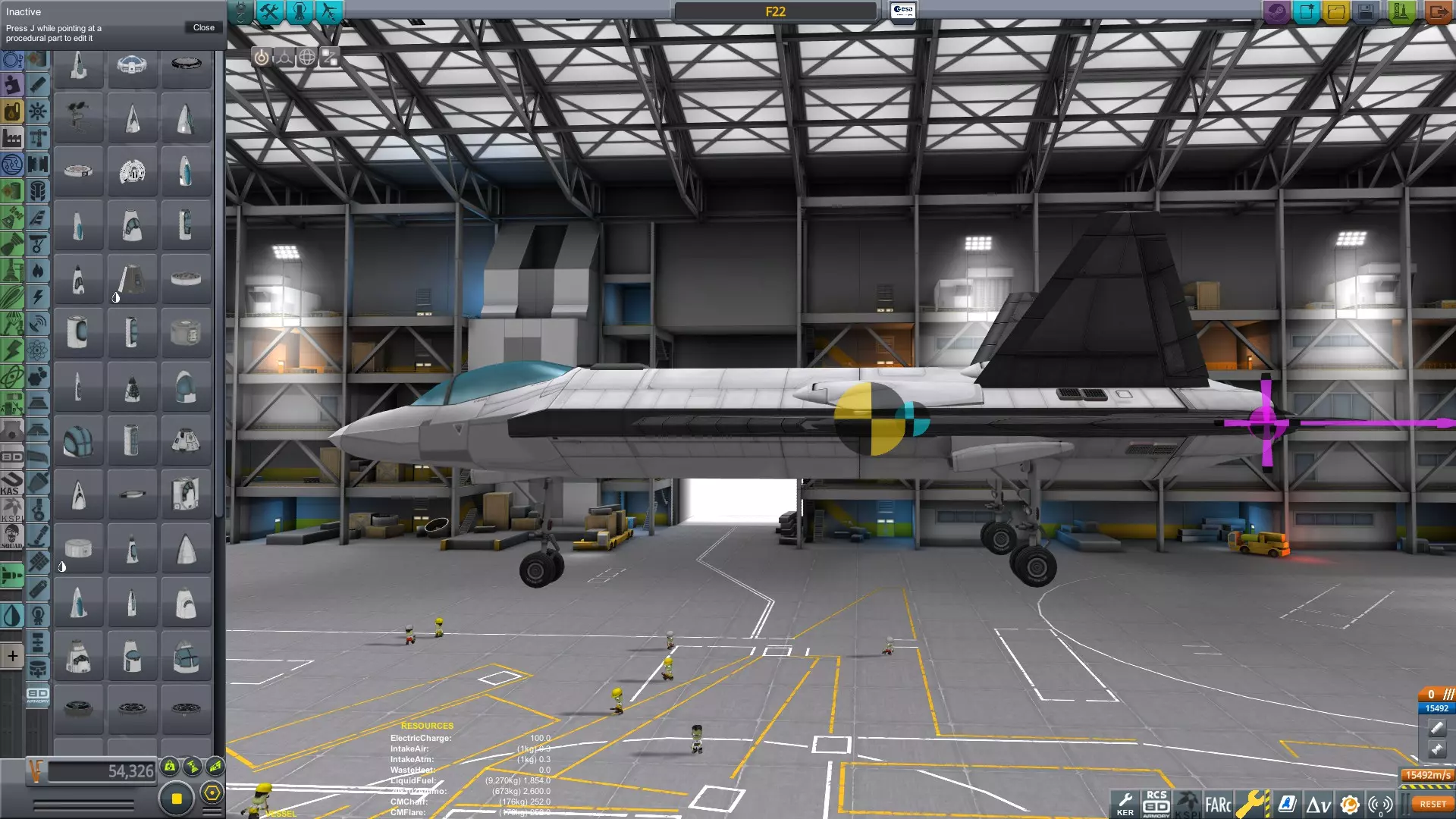
如果重心太靠前,它就会向前翻转;太靠后则会俯冲。 操控你的飞行器 飞行中有三个旋转轴:横滚、俯仰和偏航。
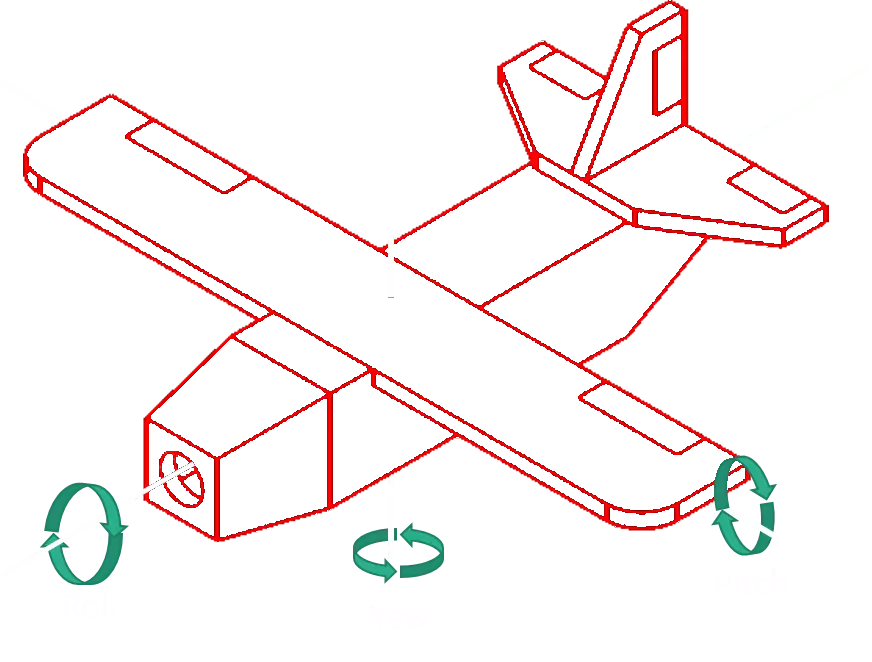
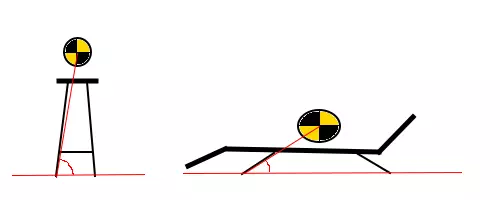
如前一节所述,要使物体旋转,需要在远离重心(CoG)的位置施加力。距离越远效果越好。因此,应将横滚控制(副翼)尽可能安装在机翼的最外侧,将俯仰控制(升降舵)和偏航控制(方向舵)分别安装在距离重心尽可能靠后和靠前的位置。 那么起落架应该安装在哪里呢? 通常,你需要将重心保持在前起落架和主起落架之间。确保起落架不要太靠近重心,否则飞机在地面上可能会非常不稳定。主起落架应安装在重心和升降舵之间的某个位置(假设升降舵位于机尾)。离升降舵太近,你将很难抬起飞机的机头(因为力矩原因);离得太远,则可能发生机尾擦地。
What engine should I use? Turbojet - fast but fuel guzzling plane. Turboprop - slow but more efficient plane. Turbofan - fast (but not that fast) but efficient plane, also, it's supposed to be quieter. Turboshaft - that's for helicopters. Turbo Ramjet - SR71. Pulsejet - well, they're cheap! Ramjet - that's for missiles (you need air flowing into the ramjet before it can start). Scramjet - that's for supersonic missiles. Shcramjet - my fecking god, how fast do you want to go? Auxillary power units - they're tiny turboshafts that generate electricity. Electrical motor driven propeller - Why would you want an engine that doesn't guzzle fuel? Rocket engine - If you wanna go to space (generally speaking, its a rocket engine if it consumes fuel and oxidizer). Fun fact, the "turbo" prefix refers to the engine being driven by a turbine, which is a rotary device used to drive the engine. The turbine powers the engine's compressor section which compresses air that is then sent to the combustion chamber. The exhaust is then used to spin a turbine which starts the cycle again. Helicopters? I don't know how they work, they're inefficient, magic, flying bricks. But honestly, I don't have a lot of experience with helicopters IRL, so I can't really say much about them. But the basics are, if your main rotor is rotating clockwise, make sure you've got a tail rotor or another main rotor (tandem rotors) that counters the clockwise movement of the rotor so you won't spin out of control. Also, your main rotors are what will make your air thing fly instead of wings and stuff. You'll have to try and balance your air thing so that your vertical CoT is in line with your CoG, or else it'll flip out. What about a VTOL air thing? Just keep your vertical CoT inline with your CoG. If you have an engine for horizontal flight and an engine for vertical flight, you can set the thrust limiter on your horizontal flight engine to zero to see the CoT of your vertical flight engine. Also, you'll have to balance your fuel tanks so that while the fuel is being consumed, the CoG won't shift much from it's original position, keeping the vertical CoT and CoG inline throughout the entire flight What about an air-space thing? An air-space thing is basically a space thing that can fly... So, like an air thing with rockets... Or a space thing with wings... FAQ and summary To summarize, you've just read about some science words, forces and how to design space and air things. Now your space and air thing designs should experience a 0.005% decrease in the probability of experiencing a catastrophic failure. sources My Diploma in Aerospace Engineering and design. https://en.wikipedia.org/wiki/Bill_Nye#/media/File:Bill_Nye.jpg FAQ You ♥♥♥♥♥♥ up! there's a mistake here Feck...... Looks like I gotta tear up my diploma and redo vocational school again... But yeah, I'd expect there to be ♥♥♥♥ that may be wrong because I wrote this guide whilst slightly drunk...... If you spot one, do let me know and I'll fix it. If you spot multiple, well, ♥♥♥♥... I'll fix them all and double check the stuff in this guide again... I didn't follow your guide and my space/air thing worked! Fook you! It's engineering, not everything is set in stone. If it works, it works. The ♥♥♥♥ is a space/air thing? Basically any rocket/aircraft/SSTO/whatever the fack people call them in KSP. I call them things as a blanket term for the crazy ♥♥♥♥ the KSP community builds. Your diagrams suck I lost my student licences for autoCAD, Creo Parametric and Ansys after getting my diploma.... So you'll have to do with some pictures from my old projects and microsoft powerpoint drawings... You didn't really talk about how lift is generated and I wanna learn about it but I don't wanna read multiple papers on it It's ♥♥♥♥♥♥♥♥♥ magic, I don't know how it works, no one does Okay, so for lift, it's essentially a force generated by a fluid moving across a solid object. Air has to be moving across the surface of a solid for lift to be generated (when a wing stalls, it loses lift as the air is no longer moving smoothly across the surfaces of the wing). There are various theories out there, such as "the wing's bottom surface 'pushing' the air down' and generating lift", "the air having to travel further across the top of the wing than the bottom, thereby making it move faster and creating an area of high velocity air with low pressure above the wing and an area of low velocity air with high pressure below the wing as per Bernoulli's equation [where total pressure = static pressure + dynamic pressure, and since total pressure is constant, and dynamic pressure increases with velocity, it means static pressure decreases if air moves faster], resulting in a difference of pressure that produces lift", and "the fluid is being 'turned' by the wing, thereby generating lift due to the fluid being 'turned' at the top and bottom surfaces of the wing, generating lift". These theories are called the 'skipping stone theory', the 'equal transit theory' and the 'flow turning theory'. In my opinion, the flow turning theory is the most correct out of all the simplified theories out there, but I know many subscribe to the 'equal transit theory'. What mods did you use in your screenshots? (this was added about a year after I made this guide) I can't exactly remember what mods I had when I made those screenshots (I had a ton of mods), but it should've been the Quiztech Aerospace Pack for the F22 cockpit and engine, Procedural wings for the F22 wings, and BDArmoury for the weapons. As for the Untitled Space Craft cockpit, I can't remember what mod it was from, might've been the Mk2 expansion mod. There's a seplling/grammar error in your guide ♥♥♥♥... notify me and I'll fix it How do aircraft engines work? Suck squeeze bang blow. Can I add you on steam? Depends on what your motives are. What's the airspeed velocity of an unladen swallow? Depends, african or european swallow? what airspeed are you referring to, Indicated / calibrated / equivalent / true airspeed? what situation is the swallow in, in flight, landed, in a wind tunnel, etc? what is the average force the swallow can output from its wings? what direction does the swallow output the force from its wings? how heavy is the swallow? whats the average drag that the swallow produces? and are we talking about a specific swallow or just on average?