
 换一换
换一换 


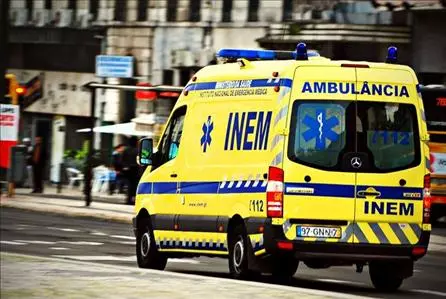
这款游戏在让人们了解紧急服务工作日常方面取得了长足进步。在该领域工作数年后,你会逐渐学会如何应对突发状况,并最终培养出一种直觉:我们无法让人员为可能遇到的每一种情况做好准备,因此这种直觉至关重要。 《911接线员》能让你真切感受到压力,觉得一切都取决于你。通过本指南,我希望能为你的现实生活提供宝贵经验,同时增强游戏沉浸体验。 编辑:本指南曾被波兰一家关于电子游戏与教育的报纸报道! 我是谁?为什么写这篇指南?我叫弗朗西斯科,是一名葡萄牙认证的急救员/急救员教官,同时也是一名大学生。我目前23岁,在这个领域已经培训和工作了五年半。 我写这份指南是因为我想,大多数购买这款优秀游戏的人可能都对急诊医学感兴趣,并且希望了解更多知识,同时你也能够将游戏中教授的原则应用到游戏内,特别是在处理呼叫时指导你的判断。 INEM - 国家医疗急救研究所
内容无法识别,已删除。
简介 在现实生活中,紧急情况往往以非常突然且不可预测的方式出现。当人们陷入恐慌时,他们会向手头事务中最接近、最可信的权威人物求助。 在我作为消防队医疗人员的实际工作中,作为平民以及在现场领导应急团队时,我经常扮演这一角色。 本指南旨在为你提供一些建议,帮助你运用在游戏中学到的知识,了解自身的局限性以及如何发挥出色。 请参考末尾部分的词汇表,以理解任何带下划线的单词或表达的含义。你会发现本指南中有专门针对游戏的部分,这些部分会非常醒目。 什么是紧急情况:紧急情况是指人员或财产面临紧迫危险的任何事件。 滥用紧急服务是犯罪行为! 紧急情况示例包括: 医疗方面:任何人员面临生命即时危险、严重伤害风险,或无法通过非急救救护车以外的任何方式前往医院的医疗紧急情况; 安全方面:任何人或动物当前的行为对人员、动物、建筑物或物品的安全构成威胁的任何情况; 火灾/技术方面:任何自然力量或基本因素对人员、动物、建筑物或物品造成严重且实际危险的情况。如果人员或动物被困、道路受阻、电力暴露引发安全隐患;以下是不属于紧急情况的具体示例,这些都是我实际见过的情况。以下是一些非紧急情况示例: 1. 因预约需要非紧急医疗转运的人员; 2. 出现轻微割伤、损伤、烧伤、流感、水痘、轻度醉酒等症状的人员; 3. 两人发生争执,但无打架或使用武器迹象的情况; 4. 吹风机产生少量烟雾的情况; 5. 膝盖撞到后有轻微疼痛的情况; 6. 自身醉酒,却因同样醉酒的朋友所谓“心脏骤停”而报警的情况; 7. 商店橱窗里的iPad被盗,但不清楚具体被盗时间甚至是否存在的情况; 8. 下背部的大水泡破裂(未报警,因当事人疑似患有痴呆症)的情况; 9. 昨天参与打架,现在才想到或许应该去医院的情况。(因滥用紧急服务和威胁民防人员而将该人逮捕) 你想在医院睡觉(因滥用紧急服务而将该人逮捕); 安全与防范措施 可以想象,任何紧急情况都存在潜在危险:有人已经受伤或即将受伤,这意味着恐慌、暴力或迫在眉睫的危险发生的可能性很高。 原则:在试图解决问题时,不要让自己也成为问题。如果有人需要帮助,而你为了帮助他们而使自己陷入危险,你就有可能造成额外的责任。不要逞英雄,他们通常最终会死亡或受伤,需要帮助,并会造就更多最终会死亡或受伤的英雄……明白吗? 除非绝对必要,否则不要移动伤者。因跌倒、机动车事故、重型机械伤害、参与斗殴、枪战或其他可能涉及创伤的情况而受伤的患者,若进行不必要的转运,可能会加重其病情。应警惕脊柱损伤或头部创伤,这些都可能危及生命!此外,如果患者尚未出现休克,出血加重也可能引发休克。
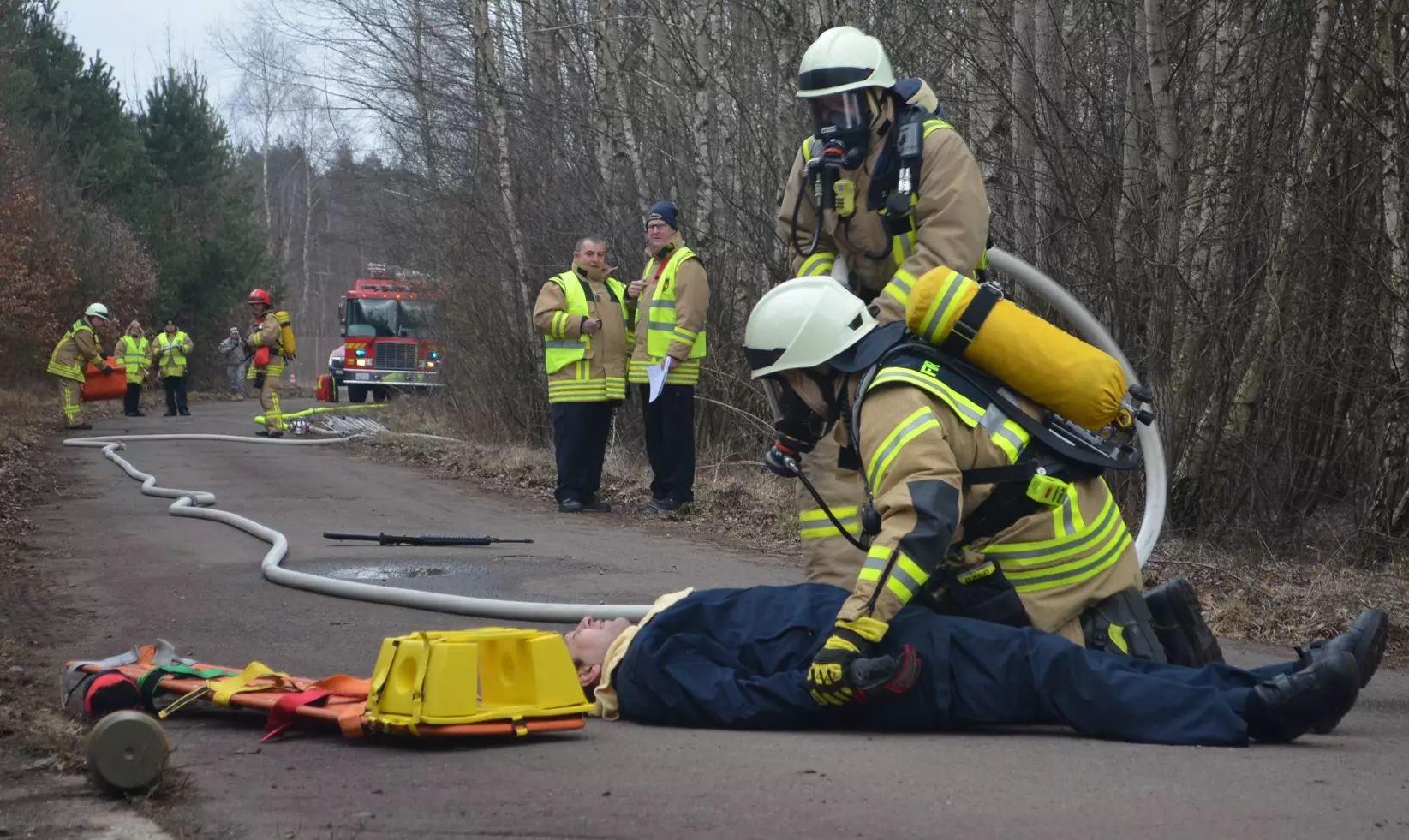
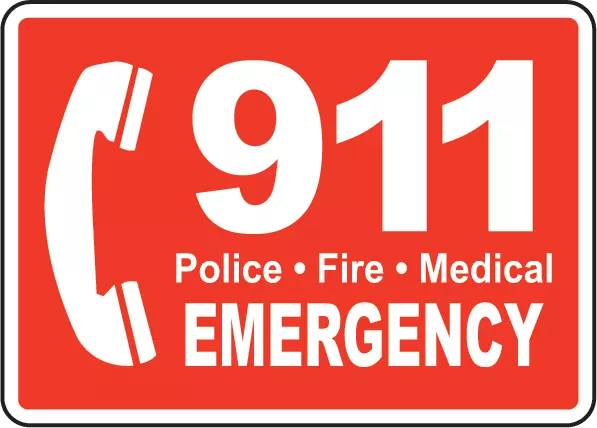
你的职责是在专业救援人员到达前提供帮助,不必期望创造奇迹。因此,拨打911、112、999或你所在国家的任何紧急电话号码必须是首要任务!不打电话就无法获得帮助。如果你知道该怎么做,不要指望别人去做,或者至少确保他们真的打了电话。倾听通话内容,确保正确提供了地址,清晰说明了受害者的情况,并且打电话的人精神稳定、思路清晰。 采取行动可能会犯错,但不采取行动肯定会更糟。在许多国家,遗弃需要帮助的人而不联系紧急服务是犯罪行为,更不用说这在道德上是令人厌恶的。如果你觉得待在原地不安全,接触到伤者或进入相关区域后,请联系紧急服务并撤离。 务必避免接触体液。建议始终佩戴手套或临时制作的手套。 【游戏内容】警察、安保人员以及消防员在其职业中比急救人员更常面临危险。但这并不意味着应该采取鲁莽的态度。派遣警察和消防员时,请记住,集体行动可以相对提高安全性。发生大型火灾时,应同时派遣多辆车辆,以在灭火时达到最大效果,同时将损失和伤亡降至最低。警方干预也是如此,配备更好装备的人员同时抵达可以更高效地制服多名持械嫌疑人。 拨打紧急服务电话 基本原则 首先你需要知道,紧急电话号码因国家而异。911、999和112是最常见的号码。
Note that not all countries have the possibility of tracing a caller's location like we see in-game and when they do it isn't always reliable. Always begin by indicating the precise address of the emergency. Let's now look at a list of the information you should have ready and the order it should be passed in: Full address (example: city, street, street number, floor, apartment) Sex Age Brief summary of the situation Status of the patient What you have done already Example call Good morning! I'm calling from London, Liberty Street, number 56, second floor apartment 10. I have with me a 6 year old boy who lost consciousness a minute ago and is seized for a few seconds for the first time in his life, he has had high fever for two days. I should add that he is breathing. My wife has taken off some of his clothes and is currently placing wet towels over his head, between arms and legs as too cool him down Unconscious person - breathing and not breathing Whenever a person's state of consciousness is affected we must assume there might be a life threatening mechanism at work and proceed accordingly while eliminating conditions from most serious to most benign. Possible causes Stroke Acute myocardial infarction Seizure Blunt trauma to the head Syncope - benign causes from low blood sugar to neurocardiogenic vasovagal syncope (neurological causes) Alcoholic intoxication or other substances How to approach this person - adult patients only Is the scene safe for me? Is the scene safe for the victim? Should I drag them somewhere safer? Are they conscious? Let's find out by shouting the person's name and tapping their shoulders. No response = unconscious (do not contact emergency services yet). Response = conscious (contact emergency services now and report the situation). If possible, in either case, get someone there to help you; Let's position the airway by placing a hand in their forehead and another in the chin and moving the head carefully backwards; Are they breathing? Position your head over theirs, listen for breath sounds, try to feel the air on your face and look at their chest and stomach for respiratory movements. Not breathing = cardio-respiratory arrest (contact emergency services ASAP and prepare for CPR). CPR - 30 compressions / 2 mouth to mouth breaths (optional). Apply compressions to the center of the thorax roughly halfway through the sternum. Mouth to mouth breathing should be provided only if you have adequate protection mask or you are confident that the person, being known to you, isn't a carrier of a contagious disease; Continue if you hear ribs breaking, if relatives or bystanders tell you to stop. Cease if person regains spontaneous breathing, if EMS arrives and orders you to stop, cease if DNR order is presented (call emergency services again to inform and transfer responsibility), if the scene is no longer safe, if you are absolutely exhausted and under no circumstance are able to maintain CPR; Do not start CPR at all if person is decapitated, severed across the chest, in decomposition or carbonized; GAME ONLY So you are given a call where you know a person is unconscious. The same line of reasoning should be used for triage: Get an address; Try to find out whether they really unconscious (presume they are); Try to find out if they are breathing; Brething? NO - Instruct CPR YES - Attempt to determine cause CPR video Follow this link to see a simple CPR tutorial. This video was not made by me or do I have any relation, financial or otherwise, to the authors. Common medical emergencies == work in progress == Dyspnea If not the most common, dyspnea is one of the most frequent causes of ambulance calls. Dyspnea means difficulty breathing. Many causes may arise but, not infrequently, they will be concerning: oxygen is an extremely important and vital substance without which we can't survive for long. Common underlying conditions could include but are not limited to: - Respiratory tract infection such as pneumonia; - COPD exacerbation; - Rib fracture with mobile rib fragment; - Anxiety/panic attack; - Asthma exacerbation; - Myocardial ischemia; - Physical exercise; - Pleural effusion; - ARDS; - etc The intervention will widely vary from cause to cause and even between patients with the same pathology. There are, however, several principles we may always apply: - Guarantee access to medication and portable oxygen delivery systems when already available to the patient by previous prescription; - If external agents are at work, they must be removed or the patient taken away from them: allergens (asthma/COPD with smoke, allergens,...) , fights, former lovers, crowds, small rooms, ... (anxiety); - Assure the best conditions for breathing by sitting the patient up, not allowing them to lie down; Chest pain Although most calls with complaints of chest pain correspond to non life threatening situations like panic attacks, a chest pain should never be taken lightly. Here are some of the potential deadly causes: Acute myocardial infarction Pneumothorax Pneumonia Pulmonary embolism Several other possible causes Glycose changes Hypoglycemia - weakness, loss of consciousness, aggressive behavior, hunger, sweaty skin, shivers, tachycardia, other atypical symptoms. !! Always check for signs that insulin was administered !! Hyperglycemia - fruity smell, blurry vision, dry mouth, weakness, constant need to urinate, ketoacidosis might ensue etOH Alcohol, another very common cause of (mostly unnecessary) emergencies. In Europe, unlike in many parts of the USA, drinking alcohol in public or being publicly intoxicated is not illegal. Portugal in particular has simultaneously the highest rate of people who do not drink at all and the highest rate of alcoholic problems. The government is progressively taxing alcohol harder and harder and raising drinking age as to fight the worst part of the statistic. When facing an intoxicated person we should consider a couple of easy questions and we can deal with all but the most extreme situations: 1. Being intoxicated does not make you immune to other conditions: the person might be drunk and still complain about other things without having them dismissed over simply being drunk; 2. Are they with friends? Maybe they just need to go home and get some sleep, only call emergency medical services if the person is in immediate risk and needs proportional hospital care; 3. Do they have any relevant medical history? 4. Are they injured? Alcohol = lack of motor coordination + lack of balance = falling = getting injured; 5. When in doubt CALL 911 and ask for instructions/advisement; MI Stroke Seizure Wounds and burns ==work in progress== DefinitionsIf we dive deeper into the subject of trauma, two obvious subjects come along - wounds and burns. Let's take a quick, closer look at them and learn what we should do and what we should never do. Open wound - An interruption in skin continuity caused by a traumatic event. Do not mistake for an ulcer, for example, where there is a pathological (not traumatic) process involved. Closed wound - A "wound" caused by an impact where tissues are damaged without rupture. Extra videos Driver's reaction to ambulance in Portugal Drunken sailor fell escaped harbor and fell into river (yes really) Glossary A AED - "An automated external defibrillator (AED) is a portable electronic device that automatically diagnoses the life-threatening cardiac arrhythmias of ventricular fibrillation and ventricular tachycardia in a patient, and is able to treat them through defibrillation, the application of electrical therapy which stops the arrhythmia, allowing the heart to reestablish an effective rhythm." - in Wikipedia; ASAP - As Soon As Possible;B C CPR - Cardio-Pulmonary Resuscitation;D DNR - Do Not Resuscitate - a declaration sign by the patient where they declare that they do not wish to receive assistance in case of cardio-respiratory arrest;E F G glycemia - blood (-emia) sugar (glyc-), the amount of sugar in your blood, easily measured even by patient's own hand in a home setting;H Hyper and hypo glycemia - check glycemia;I Imminent danger - present, actual danger where someone or something may be (further) injured/damaged/worsened. Example: a person who just had a heart attack is in imminent danger because the condition will worsen without treatment;J K L M N O P Perspiration - same as sweating or diaphoresis. Loss of water through pores in the skin as a means of decreasing body temperature through evaporation; Q R S Seizure - popularly known as a fit. A seizure is an acute neurological event with its presentation varying from a simple jerk to a generalized grand mal event commonly associated with high fever, epilepsy, ...; Shock - A life threatening medical condition consisting of an imbalance between the body's need for oxygen and the amount that actually is supplied. Examples would be hypovolemic shock (lack of circulating volume of liquids caused by diarrhea, bleeding, lack of water intake, excessive perspiration,...), anaphylactic shock (where the body creates an exaggerated allergic response to a certain stimulus), septic shock (severe infection eventually culminating in multiple organ failure), etc; Spinal injury - damage to the spinal cord causing nerve conduction damage, possibly even paralyzing a person and compromising sensation and motor capacity; Sternum - a bone (actually three bones) in the center of the thorax where the ribs fuse; Stroke - either the obstruction or rupture of a blood vessel in the brain. Life-threatening situation; Syncope - sudden, passing, loss of consciousness. Also, known as fainting, fainting spell, passing out, etc;T Thorax - also known as chest; Trauma - Damage to one's body via an external force. Example: punch, car accident, fall, gunshot wound, stab,...;U V W X Y Z