
 换一换
换一换 


刚开始玩这款游戏时,我对战斗开始后该做什么感到很困惑。如果当时能有一份基础战术与战略指南,我肯定会受益匪浅,但并没有这样的指南,所以……“只能自己摸索了”。 希望这能帮助一些加入这个小社区的新玩家。 单位 我认为最好从不同类型的单位开始讲起。有些单位介于不同类别之间,但大多数情况下,我会根据它们在战斗中的常见角色进行分类。 a.) 战斗载具——专门用于与其他载具或步兵作战的载具,包括坦克、装甲车、自行火炮、自行高射炮、飞行器、喷火坦克和坦克歼击车。 b.b. 通用/运输载具——主要用于运输物资或装备的载具,部分可能配备自卫武器,包括运输卡车、燃料卡车、工程卡车、补给卡车、半履带车、侦察车及普通卡车。 c. 非机动战斗单位——通常无装甲或仅轻度装甲,但配备强大(通常为远程)武器的战斗单位,包括固定机枪、火炮、反坦克炮及迫击炮。 d. 通用单位/特殊单位——非机动的非战斗单位,通常仅具备单一特殊功能,例如弹药箱。 e.) 步兵单位 - [通常而言] 非机动化的士兵单位,装备有小口径步枪、手枪、冲锋枪、机枪、狙击步枪,或[在少数情况下]便携式反坦克武器。分为多种专业角色子类别,但总体而言,它们主要用于对抗其他步兵。 我想这些已经涵盖了所有内容。现在,让我们来了解它们的用途。 单位角色:战斗载具
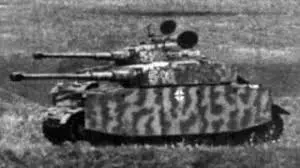
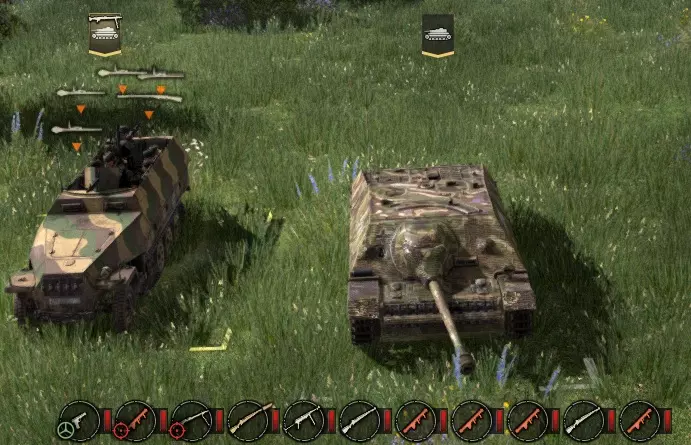
战斗载具战术: 这些载具应作为你战斗的核心。它们的武器能让步兵几乎毫无还手之力,其装甲也使它们除了面对专门的反载具武器外几乎坚不可摧。不过,它们在某些情况下也十分脆弱:一枚燃烧瓶就可能让载具起火,一名手持反坦克步枪的步兵就能将其瘫痪,而驶入雷区也始终是一大危险。因此,在多数情况下,载具应部署在比步兵更靠后的位置,因为尽管它们的武器射程远得多,但视野范围却不如步兵。引用自某德国装甲兵军官训练手册: 在与步兵或装甲步兵的联合作战中,必须确保各兵种紧密协同;唯有如此,他们才能相互支援并取得胜利。两者中谁为主导是次要问题;关键在于必须清楚敌人的意图是将他们分割开来,而你必须在任何情况下都阻止这种情况发生。你们的战斗口号必须是“保护步兵!”,而步兵的战斗口号则是“保护坦克!” 步兵应当跟随坦克行动的一种情况是,当你**必须穿越开阔地带**时。在这种情况下,你的装甲车辆必须不惜一切代价使用武器消灭所有掩护该开阔地带的敌方阵地。不过,他们应该立即寻找掩护,因为有限的视野可能导致他们遗漏了一些敌军部队。与步兵穿越开阔地带时,哪怕一挺机枪就能对他们造成的巨大破坏相比,你的车辆所遭受的任何损失都是值得的。一些车辆或武器可以发射烟雾弹来掩护部队穿越开阔地带,但这远不如先消灭敌人来得有效。 在任何地形推进时,你必须将每一步行动都规划为从掩护点A到掩护点B的简单机动。一辆径直冲向目标的坦克,迟早会在开阔地带被击中并摧毁。时刻留意潜在的敌方反坦克阵地和火力范围,对于预判敌方任何据点至关重要。 在与其他载具交战时,要么**完全停在掩体后方**,退回掩体进行装填;要么**全速前进并使用所有武器开火**。同一份手册中引用作者的话:“进攻时要尽可能快地行驶。低速行驶时,你的视野和射击能力仅比高速时略好一点,但被击中的可能性却大大增加。对于坦克而言,应该只有两种速度:停止(用于开火!)和全速前进。移动中发射的弹药都是浪费。这是坦克作战的基本原则!”
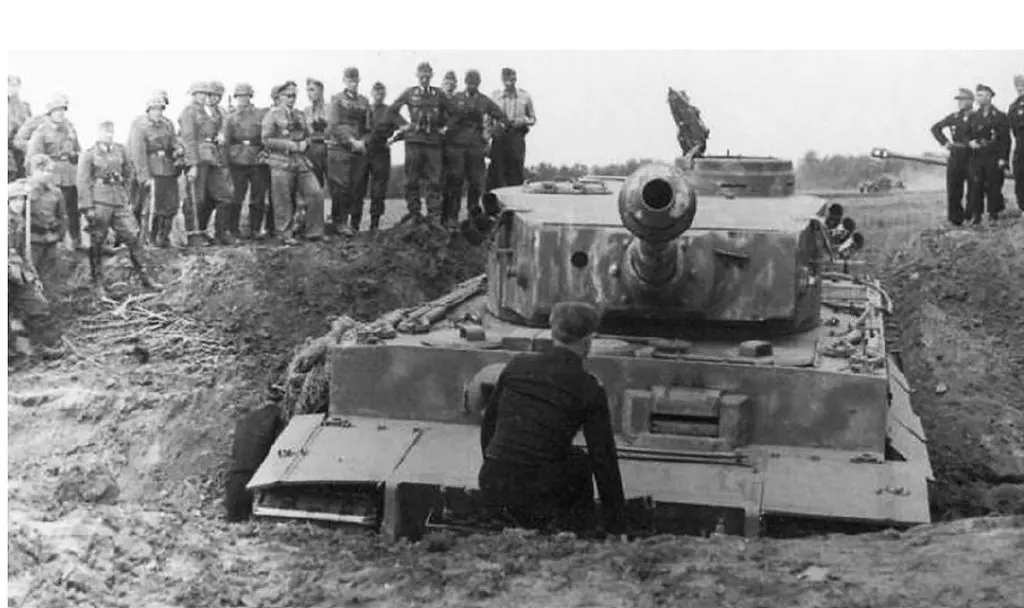
在防御阵地上,坦克必须位于掩体后方或掩体内。无论是房屋、小山坡还是围栏,你**必须学会区分掩护和隐蔽**。处于隐蔽状态但未在掩护后的坦克,一旦开火或被发现就会立即变得脆弱;而处于“卖头”(hull-down)位置的坦克则可以安全开火,因为此时只有炮塔会暴露在外。 单位角色:多功能/运输载具 多功能及运输载具:
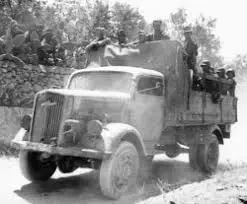
一支仅由步兵和坦克组成的部队,要么会过度扩张,要么会耗尽补给。它必须具备某种形式的补给支援和/或机动方式。 《战争召唤:地狱之门 - 东线》是一款独特的游戏,拥有种类繁多的载具,能够满足军队的各种需求。但这些载具必须得到正确使用。 后勤与运输载具的一般分类: a.) 纯粹运输型 - 卡车、轿车和半履带车,无装甲且无武装。步兵运载能力强,通常可以拖拽反坦克炮或火炮。 这些载具应仅作为后方单位使用;只有在**极端情况下**才能用作攻击单位,因为一枚反坦克炮弹或手榴弹就可能消灭整支乘车小队。然而,它们在将步兵和火炮等行动迟缓的单位在战斗开始时快速运送至指定位置方面发挥着不可或缺的作用——对于任何希望迅速夺取目标的指挥官而言,这都是一项必不可少的任务。如果想要实施机动 warfare,通常每个步兵单位配备一种摩托化运输工具是个不错的主意。 b.) 战斗运输 -
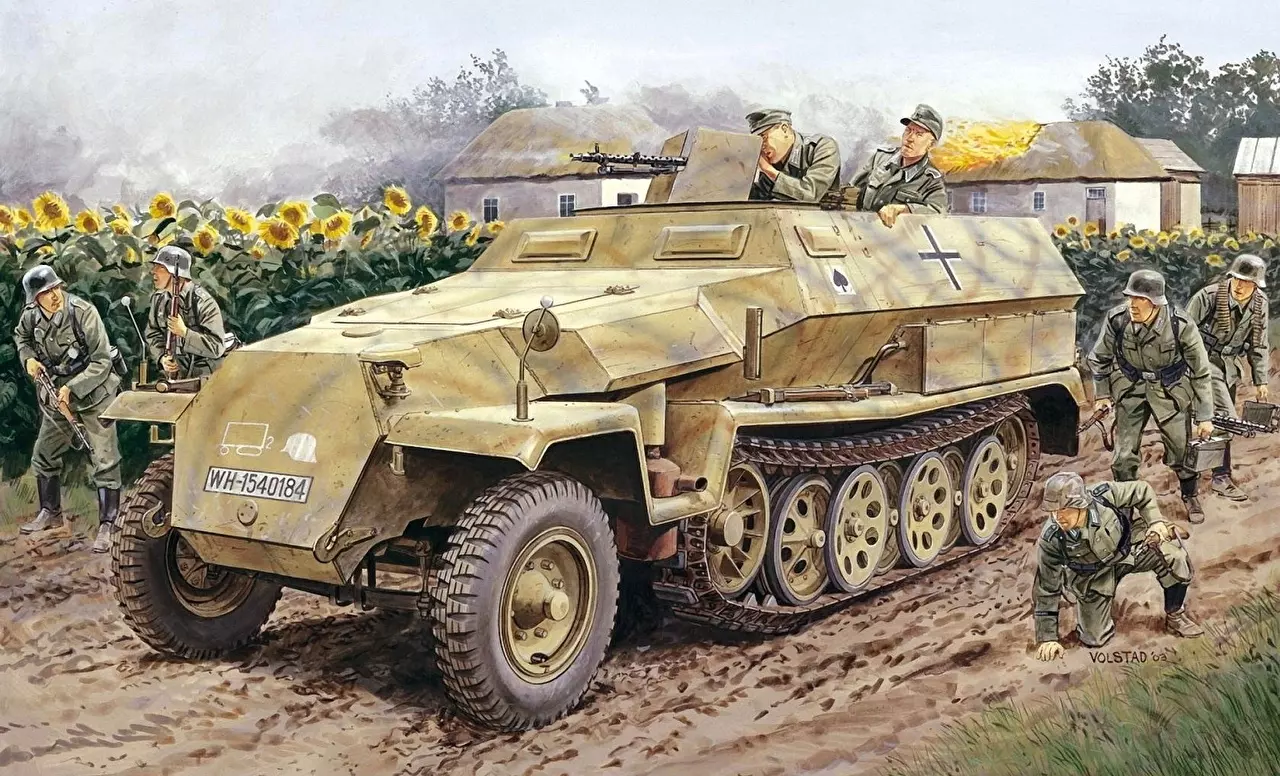
通常指装甲单位[通常为半履带车],配备可用于进攻的武器,也能牵引火炮。与无装甲运输单位相比,它们可作为更具攻击性的运输工具;此外,其武器使其能够执行偶尔的独立出击任务。不过,绝不能认为它们是无敌的;开放式顶部和相较于坦克更轻的装甲使它们仅能抵御轻武器火力。但在将步兵运送过开阔地带至掩护处时,它们尤为有用。 b.) 补给/通用/其他 -
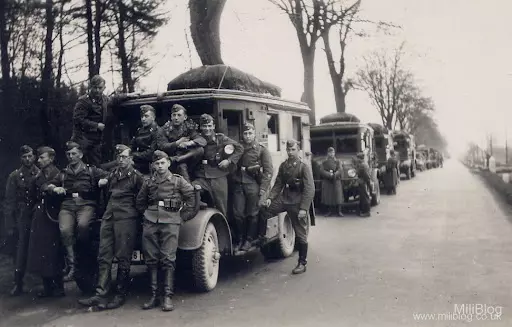
通常,卡车用于运输物资/装备以支援前线作战。由于其[通常]装载的易爆货物,这类卡车尤其危险。但任何战争行动都需要消耗汽油和子弹,而燃料卡车和补给卡车分别用于解决这些问题。务必确保它们远离前线战斗。一个例外是工程卡车,它配备两名工程师,可挖掘战壕、建造障碍物和布设地雷。仅在上述三种情况下将该卡车调往前线,且只能在战斗间隙进行,并务必在事后将其撤回安全地点。 单位角色:非机动战斗单位 非机动战斗单位 这些单位主要分为三类: a.) 火炮
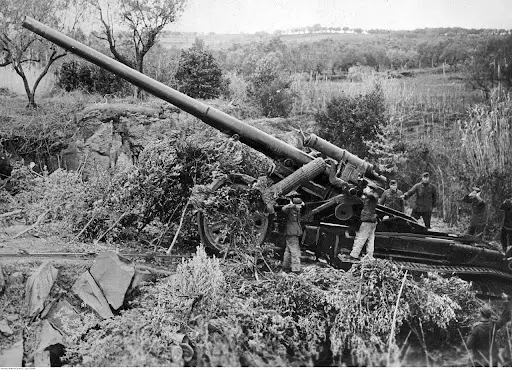
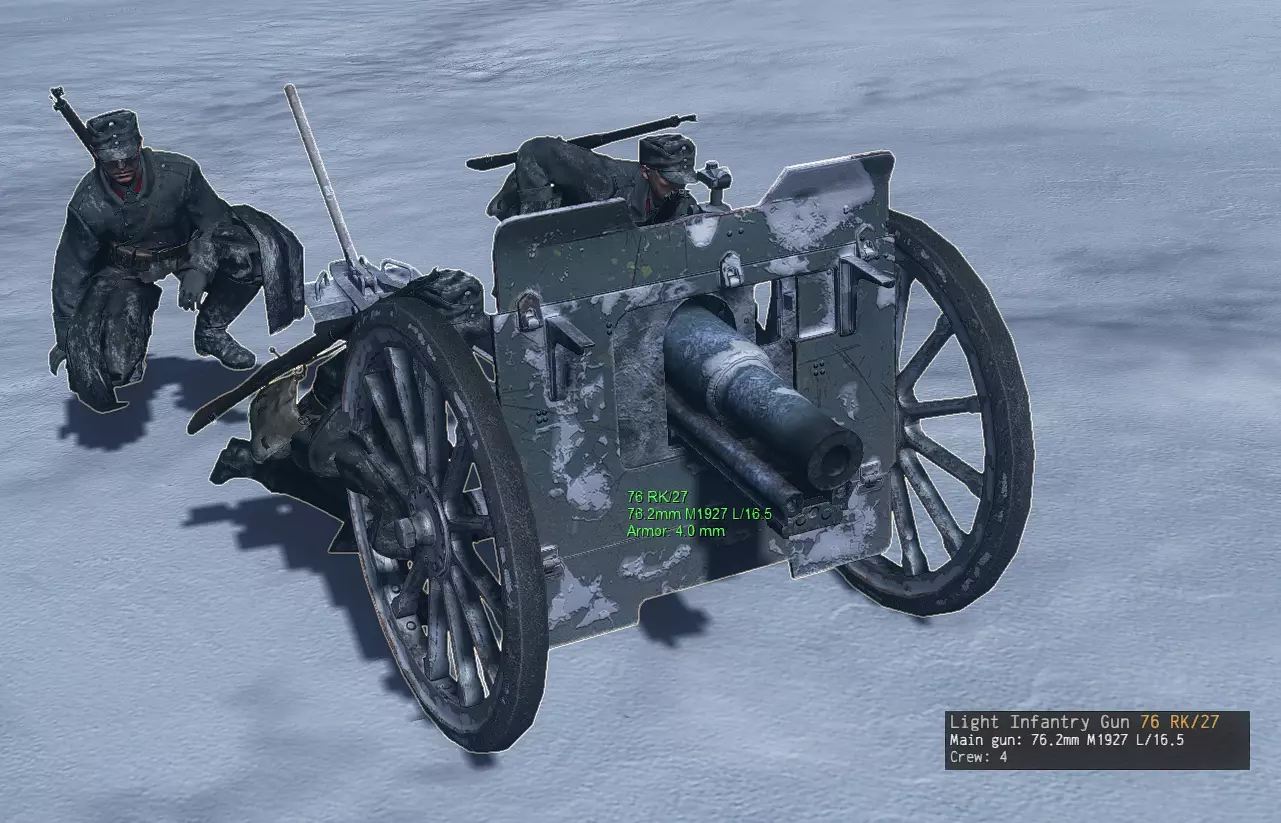
这些威力巨大的武器能从超远射程造成惊人的伤害。它们通常装甲薄弱且装填时间漫长,因此不太适合前线作战,但也有少数例外,比如步兵炮(可人力搬运的小型火炮,不过射程较短)。火炮实际上是非常专业化的武器,在轰击敌方阵地或在主力部队进攻前对某一区域进行火力覆盖时极为有效,但不太适合直接攻击单个敌方单位。它们最适合部署在远离实际战场的后方,或者至少要构筑坚固的工事,以避免受到敌方火力的损伤。注意,除非遇到紧急情况,否则只能向远离友军单位的目标开火,因为炮弹偶尔会发生偏差并击中己方部队,造成惨重伤亡。 b.) 反坦克炮
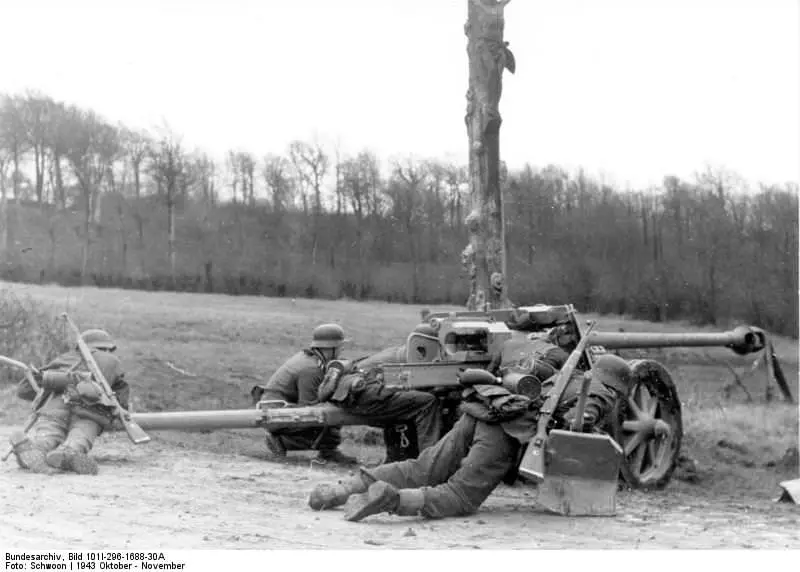
反坦克炮的诞生源于德国人在索姆河战役中遭遇了英国的Mk.1“陆舰”坦克。当时,唯一能够阻止这些横冲直撞的钢铁巨兽的,是德军的7.7厘米野战炮。自此,世界吸取了教训:需要专门的中口径火炮来对抗坦克。 在《地狱之门:东线》中,苏联的反坦克炮采用低姿态设计,需4人操作,可一击摧毁敌方坦克,也能向步兵发射高爆弹。它们最适合作为防御武器使用,但由于可以快速部署到位,因此也能伴随进攻行动,并抵御敌方的反击。由于反坦克炮拥有相对较远的射程,因此可以将其部署在掩体中,与可能遭受攻击的区域保持一定距离,只要能确保良好的射界即可。这意味着,例如,可以将其部署在掩体中,炮口指向开阔地带。这片区域就是该火炮的**杀伤区**;任何坦克都很难击中它们,而要避免被摧毁则更加困难。 当遭遇敌方反坦克炮时,你必须使用某种部队对其进行侧翼包抄。任何部队都能消灭反坦克炮的 crew(乘员),如果可能的话,还可以缴获该火炮,但几乎没有任何部队能够穿越其杀伤区而不遭受严重伤亡。 c.) 步兵便携火炮
便携式机枪和迫击炮的出现,为指挥官提供了更为广泛的战术选择。机枪可以在某一时刻提供掩护火力,下一时刻又能构筑阵地抵御反击;迫击炮可以在远处摧毁一个棘手的散兵坑,随后又能被部署到那个散兵坑中。在《地狱之门:东线》中,三脚架上的固定机枪比手持机枪精准得多。它们应随攻击部队一同行动,作为抵御反击的工具,因为其机动性较差。
另一方面,迫击炮不需要直接的火力线,可以越过障碍物进行射击。你应该始终让它们与敌人保持至少一座小山的距离。在防御中,这两种武器都是无价的工具,尤其是当你面对成群的步兵时。如果步兵聚集得足够紧密,迫击炮可以消灭大量敌人;即使某个目标已被占领,迫击炮也能将其清扫干净,因此要将迫击炮集中编成一个炮组,以集中火力。 单位角色:步兵
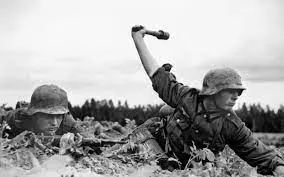
Infantry in Gates of Hell: Ostfront may be fragile, they may be weak and they may be incapable of dealing with a peasant with a pitchfork, but they are the only units that can capture objectives with any speed. Also, due to a near-instant traverse rate, they are superb at protecting tanks from marauding enemy anti-tank infantry. Their view range is also very handy for scouting ahead of tanks for enemy AT positions and then quickly withdrawing. Infantry are best used in a very conservative manner; aggressive assaults or advances must be backed up by either a thorough artillery bombardment beforehand or proficient armor support. If they are not supported at all, they suffer heavy casualties, especially if maneuvered incorrectly. They are actually best used as an early-game defense, where they are hard to root out of trenches and can easily wipe out low-level enemy infantry. Late-game, due to the increasing effectiveness of machine guns and tanks, they must be shepherded to an objective either in halftracks or behind tanks. Thankfully, at no point in the game do they become entirely irrelevant, as a single infantryman with a Molotov cocktail can still eliminate any tank in the game with proper sneakiness, and most enemies will still be other infantry. Types of Infantry RiflemenYour basic, run-of-the-mill default troops. Usually armed with a Kar98K and a grenade or two. Amazing at defense against infantry, due to the high single-shot damage of bolt action rifles, but are nigh helpless at close range. Plenty of free inventory space to pick up other weapons, though. Machine Gunners / Ammo BearersThe last word in anti-infantry warfare. MG gunners can lay down brutal, unrelenting fields of fire and render a piece of open ground into a graveyard. Ammo bearers are riflemen who carry additional ammunition for the gunner, and so should stay close to them. MedicsOstfront has a 'downed' mechanic like many other games, and, like in those others, only specific persons can 'revive' these casualties. The medic carries a ridiculous amount of bandages, which he can drop on the ground for other troops to pick up, and carries a pistol, which is a respectable weapon at close range. If you drop a few bandages, they can pick up a rifle, too. Anti-Tank InfantryThe medium ground between anti-tank guns and infantry. Basic units carry large-calibre rifles which can damage lighter vehicles and disable heavier ones from considerable range, and which are very cheap. Later-war troops carry rocket launchers, anti-tank grenades, shaped charges, and the like, all of which require getting closer than usual to an enemy tank. Officers A unit with a unique ability, the officer is only a single man, but this one man comes with a pair of binoculars that can spot enemy units in trenches or in concealment, finely control friendly units, and issue orders to attack ground instead of simply moving to it. Submachine Gunners / Assault Rifle InfantryBridging the gap between machine guns and bolt-action rifles, the submachine gunner is very useful on the offense, as with large magazine capacity he can sweep a space clear of enemies without having to reload. FlamethrowersThe ultimate in room-clearing and short range combat, the flamethrower has very short range but can light enemies ablaze, regardless of whether or not they are armored. Being lit afire by a flamethrower does devastating damage to infantry, biting away most of their health in a few seconds, and the flamethrower almost never has to reload. EngineersWith a trench pickaxe and deep pockets carrying many defensive structures, the engineer can block roads, mine fields, set up barbed wire to trap infantry, dig trenches and foxholes, and generally be extremely helpful to any defensive action. They should be kept more in reserve, as their construction talents are far more helpful than having an extra rifle or two. Reconnaissance / Snipers / Special ForcesThese units are all highly trained, well disciplined troops which are extremely proficient at their given tasks. Snipers can instantly kill enemy infantry with a headshot. Reconnaissance units have very low spotting range (making it easier to sneak around) and yet can spot enemies for miles away, "making sneaky flanking maneuvers impossible". (Chaos Marine) Finally, special forces / commando units have advanced late-war weaponry such as the Stg-44, firearms with silencers (allowing for stealth kills) and large amounts of explosives. Tactics: Blitzkrieg / Combined Arms Warfare The mainstay doctrine of the First World War was thus; "First, following a preliminary artillery bombardment, the infantry advance towards an objective, consolidating each move with a dug-in position in case of counterattack. Second, once they are either halted or reach their objective, they stop and wait for the artillery to be drawn up by the army's horses. Only once the artillery is repositioned and ready to provide the initial bombardment can the next assault begin." Can you spot the biggest problems with this doctrine? Take a few seconds... The biggest issue is the fact that infantry are slow. Artillery, too, is even slower. So, not only can the infantry not cover much ground, but as soon as they are stopped, for example by a single machine gun which the artillery missed, they are on their own; for they are out of range of their artillery. They can then be easily dislodged with a counterattack. But even if they do manage to reach their objective, what then? They must wait for their artillery to be brought up to advance again, making each attack incapable of following through with a victorious charge. What are some solutions for this? The tank provides the answer to machine guns, and if the infantry manages to break through they can exploit the breach and wreak havoc behind the enemy's lines. The infantry is still slow to maneuver, however, and very vulnerable on their own when they advance. The armored personnel carrier solves this problem, by not only motorizing the infantry and the artillery (which can be towed), but making each advance across open ground a decidedly safer affair. With the advent of the aircraft, the artillery's role in battle fell back to a position of less than great importance, given the airplane's far superior mobility. But, one last question remains - how do these forces work in tandem to maximize the effect of a successful attack? Military minds such as J.F.C. Fuller and Heinz Guderian have provided an answer, in the form of mechanized warfare. This will be the finest arrow in your quiver, the strongest weapon in your arsenal, when doing battle against the enemy. However, its success or failure depends upon sterling cooperation between the four aforementioned branches. Blitzkrieg, specifically, relies upon three things: Reconnaissance, speed, and follow-through.
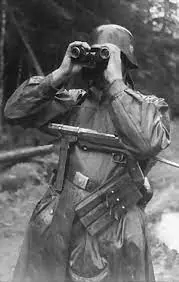
第一种方法很简单,在调动部队前先大致观察一下战场,尤其要留意那些能帮助你在不暴露于敌人火力的情况下推进的地形特征。这些特征可能包括河床、遮蔽物、向两侧延伸的丘陵、山谷或小村庄。在侧翼包抄敌人阵地时,这些地形尤为有效,因为敌人的重武器(反坦克炮、重机枪等)通常瞄准的是他们预计你会通过的开阔地带。 正如上述军官训练手册中所述:“发起任何攻击前,都要熟悉地形。利用其他部队或地图提供的信息,并将这些信息与下属指挥官共享。”对地形的准确了解和正确判断将是决定胜负的关键因素。
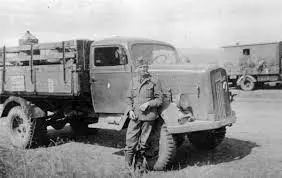
第二项任务可以通过将机动单位合理分配给步兵单位轻松完成。根据经验法则,每1个步兵班及其配备的1门火炮,应搭配1辆卡车、坦克或半履带车。这意味着你的整个部队能够极其轻松地在战场上移动,仅用徒步部队所需时间的一小部分就能穿越长距离。这种移动自由在《地狱之门:东线》中尤为关键,因为大多数战斗的胜负取决于某一方夺取特定数量阵地的速度。最后一步就是在完成主要侧翼行动或突破后,肃清敌人的残余抵抗;装甲部队在这方面尤为高效,因为它们具备高机动性(使其能够追击撤退的敌人)、装甲防护(可防止敌人零星抵抗对友军造成重大伤害),以及多种武器(可摧毁敌人的大多数重要目标)。“后续追击”至关重要,因为如果不尽可能追击敌人,他们就会重新构筑阵地,继续抵抗你的进攻。而有了装甲部队的持续追击,敌人将无处喘息。 总结如下:
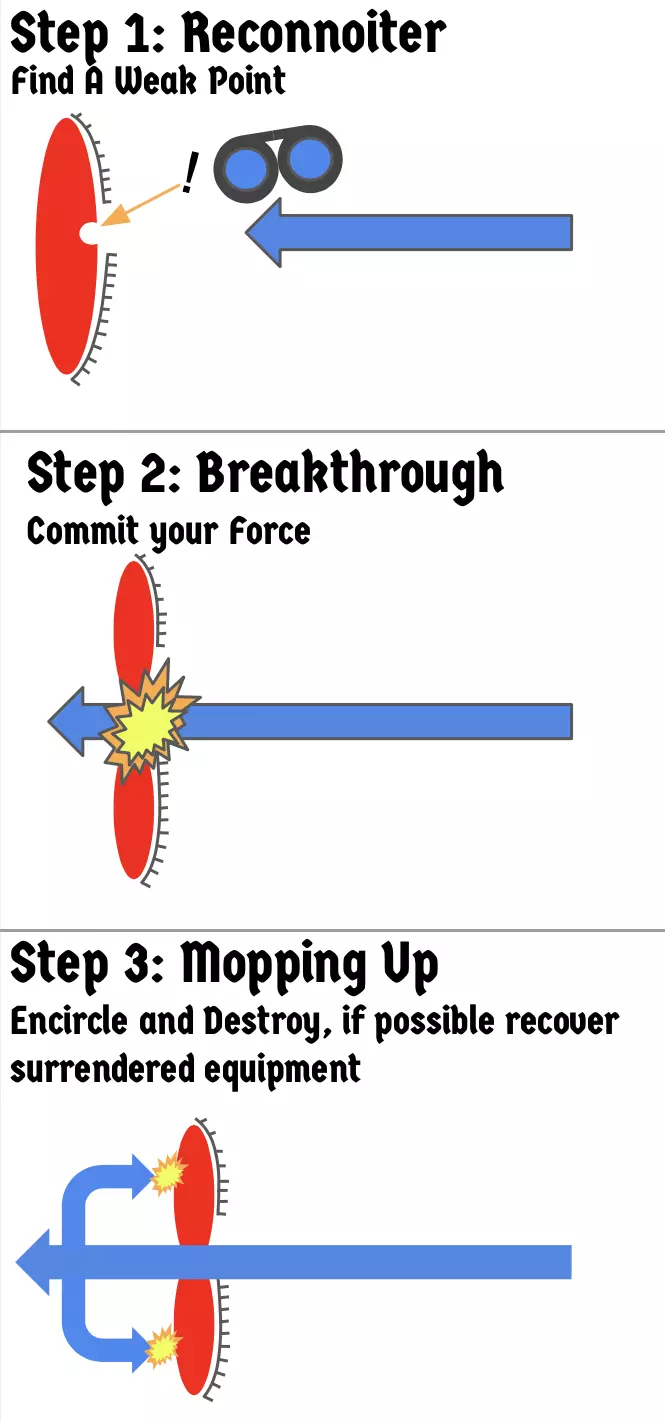
只要遵循这些简单的规则,闪电战就能成为你作战的指导原则。但整个作战理论依赖于坦克、步兵、炮兵和/或飞机的协同作战,而有时你可能只有其中两种部队的组合,甚至只有单一类型的部队。战争向来无法预测,并非每次进攻都能动用一整支军队的兵力。 战术:步兵进攻
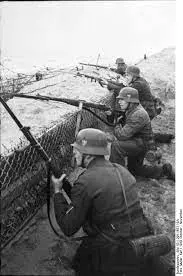
这种情况——在现代战争中你只能依靠步兵作战——通常是因为有人未能让步兵为坦克提供掩护。 这简直是第一次世界大战屠杀场景的重演——除非你能从那些将军的失败中吸取恰当的教训。 a.) 未合理利用掩护 昔日的士兵们在光秃秃、毫无特征的地面上行进,除了偶尔出现的弹坑外,没有任何地形起伏。这意味着敌方机枪手能够完全控制他们所在的区域。 b.) 无法进行侧翼包抄 战壕防线的全部意义就在于消除敌人实施侧翼包抄行动的可能性。在《地狱之门:东线战场》中,幸运的是,敌人永远没有足够的时间进行如此程度的挖掘工事。 这两个因素可以通过以下两种方式完全抵消: 1. 让步兵从一个掩体推进到另一个掩体,如果你让两个单位协同推进,可以让其中一个单位交替掩护另一个单位跃进,这样它们就能从各自的位置提供掩护火力。 2. 如果有诸如河床或一排房屋之类的地形,可以在步兵到达目标前为其提供掩护,一定要利用它!这将是决定战斗胜负的关键因素。 战术:纯坦克攻击
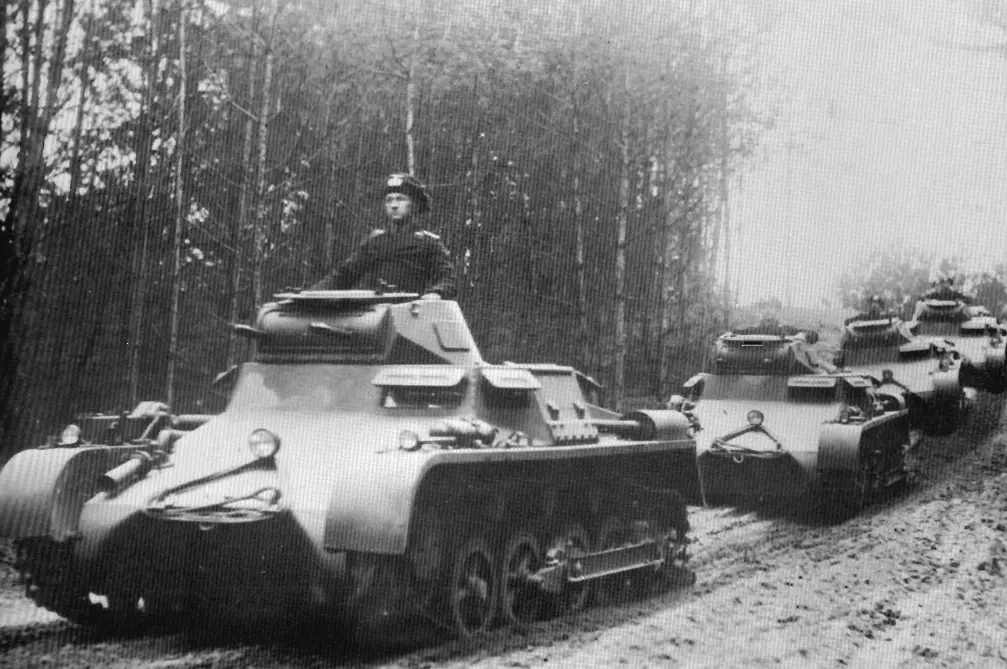
如果你犯下了可怕的错误,导致坦克伴随的步兵全部阵亡,那么最好撤退以减少损失。但在《地狱之门:东线》中,这并非选项,你必须坚持到底。 现在有两种行动方案: 方案一,我称之为“兰博”,或者更确切地说“Rämbo”,指的是投入所有装甲单位立即发起全面进攻,从各个方向发动猛烈突击,以压制敌方所有反坦克武器。你必须让所有坦克全速前进,绕过障碍物,使敌方反坦克炮难以瞄准,同时持续开火(尤其是烟雾弹),**直到将敌人全部消灭才能停止**。方案二更为谨慎:挑选你部队中速度最快的单位,无论其装甲如何,仅配备一名乘员(驾驶员),以最高速度四处疾驰,获取敌军位置信息。这能模拟但无法替代步兵的作用;徒步士兵的视野和侦察范围比透过坦克装甲观察缝进行观察的士兵更大。这将让你能够规划最明智的行动方案,并有望减少伤亡。 战术:通用技巧(含背景说明) 19. 绝不要分散你的战斗力;也就是说,不要以无法相互支援的方式部署连队的部分兵力。当你的进攻有两个目标时,你应当集中所有火力先攻击一个目标,然后再攻击另一个。这样做,你将更有把握达成两个目标,同时减少伤亡。 例如:永远不要决定(即使是在与笨拙的AI进行合作模式时)同时攻击两个地点。 26. 战斗胜利后——比如夺取桥梁或占领村庄——要保持警惕。也就是说,要为必然会到来的反击做好准备,反击可能会出现在你意想不到的地方。之后你再去收集胜利的战利品。 例如:始终构筑工事,通过微操让每个士兵都处于掩护后方并拥有良好的射界,以此让部队做好击退敌人进攻的准备。拥有一名工程师(或仅仅是持有工兵镐的士兵)会很有用,因为他们可以在原本光秃且无防御的阵地上构筑一些阵地。在防御或安保任务中,部署坦克时不仅要发挥其火力,还要能施展冲击作用。此外,仅留少量坦克处于固定射击位置,将大部分坦克作为机动预备队隐蔽待命。坦克需采取积极防御策略! 例如,坦克固然可以当作固定的小型掩体使用,但这会使其最大优势——机动性无法发挥。坦克应保持机动,因为掩体无法转向应对敌人的侧翼机动,而坦克可以。 目前我能想到的就是这些,如果你觉得有需要补充的内容,请在评论中告诉我。 祝你游戏愉快! o7