
 换一换
换一换 


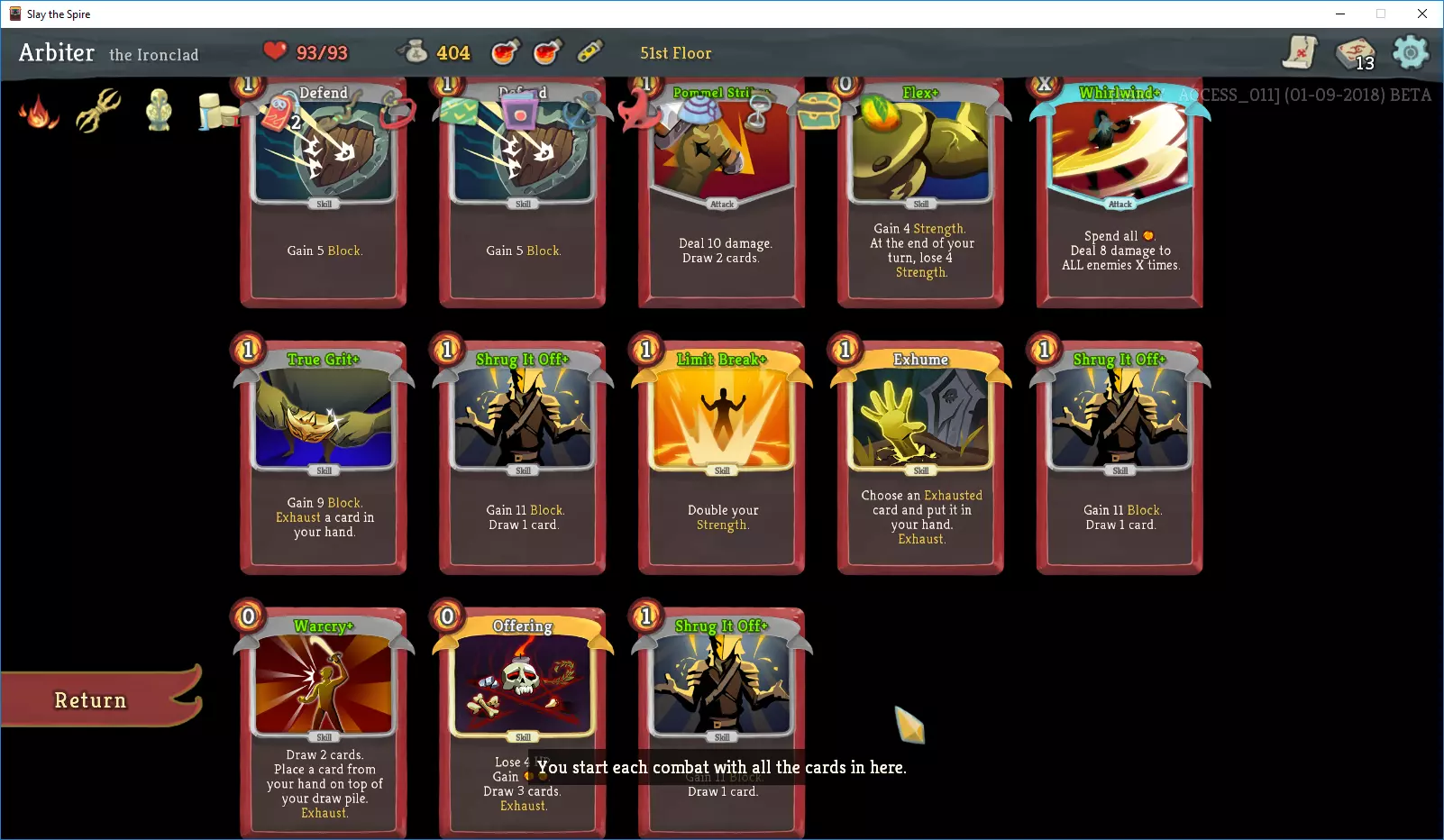
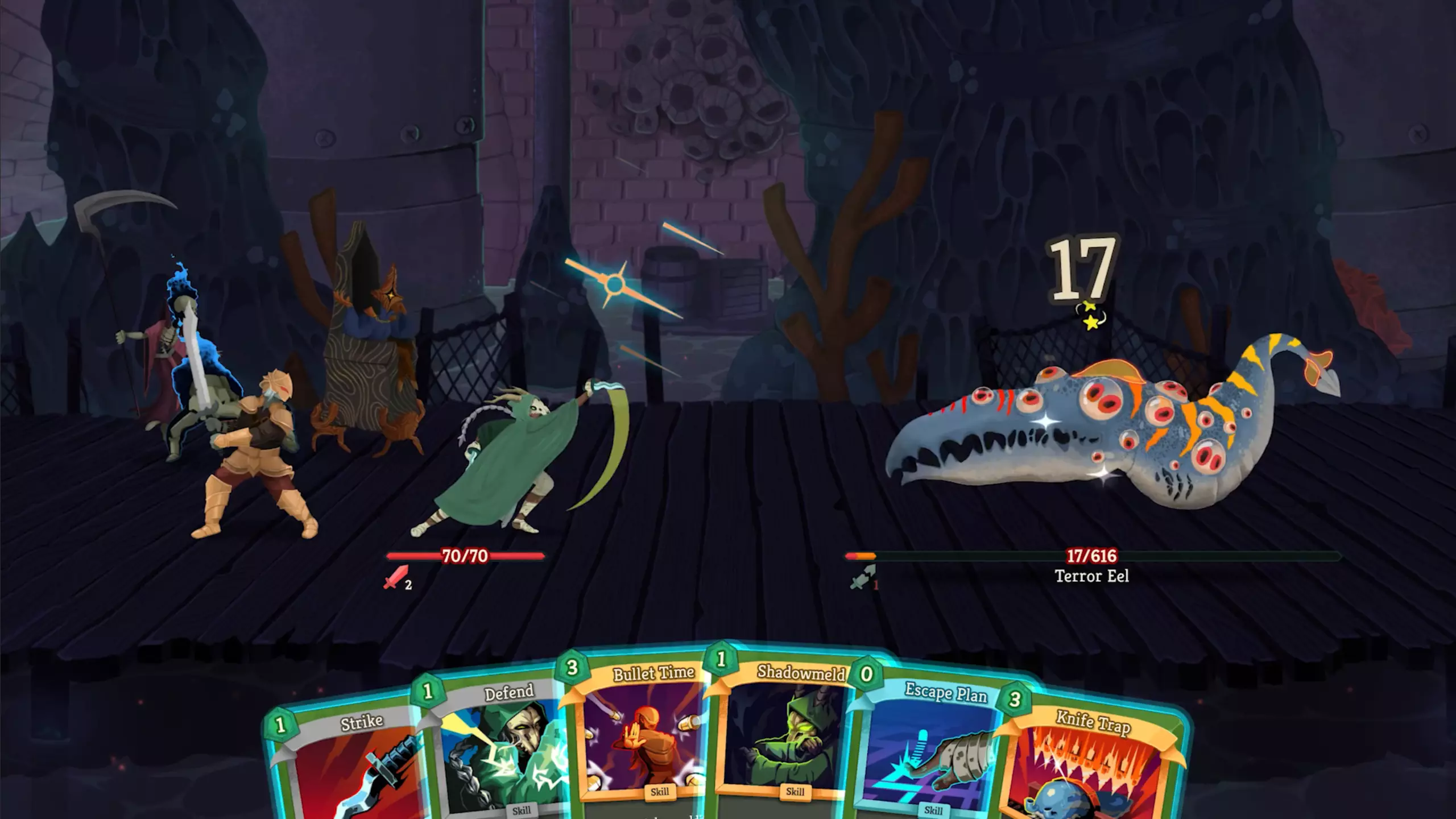
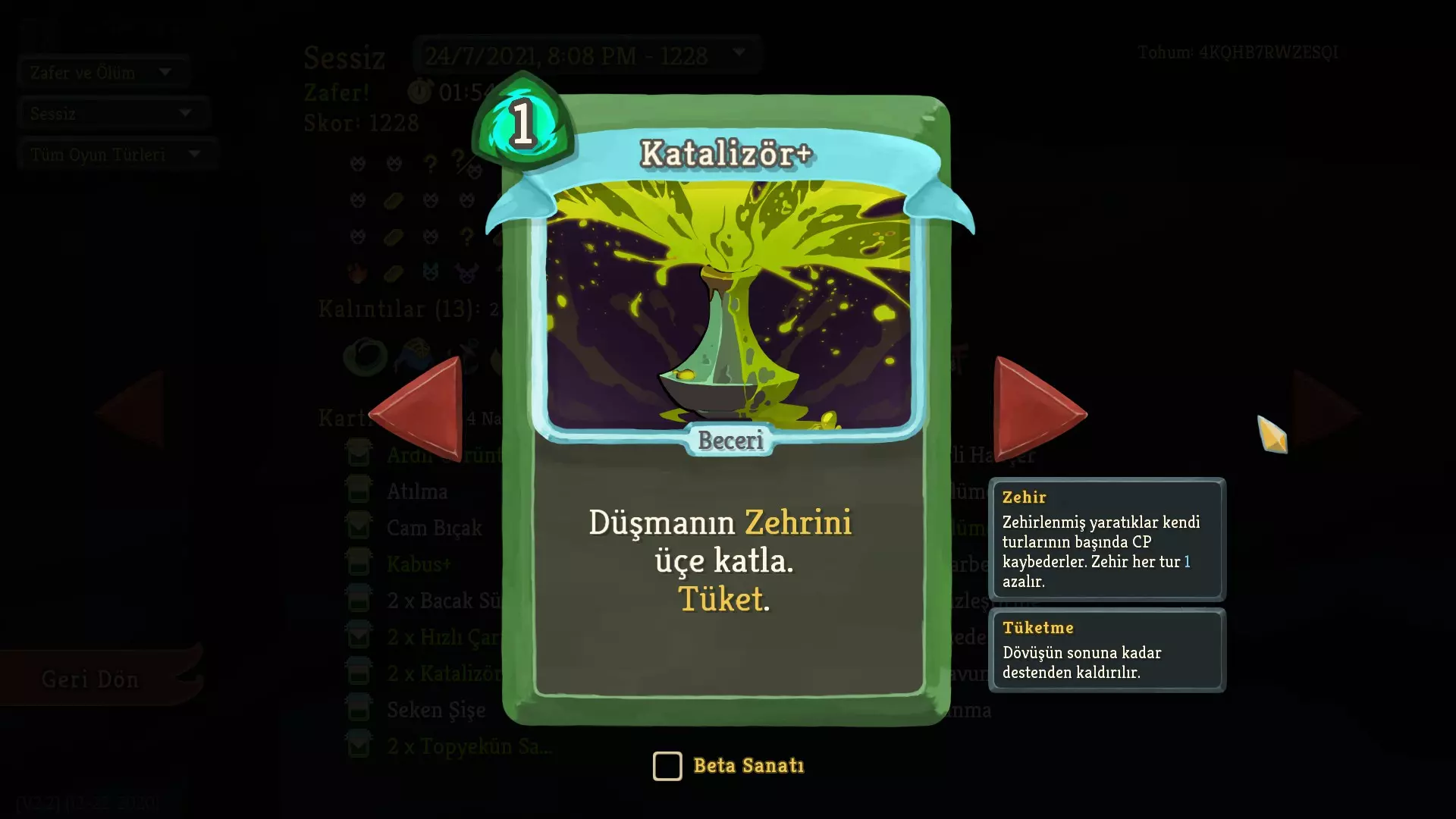
This part of the guide series deals with the basic mechanics of the game such as characters, relics, potions and more. General Background Slay the Spire is a deck-building game. Each character starts with a deck comprised of strikes, defends, and some unique cards as well as a character-specific starter relic. Each floor you ascend within the Spire will see you deal with challenges that change with every run. When you first play the game, you are restricted to Ironclad, with each subsequent character being unlocked by playing as the previous character. The Characters Ironclad's color is red. Ironclad's world is relatively binary compared to the other characters: deal damage and block damage. Ironclad treats HP as a resource, as he heals after every combat and has several cards that can either increase or decrease his HP in exchange for other effects. Ironclad also has synergy with exhausting cards, which makes removing cards not quite as necessary. Ironclad is usually much more pressed for energy than the other characters, who have more 0-energy cards and ways to acquire energy or deal damage/generate block without it. This is especially an issue with Ironclad's powers, as they're generally more expensive than the rest. Silent's color is green. Silent generally relies on shivs and/or poison, but there are runs where she may rely upon neither. She has more 0-energy cards and ways to keep her deck moving than Ironclad. Rather than exhausting cards like Ironclad, her deck is all about drawing and discarding cards. Defect's color is blue. Defect's wrinkle is his orbs. Orbs make it so no turn is a waste, as they have various effects they carry out before turns begin or after turns end along with the possibility of being evoked. Like Silent, Defect has many 0-energy cards. For Defect, the important thing is to understand what the orbs are doing and what orbs you need out. If you need block, prioritize frost orbs. If you need damage, prioritize lightning orbs. Note that dark orbs also deal damage, but only come in handy if you can evoke them, meaning you need to keep your orb generation moving to make dark orbs useful. Lastly is the best orb, plasma, which you want to safeguard if you generate it, meaning if you are to evoke it, make sure you put that energy to use. Watcher's color is purple. Watcher has stances. Wrath deals and takes double damage, Calm generates energy when you leave it, and Divinity deals triple damage and generates energy when you enter it. The generally accepted method to playing Watcher is called stance dancing, which involves changing between the Wrath and Calm stances as often as possible. In general, you do not want to end a turn in Wrath stance due to taking double damage, but it's okay to stay in this stance if the enemy isn't attacking or if you have enough block. Conversely, finishing a turn in Calm stance if you don't need the energy that turn is best as you're effectively banking energy for next turn. Watcher's deck has many retained cards, so keep the hand limit of 10 in mind, as you may sometimes need to use cards just to prevent them from limiting your card draw. Some Watcher cards also have the Scry ability, which lets you look ahead and discard upcoming cards in your draw pile. In terms of offensive to defensive, the order goes Watcher, Ironclad, Silent, then Defect. In terms of energy availability from most energy to energy starved, the order goes Watcher, Defect, Silent, then Ironclad. Deck Building For most deck-building strategies, you want your deck size as small as possible. Watcher benefits the most from a small deck. Ironclad's reliance on exhaust and Silent's reliance on draw and discard help them manage larger decks. Defect has several more nuanced cards that deal with larger decks, such as Hologram and FTL. Note that while these three characters all have ways to deal with larger decks, if you don't find their deck management cards but have been adding cards throughout the run you may find yourself in trouble. To shrink your deck, for Ironclad/Silent/Defect get rid of strikes and then defends whenever possible while for Watcher you want to do the opposite and remove defends first. If you have cards that exhaust other cards and don't have any curses to use them on, removing these isn't as critical but still good to do if you can. Also, if you find yourself with many block cards but not many attack cards, you can violate this rule and remove a Defend instead. This also means avoiding curses when you can, as they gum up your deck among their other negative effects. If you end up with a curse, it takes top removal priority, so note that it can make sense to accept a curse if the benefit is good enough and a shop is coming up. If you have reliable exhaust capabilities then it can also be okay accepting a curse. Because of this way of thinking, most colorless cards are actually a waste of gold, as they clutter your deck. Colorless cards worth considering are ones that involve card draw, cost 0 energy/invoke playing cards for 0 energy, or "Apotheosis" as their effects are good enough to ignore the trade-off. I mention Apotheosis because once it's in your deck, upgrading cards becomes much less of a priority and you can instead use campfires to rest or skip them entirely. Your card choices can also be affected by the artifacts you come across. For example if you have artifacts that limit your card plays, card draw and extra energy isn't as valuable. If you have artifacts that provide additional energy, you don't need cards that provide extra energy as much. If you have artifacts that want you to play certain cards, either in one turn or over time, those cards gain additional value. An example of this would be Orange Pellets, which tasks you with playing an attack, skill, and power in one turn to receive its effect. A trap players often fall into is planning ahead with their deck. What I mean by this is taking cards that may be useful later but currently are not. This can make it very difficult to pass Act 1 and can hurt you further if the cards you need to complete your deck don't appear. For Ironclad, an example of this is Heavy Blade, a card that is useful if you already have ways to acquire strength but sub-optimal if you have no strength. Limit Break is another example of this, where it is completely worthless without strength so it effectively acts like a dead card. Because of this, there are times where the best choice is taking none of the cards being offered. For Silent, an example would be Catalyst, as it's only useful if you have ways to apply poison. When I was new I took this when I saw it because I thought it would come in handy. I proceeded to not see any poison cards for most of the run. To expand upon this, do not start a run thinking you'll be playing a certain type of deck, like a strength deck, a poison deck, etc. There will be runs where you see zero cards for your chosen deck type, and by the time you realize it you'll have skipped too many card rewards to build a winning deck. Card and Potion Rewards The chance of seeing a rare card in the rewards increases each time combat occurs and a rare card isn't seen. Each card reward generated is affected by and affects the counter, meaning the chance of seeing a rare card increases between the first and last reward card you see after combat assuming the first and second cards aren't rare. This hidden counter resets when a rare card is seen. This hidden counter also affects shop cards, but seeing a rare card in the shop does not reset the counter. Bosses drop only rare cards. Elites are more likely then regular enemies to drop rare and uncommon cards. Upgraded cards won't drop in Act 1 (without a relic), but can drop throughout the rest of the run. The chance of seeing a potion in the rewards is set to 40% at the start of each Act. When a potion drops, the chance drops 10%. When a potion doesn't drop, the chance increases 10%. Keep this in mind: if you haven't had a potion drop in a while and all of your potion slots are occupied, consider using a potion as you're likely to receive one at the end of combat. Some potions can be used outside of battle, use this to your advantage if you need to clear a potion slot. Relics The order in which relics appear is randomized in each run. Whenever you see a relic and don't take it, it is returned to the bottom of the relic pool and will not be seen again until every other relic of its type is seen. After defeating a boss, you are provided a choice of three boss relics. Some boss relics are class-specific, and every class has a boss relic that replaces their starter relic. A unique feature of some boss relics is they have both an upside and a downside. No other relics in the game can both help and hurt you. The rightmost relic in the shop is from a pool of shop-exclusive relics. These relics can only help you. Some relics can only be found by completing events. These relics can have either upsides or downsides, but not both (except Necronomicon). Oftentimes obtaining a beneficial relic from an event means paying a price of either HP, Max HP, a potion, a card, or gold. The remaining relics are either common, uncommon, or rare. Some of these relics are class-specific. These relics can be found by defeating elites or opening chests. Chests come in three sizes, with the probability of receiving an uncommon or rare relic increasing as the chest's size increases. These relics can only help you. Conclusion After reading this guide, you should have an understanding for the game's framework. Please continue to Part 2 of this guide to learn more about traversing the Spire and what a run of the game actually entails. The second part can be found here.
指南第一部分 - 基础知识

导读
这是《杀戮尖塔》的基础玩法指南,介绍了游戏的核心机制,包括四位角色(铁甲战士、静默猎手、故障机器人、观者)的定位与玩法差异,还讲解了卡组构筑、卡牌药水奖励、遗物系统等内容,帮助新手快速上手这款牌组构筑游戏。


评论
共0条评论

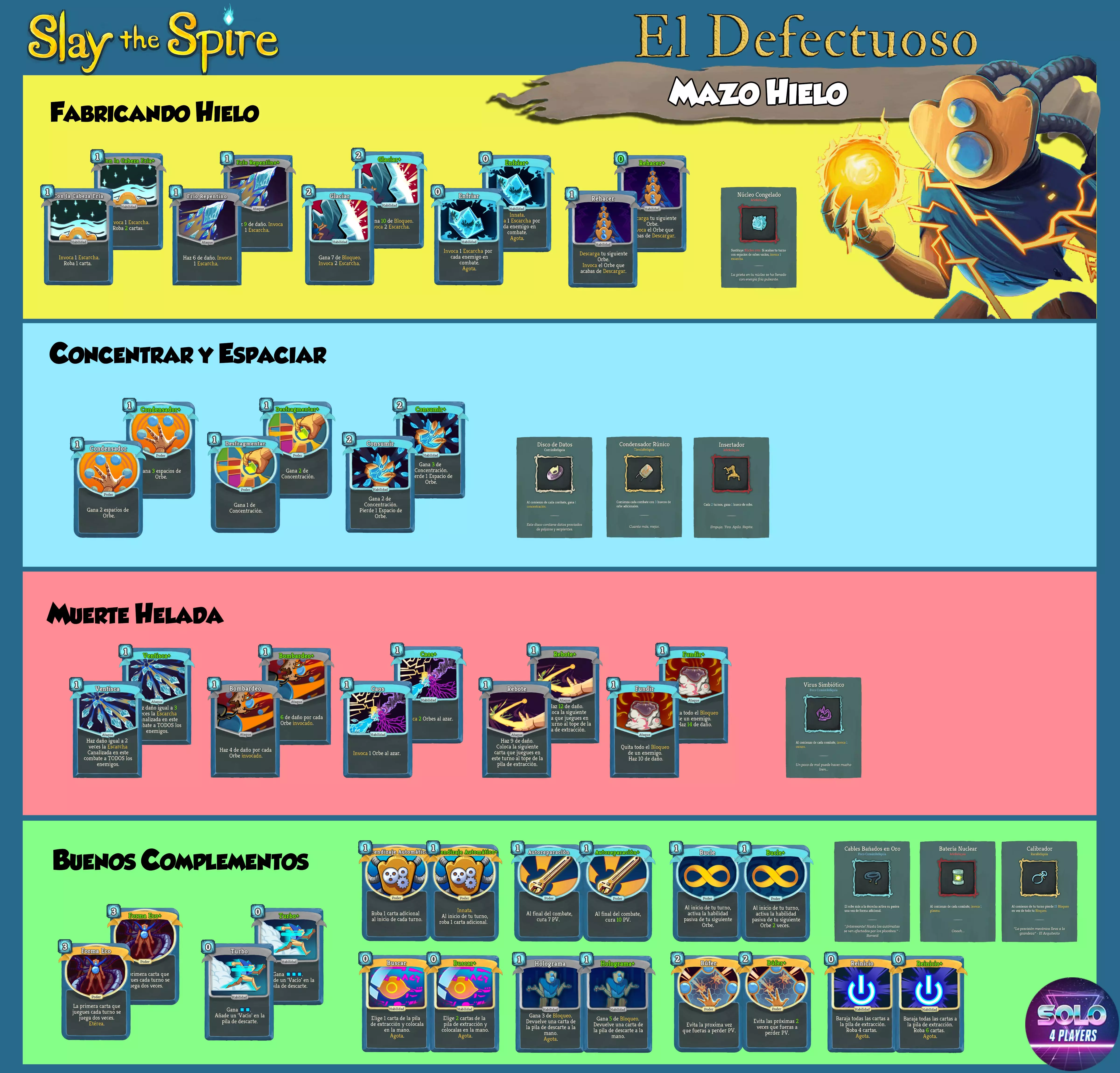
El Defectuoso - 套牌与完全指南
《杀戮尖塔》缺陷者全流派完整指南,包含各套卡组的详细解析以及完整对局视频,助你直观了解实战效果 简介 其他《杀戮尖塔》指南: - 基础教程 - 铁甲战士 - 完…
2026-02-19 19:000赞 · 0评论
腐化之茎 杀戮尖塔腐化之心怎么打 全Boss打法攻略图鉴
怎么打杀戮尖塔腐化之心 全Boss打法攻略图鉴 杀戮尖塔是一款很非常好玩的游戏,受到很多小伙伴的喜爱,游戏中的怪物有三种,分别是普通小怪、精英小怪和首领,其中腐…
2025-08-19 06:360赞 · 0评论

识别几个关键的缺陷构筑
本指南旨在为各种缺陷流派卡组提供一些构建起点,而非详细介绍每一种可能的卡组。重点在于如何识别那些可能引导你走向特定卡组的“信号”。 简介 本指南分为“早期选择”…
2026-02-19 19:000赞 · 0评论

La Vigilante - 套牌与完全指南
《杀戮尖塔》守望者完整指南,包含所有卡组的详细解析以及完整对局的实机演示,助你直观了解其实战应用。 简介 其他《杀戮尖塔》指南: - 基础教程 - 铁甲战士 -…
2026-02-17 05:310赞 · 0评论
战士 【杀戮尖塔】铁甲战士nosl全局攻略#6.卡组评估和路线选择(第三四层)
2025-12-06 22:550赞 · 0评论

策略游戏 【中配】早知道就好了: 杀戮尖塔10个进阶技巧与攻略指南 - InaBeta
原视频:10 Things I Wish I Knew | Slay the Spire Guide and Tips 原作者:InaBeta 发布日期:202…
2025-10-26 07:070赞 · 0评论

奇异搞笑 假如战士拥有中庸之道
战士哥中庸之道!既要小卡组也要入扉门,优化战士哥初始卡nosl a10
2025-10-07 00:320赞 · 0评论
游戏 安东尼,这就是你想要的优质卡组构筑吗😅
我们必须想象铁甲战士是幸福的
2025-12-01 10:190赞 · 0评论
《杀戮尖塔》静默风格
《杀戮尖塔》静默者卡组构筑综合指南。包含从基础游戏到进阶15难度均适用的策略。我旨在根据具体情况,针对各种构筑/卡牌/遗物提供合理且细致的建议,而非给出固定评分…
2026-02-20 10:000赞 · 0评论

《战略指令:二战欧洲战场》基础指南 日语翻译版
这是《战略指令:二战欧洲战场》基础指南的日语翻译版本。内容相当于手册的第5章“游戏基础”。手册的第4章“教程”内容如下。建议您先阅读教程,然后再阅读本基础指南。…
2026-04-06 19:000赞 · 0评论

暂无更多
最新更新
- 尼奥斯通讯 - 2026年4月 — 大家好!我是凯西。 《杀戮尖塔2》已经发布约一个月了,我们的主要工作集中在修复重大问题、改进反馈系统、优化视觉效果,以及对内容进行调整与平衡,确保所有卡牌和道具…
- 获取【Powerful】成就的笔记 — 我获得了成就「Powerful」,所以先公开一下挑战时用来获取增益效果的笔记。 这是一个约30%的玩家都已获得的相对简单的成就,但意外地有些麻烦…… 增益效果种…
- 铁甲战士打击流构筑 — 最强最简易的爬塔构筑 构筑核心 我们围绕【完美打击】来构建卡组。这张卡是本卡组的核心。
- 《杀戮尖塔:桌游》- 堕落扩展包众筹现已开启! — 它终于来了!《杀戮尖塔》桌游扩展包“Downfall”的Kickstarter众筹活动现已启动!这款广受欢迎的《杀戮尖塔》社区模组将作为《杀戮尖塔:桌游》的官方…
- 静默者(Silent) — 接下来是我另一个喜欢的角色!沉默者,在我看来可能是最强的角色。只要卡牌选得对,甚至能在第三回合结束时就把最终BOSS打成灰。根本不需要主动攻击。你只需要做的………
- 尼奥通讯 - 2026年3月 — 大家好, 我是凯西!我们出色的社区经理黛米负责撰写大部分【尼奥的通讯】已有一段时间了,但我想过来跟大家说几句: 我的天呐! 不过说真的,大家对抢先体验版的反响真…
- 铁甲战士的各类卡组 — 铁甲战士可尝试构建的不同套牌类型 概述 铁甲战士是一个强力职业,但需要了解游戏(卡牌和敌人)才能玩好。重要的是要明确自己想要构建哪种类型的套牌,这样才能优先选择…
- 如何通关结局? — 分享一下最终幕的通关经验。 前言 要开启第四幕,需要每个角色各通关一次(可以是普通模式,也可以是进阶模式)。要进入最终决战,需要3把钥匙:红钥匙、蓝钥匙和绿钥匙…
- 《杀戮尖塔2》现已在抢先体验阶段推出! — 尖塔终于苏醒了。 《杀戮尖塔2》,这款备受期待的、开创了类rogue牌组构建游戏类型的初代作品的续作,现已在Steam抢先体验平台上线! 我们非常激动能让大家亲…
- 《杀戮尖塔》PS4(或其他手柄)图标 — 修改游戏文件以显示合适的控制器图标! 步骤1:找到游戏目录 方法一: 1. 导航至“Program Files (x86)Steamsteamappscommo…